zoomancy is an ancient practice with surprisingly modern relevance: it’s the art of reading meaning in animals and their behavior to gain insight, guidance, or warning. From birds crossing your path to recurring encounters with a particular animal, zoomancy offers a symbolic language through which the world is thought to “speak” to you. Whether you’re skeptical but curious, or spiritually inclined and looking for structure, understanding zoomancy can give you a new way to notice patterns, make decisions, and feel more connected to your environment.
In this guide, you’ll learn what zoomancy is, where it comes from, how people actually use it, and—most importantly—how to begin reading animal signs in a grounded, practical way.
What Is zoomancy?
zoomancy (sometimes spelled “zoo-mancy”) comes from the Greek roots zōion (animal) and manteia (divination). At its core, it’s the belief that animals and their actions can carry symbolic messages about:
- Current situations
- Future possibilities
- Hidden emotional or spiritual dynamics
Historically, zoomancy wasn’t simply “seeing a butterfly and making a wish.” In many cultures, it was a structured observation system, especially focused on:
- Flight patterns and calls of birds
- Unusual animal behavior before big events
- Encounters with rare or sacred animals
Today, people practice zoomancy in much more personal ways—using animal symbolism for self-reflection, decision‑making, spiritual guidance, or ritual.
A Brief History of zoomancy Around the World
Animal-based divination is nearly universal. Under different names and systems, zoomancy has shaped religious practices, state decisions, and everyday life.
Ancient Greece and Rome
- Augury: Roman augurs studied the behavior of birds—their flight directions, sounds, and group patterns—to guide state decisions, from declaring war to founding cities.
- Omens and portents: Unusual or out-of-place animals (like a wild animal entering a temple) were read as strong signs from the gods.
Mesopotamia and the Ancient Near East
Cuneiform tablets from ancient Mesopotamia include extensive omen lists cataloging animal appearances and behaviors as signs related to weather, politics, and personal fate (source: The British Museum).
Indigenous and Shamanic Traditions
Many Indigenous cultures understand animals as spiritual kin, messengers, or teachers:
- Animals appear in dreams and visions as guides.
- Animal encounters frame initiation rituals and healing practices.
- Sacred animals (like eagles, jaguars, wolves) are treated as embodiments of specific powers.
While it’s important not to appropriate closed traditions, understanding that zoomancy has deep, diverse roots can inspire a respectful, modern approach.
How zoomancy Works: Symbolism and Pattern Recognition
Whether you see zoomancy as literal messages from spirit or as a psychological mirror, its mechanics are similar:
-
An encounter happens
You notice an animal, a pattern, or an unusual behavior—especially if it feels out of the ordinary or emotionally striking. -
You interpret the symbol
You draw on cultural symbolism, personal associations, and context. For instance, an owl might symbolize wisdom, hidden knowledge, or the need to look beneath the surface. -
You apply the message
You relate the symbolism to your life: a current decision, emotional state, or question you’ve been carrying.
At a psychological level, zoomancy can serve as a form of structured intuition: the animal sign is a prompt that helps you externalize and organize your inner knowing.
Common Types of zoomancy in Everyday Life
zoomancy isn’t limited to mystical ceremonies. People often practice it informally without naming it.
1. Bird Signs and Flight Patterns
Bird-based zoomancy (augury) is one of the oldest forms:
- A bird repeatedly crossing your path
- A lone bird acting strangely on your windowsill
- A flock suddenly changing direction or scattering
Interpretations often consider:
- Direction (coming toward you vs. flying away)
- Height (soaring vs. grounded)
- Species traits (predator vs. songbird, scavenger vs. hunter)
2. Roadside and Urban Animal Encounters
In modern life, cars, buildings, and cities haven’t eliminated zoomancy; they’ve just changed the context:
- A fox crossing your path at night in an urban neighborhood
- A raccoon rummaging in daylight (unusual behavior)
- A stray cat consistently appearing near your home or workplace
Here, interpretation blends wild-animal symbolism with the realities of modern habitats.
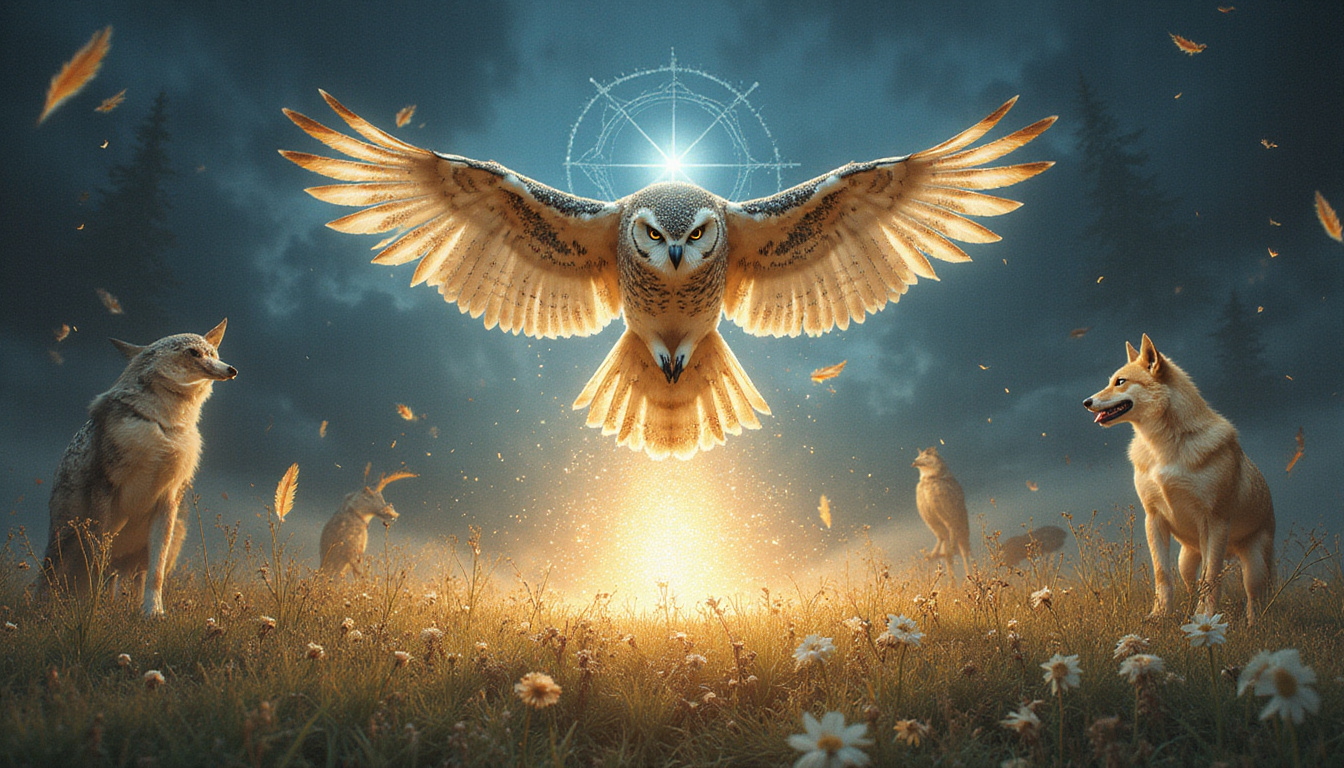
3. Repeating Animal Appearances
Another core pattern in zoomancy is repetition:
- Seeing the same animal in waking life and dreams
- Constantly noticing that animal in media, art, or conversation
- Encountering multiple representations (tattoos, logos, products) in a short time
When an animal “follows” you like this, practitioners see it either as a temporary messenger or a longer-term totemic influence.
4. Unusual Behavior and Out-of-Place Animals
zoomancy pays specific attention to:
- Animals acting in obviously abnormal ways
- Creatures appearing in places they “shouldn’t” be
- Night animals active in full daylight or vice versa
These are often interpreted as urgent or heightened messages—whether symbolic, environmental, or both.
A Practical Framework: How to Read Animal Signs Responsibly
If you want to explore zoomancy in a grounded way, structure helps. Use this simple framework whenever you notice an animal sign.
Step 1: Note the Context
Ask:
- What was happening right before the encounter?
- Were you thinking about a particular question, person, or problem?
- Where are you (home, work, travel, liminal place like crossroads)?
Context often shapes meaning more than the animal itself.
Step 2: Identify the Animal and Its Real-World Traits
Before jumping to symbolism, ground your observation:
- Species (or closest guess)
- Age (young/old), health, behavior (agitated/calm, bold/fearful)
- Habitat (normal or out-of-place?)
Real-world traits matter. For example:
- A hawk is a high-focus predator with sharp vision and decisive action.
- A rabbit is sensitive, cautious, and survival-oriented.
These traits often translate into the symbolic realm.
Step 3: Consult Symbolism—But Don’t Be a Slave to It
Look up cultural or traditional meanings if you like, but treat them as starting points, not rules. Common symbolic themes include:
- Predators (wolves, hawks, big cats): power, focus, boundaries, leadership, shadow aspects.
- Prey animals (deer, rabbits): vulnerability, intuition, gentleness, alertness.
- Water animals (fish, dolphins, frogs): emotion, the unconscious, flow, cleansing.
- Insects (butterflies, bees, spiders): transformation, productivity, creativity, patience.
Then ask: “What does this animal mean to me personally?” Your childhood experiences, fears, and fascinations all shape interpretation.
Step 4: Listen for the Message
Translate the combined context + traits + symbolism into a single, clear message or question. For example:
-
Seeing a fox when debating a risky job move
→ “Be clever and strategic; not all information is obvious yet.” -
Repeated encounters with injured birds while feeling emotionally drained
→ “Your freedom and voice need healing; where are you clipping your own wings?”
Try to phrase the message in supportive, actionable language, not in doom-laden predictions.
Step 5: Test It in Real Life
zoomancy has value when it leads to wise action:
- Make a small, low-risk change inspired by the message.
- Reflect on whether the guidance feels helpful and grounded.
- Adjust your interpretive “dictionary” over time.
Beginners’ Guide: Getting Started With zoomancy
To turn random encounters into meaningful practice, add a bit of structure.
1. Keep a zoomancy Journal
Create a dedicated section in your notebook or notes app. For each notable encounter, record:
- Date, time, and location
- Animal and behavior
- Your emotional state just before/after
- Any question or issue on your mind
- Your initial interpretation
Over weeks or months, patterns often emerge that deepen your understanding.
2. Work With a Single “Study Animal” First
Choose one animal that has appeared frequently or feels strongly significant. For 30 days:
- Study its natural history (habits, habitat, diet, social life).
- Track every time it appears in your reality.
- Reflect on how its traits mirror your life challenges or growth areas.
This focused practice builds your zoomancy “muscles” without overwhelm.
3. Balance Intuition With Critical Thinking
Healthy zoomancy is symbolic, not superstitious. Keep these checks in place:
- Don’t ignore safety, common sense, or science.
- Don’t assume every random pigeon is a major life omen.
- Do prioritize unusual, emotionally striking, or highly synchronous moments.
Think of zoomancy as a contemplative tool, not a substitute for responsibility.
Ethical and Spiritual Considerations in zoomancy
Because zoomancy centers animals, it naturally raises questions of respect and ethics.
Respect Real Animals First
True animal-based spirituality should never:
- Endanger animals or their habitats
- Encourage feeding wildlife to force encounters
- Treat animals as mere props for your personal story
If an interpretation contradicts the real-world wellbeing of the animal, it’s a red flag.
Avoid Cultural Appropriation
Many animal-symbol systems (like specific Indigenous teachings about wolves or eagles) belong to living cultures:
- Learn from open, public sources.
- Avoid claiming titles or practices reserved for initiated members.
- When in doubt, default to personal symbolism and widely shared meanings.
Stay Grounded and Compassionate
zoomancy can become unhealthy if it:
- Fuels anxiety and obsessive omen-chasing
- Replaces personal responsibility with “the animals told me to”
- Encourages fatalism or fear
If you notice these patterns, step back. Use the practice for reflection and empowerment, not fear or control.
Example Interpretations: zoomancy in Real Situations
To make zoomancy more concrete, here are a few common scenarios and potential interpretations.
-
A hawk circling overhead when you feel stuck in life
- Possible message: “Gain altitude. Look at the big picture instead of obsessing over small details.”
-
A line of ants invading your kitchen during a period of scattered focus
- Possible message: “Discipline and teamwork are needed. Small, consistent actions can overrun chaos.”
-
A deer quietly standing near a busy road during a stressful move
- Possible message: “Stay gentle and alert. You can maintain grace even near danger or upheaval.”
-
Repeated dreams of wolves while navigating a conflict at work
- Possible message: “Clarify your pack: who’s truly on your side? You may need stronger boundaries and leadership.”
These are not fixed meanings; they’re examples of how natural traits translate into symbolic guidance.
FAQ: zoomancy and Animal Signs
What is zoomancy in modern spiritual practice?
In modern practice, zoomancy is the intentional interpretation of animal encounters—physical sightings, dreams, or repeated symbols—as meaningful guidance for personal growth, decision-making, or spiritual insight. Many people blend traditional symbolism with psychology and intuition rather than treating it as rigid fortune-telling.
How do you start practicing animal sign divination safely?
To practice zoomantic divination in a grounded way, start by journaling your encounters, researching the real behavior of the animals you see, and reflecting on what was happening in your life at the time. Focus on unusual or emotionally striking signs, avoid fear-based interpretations, and never put yourself or animals at risk to “get” a sign.
Are animal omens and zoomancy scientifically proven?
There is no scientific evidence that animal omens predict the future in a literal, supernatural sense. However, zoomancy can still be meaningful as a symbolic and psychological tool: it helps people notice patterns, access intuition, and reflect more deeply on their lives. From a scientific perspective, the value lies in what it reveals about you, not in objective prediction.
Let zoomancy Become Your Living, Breathing Oracle
If you feel drawn to signs, synchronicities, and animal encounters, zoomancy offers a structured, respectful way to engage with that pull. You don’t have to believe that the universe speaks only through animals to benefit from it; you only need curiosity, honesty, and the willingness to reflect.
Start with one encounter today: notice an animal, write it down, research its traits, and ask what part of your life it mirrors. Over time, your world becomes richer, more connected, and full of guidance—whether you call it intuition, spirit, or simply a deeper form of attention.
If you’re ready to go deeper, begin a 30‑day zoomancy journal experiment. Track your animal signs, explore their symbolism, and see how your inner wisdom responds. Let the creatures around you become not just background noise, but powerful allies in navigating your next steps.
Animals have inspired symbols and beliefs across cultures for centuries. Discover how these traditions connect with psychology, spirituality, and human consciousness at SpiritualMindScience.com.