Yantra has fascinated spiritual practitioners, architects, and designers for centuries—and for good reason. These intricate geometric diagrams are believed to focus subtle energies, support meditation, and transform the atmosphere of a space. If you’ve ever wondered how an ancient symbol could influence the energy of your home, exploring the science, symbolism, and practice of yantra is a powerful place to start.
What Is a Yantra?
A yantra is a sacred geometric design used in Hindu and Tantric traditions as a tool for focus, meditation, and energy transformation. The word comes from Sanskrit: “yam” (to control or sustain) and “tra” (instrument or tool). So, a yantra is literally an “instrument of control” or “support,” typically for the mind and the subtle energies of a space.
Common traits of yantras include:
- Symmetrical geometric patterns
- Central focal point (bindu)
- Concentric shapes (circles, triangles, and lotuses)
- Encasing square with four “gates” (bhupura)
Traditional yantras are closely linked to specific deities or cosmic principles. For instance, the Sri Yantra is associated with the union of divine masculine and feminine energies and is one of the most revered symbols in Tantra.
The Spiritual Science Behind Yantras
While yantras are deeply rooted in spirituality, you can also understand some of their influence through psychology and subtle “design science.”
Focus, Symmetry, and the Human Mind
The human brain is naturally drawn to symmetry and pattern. Studies in visual cognition show that symmetrical shapes are easier for the brain to process, creating a sense of harmony and balance (source: APA). Yantras, being highly symmetrical and structured, can:
- Calm visual “noise” in a room
- Draw the eye to a clear central point
- Encourage a meditative, focused state
This is why even people with no spiritual background often report feeling more peaceful in spaces decorated with harmonious geometric art.
Geometry as a Language of Energy
Traditional Tantric texts describe yantra as a blueprint of energy. Each line, angle, and curve is said to represent a specific cosmic principle. While this isn’t scientific in a laboratory sense, it forms a coherent symbolic system:
- Circles: cycles, wholeness, infinite consciousness
- Upward triangles: masculine, solar, active energy
- Downward triangles: feminine, lunar, receptive energy
- Lotus petals: unfolding awareness, purity
- Squares: stability, protection, grounding
By placing such a pattern in your environment and using it as a visual anchor, you essentially “program” your mind and space with that symbolism every day.
Types of Yantras and Their Traditional Purposes
There are many forms of yantras, each associated with a specific intention. Understanding a few core types helps you choose what fits your home.
1. Sri Yantra (Shri Chakra)
- Focus: Prosperity, spiritual growth, balance
- Looks like: Interlocking upward and downward triangles within circles and lotuses, surrounded by a square with four gates
- Best for: Meditation rooms, main living spaces, home offices
The Sri Yantra is called the “king of yantras” and is believed to align the individual with universal abundance and harmony. Many people use it as a centerpiece for meditation.
2. Ganesha Yantra
- Focus: Removing obstacles, new beginnings, success
- Looks like: Central bindu with surrounding triangles and mantras associated with Lord Ganesha
- Best for: Entryway, near doors, workspaces, study rooms
This yantra is traditionally used when starting new ventures or when you feel blocked in career, studies, or personal growth.
3. Mahalakshmi Yantra
- Focus: Wealth, material comfort, supportive circumstances
- Looks like: Geometric patterns with inscriptions or mantras dedicated to Goddess Lakshmi
- Best for: Near cash boxes, home offices, areas where financial planning is done
While it’s often used for prosperity, it also symbolizes overall well-being and emotional richness.
4. Yantras for Planets (Navagraha Yantras)
- Focus: Balancing planetary influences in Vedic astrology
- Looks like: Nine distinct yantras, each for a planet—Sun, Moon, Mars, etc.
- Best for: Personalized spaces, especially if created under guidance from an astrologer
These yantras are selected based on your individual horoscope to support balance in health, career, and relationships.
How Yantra Transforms Home Energy
Whether you see yantra as sacred art, a psychological tool, or both, it can notably influence how your home feels and functions.
1. Creates a Focal Point of Calm
A yantra naturally draws the gaze to its center, the bindu. This inward movement of attention promotes:
- A calmer atmosphere in busy rooms
- Reduced mental clutter for anyone who sits facing it
- An anchor point for conversations, reflection, or relaxation
In practice, even placing a Sri Yantra in your living room can subtly encourage more centered interactions.
2. Harmonizes Visual and Spatial Chaos
Modern homes are full of variables—screens, cables, mixed furniture, irregular patterns. This visual clutter can contribute to a restless or distracted feeling. A yantra’s geometric order provides:
- A sense of visual balance amidst mixed decor
- A symbolic “grid” of harmony overlaying the room
- A contrast to the randomness of other objects
Over time, you may notice that the room with a yantra becomes your preferred place to read, think, or simply sit.
3. Supports Intentional Living
Yantra is traditionally activated through intention (sankalpa). When you select a yantra to support clarity, courage, or abundance, and see it daily, you reinforce that intention. This:
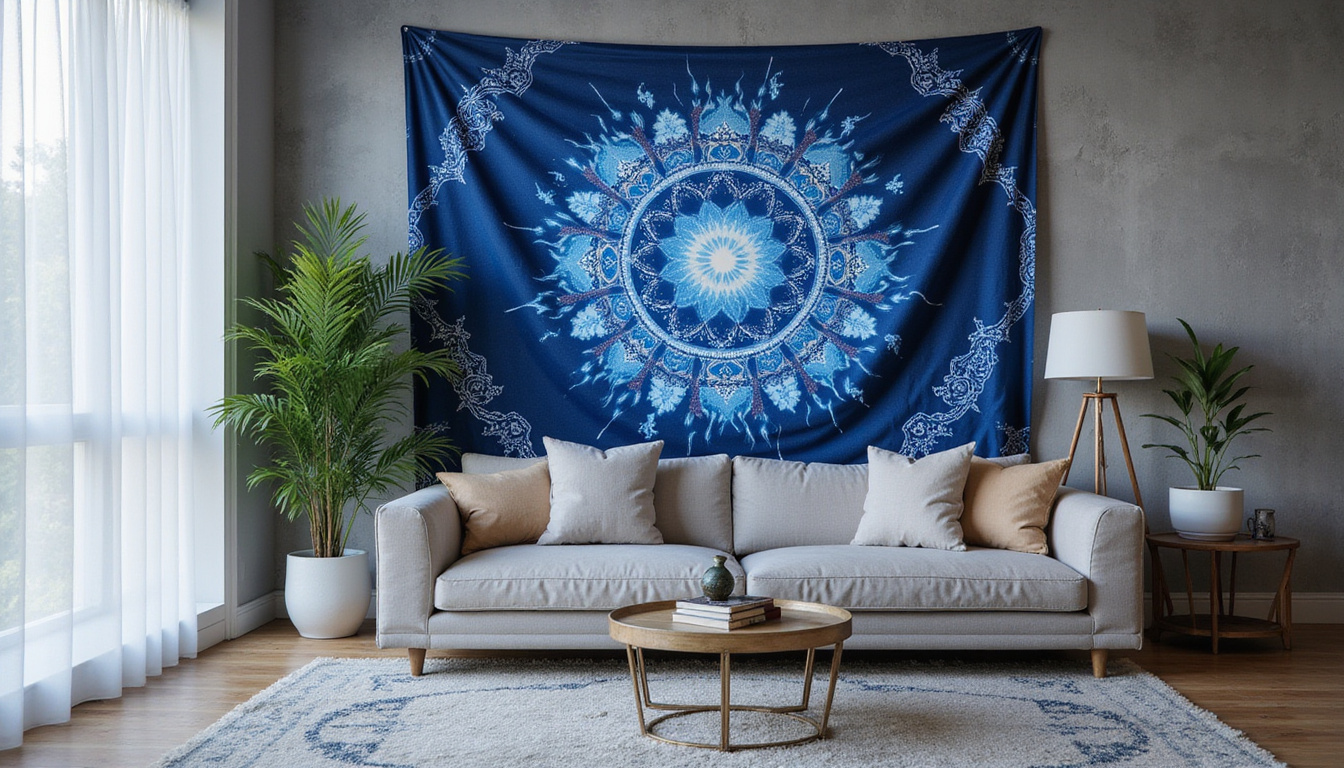
- Influences subtle choices and habits
- Keeps long-term goals in awareness
- Acts as a visual reminder of your deeper values
In this sense, a yantra is like a symbolic vision board—but rooted in an ancient geometric language.
Choosing the Right Yantra for Your Home
Before you bring a yantra into your space, consider your needs and environment. You don’t have to be an expert in Tantra; a thoughtful, respectful approach is enough to begin.
Step 1: Clarify Your Intention
Ask yourself:
- Do I want more calm and focus?
- Do I need support with prosperity and career?
- Am I seeking spiritual deepening or better meditation?
For general home harmony and spiritual growth, the Sri Yantra is a highly versatile choice. For specific goals (wealth, protection, education), a dedicated yantra may be more suitable.
Step 2: Decide on Form: 2D, 3D, or Subtle
Yantras can appear in various formats:
- Wall art or posters – accessible, easy to place and replace
- Engraved metal plates – traditional, durable, often used on altars
- 3D yantras or crystals – sculptural presence, strong focal energy
- Digital wallpapers – subtle, personal use on phones or computers
For transforming home energy, physical yantra art in a room you use often is most effective.
Step 3: Ensure Authentic, Respectful Designs
Choose yantras from:
- Reputable spiritual or cultural stores
- Artists familiar with traditional proportions
- Trusted online sources that explain the symbolism
Avoid distorted or overly decorative versions that lose the precise geometry; the pattern itself is the “technology.”
Where and How to Place Yantras at Home
Correct placement helps a yantra function as intended. While traditions vary, these guidelines are widely used.
General Placement Guidelines
- Height: Eye level when sitting, slightly above when standing
- Cleanliness: On a clean wall or surface, not cluttered by random items
- Respect: Avoid placing yantra directly on the floor or in messy corners
Directional Suggestions (Common Vedic Practice)
These are traditional, not rigid rules—but many people find them helpful:
- East-facing wall: Spiritual growth, clarity, sunrise energy
- North-facing wall: Prosperity, opportunities, growth
- Meditation space: Sri Yantra, Ganesha Yantra, or personal spiritual yantra
- Home office/study: Ganesha Yantra, Mahalakshmi Yantra, or a yantra that supports focus
If you’re unsure, place a Sri Yantra in a quiet, respected spot where you can see it often and sit in front of it comfortably.
Simple Yantra Rituals for Everyday Life
You don’t have to conduct elaborate ceremonies to benefit from yantra. Consistency and sincerity matter more than complexity.
Try incorporating one or more of these practices:
-
Morning Gaze
Sit comfortably facing the yantra for 3–5 minutes. Breathe gently and let your eyes rest on the central point. Notice your thoughts slowing down. -
Breath and Intention
As you look at the yantra, silently repeat a simple intention, such as:- “May this home be peaceful and harmonious.”
- “May I act today with clarity and courage.”
-
Candle or Lamp
If safe and appropriate, light a small candle or lamp near the yantra in the evening. The flickering light on the geometry can deepen the meditative feeling of the room. -
Silent Check-In
Once a day, pause for 30–60 seconds in front of the yantra. Notice your body, breath, and mood. This turns the yantra into a daily reset point.
Caring for a Yantra: Respect and Maintenance
In traditional practice, a yantra is treated as a sacred object—a physical symbol of a subtle presence. You can honor that idea in simple ways:
- Keep it clean: Dust it regularly, wipe glass frames gently.
- Avoid disrespectful surroundings: Don’t place it near trash cans, shoes, or TV clutter.
- Refresh intention: Periodically, spend a few minutes remembering why you brought the yantra into your space.
If a yantra becomes damaged or feels out of place, it’s fine to respectfully retire it—wrap it in cloth and store it, or if allowed in your tradition, recycle or dispose of it with mindfulness.
FAQ About Yantras and Home Energy
1. How do I use a yantra for meditation?
Sit facing the yantra with your back straight. Begin by focusing on the outer shapes, then gradually bring your attention to the center point (bindu). Let your breath stay natural. If thoughts arise, gently return your gaze to the center. Start with 5 minutes and extend as it feels comfortable.
2. What is the difference between yantra and mantra?
A yantra diagram is a visual tool—sacred geometry you look at—while a mantra is a sacred sound or phrase you repeat. In traditional practice, both are used together: you gaze at the yantra while chanting the corresponding mantra. You can, however, benefit from yantra visually even if you don’t use any mantra.
3. Is it okay to use a Sri Yantra just as home décor?
You can absolutely use Sri Yantra artwork as décor, but it’s best to do so respectfully. Place it in a clean, harmonious area rather than as a casual decorative element in chaotic or inappropriate spaces. Even if you don’t follow ritual practices, acknowledging it as a symbol of balance and abundance keeps your use aligned with its deeper meaning.
Bringing a yantra into your home is more than adding a new piece of art—it’s an invitation to live with greater intention, clarity, and harmony. Whether you’re drawn by the spiritual history, the geometric beauty, or the subtle energetic effects, this ancient tool can become a quiet but powerful ally in transforming your space.
If you’re ready to experiment, start with a single yantra in one room—a Sri Yantra in your living area or a Ganesha Yantra near your workspace—and commit to spending a few reflective minutes with it each day. Let your own experience guide you. Over time, you’ll discover how this ancient geometry can reshape not just your home’s energy, but the way you feel and function within it.
Now is the perfect moment to transform your environment: choose a yantra that resonates with your intentions, give it a dedicated place in your home, and begin a simple daily ritual. The shift in your space—and within yourself—may be more profound than you expect.
Sacred objects often carry deep cultural and spiritual meaning. Learn how these symbols relate to history, spirituality, and the human mind by exploring more articles at SpiritualMindScience.com.