The humble wishbone is one of those small, curious traditions that almost everyone recognizes, yet few people fully understand. Snapped at holiday dinners, used in quiet personal rituals, and even featured in jewelry, this tiny bone carries big symbolism. In this guide, you’ll learn exactly what a wishbone is, where the custom came from, and how to break it correctly for luck, love, and wealth—plus modern ways to update the tradition for your own life.
What Is a Wishbone, Really?
A wishbone is the Y‑shaped bone in birds, technically called the furcula. It’s formed by the fusion of the two clavicles (collarbones) and helps birds with flight mechanics and breathing. In the kitchen and at the table, it becomes something else entirely: a small, physical token of hope and good fortune.
You’ll most often find a wishbone in:
- Chicken
- Turkey
- Duck
- Game birds (like pheasant)
Once removed and dried, the wishbone becomes a symbol of wishes granted and futures shaped—if you break it correctly.
The Origins of the Wishbone Tradition
The wishbone tradition goes back much further than modern Thanksgiving dinners.
Ancient Etruscan Roots
Historians trace the practice to the Etruscans, an ancient Italian civilization. They believed birds were oracles, able to convey messages from the gods. The furcula, close to the bird’s chest and lungs, was considered sacred. After sacrificing birds, the Etruscans would preserve the furcula and stroke it for good luck—hence the phrase “to get a lucky break.”
How the Romans Spread the Custom
The Romans adopted and adapted the Etruscan belief. However, they had a problem: more people wanted to touch the sacred bone than there were birds. As the story goes, arguing over the bone turned into pulling it apart to share the luck. That “tug-of-luck” evolved into the breaking contest we know today.
From Europe to America
Roman customs traveled across Europe, and European settlers later brought the wishbone tradition to North America. As turkey became part of American holiday meals, the turkey wishbone gained a central place in Thanksgiving and Christmas celebrations.
Today, snapping a wishbone is a familiar family ritual—but its original meaning is rooted in ancient ideas about fate, fortune, and divine messages (source: Encyclopedia Britannica).
How to Prepare a Wishbone the Right Way
If you want the classic snapping experience, preparation matters. A properly dried wishbone breaks cleanly; a fresh, wet one just bends.
Step 1: Locate the Wishbone
After roasting your turkey or chicken:
- Let the bird cool a bit.
- Turn it breast side up.
- At the top of the breast, near the neck cavity, gently pull back the skin.
- You’ll see the Y‑shaped bone just under the surface.
Carefully work your fingers around it to loosen, then pull it out.
Step 2: Clean It
- Remove any remaining meat or membrane.
- Rinse under cool water.
- Pat completely dry with a paper towel.
Step 3: Dry the Wishbone
This is crucial:
- Place it somewhere clean and dry, like a windowsill or countertop.
- Let it air dry for at least a few days; a week is even better.
- Turn it occasionally so it dries evenly.
A fully dried wishbone will be lighter in color, firm, and slightly brittle—perfect for that satisfying snap.
How to Break a Wishbone for Maximum Luck
Once your wishbone is ready, here’s the classic method most people use.
The Classic Breaking Ritual
-
Choose Your Partner
Two people face each other. Traditionally, they both close their eyes to keep their wishes secret. -
Grip the Bone
Each person holds an end of the wishbone by the knob (the thicker part), not the thin arms. If you’re right-handed, hold your end in your right hand for a bit more control. -
Make Your Wish
- Silently focus on a clear, specific wish.
- Visualize it as if it’s already happened.
- Keep it to yourself; “telling” is thought to weaken the magic.
-
Pull Slowly, Then Snap
- Gently pull outward and upward.
- Don’t jerk immediately. A steady pull gives a cleaner break.
- The wishbone will eventually snap, leaving one side with the longer piece.
-
Who Wins?
- The person holding the larger piece is the “winner.”
- Folklore says their wish will come true.
Some traditions also say that if the wishbone breaks evenly, both wishes come true—or neither does, depending on local belief.
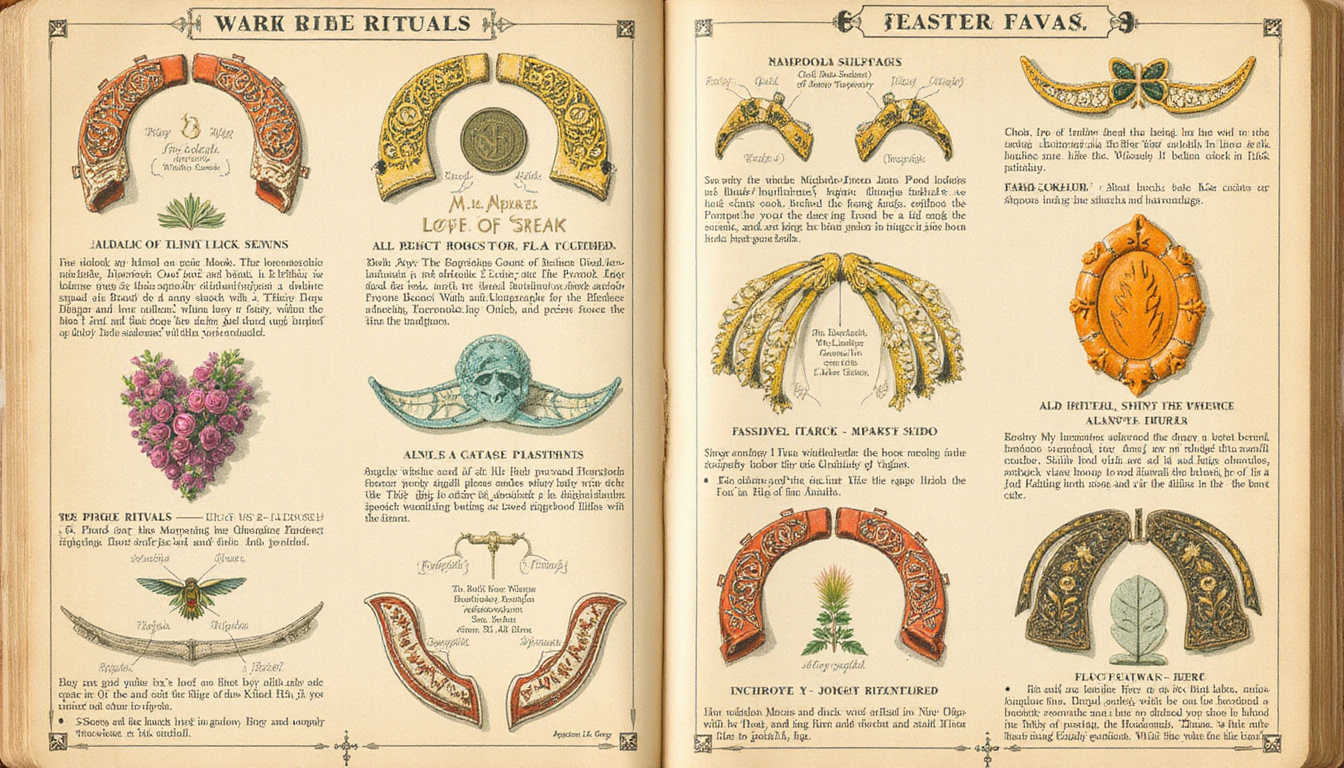
Wishbone Meanings: Luck, Love, and Wealth
The same simple ritual can be tuned to different areas of life. Here’s how people interpret the wishbone for specific intentions.
Wishbone for General Good Luck
Many people use the wishbone simply as a charm for better fortune.
- Timing:
Holidays, birthdays, new year’s celebrations, or any time you’re starting a new chapter. - Focus:
“May things go my way.” “Help me catch good opportunities.” - Symbolic Meaning:
The break represents releasing old energy and inviting unexpected good luck.
Keeping the larger piece in your wallet, pocket, or on a shelf is thought to keep the “lucky break” nearby.
Wishbone for Love
Romantic interpretations are common, especially around engagements, relationships, or heartbreak.
Ways to focus the wishbone on love:
- Wish for:
- A new, loving partner
- Strengthening an existing relationship
- Healing from past relationships
- Personal twist:
- Carve a tiny heart in a piece of paper, write initials, and place it under where you dry the wishbone.
- Wear a wishbone necklace or ring as a symbol that you’re open to love and aligned with your desires.
Some couples even break a wishbone together and keep the pieces as tokens of mutual commitment and hope.
Wishbone for Wealth and Prosperity
Using the wishbone for money and wealth centers the ritual on abundance:
-
Common Wishes for Wealth:
- Stable, well-paying work
- Successful business or side hustle
- Freedom from debt
- Smarter money habits
-
How to Reinforce It:
- Break the wishbone near where you handle money—your desk, office, or wherever you manage finances.
- After winning the longer piece:
- Tuck it into your wallet, cash box, or a small envelope with a written financial goal.
- Treat it as a reminder to take practical steps: saving, budgeting, investing—symbolism plus action.
While a wishbone won’t replace solid financial planning, many people find that rituals help them stay emotionally connected to their goals.
Modern Wishbone Rituals Without Meat
If you’re vegetarian, vegan, or simply not cooking whole birds, you can still use the wishbone symbol.
Symbolic and Ethical Alternatives
-
Metal or Wooden Wishbones
Many stores sell decorative wishbones in brass, silver, or wood. You can:- Use two that you pull apart by hand (they bend instead of snap).
- Designate one as your “lucky charm” and keep it on your desk or altar.
-
Paper Wishbones
- Cut small wishbones from sturdy paper or cardstock.
- Write wishes on them and tear them with a friend to simulate the breaking ritual.
-
Wishbone Jewelry
- Necklaces, rings, and bracelets featuring the wishbone symbol can act as daily reminders of your intentions.
These options let you enjoy the tradition and symbolism without animal products.
Common Wishbone Superstitions and Rules
Different cultures and families follow their own rules. Here are some of the most common beliefs around the wishbone:
- You must keep your wish secret or it won’t come true.
- Only the first break of a bird’s wishbone counts; no multiple rounds.
- Dropping the wishbone before breaking it is considered bad luck.
- Some believe the left side of the wishbone carries more romantic energy, while the right side influences money and career. (This is folk belief, not science.)
- If the wishbone breaks into three pieces, it can be seen as a strong sign of transformation—or a signal to rethink your wish.
None of these are universal, but adopting a set of personal rules makes the ritual feel more meaningful and consistent.
Tips to Improve Your Chances of Getting the Longer Piece
Of course, it’s still chance—but a bit of physics doesn’t hurt.
- Hold Close to the Base:
Grip near where the arms meet for better leverage. - Choose the Stronger Side:
If one arm looks thicker or less curved, take that side. - Pull Up and Out:
An upward and outward motion often creates a cleaner snap. - Stay Still at First:
Let your partner start pulling; then apply a steady counter-pull.
Even if you “lose,” many people believe any participation in the wishbone ritual brings a touch of luck.
Simple Wishbone Ritual You Can Try Tonight
Here’s a short, modern ritual focused on wealth that you can adapt:
- Write a clear money goal on a small slip of paper (for example: “I earn $X per month doing work I enjoy.”).
- Place the paper under the dried wishbone for a few minutes while you focus on the goal.
- Break the wishbone with a partner or alone (you can hold both ends if solo).
- Keep the longer piece with the written goal in a safe place—wallet, drawer, or vision board.
- Take one concrete action toward that goal within 24 hours (send an application, study a financial topic, pitch a client, etc.).
This connects symbol, mindset, and action into one coherent practice.
FAQ About Wishbones and Their Meaning
What does a wishbone symbolize spiritually?
Spiritually, a wishbone symbol often stands for hope, divine favor, and the power of intention. The two arms joining at a single base can represent choices converging into one destiny, cooperation between people, or the blending of human effort and higher guidance.
Is a wishbone good luck in everyday life?
Many people treat a wishbone for good luck like a talisman. Keeping a wishbone charm in your home, car, or wallet is believed to attract positive events and helpful opportunities. While there’s no scientific proof, the sense of optimism and focus it brings can influence how you notice and respond to chances around you.
Can I use a wishbone charm instead of a real bone?
Yes. A wishbone charm—whether jewelry, metal decoration, or a small wooden figure—can serve the same symbolic purpose as a real bone. The key is your intention: treat it as a meaningful object, and use it in your personal rituals for love, wealth, or general luck.
The wishbone may be small, but its history and symbolism are rich. From ancient bird oracles to modern dinner-table games, it has always centered on one idea: your future can change, and your wishes matter.
If you’re ready to bring more intention to your luck, love, and wealth, start by creating your own wishbone ritual. Prepare or choose a symbolic wishbone, decide what you truly want, and combine the break with real-world steps toward your goals. Turn a simple tradition into a personal practice—and give yourself permission to wish for something bigger.
Explore the Science Behind Spirituality
This guide explored the meaning and history of good luck symbols. To discover the psychology, consciousness, and scientific perspectives behind spiritual beliefs, visit SpiritualMindScience.com.