Wildlife Symbolism Decoded: Hidden Animal Signs and Spiritual Meanings
From ancient cave paintings to modern tattoos, humans have always been fascinated by wildlife symbolism. Around the world, animals are seen as messengers, protectors, omens, and guides. Whether you keep seeing the same animal in dreams, notice a particular creature crossing your path, or feel deeply drawn to a species, these encounters can carry powerful spiritual meanings.
This guide unpacks the hidden messages behind wildlife symbolism, how different cultures interpret animal signs, and how you can start understanding what these encounters may mean in your own life.
Why Wildlife Symbolism Matters
Wild animals live close to the rhythms of nature. Because of this, many spiritual traditions view them as living metaphors for universal forces: courage, intuition, transformation, loyalty, resilience, and more.
People turn to wildlife symbolism for several reasons:
- Self-reflection: Animals often mirror traits we already have—or need to develop.
- Guidance during change: Repeated animal signs during life transitions can feel like intuitive nudges.
- Cultural connection: Many indigenous and ancient cultures use animal symbolism in myths, rituals, and art.
- Spiritual practice: Animal totems, spirit animals, and power animals are central to various spiritual paths.
While interpretations vary, the key is to see each animal as a potential teacher, not a superstition to fear or follow blindly.
How to Interpret Animal Signs and Messages
Before exploring specific creatures, it helps to understand how to read wildlife encounters in a grounded way.
1. Context Is Everything
The same animal can mean different things depending on:
- Your culture and background
- Your emotional state at the time of the encounter
- The setting (urban vs. wild, day vs. night, natural vs. captive)
- The animal’s behavior (calm, aggressive, playful, injured)
Example: A crow at a funeral might symbolize grief and transformation, while a crow playfully cawing at sunrise could feel like a reminder of intelligence, adaptability, and new beginnings.
2. Personal Associations Matter More Than Generic Meanings
Books and websites offer common wildlife symbolism, but your personal history is crucial. Ask yourself:
- What memories do I have with this animal?
- How does this creature make me feel—comforted, scared, energized?
- What was I thinking about just before I noticed it?
Often, the “meaning” lies at the intersection of cultural tradition and your own life story.
3. Patterns Are More Significant Than One-Off Encounters
One random sighting might just be chance. A pattern is more notable:
- Seeing the same animal repeatedly in different forms (dreams, art, media, real life)
- Suddenly noticing an animal after never paying attention to it before
- Feeling unusually moved or struck by the encounter
The more persistent the pattern, the more likely it’s highlighting a theme in your life.
Common Wildlife Symbolism: What Animals Often Represent
Here’s a closer look at how different animals are traditionally interpreted across various cultures. These are starting points—not rigid rules.
Birds: Messengers Between Worlds
Birds often symbolize freedom, perspective, and messages from the spiritual realm, due to their ability to move between earth and sky.
Common bird symbolism:
- Eagle: Vision, leadership, spiritual insight, courage. In many Native American traditions, eagles are sacred messengers of the Creator.
- Owl: Wisdom, hidden knowledge, mystery, and sometimes death or major change. In Greek mythology, the owl is associated with Athena, goddess of wisdom.
- Raven/Crow: Magic, transformation, intelligence, trickster energy. In Celtic and Norse myth, they’re linked to prophecy and battlefields.
- Dove: Peace, purity, hope, and divine love. Prominent in Christian symbolism and global peace imagery.
- Hawk: Focus, clear sight, and the ability to see the bigger picture. Encourages paying attention to signs around you.
When a bird appears repeatedly, it may be asking you to look at your life from a higher vantage point or to trust your intuition.
Mammals: Strength, Instinct, and Emotional Wisdom
Mammals tend to be linked to our primal nature, family bonds, and emotional life.
Key mammal symbols:
- Wolf: Loyalty, community, intuition, the balance between independence and belonging. The wolf often represents a teacher or pathfinder.
- Bear: Strength, protection, introspection, and healing. Hibernation connects bears with cycles of rest and renewal.
- Deer: Gentleness, grace, vulnerability, and spiritual sensitivity. A reminder that softness can be powerful.
- Lion: Courage, leadership, authority, and personal power. Frequently used as a symbol of nobility and bravery.
- Fox: Cleverness, adaptability, subtlety, and sometimes trickster energy. Encourages creative problem-solving.
Seeing these animals—physically or symbolically—may invite you to revisit how you handle power, emotions, and relationships.
Reptiles and Amphibians: Transformation and Ancient Wisdom
These creatures often hold deep, sometimes misunderstood meanings.
- Snake: Transformation, rebirth, healing, and life-force energy. Many cultures see the shedding of skin as symbolic of spiritual awakening and renewal.
- Turtle/Tortoise: Patience, longevity, stability, and protection. In some myths, the turtle carries the world on its back, symbolizing groundedness.
- Frog: Cleansing, transition, fertility, and emotional release. Linked to water and purification rituals.
If one of these animals keeps appearing, it may be time for inner healing, slowing down, or embracing a major life shift.
Insects and Small Creatures: Persistence, Cycles, and Subtle Messages
Even the smallest animals play a big role in wildlife symbolism.
- Butterfly: Transformation, rebirth, and the soul. Moving from caterpillar to butterfly echoes personal growth and spiritual evolution.
- Dragonfly: Illusion vs. truth, change, and lightness of spirit. Encourages flexibility and seeing beyond surface appearances.
- Bee: Community, productivity, and sweetness of life. Also linked with hard work and balance between giving and receiving.
- Spider: Creativity, destiny, and interconnectedness. Spinning webs represents the stories and choices we weave in our lives.
Insects are easy to overlook, yet their recurring presence may be a reminder about daily habits, work-life balance, or creative expression.
Animal Totems, Spirit Animals, and Power Animals
Different traditions have different language for similar ideas:
- Animal totem: A symbolic animal that represents a group, lineage, or personal archetype.
- Spirit animal: Popular term for an animal that mirrors your core traits or energies.
- Power animal: In some shamanic traditions, a spiritual ally that offers protection and guidance.
While terminology varies, the underlying concept is the same: certain animals resonate with you because they reflect aspects of your soul and path.
How to Recognize a Personal Guide Animal
You might have a special connection with an animal if:
- You’ve been drawn to it since childhood.
- It appears repeatedly in dreams or meditation.
- You collect items, art, or stories about it.
- Encounters with it feel emotionally charged or meaningful.
- You strongly identify with its traits.
You can explore this connection through journaling, meditation, or studying the animal’s behavior in nature.
A Simple Practice for Decoding Wildlife Symbolism
Use this quick process whenever an animal sign stands out to you:
-
Note the encounter
- What animal?
- Where and when did it appear?
- What was it doing?
-
Check your inner state
- What were you thinking or feeling right before?
- Any big life questions or worries?
-
Research cultural meanings
- Look up traditional symbolism for that animal in a few cultures.
- Notice themes that repeat.
-
Observe the real animal
- How does it survive, hunt, mate, migrate, protect itself?
- Which of these behaviors mirror your current life situation?
-
Synthesize a message
- Based on the above, write a few possible “messages” the encounter may hold.
- See which one resonates in your body, not just in your mind.
This approach balances cultural wisdom, natural science, and personal intuition, making wildlife symbolism both meaningful and grounded. Organizations like the National Wildlife Federation offer accessible information on animal behavior and habitats to enrich your interpretations (source).
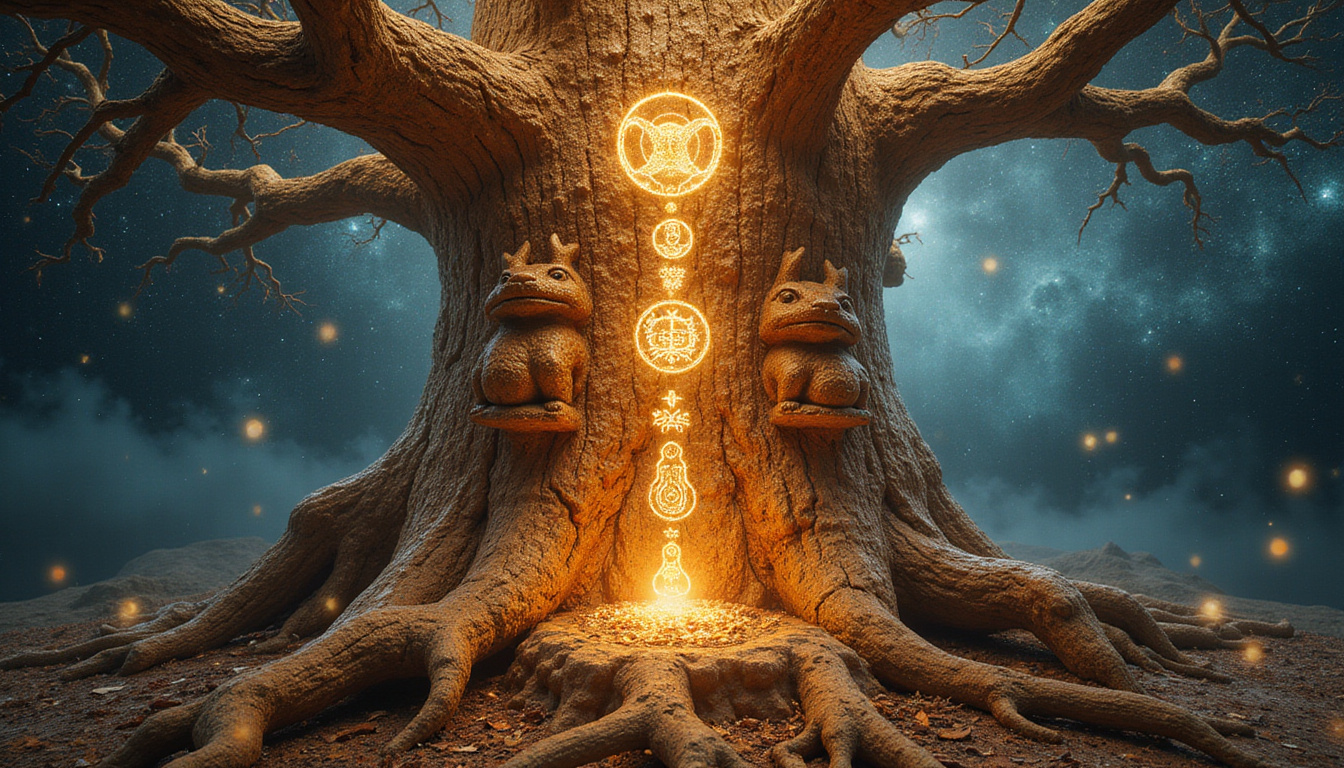
Cultural Perspectives on Wildlife Symbolism
Different cultures often interpret the same animal in unique ways. A few examples:
- Native American traditions: Animals are frequently seen as clan symbols, spirit guides, and sacred teachers. The specific meaning depends on the tribe and region.
- Celtic traditions: Many animals—like stags, boars, and ravens—are linked to gods, goddesses, and the Otherworld, often carrying messages across realms.
- Hinduism and Buddhism: Animals such as elephants, snakes, and tigers are associated with deities and spiritual qualities like wisdom, power, and protection.
- African traditions: Wildlife symbolism appears in folktales, totems, and proverbs, highlighting moral lessons, community values, and ancestral connections.
Understanding these traditions helps you see wildlife symbolism as part of a global, time-tested language of metaphor and meaning.
Frequently Asked Questions About Wildlife Symbolism
1. What does it mean when I keep seeing the same animal everywhere?
Repeated encounters—physically, in dreams, or in media—usually signal that the qualities of that animal are relevant to your life right now. For example, constant sightings of hawks might point to a need for perspective and clarity, while recurring wolf imagery may emphasize boundaries and community. The key is to consider both traditional wildlife symbolism and what that animal personally evokes for you.
2. How can I find my spiritual animal or wildlife guide?
Start by noticing which animals you’ve always loved, feared, or felt inexplicably drawn to. Pay attention to recurring dreams, childhood favorites, and unusual encounters in nature. Then, study the natural behavior and traditional symbolism of those animals. Your primary spiritual guide is often the creature whose traits—positive and challenging—mirror your own growth edge the most.
3. Is animal symbolism real or just my imagination?
Wildlife symbolism is less about objective “proof” and more about meaningful connection. Humans naturally use symbols to understand life. When you work with animal meanings, you’re engaging an ancient cross-cultural practice of learning from nature. If the interpretation helps you grow, heal, or make wiser choices, then it’s serving a very real purpose, whether you view it as spiritual guidance, intuition, or psychological insight.
Bringing Wildlife Symbolism Into Your Daily Life
You don’t need to wait for a dramatic encounter in the wild to benefit from animal wisdom. You can:
- Meditate on an animal whose traits you want to cultivate.
- Use animal imagery in art, journaling, or altar spaces.
- Learn about local wildlife and what they symbolize.
- Reflect on your reactions to certain animals—love, fear, fascination—as mirrors of your inner world.
Your relationship with animals can become a living dialogue: nature speaking in symbols, and you responding through awareness and action.
If you’re feeling called to explore further, start watching the world around you with fresh eyes. Notice which creatures cross your path, what they might be reflecting, and how their natural strengths relate to your own journey. Let wildlife symbolism be a bridge—between you and the natural world, between your everyday life and your deeper spiritual path.
Begin today: choose one animal that has appeared to you recently, study its behavior and traditional meaning, and journal about what it might be trying to show you. The more you listen, the more this hidden language of animal signs will begin to reveal itself.
Animals have inspired symbols and beliefs across cultures for centuries. Discover how these traditions connect with psychology, spirituality, and human consciousness at SpiritualMindScience.com.