Voodoo is one of the most misunderstood spiritual traditions in the world. Thanks to horror movies, sensational news stories, and stereotypes, many people associate Voodoo with curses, dolls, and dark magic. In reality, Voodoo is a complex, community‑centered religion with rich rituals, a deep philosophy, and powerful healing traditions. Understanding what Voodoo actually is—its rituals, symbols, and beliefs—helps dispel fear and reveal a vibrant spiritual practice that’s very much alive today.
What Is Voodoo, Really?
Before exploring specific rituals, it’s important to clarify what Voodoo is—and what it isn’t.
The Roots of Voodoo
Voodoo (also spelled Vodou, Vodun, or Vodoun, depending on region) is a syncretic religion that blends:
- Traditional West and Central African spiritual systems
- Roman Catholicism
- Indigenous Caribbean beliefs
Enslaved Africans brought these beliefs to the Caribbean and the Americas, especially Haiti, Louisiana, and parts of South America. Under colonial oppression, they preserved their traditions by merging African spirits with Catholic saints, creating a dynamic, adaptable faith.
Two of the best-known branches are:
- Haitian Vodou – Centered in Haiti, with a structured pantheon of spirits (lwa) and highly organized temple life.
- Louisiana Voodoo – Developed in and around New Orleans, influenced by Haitian, West African, French, Spanish, and Native American traditions.
Both share African roots but have evolved differently based on local history and culture.
Core Beliefs Behind Voodoo Rituals
Voodoo rituals don’t exist in a vacuum; they’re rooted in key spiritual concepts:
One Creator, Many Spirits
Contrary to stereotype, Voodoo is not “devil worship.” Most Vodouists believe in:
- A supreme creator (often called Bondye in Haitian Vodou), a distant, all‑powerful God.
- Intermediary spirits called lwa (or loa), who interact directly with humans.
People build relationships with these spirits—similar in some ways to saints or angels in Christianity. Each lwa has distinct preferences, symbols, colors, and offerings, which shape ritual practice.
Ancestor Veneration
Honoring the dead is central. Rituals often:
- Call on ancestors for protection and guidance.
- Acknowledge that the dead remain active members of the community.
Ancestor altars, candles, water, and food offerings are common.
Balance, Reciprocity, and Responsibility
Voodoo emphasizes balance and reciprocity:
- Every action has consequences—spiritually and socially.
- Rituals are used to restore harmony, heal, protect, and sometimes seek justice.
While there are harmful practices in any tradition, the core focus of Voodoo is community well‑being, not random malice.
Inside a Voodoo Ritual: What Actually Happens
Voodoo rituals are highly structured, symbolic events. While details vary by lineage, tradition, and location, a typical ceremony might include the following elements.
1. Sacred Space and Preparation
Rituals often take place in a peristyle (temple) or a dedicated sacred area. Preparation can include:
- Sweeping and cleansing the space physically and spiritually
- Drawing vevé (sacred symbols) on the ground using cornmeal, flour, or powder
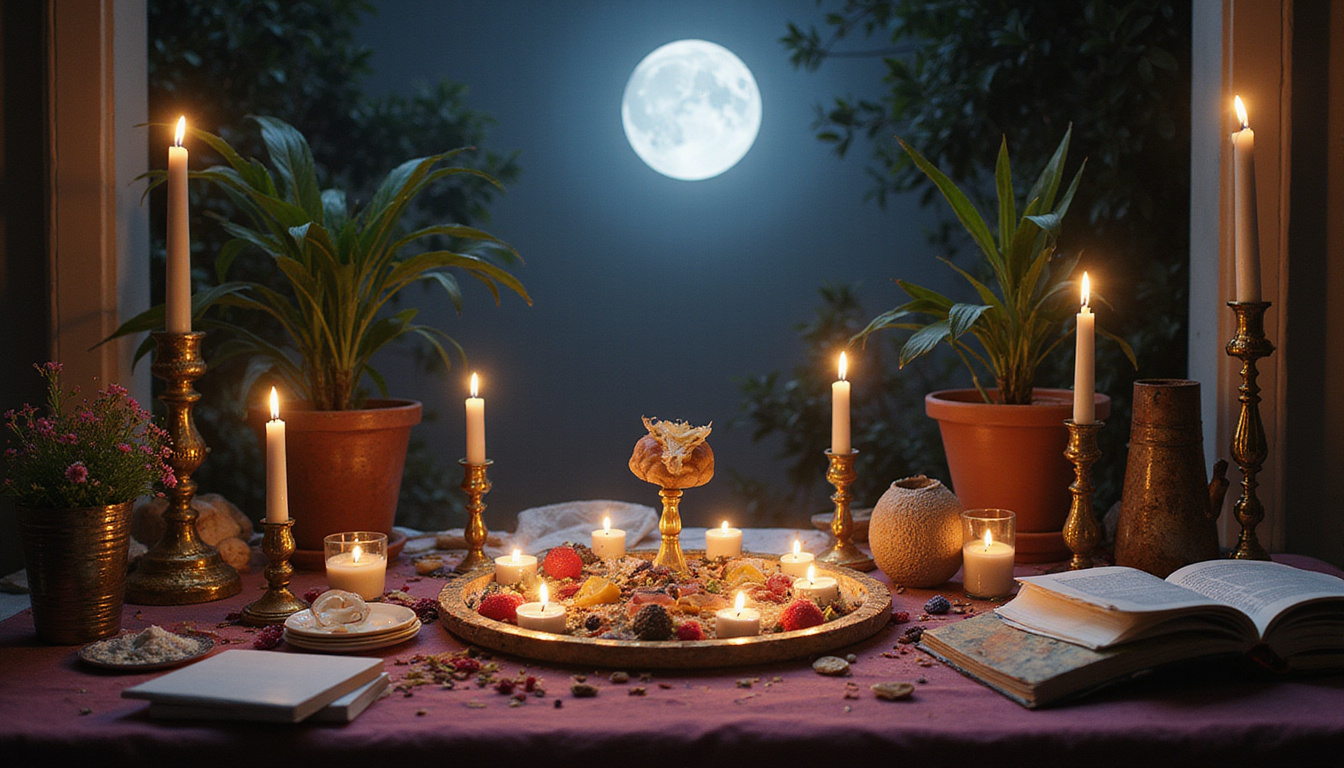
- Decorating an altar with images, candles, cloths in specific colors, food, rum, flowers, and sacred objects
Each vevé represents a lwa and acts as a “spiritual doorway” for that spirit.
2. Music, Drumming, and Song
Drumming is the heartbeat of Voodoo. Rituals often feature:
- Polyrhythmic drumming using traditional drums
- Call‑and‑response singing between a lead singer and the group
- Dancing in circular patterns around the center post or altar
Different rhythms call different lwa. The music isn’t just decoration—it’s a key tool for inviting and directing spiritual energy.
3. Invocation of Spirits
Priests (houngans) and priestesses (mambos) lead the ceremony. They:
- Invoke specific lwa with prayers, songs, and offerings
- Light candles, pour libations of rum or water, and burn incense
- Sometimes recite prayers in a mix of Kreyòl, African languages, and French, depending on tradition
This invocation asks the lwa and ancestors to attend and bless the gathering.
4. Spirit Possession
One of the most misunderstood aspects of Voodoo is spirit possession. In ritual contexts, it is:
- Considered an honor and a blessing
- A temporary state where a lwa “mounts” a devotee (often compared to a rider on a horse)
- A way for spirits to communicate directly, give guidance, perform healings, or accept offerings
Possessed individuals may adopt the gestures, voice, preferences, and mannerisms of the specific lwa. Far from demonic, this is an organized, expected part of many ceremonies.
5. Offerings and Ritual Acts
Offerings depend on the lwa being honored. They can include:
- Food (like cooked dishes, sweets, fruit)
- Drinks (rum, coffee, water)
- Candles and flowers
- Symbolic tools (machetes, mirrors, cigars, etc.)
Rituals can also include:
- Healing work – cleansing baths, herbal preparations, prayers
- Protection rites – amulets, powders, and charms
- Community rites – initiations, weddings, funerals, and seasonal ceremonies
Sacrifice, when present, follows strict rules and is treated with seriousness and respect—similar to historic sacrificial practices in other religions.
6. Closing the Ceremony
Ceremonies end by:
- Thanking the spirits and ancestors
- Extinguishing candles safely
- Disposing of ritual remains respectfully (often in nature, at crossroads, or in water)
This closing reinforces boundaries between sacred time and ordinary life.
Common Voodoo Ritual Tools and Symbols
Different tools have different functions. Some widely used elements include:
- Vevé – intricate, symbolic drawings that call specific lwa.
- Altars – focal points for offerings, photos of ancestors, religious images, and ritual objects.
- Candles – color-coded to particular spirits or intentions (healing, protection, clarity, etc.).
- Herbs and roots – used in baths, powders, teas, and charms for health, luck, and cleansing.
- Gris‑gris (or gris‑gris bags) – small charm bags filled with herbs, stones, prayers, and symbolic items, usually for protection or luck.
These objects aren’t “magical” by themselves; they are tools within a broader ritual framework and relationship with spirits.
Modern-Day Misconceptions About Voodoo
Popular culture has distorted Voodoo for generations. Understanding what’s false is essential to appreciating the real tradition.
Myth 1: Voodoo Is All About Curses and “Dark Magic”
Media often fixates on curses, hexes, and revenge. In reality:
- Most rituals focus on healing, protection, guidance, and community needs.
- Harmful acts (when they occur) are exceptions, not the norm, and are often condemned within the tradition itself.
Every religion has people who misuse it; Voodoo is no different.
Myth 2: Voodoo Dolls Are the Center of the Religion
“Voodoo dolls” are among the most persistent myths. Historically:
- The idea of sticking pins into poppets to harm enemies is largely a European folk‑magic concept, not a central African or Haitian practice.
- In some traditions, dolls or figurines exist, but they’re more often for healing, protection, or ancestor veneration, not movie‑style torture.
The pop‑culture Voodoo doll says more about colonial fear and Hollywood than about actual Voodoo.
Myth 3: Voodoo Is Satanic
Voodoo developed under Catholic influence; many practitioners:
- Recognize the same creator God as Christians.
- Incorporate saints, crosses, and Christian prayers into practice.
The label “satanic” is usually rooted in racism, misunderstanding, and fear of African‑derived religions—similar prejudice has historically targeted Santería, Candomblé, and other Afro‑diasporic faiths.
Myth 4: Voodoo Is Chaotic and Unstructured
From the outside, Voodoo may seem spontaneous, but:
- Ceremonies follow specific liturgical structures, songs, rhythms, and protocols.
- There are lineages, initiations, ranks, and codes of conduct.
This is a living, organized religion—not random superstition.
The Role of Voodoo in Modern Society
Voodoo is not a fossil of the past. It continues to evolve and respond to contemporary realities.
Community, Identity, and Resistance
In places like Haiti, Voodoo has been:
- A source of cultural identity and resilience against colonialism and oppression.
- Central to social organization, mutual aid, and local leadership structures.
It has helped communities survive hardship, natural disasters, and political turmoil by providing spiritual grounding and social support.
Healing and Mental Health
Voodoo rituals often address:
- Physical illness through herbal medicine and ritual healing
- Emotional and psychological distress through counseling, divination, and community support
Traditional healers (sometimes called bokor or oungan in different contexts) blend spiritual techniques with extensive local plant knowledge. The World Health Organization acknowledges that traditional medicine plays a major role in global healthcare, especially in developing countries (source: WHO – Traditional Medicine).
Global Interest—and the Risk of Appropriation
Today, people around the world are curious about Voodoo. This interest can be positive when:
- Practiced with respect, cultural sensitivity, and proper guidance
- Recognizes the leadership of actual practitioners and communities
However, problems arise when Voodoo is:
- Commercialized without context or consent
- Reduced to decorative symbols, cheap “spells,” or Halloween costumes
- Used irresponsibly by untrained people selling “instant magic” online
Authentic engagement requires study, humility, and often direct mentorship from experienced practitioners.
How to Approach Voodoo Respectfully
If you feel drawn to learn more about Voodoo, you can start in grounded, ethical ways:
-
Educate Yourself
Read books and articles by Haitian, Louisiana, and African‑diasporic scholars and practitioners. Avoid sensationalized or purely “occult” takes that rely on stereotypes. -
Support Real Communities
If possible, attend public events, cultural festivals, or presentations led by actual practitioners. Support organizations that preserve Afro‑diasporic heritage. -
Avoid Exploitation
Be cautious of anyone offering quick‑fix curses, “guaranteed love spells,” or miracle results for high fees. Authentic spiritual work is rarely flashy or instant. -
Respect Boundaries
Not all rituals are meant for public viewing or participation. Ask permission, respect privacy, and remember that this is a living religion, not a tourist attraction.
FAQ: Common Questions About Voodoo and Its Rituals
Q1: Is Voodoo black magic or witchcraft?
Voodoo is a religion, not simply a form of “black magic.” It includes worship of a creator God, veneration of spirits (lwa) and ancestors, moral codes, and community rituals. While some people may use elements of Voodoo for harmful purposes, the religion itself focuses largely on healing, protection, and maintaining balance.
Q2: Are Voodoo rituals dangerous to outsiders?
Most authentic Voodoo rituals are community‑centered and not aimed at harming outsiders. However, like any powerful spiritual practice, they are not a game. Observers should be respectful and understand that rituals are sacred acts, not entertainment. Problems often arise when people trivialize or misuse Voodoo practices without training or consent.
Q3: Can anyone practice Voodoo, or is it only for people of certain backgrounds?
Voodoo is rooted in African and Afro‑diasporic history. Many lineages welcome sincere seekers, but entrance is generally through proper study, relationship, and often initiation with recognized priests or priestesses. Anyone interested should approach with humility, respect for its cultural context, and a willingness to learn from legitimate practitioners rather than internet myths.
Reclaiming the Truth About Voodoo
Voodoo has been wrongly portrayed as something to fear, when in fact it is a resilient, life‑affirming spiritual tradition that has sustained communities for centuries. Its rituals are rich, structured, and purposeful—focused on healing, guidance, and connection with the divine and the ancestors.
If you’re ready to move beyond Hollywood caricatures and explore the real depth of Voodoo, take the next step: seek out reputable books, talks, and community‑led events; listen to practitioners in their own words; and challenge the stereotypes you’ve inherited. By engaging with Voodoo respectfully and thoughtfully, you not only gain insight into a powerful spiritual tradition—you also help dismantle the myths that have obscured its true beauty for far too long.
Cultural superstitions have shaped traditions and beliefs for generations. Explore the psychology, cultural history, and science behind these fascinating practices at SpiritualMindScience.com.