The mysterious ushabti figures found in Egyptian tombs have fascinated archaeologists and museum visitors for generations. These small, often blue-green statuettes were far more than simple grave goods; they were magical servants, believed to work on behalf of the deceased in the afterlife. By examining their symbolism, materials, inscriptions, and evolution over time, we can uncover how ushabtis were thought to protect and support the dead in their eternal journey.
What Is an Ushabti?
An ushabti (also spelled shabti or shawabti) is a small figurine placed in Egyptian tombs from the Middle Kingdom through the Late Period. Typically shaped like a mummified person, often holding agricultural tools, the ushabti was designed to come alive magically in the next world.
Key features of ushabtis include:
- Human form in a wrapped, mummy-like shape
- Hands crossed over the chest, holding hoes, picks, or baskets
- Hieroglyphic inscriptions, often including a version of the “ushabti formula”
- Materials such as faience, wood, stone, or clay
To the ancient Egyptians, the afterlife was not simply a paradise—it was also a place of work. Just as people farmed and toiled along the Nile, they believed they might be required to perform labor for the gods after death. Ushabtis were created to take on these burdens.
The Role of Ushabtis in the Afterlife
The core purpose of an ushabti was service. These figurines were meant to respond to a divine summons in place of the deceased. If the dead were called upon to perform tasks—digging channels, irrigating fields, or cultivating the “Field of Reeds” (the Egyptian paradise)—the ushabtis would answer instead.
The Magical Mechanism: The Ushabti Formula
Most ushabtis bear a short spell or formula drawn from the Book of the Dead, particularly Spell 6. This “ushabti formula” is usually phrased as a direct command:
- It addresses the ushabti by name
- It calls on the figurine to “answer” (the meaning of the word “ushabti” is often linked to “answerer”)
- It instructs the figure to perform whatever labor is commanded in the afterlife
By inscribing the spell, the Egyptians gave the ushabti a legal and magical obligation to serve. The figurine thus became a supernatural safeguard, ensuring that the dead would not be overburdened with chores in eternity.
From One Servant to an Army: How Ushabti Use Evolved
Early in their history, a tomb might contain only a handful of ushabti figures, sometimes just one. Over centuries, this practice expanded dramatically.
Middle Kingdom Origins
- Appearance: Simple, relatively plain, and few in number
- Materials: Often wood or simple stone
- Function: Elite tombs used them sparingly; they were a luxury item
New Kingdom Expansion
By the New Kingdom (around 1550–1070 BCE), the ushabti became common in royal and non-royal burials alike.
- Pharaonic burials might include hundreds of ushabtis
- Figurines became more standardized and often mass-produced
- The ushabti formula from the Book of the Dead was widely used
Ushabti “Workforce” Sets
In later periods, some tombs contained full “workforces” of ushabtis:
- 365 worker ushabtis – one for each day of the year
- 36 overseer ushabtis – one for each 10-day week of the Egyptian calendar
- A total of up to 401 figures per tomb
Overseer ushabtis can often be recognized by:
- Whips or sticks held in their hands
- More detailed garments instead of purely mummiform wrappings
- Headbands or other distinguishing features
This arrangement symbolized a full labor organization: workers and supervisors mirroring the real-life structure of Egyptian estates.
Symbolism and Iconography of Ushabtis
The appearance of an ushabti was carefully designed to reflect the beliefs and aspirations of the deceased.
Mummiform Shape
The tightly wrapped, mummy-like body linked the figure to the deceased, who was themselves mummified. This visual echo emphasized that the ushabti was a stand-in or extension of the tomb owner.
Tools and Baskets
Many ushabtis carry:
- Hoes or picks – to till and break soil
- Seed bags or baskets – slung over the shoulder, ready for agricultural labor
These implements made their intended function unmistakable: manual workers in the fields of the afterlife.
Inscriptions and Names
The inscriptions often include:
- The name and titles of the deceased
- A version of Spell 6 from the Book of the Dead
- A command that the ushabti must answer any call to labor, “Here I am”
This personalization tied the ushabti directly to the tomb owner, reinforcing its obligation to serve that specific person and not anyone else.
Materials and Craftsmanship: How Ushabtis Were Made
Over more than a millennium, artisans crafted ushabtis in a variety of materials, each with its own symbolism and cost.
Common Materials
- Faience – A glazed non-clay ceramic, often blue or green, symbolizing regeneration and the Nile. This became the most popular material in later periods.
- Wood – Used in earlier periods and often for larger or more finely carved figures.
- Stone – Limestone, quartzite, and occasionally harder stones for elites.
- Clay – Cheaper and more accessible, especially in less wealthy burials.
Levels of Quality
Not all ushabtis were equal. Some show remarkable artistry:
- Detailed facial features and wigs
- Carefully painted inscriptions and decorations
- High-quality glaze and carving
Others are clearly mass-produced:
- Rough features
- Incomplete or formulaic inscriptions
- Standardized molds reused many times
Even so, both simple and elaborate ushabtis held the same basic magical purpose: protection and labor for the deceased.
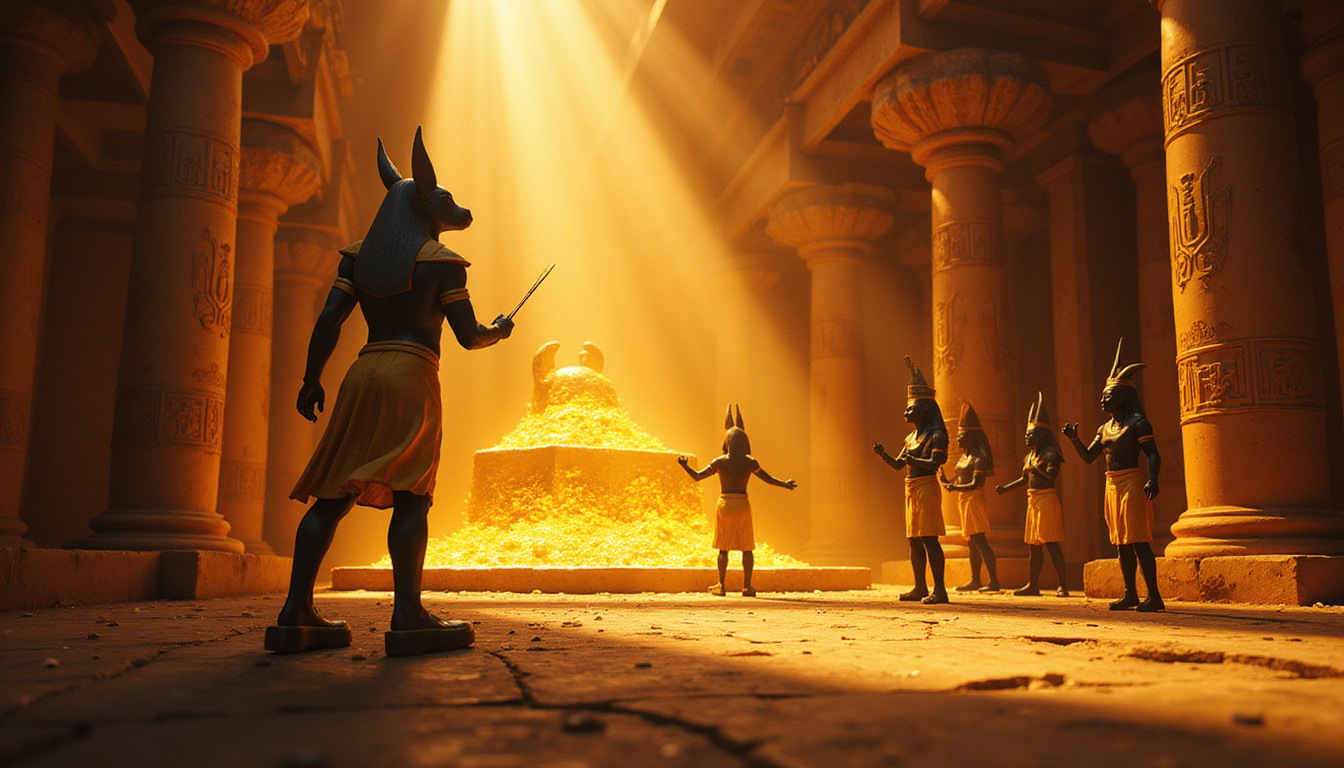
How Ushabtis Protected the Dead
Protection did not always mean warding off physical danger. Instead, ushabtis protected the dead by preserving their status, comfort, and dignity in the afterlife.
Protection from Forced Labor
The core protective function of the ushabti was to keep the deceased from personally performing work:
- If the gods or administrators of the afterlife demanded tasks, ushabtis were commanded to step forward.
- The deceased could enjoy peace, leisure, and the idealized life of the blessed.
- This ensured that elite status carried over into the next world, mirroring social structures on earth.
Maintaining Cosmic Order
For the Egyptians, the afterlife was not chaos; it was an extension of the orderly cosmos (Maat). Fields had to be cultivated, waterways managed, offerings maintained.
Ushabtis:
- Helped guarantee that the deceased contributed to cosmic order without toil
- Symbolized a harmonious balance between responsibility and privilege
- Reinforced the idea that the tomb owner remained a person of importance and means
Psychological and Ritual Security
For the living who commissioned these figures, ushabtis were a way to:
- Express love and concern for deceased family members
- Demonstrate piety and wealth
- Gain peace of mind that their loved one would be cared for in eternity
This emotional dimension was as real as the magical one. Providing ushabtis was an act of devotion, a long-term promise that the dead would not be abandoned.
Who Used Ushabtis? From Pharaohs to Commoners
While the most spectacular ushabti sets come from royal and high-status tombs, the practice eventually spread widely.
Royal Ushabtis
Pharaohs like Seti I and Ramesses II were buried with numerous ushabtis:
- Larger and more elaborately decorated
- Made from high-quality faience or stone
- Sometimes inscribed with complex texts and royal titles
Officials and Priests
Members of the elite class followed royal trends:
- Ushabtis included professional titles and honorifics
- Over time, these burials show increasingly standardized sets of workers and overseers
- Some ushabtis depict specific jewelry, wigs, or clothing signifying rank
Non-Elite Burials
By the Late Period, even modest tombs could contain a few simple ushabtis:
- Often uninscribed or minimally inscribed
- Made from local clay or rough faience
- Still intended to provide some measure of help in the afterlife
This democratization reflects broader changes in Egyptian religious practice, where access to afterlife benefits gradually became more widespread.
What Ushabtis Reveal About Egyptian Beliefs
Examining an ushabti offers a concentrated glimpse into Egyptian views of death and eternity.
They show that:
- The afterlife was active, not static; work and responsibility continued beyond the grave.
- Social hierarchies endured after death; elites sought to preserve their advantages.
- Magic, ritual, and written spells were powerful tools for shaping one’s fate.
- Material objects—carefully crafted—could become living agents in the next world.
Modern scholarship on ushabtis, supported by excavations and museum collections, continues to expand our understanding of this practice (for example, see the British Museum’s overview of shabti figures, an authoritative reference on the topic: British Museum – Shabti Figures (source)).
Frequently Asked Questions About Ushabtis
What is the purpose of a shabti or ushabti in ancient Egypt?
A shabti or ushabti served as a magical servant for the deceased in the afterlife. When the dead were called to do agricultural or manual labor for the gods, these figurines were expected to answer in their place and perform the tasks, protecting the deceased from physical toil.
How many ushabti figures were placed in a tomb?
The number varied widely by period and social status. In some New Kingdom and Late Period tombs, there could be:
- A few individual ushabtis in simpler burials
- Sets of 365 worker figures plus 36 overseers in wealthier tombs
- Royal tombs with hundreds of carefully made shabti statues forming a full “workforce”
What is the difference between shabti, ushabti, and shawabti?
These terms refer to the same type of object, with variations due to time and regional dialect:
- Shabti – common in earlier periods
- Ushabti – frequently used in later academic and popular writing
- Shawabti – especially used for Theban figures of the Third Intermediate Period
All three describe funerary servant figurines meant to work for the deceased in the afterlife.
Why Ushabtis Still Matter Today
Ushabtis, often small enough to fit in a hand, carry an enormous weight of cultural meaning. They reveal how ancient Egyptians:
- Negotiated power and privilege beyond death
- Used art and writing to shape spiritual realities
- Balanced responsibility to the gods with hopes for personal comfort
When you next stand before a row of blue-green ushabti figures in a museum, you are looking at more than pretty artifacts. You are seeing a carefully crafted supernatural workforce, created to secure peace, protection, and dignity for someone who died thousands of years ago.
If you’d like to explore these remarkable objects further, seek out online databases and museum collections, read translations of the Book of the Dead’s ushabti spells, or visit Egyptian galleries in person. Each ushabti you encounter has its own story to tell—and together, they open a window onto the deepest hopes and fears of ancient Egypt’s journey into eternity.
Sacred objects often carry deep cultural and spiritual meaning. Learn how these symbols relate to history, spirituality, and the human mind by exploring more articles at SpiritualMindScience.com.