The Ti plant (Cordyline fruticosa) is one of the most striking houseplants you can grow, with bold leaves in shades of green, pink, burgundy, and even near-black. When cared for properly, its foliage stays vivid year‑round and can turn a dull corner into a tropical focal point. This guide walks you through everything you need to know about Ti plant care indoors—light, water, soil, pruning, troubleshooting, and more—so your plant stays colorful, healthy, and thriving.
What Is a Ti Plant?
Ti plant, sometimes called Hawaiian Ti, good luck plant, or Cordyline, is a tropical evergreen shrub native to Southeast Asia and the Pacific Islands. Indoors, it’s grown for:
- Dramatic, lance-shaped leaves
- Variegated color patterns: pink, cream, red, lime, and purple
- Upright, cane‑like growth that resembles a small palm or dracaena
Mature Ti plants can reach 3–6 feet tall indoors, depending on variety and conditions, making them ideal statement plants for bright rooms.
Ideal Light Conditions for a Vibrant Ti Plant
Light is the single most important factor for vivid Ti plant foliage.
How much light does a Ti plant need?
Ti plants prefer bright, indirect light. Think:
- A few feet back from an east or west window
- Near a south‑facing window filtered by sheer curtains
- Bright room with plenty of ambient daylight
Variegated and brightly colored varieties (pink, red, or multicolored) need more light to maintain their color. Too little light leads to:
- Faded or dull foliage
- Slow, leggy growth
- Loss of variegation (leaves turn mostly green)
Can Ti plants handle direct sun?
They can tolerate gentle morning sun, but harsh midday or afternoon sun through glass can scorch the leaves, causing brown, crispy patches. If leaves scorch:
- Move the plant a bit farther from the window
- Add a sheer curtain to diffuse intense light
For low‑light homes, supplement with a full‑spectrum grow light placed 12–18 inches above the foliage, running 10–12 hours per day.
Watering a Ti Plant the Right Way
Ti plants can be fussy about water—but once you understand their preferences, they’re easy to keep happy.
How often to water a Ti plant
Water when the top 1–2 inches of soil feel dry to the touch. The frequency will depend on your environment:
- Warm, bright rooms: about once a week
- Cooler, lower‑light rooms: every 10–14 days
Always use the finger test rather than a calendar. Overwatering can lead to root rot, while underwatering causes dry, crispy leaves.
Water quality matters
Ti plants are notably sensitive to:
- Fluoride
- Chlorine
- Salts and hard water minerals
These can cause leaf tip burn and brown edges. To avoid this, use:
- Filtered water
- Distilled water
- Rainwater
If using tap water, let it sit out overnight so chlorine can dissipate.
Drainage is essential
- Always grow your Ti plant in a pot with drainage holes.
- Empty saucers after 10–15 minutes so the plant isn’t sitting in water.
- Never let the soil become consistently soggy.
Temperature and Humidity for Tropical Growth
As a tropical plant, Ti plant thrives in warm, humid indoor environments.
Best temperature range
- Ideal: 65–85°F (18–29°C)
- Avoid temperatures below 60°F (15°C)
Keep your Ti plant away from:
- Drafty windows and exterior doors
- Heating or AC vents
- Cold glass in winter
Sudden temperature changes can lead to leaf drop or browning.
Humidity requirements
Ti plants prefer moderate to high humidity (around 50–60% if possible). Signs of low humidity include:
- Brown, crispy tips and edges
- Leaves curling or looking tired
To boost humidity:
- Use a room humidifier nearby
- Place the pot on a pebble tray filled with water (water level below the pot’s base)
- Group Ti plants with other tropical plants
Avoid misting if your room is cool or poorly ventilated, as constantly wet leaves can invite fungal issues.
The Best Soil and Potting Mix for Ti Plant
Good soil keeps roots healthy and foliage lush.
What kind of soil does a Ti plant need?
Use a well‑draining, loose potting mix that still holds some moisture. A good blend might be:
- 2 parts high‑quality all‑purpose potting soil
- 1 part perlite or pumice (for drainage)
- 1 part coconut coir or peat moss (for moisture retention)
The result should be airy, not heavy or compact.
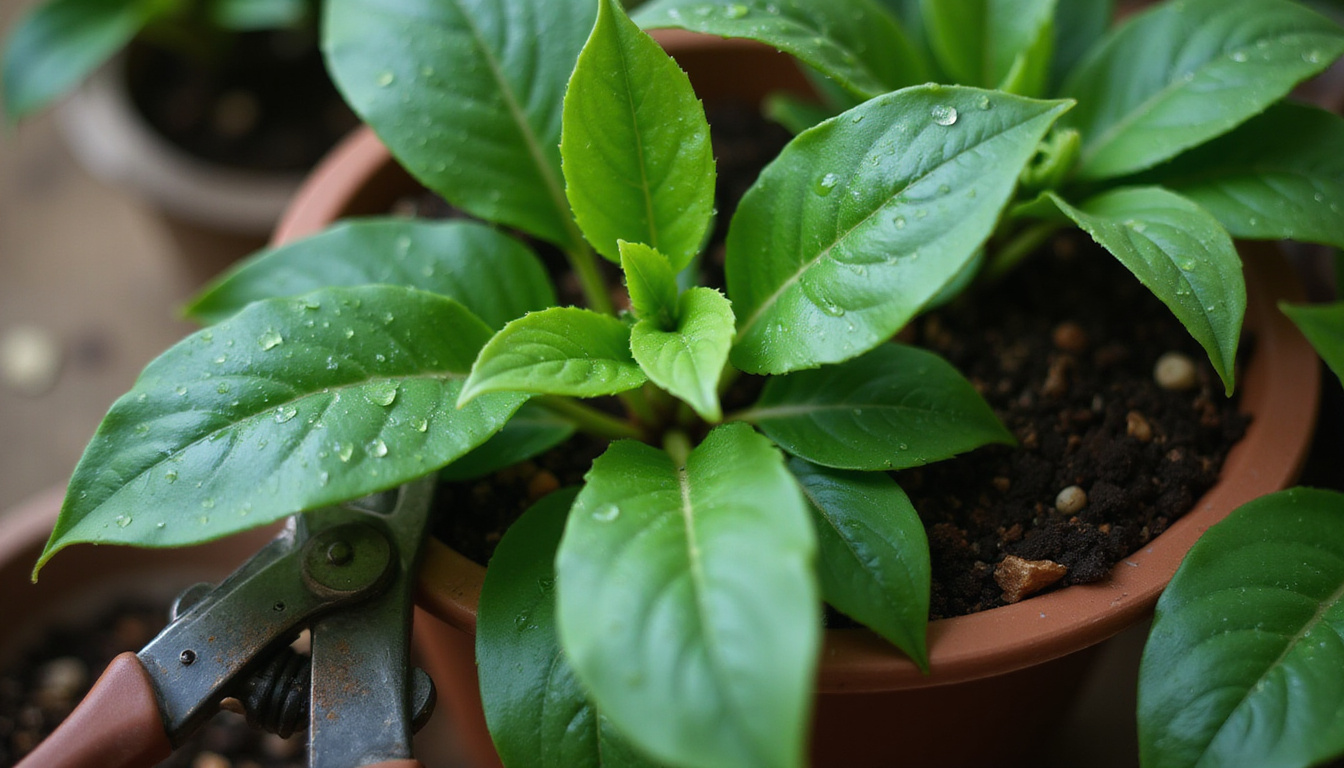
Choosing the right pot
- Always use containers with drainage holes.
- Start with a pot that’s 1–2 inches wider than the current root ball.
- Terracotta pots can help wick away excess moisture, which is useful if you tend to overwater.
Repot every 2–3 years, or when roots circle the pot or emerge from the drainage holes.
Fertilizing Ti Plants for Bold Color
Nutrients help sustain vivid foliage and steady growth.
When and how to fertilize
During active growth (spring and summer):
- Feed every 4–6 weeks with a balanced, water‑soluble houseplant fertilizer, diluted to half strength.
In fall and winter:
- Reduce feeding to every 8–10 weeks, or pause entirely if growth slows dramatically.
Preventing fertilizer burn
Because Ti plants are sensitive to salts:
- Never over‑fertilize
- Leach the soil every few months by watering thoroughly until water runs out of the drainage holes to flush built‑up salts
- Watch for brown leaf tips and edges that worsen after feeding—that can indicate fertilizer burn
Pruning and Shaping Your Ti Plant
Regular pruning keeps your Ti plant neat and encourages fresh growth.
How to prune a Ti plant
- Use clean, sharp scissors or pruners
- Remove yellow, brown, or damaged leaves at the base of the stem
- Trim overly long or leggy canes back to the desired height
New growth will often sprout from the node below the cut, creating a fuller appearance.
Encouraging bushy growth
If your Ti plant is getting tall and bare at the bottom:
- Cut a cane back by one‑third to one‑half
- Over time, new stems will emerge, filling out the plant
You can root the cut cane sections (see propagation below) to create new plants or thicken the original pot.
Propagating a Ti Plant: Easy New Starts
Ti plant is simple to propagate, especially from stem cuttings.
1. Stem cuttings (cane cuttings)
- Cut a healthy cane into 3–5 inch segments, each with at least one node.
- Let the cut ends air dry for a few hours.
- Place cuttings horizontally or vertically in moist potting mix, with nodes buried.
- Keep warm and evenly moist with bright, indirect light.
- New shoots usually appear in a few weeks.
2. Top cuttings
- Cut the top 4–6 inches of a healthy stem with several leaves.
- Remove lower leaves, leaving a bare stem section at the bottom.
- Place in water or directly into moist potting mix.
- If rooting in water, change water weekly and pot up when roots are a few inches long.
Propagation is a great way to rescue a leggy Ti plant and create multiple new plants from one original specimen.
Common Ti Plant Problems and Solutions
Even well‑cared‑for Ti plants can run into issues. Most are easy to fix once you know what to look for.
Brown leaf tips and edges
Possible causes:
- Low humidity
- Fluoride or chlorine in tap water
- Excess fertilizer salts
Solutions:
- Switch to filtered or distilled water
- Boost humidity with a humidifier or pebble tray
- Flush the potting mix with plain water and reduce fertilizer frequency
Yellow leaves
- Old lower leaves yellowing: Normal aging. Trim them off.
- Many leaves yellowing at once: Could be overwatering, poor drainage, or sudden temperature stress.
Check the soil: if it’s soggy, allow it to dry more between waterings and improve drainage.
Leaf drop or color fading
- Often a sign of insufficient light.
- Move closer to a brighter window or add a grow light.
- Ensure you’re not underwatering; prolonged dryness can also cause leaf drop.
Inspect your Ti plant weekly so you can catch pests early.
Indoor vs. Outdoor Ti Plant Care
In warm climates (USDA zones 10–12), Ti plants can grow outdoors in the ground or containers. Indoors, they need controlled conditions to thrive.
Indoors:
- Consistent temperatures
- Protection from intense midday sun
- Close monitoring of humidity and water quality
Outdoors (in suitable climates):
- Partial shade to bright, filtered light
- Well‑draining soil
- Protection from strong winds and cold snaps
If you move your Ti plant outdoors for summer, acclimate it gradually to brighter light to prevent sunburn, and bring it back indoors before temperatures drop below 60°F (15°C) (source: University of Florida IFAS Extension).
Quick Ti Plant Care Checklist
Use this summary to keep your Ti plant on track:
- Light: Bright, indirect; avoid harsh midday sun.
- Water: When top 1–2" of soil are dry; never let it stay soggy.
- Water type: Filtered, distilled, or rainwater preferred.
- Temperature: 65–85°F (18–29°C); no drafts.
- Humidity: Moderate–high; aim for ~50–60%.
- Soil: Well‑draining, airy potting mix.
- Fertilizer: Balanced, diluted fertilizer every 4–6 weeks in spring/summer.
- Pruning: Remove old leaves; trim canes to shape and encourage new growth.
- Pests: Check regularly; treat early with washing and neem/insecticidal soap.
FAQ About Ti Plant Care
How do you care for a Ti leaf plant indoors?
To care for a Ti leaf plant indoors, place it in bright, indirect light, water when the top inch of soil is dry, and use filtered or distilled water to prevent leaf burn. Maintain warm temperatures and higher humidity, feed lightly during the growing season, and prune off yellow or brown leaves to keep it looking fresh.
Why are the leaves on my Cordyline Ti plant turning brown?
Brown leaves on a Cordyline Ti plant usually indicate low humidity, poor water quality (fluoride/chlorine), excess fertilizer, or inconsistent watering. Improve humidity, switch to cleaner water, flush the soil, and adjust your watering schedule so the soil stays lightly moist but never waterlogged.
Can a Hawaiian Ti plant grow in low light?
A Hawaiian Ti plant can survive in medium light but will struggle in true low light. In dim conditions, growth slows and leaf colors fade or revert to green. For best color and vigor, provide bright, indirect light or supplement with a grow light.
A vividly colored Ti plant can transform your indoor space, but it needs the right balance of light, water, humidity, and nutrients to truly shine. With the care strategies in this guide, you can keep your Ti plant healthy, lush, and brightly colored all year long.
If you’re ready to level up your indoor jungle, start by dialing in the light and water routine for your Ti plant this week—then add one improvement (better water, higher humidity, fresh soil, or pruning) next. Step by step, you’ll see richer color, new growth, and a striking tropical centerpiece you can be proud of.
Throughout history, many plants and herbs have been associated with luck, protection, and prosperity. To explore their deeper spiritual, psychological, and scientific significance, visit SpiritualMindScience.com.