Therianthropy is an ancient idea living a very modern life. Once rooted in myths of shapeshifters and animal gods, it’s now also used by real people describing a deeply felt connection to non-human animals as part of their identity. Whether you’ve stumbled across “therian TikTok,” read about werewolves in folklore, or are questioning your own sense of self, understanding therianthropy means looking at myth, psychology, and community all at once.
What Is Therianthropy?
At its broadest, therianthropy is the concept of humans and animals sharing forms, traits, or identity. Historically, the term described shapeshifting in mythology and religion—humans turning into animals and back again.
In modern usage, it has two main meanings:
- Mythological therianthropy – stories, beliefs, and art in which humans transform into animals or exist as human–animal hybrids.
- Identity-based therianthropy – a contemporary subculture and experience where people (called therians or therianthropes) identify on a deep, intrinsic level as one or more non-human animals, usually on a spiritual, psychological, or metaphysical level.
Importantly, modern therianthropy is about identity, not delusion:
- Therians generally know they have human bodies.
- They don’t claim physical shapeshifting.
- Their identity is about who they feel they are inside rather than what their body can do.
Ancient Roots: Shapeshifters, Gods, and Animal-Humans
Long before there were online therian communities, humans told stories about people and animals crossing boundaries. Mythological therianthropy appears all over the world.
Therianthropy in Myth and Religion
Some examples:
- Ancient Egypt – Deities like Anubis (jackal-headed), Horus (falcon-headed), and Bastet (cat-headed) show humans and animals combined into single beings.
- Greek mythology – Zeus turned into a swan and a bull; Lycaon was transformed into a wolf. These are early “werewolf” motifs.
- Norse tradition – Berserkers were warriors said to fight in a trance-like animal fury, sometimes described as wolf or bear-like.
- Indigenous cultures – Many First Nations and other Indigenous traditions include animal spirits, totems, and stories of people taking on animal forms or qualities.
In many of these traditions, therianthropy is:
- A sign of divine power.
- A punishment or curse.
- A metaphor for inner qualities (bravery, cunning, wildness, protection).
Anthropologists often see these stories as a way of exploring what makes us human, and where we overlap with the animals we’ve lived alongside for thousands of years (source: Encyclopedia Britannica – Therianthropy).
From Folklore to Identity: Modern Therianthropy
Around the late 20th century, therianthropy started to develop a new meaning in online spaces. People began using the term to describe a personal identity as a non-human animal.
Who Are Therians?
Modern therians are people who:
- Feel an inner identity that is partially or entirely a specific animal (their theriotype).
- Experience their animal side psychologically, spiritually, or both.
- Often describe this identity as inborn or discovered rather than “chosen” like a hobby.
Common theriotypes include wolves, cats, foxes, birds, big cats, and prey animals like deer or rabbits, but almost any real-world species is possible.
A therian might say:
- “I’m human, but I’m also a wolf at heart.”
- “My therianthropy is feline; I feel like a big cat internally.”
- “I experience my life through a fox’s instincts and reactions.”
Therianthropy vs. Furries and Otherkin
These terms often get mixed up, but they’re not the same:
- Therians – Identify as a non-human animal of this Earth (e.g., wolf, horse, crow), on a deep level.
- Otherkin – Identify as non-human beings that are not typical animals: dragons, elves, angels, fictional species, etc.
- Furries – Enjoy anthropomorphic animal art, roleplay, and community. Some furries also identify as therians or otherkin, but many just like the culture and aesthetics.
In short:
- All therians are people with a non-human animal identity.
- Not all therians are furries.
- Not all non-human-identified people are therians.
Lived Experience: How Therianthropy Can Feel
While everyone’s experience is personal, some common themes show up in therianthrope communities.
Shifts: When the Animal Side Feels Strongest
Many therians describe periods called “shifts,” in which their animal identity feels especially prominent. These are not physical transformations, but changes in perception, mood, or instinct.
Types of shifts often mentioned include:
- Mental shifts – Your mindset changes; you think, react, and feel more like your theriotype. A wolf therian might feel territorial, pack-oriented, or hyper-alert.
- Phantom shifts – Sensations of having animal features (tail, ears, wings, claws) that aren’t physically there, similar to phantom limb experiences.
- Sensory shifts – Heightened attention to smells, sounds, body positioning, or movement patterns that feel “animal.”
- Dream shifts – Repeated dreams where you inhabit a fully animal body and perspective.
A shift can be mild and background or intense and absorbing. Some therians find them soothing or affirming; others find them distracting if they happen during stressful times.
Everyday Life as a Therian
For many, therianthropy is a quiet, internal part of life:
- Feeling more emotionally connected to animals than to most people.
- Preferring to move, rest, or interact in ways that feel “species-typical” (pacing, curling up, seeking certain environments).
- Interpreting experiences through the lens of their animal’s instincts—e.g., scanning a room like prey or a predator might.
Some express their identity outwardly through:
- Art, writing, or music.
- Jewelry or clothing with their species symbol.
- Roleplay in safe, consensual settings.
- Meditation or spiritual practice centered on their animal side.
Most still work, study, and live as humans; therianthropy just adds a different layer of self-understanding.
Psychological, Spiritual, or Both? Interpreting Therianthropy
There is no single agreed explanation for why therianthropy exists, and people within the community hold different views.
Spiritual Interpretations
Some see therianthropy in spiritual terms:
- A past life as an animal.
- A soul that is partly or fully non-human.
- A strong bond with an animal spirit or guide.
- A reincarnation or soul-fragment belief.
For these therians, rituals, meditation, energy work, or religious practice may be central to their experience.
Psychological and Neurodiversity Perspectives
Others view therianthropy more psychologically:
- A framework to understand long-standing, intense identification with animals.
- A way to process personality traits that feel “animal-like.”
- A narrative that helps them cope with alienation or social disconnection.
Some therians are also neurodivergent (autistic, ADHD, etc.) and feel that therianthropy helps them articulate sensory experiences or social differences, though neurodivergence is not a requirement and doesn’t explain everyone’s experience.
Psychology has not extensively studied therianthropy; it is not listed as a mental disorder on its own. Problems arise only if someone:
- Loses touch with reality (e.g., truly believes they physically are a wolf).
- Experiences severe distress or impairment that needs professional support.
For many, it’s more like a deep, personal identity label—comparable to religious, cultural, or subcultural identities.
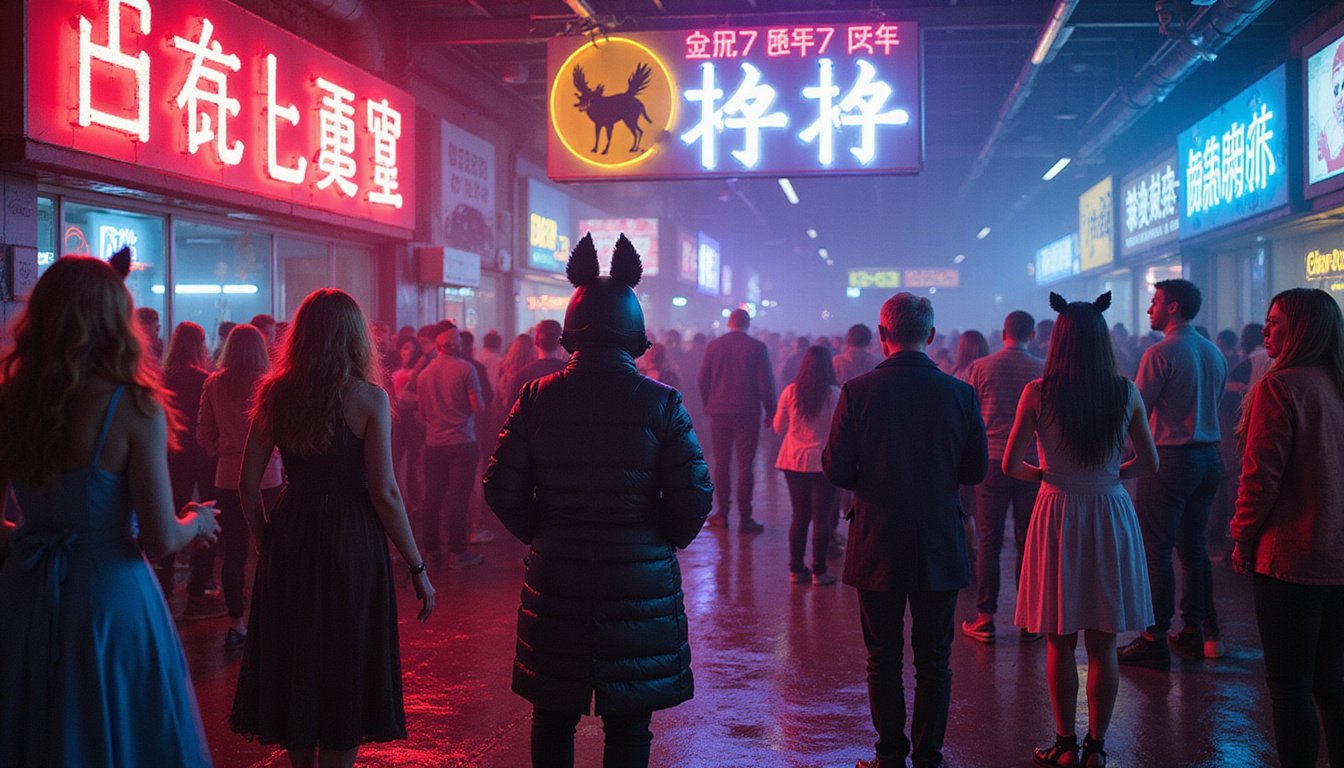
Therian Communities: From Forums to TikTok
Modern therianthropy came into wider awareness through the internet.
Early Online Spaces
In the 1990s and early 2000s, therians gathered on:
- Web forums and mailing lists.
- Niche websites and early blogs.
- Private chat rooms.
These spaces focused on:
- Defining terminology (theriotype, shifts, awakening).
- Sharing experiences and helping people discern whether they were truly therian.
- Encouraging critical thinking rather than fantasy.
Social Media and Public Visibility
Today, you’ll find therianthropes on:
- TikTok and YouTube (videos about shifts, daily life, Q&A).
- Discord servers and Reddit communities.
- Artist platforms sharing therian-inspired art.
Visibility has benefits and drawbacks:
Benefits:
- Easier to find community and not feel alone.
- More resources for questioning individuals.
- Greater normalization of diverse identities.
Drawbacks:
- Misrepresentation and sensationalism by outsiders.
- Confusion between roleplay, trends, and deeper lifelong identities.
- Harassment or bullying, especially of younger therians.
Long-term community members often encourage:
- Critical self-reflection (“Is this a phase, a coping mechanism, or something deeper?”).
- Keeping a balance between therian identity and real-world responsibilities.
- Healthy skepticism toward extreme or extraordinary claims.
Common Myths and Misconceptions About Therianthropy
Because the concept touches on myth and identity, it attracts misunderstanding. Here are some myths clarified:
-
“Therians think they can physically turn into animals.”
No. That’s fiction. Modern therianthropy is about internal identity, not physical shapeshifting. -
“Therianthropy is just a fandom or a costume hobby.”
While some therians also enjoy costumes or fandom spaces, the core of therianthropy is a deep-seated, often lifelong identity, not just aesthetics. -
“It’s automatically a mental illness.”
Identifying as a non-human animal is not, by itself, a diagnosis. Mental health concerns only arise if there’s distress, impairment, or a break from reality. Many therians lead stable lives. -
“It’s always sexual or fetish-based.”
For most, therianthropy is about identity, spirituality, or psychology. Sexualization is a separate topic and not representative of the community as a whole. -
“It’s only a teen phase or an internet trend.”
Some people will “try on” labels and later move on—that’s true in any subculture. But many adults report therian experiences stretching back into early childhood.
Curious About Therianthropy? Steps to Explore Safely
If you’re wondering whether therianthropy describes you—or you just want to learn respectfully—these steps can help:
-
Reflect on your history.
- Have you felt a persistent identification with a specific animal since childhood?
- Is it more than admiration or liking them?
-
Separate fantasy from identity.
- Do you just enjoy imagining yourself as an animal sometimes (as in daydreams or roleplay)?
- Or does a non-human identity feel integral to how you see yourself all the time?
-
Learn terminology and experiences.
- Read long-form accounts from experienced therians, not just viral clips.
- Familiarize yourself with concepts like theriotype, shifting, and awakening.
-
Observe over time.
- Keep a journal of shifts, dreams, and feelings for several months.
- See if patterns are stable and meaningful, or sporadic and trend-driven.
-
Be critical yet kind to yourself.
- It’s okay to decide the label doesn’t fit.
- It’s also okay if it does—labels are tools, not prisons.
-
Maintain grounding in reality.
- Recognize your human body and responsibilities.
- Seek mental health support if your experiences cause distress, confusion, or functional problems.
FAQ: Common Questions About Therianthropy
Q1: What does therianthropy mean in modern culture?
In modern culture, therianthropy refers both to shapeshifting in myth and to real people who identify internally as non-human animals. These individuals, called therians, experience a deep, often lifelong connection to a specific species that shapes how they think, feel, and see the world.
Q2: How do you know if you’re a therian or just really like an animal?
Liking or relating to an animal doesn’t automatically mean you’re experiencing therianthropy. Therians usually report a strong, persistent sense of being that animal in some internal way, not just admiring it. Time, self-reflection, and learning from other therianthropes’ experiences can help you decide which description fits best.
Q3: Is therianthropy the same as being spiritually animal-identified?
Spiritual animal identification is one form of therianthropy, but not the only one. Some therians see their identity as soul-based or tied to past lives or spirit guides. Others frame therianthropy as psychological or metaphorical. Both spiritual and non-spiritual interpretations exist within the broader therian community.
Final Thoughts: Understanding and Respecting Therianthropy
Therianthropy sits at the crossroads of myth, psychology, and community. From ancient tales of shapeshifters to modern forums and social media, it reflects an enduring human question: Where do we end, and where does “animal” begin?
If you’re exploring your own potential therian identity—or simply learning about others—approach the topic with curiosity, critical thinking, and respect. Read longer testimonies, engage in thoughtful discussion, and give yourself (and others) space to grow and change.
If this deeper look at therianthropy helped you, take the next step: seek out well-moderated therian communities, read first-hand accounts, and, if it feels right, share your own questions or experiences. By participating thoughtfully, you not only clarify your own understanding, you also help build a more informed, compassionate conversation around what it means to be human—and a little bit more than human, too.
Animals have inspired symbols and beliefs across cultures for centuries. Discover how these traditions connect with psychology, spirituality, and human consciousness at SpiritualMindScience.com.