Spirit possession is one of those topics that sits right at the edge of fear, faith, and curiosity. For some, spirit possession is a matter of religious belief; for others it’s a psychological or cultural phenomenon. Whatever your perspective, stories of unseen forces influencing people’s lives have existed for thousands of years in almost every culture on earth.
This guide walks through potential signs, real-world cases, and practical protection tips so you can think about the topic with both open-mindedness and discernment.
What is spirit possession, really?
At its simplest, spirit possession is the belief or perception that an external spiritual entity—often described as a spirit, demon, ancestor, or deity—has entered, influenced, or taken control of a person’s body, mind, or behavior.
Across the world, there are a few major ways people understand it:
- Religious/spiritual view: Certain spirits (good or evil) can temporarily or permanently influence humans. Rituals, prayers, or exorcisms are used to remove or appease them.
- Anthropological view: Possession is seen as a cultural expression, sometimes offering social roles (like trance mediums, shamans, or oracle priests).
- Psychological view: What’s called spirit possession might sometimes overlap with dissociation, trauma responses, or specific mental health conditions.
The reality is often complex: what appears as possession to one person might be interpreted as a psychological crisis—or a sacred spiritual experience—to another.
Common signs people associate with spirit possession
No single sign “proves” spirit possession. Many of these can be explained by medical or psychological reasons. But these are the patterns most often reported in religious and spiritual contexts.
1. Sudden, dramatic personality changes
People close to the person notice behavior that’s radically out of character, such as:
- Extreme agitation or aggression in someone usually calm
- Unusual sexual behavior or language
- Marked changes in moral attitudes (e.g., cruelty, contempt for loved ones)
- Shifts in voice, posture, and facial expressions that feel “like another person”
These changes might come in episodes or “states,” sometimes leaving the person with partial or no memory afterwards.
2. Altered voice, language, or mannerisms
Many possession accounts describe:
- Voice changing pitch, tone, or accent
- Speaking languages or phrases the person supposedly doesn’t know
- Using archaic or religious terms out of context
- Mannerisms that appear age-inappropriate (e.g., childlike in an adult, or vice versa)
Some religious traditions regard this as a key indicator that another intelligence is speaking “through” the person.
3. Strong aversion to the sacred
In faith-based contexts, a classic theme is the person reacting violently or with intense discomfort to spiritual items or practices such as:
- Religious symbols (crosses, icons, statues, amulets)
- Sacred texts or prayers
- Holy water, incense, or ritual tools
- Entering a place of worship or participating in holy days
This aversion can show up as anger, nausea, panic, or sudden physical reactions when there’s no obvious reason.
4. Unusual physical reactions or strength
Accounts from exorcists and healers often describe:
- Unexpected bursts of strength in smaller or physically weak individuals
- Contorted postures or movements they don’t normally display
- Unexplained bruises or marks (though these can have many mundane causes)
- Temporary changes in facial features that seem “not like them”
Again, some of this can overlap with known conditions like seizures or panic attacks, which is why careful differential diagnosis is crucial.
5. Persistent intrusive thoughts and urges
Some people experiencing possible spirit possession report:
- Hearing internal “voices” with a distinct personality or will
- Thoughts that feel alien or imposed, especially violent or self-destructive impulses
- Urges to harm themselves or others that clash strongly with their usual values
In psychological terms, this might resemble certain psychotic, dissociative, or obsessive-compulsive symptoms. In spiritual frameworks, it may be seen as the influence of a negative entity.
Famous cases and intriguing true stories
Real-life stories about spirit possession range from well-documented cases to local legends. Here are a few broadly known examples and how different communities interpreted them.
The “Exorcist” inspiration: Roland Doe
One of the most famous modern possession stories is that of “Roland Doe,” a pseudonym for a boy from Maryland in the late 1940s. His case reportedly involved:
- Objects moving on their own
- Scratches appearing on his body
- Speaking in Latin phrases
- Violent reactions to religious items
Catholic priests performed a series of exorcism rituals. The case became the loose inspiration for the novel and movie The Exorcist. Scholars and skeptics point out psychological explanations, but for believers, Roland Doe remains a striking example of spirit possession (source: Smithsonian Magazine).
The Tanacu exorcism in Romania
In 2005, a Romanian nun named Maricica Irina Cornici died during an exorcism led by an Orthodox priest. She reportedly exhibited strange behavior, including hallucinations and agitation. The priest believed she was possessed; medical staff suggested she had schizophrenia.
The tragic outcome—Cornici died after being bound and subjected to harsh rituals—highlighted the dangers of misdiagnosing mental illness as spirit possession. Several people were sentenced to prison.
Cultural possession rituals: not always negative
Not all spirit possession stories are about torment. In many cultures, spirit possession is:
- Invited during rituals (e.g., Vodou ceremonies, Candomblé, some forms of shamanism).
- Respected as a sign the gods, ancestors, or spirits are present.
- Socially important, guiding community decisions, healing, or prophecy.
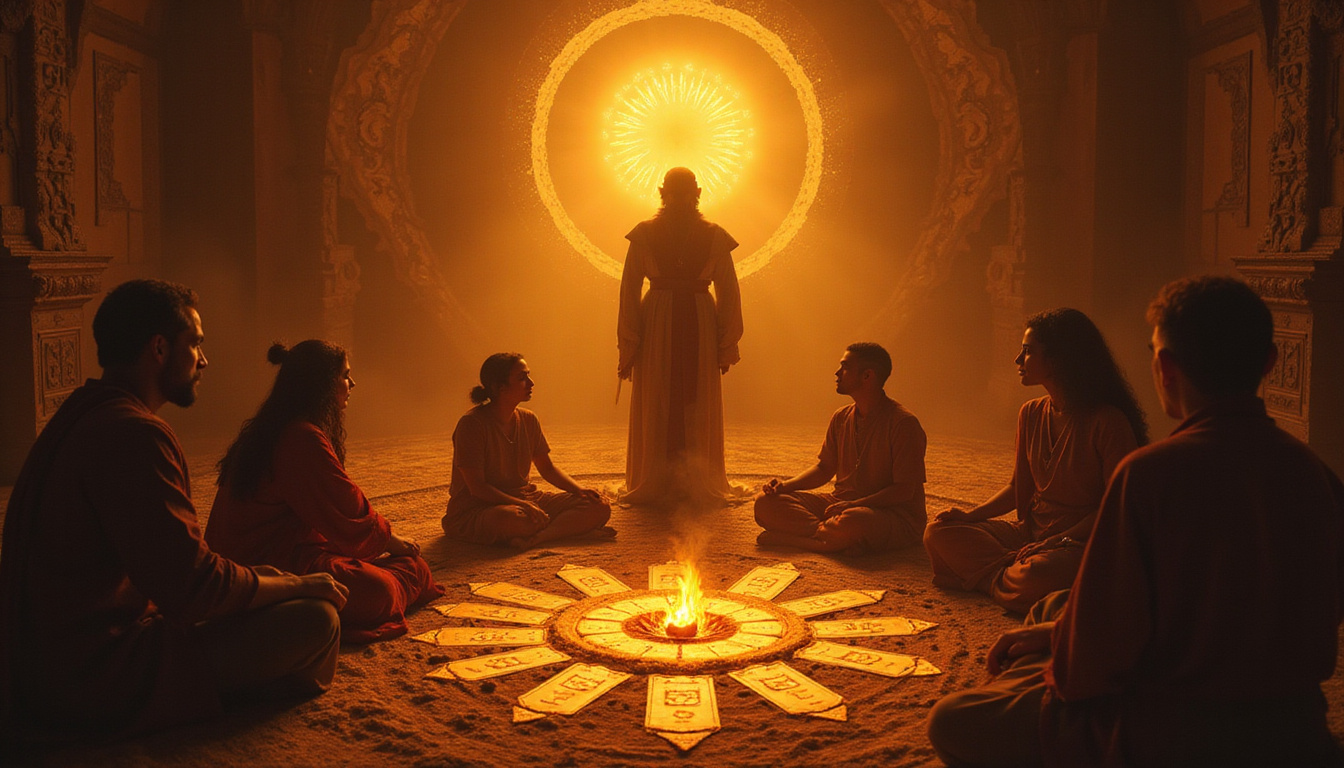
In these contexts, the “possessed” person serves as a bridge between the human and spiritual worlds. What looks frightening or pathological from the outside can be meaningful and empowering inside the culture.
Spirit possession vs mental illness: an important distinction
Before concluding that spirit possession is involved, it’s critical to consider mental and physical health conditions. Many symptoms often described in possession cases overlap with:
- Epilepsy and seizure disorders
- Schizophrenia or schizoaffective disorder
- Dissociative identity disorder (DID)
- Severe depression, bipolar disorder, or psychotic episodes
- Substance-induced psychosis
- Certain neurological or autoimmune conditions
Modern medical and psychological evaluation should be the first step when someone shows sudden personality changes, hallucinations, violent behavior, or self-harm risk. In fact, the World Health Organization notes that cultural beliefs—including possession—shape how people experience and explain mental distress (source: WHO – Mental Health).
A balanced approach:
- Rule out medical emergencies (e.g., seizures, intoxication).
- Get mental health support from a qualified professional.
- Then, if the person wishes and health professionals agree it’s safe, explore spiritual or religious support.
Responsible religious practitioners often insist on medical clearance before attempting an exorcism or similar ritual.
How different traditions approach spirit possession
Spirit possession appears in virtually all major religions and many indigenous spiritual systems, but interpretations differ.
Christian perspectives
In many Christian denominations, especially Catholic, Orthodox, and some Protestant traditions, evil spirit possession is considered real. Typical responses include:
- Formal exorcism (rare, regulated in the Catholic Church)
- Deliverance prayers or ministry
- Confession, sacraments, and spiritual counseling
- Fasting and prayer communities supporting the afflicted
The focus is on the power of Christ to expel unwanted spirits and restore the person’s freedom.
Islamic perspectives
In Islamic contexts, some forms of spirit possession are attributed to jinn, beings mentioned in the Qur’an. Practices to address this may include:
- Recitation of Qur’anic verses (e.g., Surah Al-Baqarah, Ayat al-Kursi)
- Ruqya (spiritual healing using specific prayers and supplications)
- Lifestyle changes (avoiding major sins, strengthening faith)
Qualified scholars often emphasize combining spiritual treatment with professional medical care.
Indigenous and shamanic traditions
Many indigenous and shamanic traditions view spirit possession or trance states as a core part of healing and guidance. Examples include:
- Shamans entering altered states to communicate with spirits
- Mediums allowing ancestral spirits to “speak through” them
- Ritual dances and drumming that invite spiritual presence
Here, spirit possession isn’t necessarily a problem; it’s a role and responsibility managed with training and ritual.
Protection tips: spiritual and practical
If the idea of spirit possession worries you—or you feel spiritually sensitive—you can take steps to feel more grounded, protected, and empowered.
1. Strengthen your spiritual hygiene
Similar to physical hygiene, spiritual hygiene is about what you regularly “take in” and how you keep your inner world clear.
- Maintain a regular spiritual practice (prayer, meditation, scripture, mantra).
- Avoid dabbling in spiritual practices you don’t understand (unfamiliar rituals, summoning, ouija boards).
- Set clear intentions: before any practice, mentally affirm you only welcome what is for your highest good.
2. Set boundaries—energetic and emotional
People who feel vulnerable to spirit possession often also struggle with personal boundaries.
- Learn to say no to unhealthy relationships or manipulative people.
- Limit time in highly chaotic, negative environments when possible.
- Visualize a protective “bubble” of light or energy around you; this simple technique is used in many traditions.
3. Grounding and centering techniques
Grounding keeps you present in your body and environment, which can reduce feelings of being overwhelmed or “taken over.”
Try:
- Deep breathing exercises (4–7–8 breathing, box breathing)
- Walking barefoot on natural ground (where safe)
- Mindful movement: yoga, tai chi, or slow stretching
- Focusing on your senses: what you see, hear, feel, taste, smell right now
4. Cleanse your space
Many cultures use physical actions to symbolize and support spiritual clearing:
- Burning incense, sage, palo santo, or resins (respect cultural origins and safety).
- Sprinkling blessed water or salt around doors and windows.
- Playing sacred music or chanting.
- Regularly decluttering and cleaning your living space.
The key element is your intention to remove heavy or unwanted energy and invite peace.
5. Seek trustworthy support
If you or someone you care about fears spirit possession:
-
Start with a health evaluation.
- See a doctor or mental health professional, especially if there are sudden changes, hallucinations, or self-harm risk.
-
Consult a reputable spiritual leader.
- Look for someone recognized in your community with a track record of compassion and caution.
- Avoid anyone who uses fear, demands large sums of money, or isolates you from family and friends.
-
Stay involved and informed.
- If a loved one is undergoing spiritual rituals, ensure they’re safe, consenting, and that no physical harm is involved.
What to do if you suspect spirit possession
If you or someone you know might be experiencing something like spirit possession, consider these steps:
-
Observe and document.
- Note when episodes happen, what triggers them, and what helps. This is useful for both doctors and spiritual helpers.
-
Rule out emergencies.
- If there’s violence, severe disorientation, or risk of self-harm, contact emergency services.
-
Get a full check-up.
- Medical tests and a mental health assessment can uncover treatable conditions.
-
Respect the person’s beliefs.
- Even if you’re skeptical, acknowledge how real and distressing their experience feels.
-
Blend approaches if appropriate.
- Some people find the best results combining therapy, medication if needed, and faith-based support.
Remember: feeling out of control or “not yourself” is a sign to seek help—whatever the ultimate cause.
FAQ about spirit possession and spiritual influence
Q1: What are early signs of spirit attachment or mild possession?
Early reports often include recurring nightmares, intense mood swings, feeling “watched,” unexplained fatigue, or a sudden fascination with dark or destructive themes. These, however, can also signal stress, trauma, or mental health issues, so a balanced evaluation is essential before labeling it spirit possession.
Q2: Can spirit possession happen to anyone, or only to the spiritually weak?
Traditions differ. Some say anyone can experience spiritual influence under certain conditions (trauma, substance abuse, ritual invitations), while others believe strong faith and ethical living offer protection. From a psychological view, factors like trauma history or high suggestibility may make some people more prone to experiences interpreted as spiritual possession.
Q3: How do you safely remove negative spiritual influences without an exorcist?
Many people focus on self-guided strategies instead of formal exorcism: consistent prayer or meditation, confession or journaling, breaking toxic habits, cleansing rituals in the home, and surrounding themselves with supportive, grounded people. For persistent problems, they may seek both counseling and guidance from a trained religious or spiritual leader who understands the difference between mental illness and spirit possession.
Spirit possession is a powerful idea because it touches our deepest fears and beliefs about what controls our lives. Whether you see it as a literal spiritual reality, a cultural lens on mental distress, or a mix of both, you don’t have to face these questions alone.
If you’re grappling with experiences that feel beyond your control—disturbing thoughts, unexplained episodes, or a sense of spiritual oppression—take the next step today. Reach out to a trusted healthcare professional, connect with a reputable spiritual leader in your tradition, and start building daily practices that strengthen your mind, body, and spirit. You deserve clarity, safety, and support as you navigate the mysteries of spirit possession and reclaim your sense of peace.
Cultural superstitions have shaped traditions and beliefs for generations. Explore the psychology, cultural history, and science behind these fascinating practices at SpiritualMindScience.com.