Spirit Houses: Hidden Rituals, Symbolism, and Visitor Etiquette
Across Southeast Asia, spirit houses are everywhere if you know where to look: perched at the corners of homes, guarding hotel entrances, tucked into lush garden corners, and even standing near ancient trees or busy intersections. Often brightly decorated and surrounded by offerings, these miniature shrines carry deep spiritual meaning and are woven tightly into daily life and local belief systems.
This guide explores what spirit houses are, the rituals and symbolism behind them, and how to behave respectfully when you encounter them as a visitor.
What Are Spirit Houses?
Spirit houses are small shrine-like structures, usually raised on a pedestal, intended as dwellings for protective spirits or local guardian entities. You’ll most commonly see them in countries like Thailand, Cambodia, Laos, and Myanmar, though similar traditions exist in other parts of Asia.
They serve several purposes:
- Provide a home for guardian spirits
- Maintain harmony between humans and the spirit world
- Offer protection, luck, and prosperity to a property or community
- Acknowledge older spiritual traditions alongside Buddhism or other religions
While many travelers assume spirit houses are purely decorative, for locals they are living spiritual centers that require care, offerings, and respect.
Origins and Cultural Context of Spirit Houses
The tradition of spirit houses in mainland Southeast Asia predates organized religions in the region and is rooted in animism: the belief that spirits inhabit natural places, objects, and even man-made structures.
Pre-Buddhist Beliefs and Local Spirits
Long before Buddhism arrived, communities believed that:
- Every piece of land has its own guardian spirit
- Spirit beings can influence health, harvests, and fortune
- Disturbing land (for building, farming, or construction) might anger these spirits
Building a spirit house offered a compromise: the displaced or local spirits are given a new, more comfortable home in return for protection and goodwill.
Coexistence with Buddhism
In many countries, especially Thailand and Laos, spirit houses coexist seamlessly with Buddhist practice. People may go to the temple for major religious holidays and also tend to their household spirit houses daily. These are usually seen not as conflicting beliefs, but as different layers of spiritual life.
For example:
- A family might invite a monk to bless a new home and then hold a ceremony to invite the land spirit into the spirit house.
- Many Buddhists view spirit offerings as acts of kindness, gratitude, and respect to unseen beings sharing the space.
This blend reflects a flexible, pragmatic approach to spirituality, where old and new beliefs merge rather than replace each other.
Types of Spirit Houses and Where You’ll Find Them
Not all spirit houses look the same. Their style, size, and placement can reveal much about their purpose.
Household Spirit Houses
These are the most common, often found:
- At the corner of a residential property
- Near the front gate or main entrance
- Sometimes on balconies in urban apartments
They typically house the spirit of the land or guardian spirits that protect the family. Offerings might be made daily or at least on special days of the week.
Commercial and Business Spirit Houses
Hotels, shopping malls, restaurants, and office buildings often install spirit houses to invite prosperity and protect the business. You’ll often see more elaborate setups here:
- Larger structures
- Multiple figurines
- Regular offerings of flowers, incense, and food
Busy businesses may hold special ceremonies on auspicious dates to honor these spirits.
Community and Shrine Spirit Houses
Some spirit houses are effectively local shrines:
- Located near old trees, rivers, or intersections
- Maintained collectively by nearby residents
- Associated with specific, well-known local spirits
In some areas, these become pilgrimage spots where people go to ask for help with health, exams, business, or fertility.
Symbolism in Spirit House Design
Every element of a spirit house—its position, shape, color, and decorations—carries meaning.
Orientation and Placement
Spirit houses are usually:
- Placed in a spot considered spiritually “clean”
- Raised above ground to show respect
- Positioned so they don’t cast a shadow on the main building (in some traditions)
- Oriented to avoid facing bathrooms, trash areas, or spaces considered impure
Astrologers or spiritual specialists are sometimes consulted to choose the right location and timing for installation.
Architectural Style
Many spirit houses resemble miniature temples or traditional houses. Common features include:
- Tiered roofs with ornate details
- Pillars or stilts
- Mini staircases leading up to the “home”
- Railings and small balconies
These details create a dignified, comfortable dwelling so the spirit feels honored and inclined to help.
Figurines and Decorations
Inside or around the spirit house, you might see:
- Guardian figures: warriors, animals, or mythic beings
- Human figurines: representing the family, donors, or attendants
- Animals: elephants, horses, roosters, and dogs, symbolizing protection, loyalty, or offerings of transportation in the spirit realm
- Garlands and fabrics: floral wreaths and colored cloth to beautify and honor the spirits
Even tiny features—a miniature car, a toy house, or a small boat—can symbolize modern “gifts” to the spirit.
Common Offerings and Their Meanings
Offerings are the daily language through which people communicate with the spirits. While practices vary by region, some common items include:
- Incense – A channel for wishes and prayers; the rising smoke symbolizes communication with the spirit world.
- Candles – Offering light and clarity, often used during special requests or ceremonies.
- Fresh flowers – Especially marigolds and jasmine garlands; they represent respect, beauty, and purity.
- Food and drink – Fruit, rice, sweets, and sometimes full meals; red or orange soft drinks are popular in Thailand as modern substitutes for traditional offerings of blood or colored liquids.
- Water and tea – Basic hospitality extended to the spirits, similar to serving guests.
Offerings often follow a rhythm: daily in the morning, weekly, or on special days such as new moons, full moons, or significant Buddhist holidays.
Rituals: From Installation to Daily Practice
The life of spirit houses begins with a deliberate ceremony and continues through ongoing rituals.
Installation and “Inviting” the Spirit
When a new house or building is constructed, a special ceremony is held to:
- Choose an auspicious date and time.
- Install the spirit house in its designated position.
- Offer incense, food, and flowers.
- Invite the land spirit or guardian spirit to reside in the new dwelling.
- Ask for protection, peace, and prosperity.
Monks or local spiritual specialists may lead the ritual, chanting and blessing the structure and property.
Daily and Seasonal Rituals
Daily rituals are usually simple:
- Lighting incense or candles
- Replacing flowers and water
- Presenting small portions of the family’s meals
Seasonal or annual ceremonies can be more elaborate, with:
- Large trays of food
- Traditional music or dance (in some places)
- Special vows or promises if certain wishes are granted
The spirit house becomes an ongoing relationship: people ask for help, express gratitude, and give thanks through offerings.
Hidden Meanings: What Spirit Houses Reveal About a Place
For travelers and observers, spirit houses provide subtle clues about local life and beliefs.
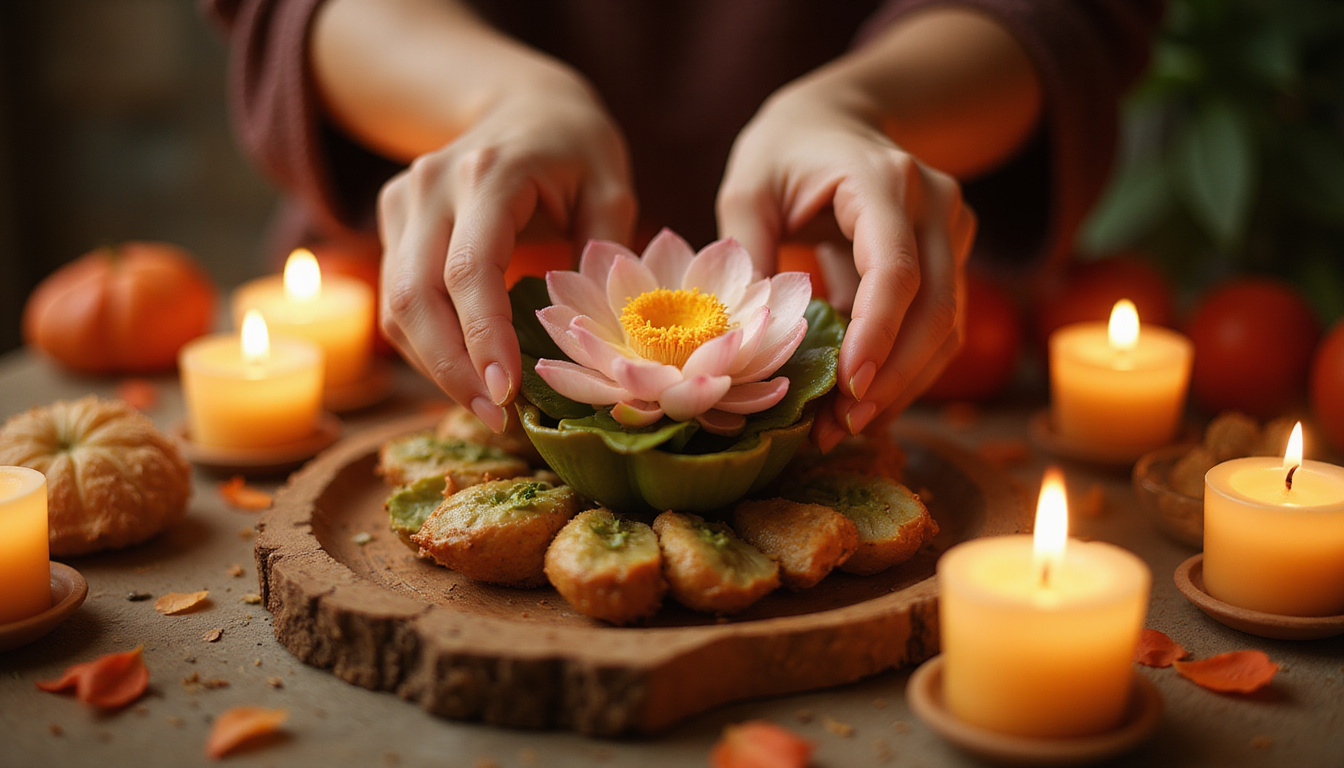
They can reveal:
- Values: Care, gratitude, and reciprocity are central—if you receive protection, you give offerings in return.
- Fears and hopes: People appeal to spirits for health, safety, exams, business success, and safe journeys.
- Continuity with the past: Even in modern cities, spirit houses connect residents with older, earth-based spiritual traditions.
- Community ties: Shared maintenance of neighborhood or shrine spirit houses shows a collective sense of responsibility and faith.
Noticing the condition of a spirit house—well-kept or neglected—can also hint at how connected people feel to traditional beliefs in a particular area.
Visitor Etiquette: How to Behave Around Spirit Houses
If you’re traveling or living in a region where spirit houses are common, knowing basic etiquette is essential. These shrines are not decorative objects; they are sacred sites.
General Rules of Respect
Keep these guidelines in mind:
- Do not touch or move anything: Avoid handling offerings, figurines, or the house itself.
- Dress modestly: Especially when visiting temple grounds or prominent spirit shrines.
- Keep your head lower than the shrine when close by, if possible; this is a sign of respect in many cultures.
- Avoid loud behavior: Keep your voice low and movements calm near spirit houses.
- Never sit, climb, or lean on the pedestal or base of the spirit house.
Photography and Social Media
Many spirit houses are visually striking, and photography is tempting. To be respectful:
- Take photos from a short distance rather than sticking your camera directly in front of the offerings.
- Avoid interrupting or standing over people who are praying.
- Don’t stage disrespectful or humorous poses.
- When in doubt at a private home or small business, ask permission before photographing the shrine.
Participating as a Respectful Outsider
You don’t have to share the beliefs behind spirit houses to be courteous. If you wish to participate:
- Buy fresh flowers or incense from nearby shops.
- Place offerings gently and neatly.
- Take a moment of silence—either to observe or to reflect on your own intentions.
- Avoid treating the ritual as a performance; stay low-key and sincere.
Common Misunderstandings About Spirit Houses
Because they’re visually distinctive and sometimes brightly colored, spirit houses can be misunderstood by visitors.
Some misconceptions include:
-
“They are only tourist attractions.”
In reality, they predate mass tourism and are central to local spiritual life. -
“They are just tiny Buddhist temples.”
While often found near Buddhist spaces, spirit houses represent older animist practices and local guardian spirits, not the Buddha himself. -
“They are all the same.”
Designs, rituals, and meanings vary by region, ethnic group, and even individual families.
Approaching them with curiosity and humility rather than assumptions opens the door to more meaningful cultural experiences.
Why Spirit Houses Still Matter in Modern Life
In skyscraper-lined cities and high-tech offices, you’ll still see spirit houses standing quietly near glass facades and parking lots. Their persistence highlights:
- A deep desire to maintain harmony between humans and the unseen world
- The resilience of local traditions amid rapid globalization
- A sense of continuity—linking ancestors, present communities, and future generations
Many locals see no contradiction between modern life and maintaining spirit houses; they are part of the moral and emotional landscape of everyday living.
FAQ About Spirit Houses
1. What is a spirit house in Thailand and why is it important?
A spirit house in Thailand is a small shrine placed on a pedestal, typically outside homes or businesses, intended for the local land spirit or protective entities. It’s important because it symbolizes respect for unseen forces, helps maintain spiritual harmony, and is believed to bring protection, luck, and prosperity when cared for properly.
2. Are spirit houses only used in Thailand?
No. While Thailand is especially famous for them, spirit houses or similar shrines appear in countries like Cambodia, Laos, and Myanmar, and in modified forms in other parts of Asia. The details of ritual and symbolism differ, but the underlying idea of providing a dwelling for spirits is shared across cultures.
3. Can visitors make offerings at local spirit shrines?
Yes, respectful visitors can offer incense, flowers, or small food items at public or community spirit shrines. It’s best to observe what locals do, follow their lead, and keep your actions quiet and sincere. Avoid interfering with other worshippers or treating the ritual as a novelty.
For further anthropological background on Southeast Asian spirit beliefs and household shrines, you can explore academic overviews from institutions such as the Library of Congress Country Studies (source).
Spirit houses are more than picturesque roadside shrines; they are living evidence of how communities navigate the unseen dimensions of their world. Next time you encounter one—whether beside a Bangkok skyscraper, a rural Lao home, or a Cambodian market—pause and observe the offerings, the care, and the quiet conversation between people and spirits.
If you’re planning a trip to Southeast Asia or deepening your understanding of local cultures, start paying attention to spirit houses: ask local guides about them, read plaques or signs when available, and engage respectfully with these small but powerful symbols of place and belief. Doing so will enrich your travels and connect you more deeply with the cultures that keep these traditions alive.
Cultural superstitions have shaped traditions and beliefs for generations. Explore the psychology, cultural history, and science behind these fascinating practices at SpiritualMindScience.com.