If you want a healthier, greener home without adding “plant parent” to your list of responsibilities, the snake plant is your secret weapon. Tough, forgiving, and stylish, snake plants can transform your space, improve air quality, and boost your mood—all with minimal effort. With a few smart hacks, you can get maximum benefits from this low-maintenance hero while barely lifting a finger.
Why the Snake Plant Is the Ultimate Low-Effort Houseplant
The snake plant (Sansevieria, now often classified as Dracaena) is famous for being nearly indestructible. That’s not an exaggeration.
Here’s why it’s perfect for a greener home with minimal work:
- Thrives on neglect – It tolerates missed waterings and inconsistent routines.
- Handles low light – While it prefers bright, indirect light, it survives in dim corners.
- Improves indoor air – It can remove certain indoor pollutants like benzene and formaldehyde (source: NASA Clean Air Study).
- Stylish and versatile – Its upright, architectural leaves fit modern, boho, minimalist, and traditional décor.
By understanding a few simple tricks, you can let your snake plant quietly do the work of making your home healthier and more beautiful.
Hack #1: Use Snake Plants as Natural Air Filters in Key Rooms
To get the best air-boosting benefits from your snake plant, placement matters more than plant quantity.
Best spots for cleaner-feeling air
Focus on rooms where you spend the most time or where pollutants tend to accumulate:
- Bedroom – Place a small snake plant on your nightstand or floor near the bed to support a fresher-feeling sleep environment.
- Home office – Position one near your desk or next to electronics that may off-gas small amounts of VOCs.
- Living room – Use a tall snake plant in a corner where air tends to feel stagnant.
- Entryway – Put one near the door as a simple, inviting “green welcome.”
While one plant won’t completely purify your home’s air, several well-placed snake plants can make the space feel fresher and more vibrant.
Hack #2: Water Less, Not More (Set It and Forget It)
Overwatering is the fastest way to kill a snake plant. The easiest “hack” is actually about doing less.
Simple watering rule
- Spring–Summer: Water about every 2–3 weeks.
- Fall–Winter: Water about every 4–6 weeks.
Always check the soil first:
- Stick your finger 1–2 inches into the soil.
- If it feels bone dry, water.
- If it’s even slightly damp, wait.
When you water, do it thoroughly:
- Water until you see a small amount drain from the bottom.
- Empty the saucer so the roots don’t sit in water.
This low-frequency watering schedule is ideal if you travel, forget plants easily, or just want something that takes care of itself.
Hack #3: Create a “Set-and-Forget” Light Strategy
The snake plant tolerates a wide range of light conditions, which makes it a forgiving décor anchor.
Where it thrives
- Best: Bright, indirect light (near a window but not in intense, direct sun all day).
- Still fine: A few feet away from a window, in an office with artificial light, or in north-facing rooms.
Simple light hacks
- If your plant’s leaves become very pale or floppy, move it a bit closer to a window.
- If you see scorched, crispy patches, it’s getting too much direct sun—pull it back a little.
- In offices or basements, a simple LED lamp that stays on during work hours is usually enough.
Set it in a decent spot once, and you’ll rarely need to think about light again.
Hack #4: Turn Snake Plants Into Effortless Design Anchors
Beyond air benefits, snake plants are design chameleons that instantly upgrade a room with almost no styling skills required.
Style ideas with minimal work
- Elevate corners – Use a tall snake plant in a woven basket to fill awkward empty corners.
- Frame furniture – Place one on each side of a sofa, TV stand, or console table for a balanced look.
- Bathroom statement – A compact snake plant on a shelf or by the tub adds spa-like vibes and can tolerate some humidity.
- Minimalist accent – One large plant in a simple, neutral pot is enough to make a room feel more curated.
Choose pots that match your décor—matte white for modern, terracotta for earthy vibes, or black for a sleek, dramatic look. The plant does the rest.
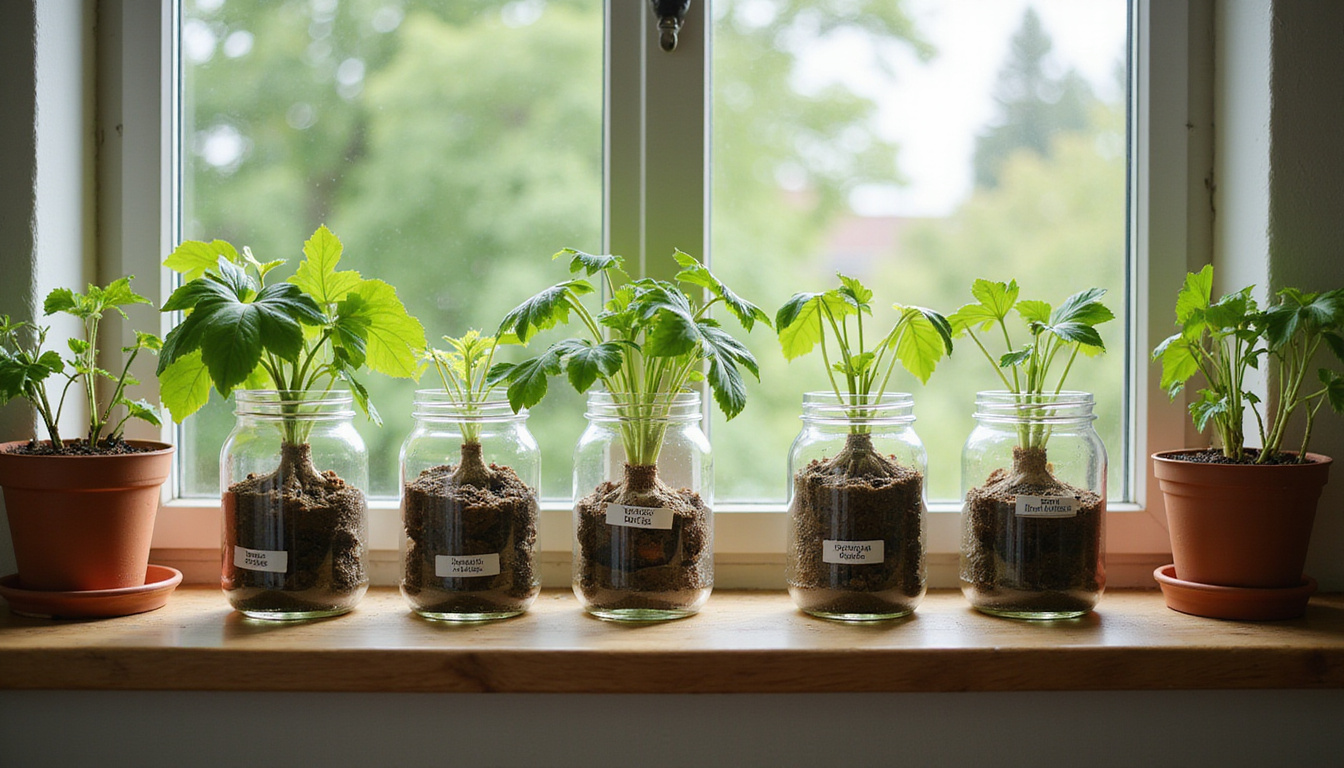
Hack #5: Multiply Your Snake Plant for Free
One of the best hacks for a greener home is propagating your snake plant instead of buying more.
Easiest propagation method: Division
When your snake plant fills its pot, you’ll see several distinct clusters (called “pups”). To divide:
- Gently remove the plant from its pot.
- Separate the root ball into two or more sections with your hands or a clean knife.
- Pot each section in its own container with well-draining soil.
- Water lightly and put in bright, indirect light.
Within a few weeks, each division behaves like a full plant. You’ve just turned one snake plant into many—with almost no effort.
Hack #6: Use Snake Plants as Low-Allergen Greenery
If you’re sensitive to pollen or have allergies, the snake plant is one of the safest options for adding green without making symptoms worse.
- It rarely flowers indoors.
- It doesn’t produce fluffy or airborne pollen in normal home conditions.
- It has broad, smooth leaves that are easy to wipe down, which helps reduce dust.
Quick maintenance tip: Wipe the leaves every 1–2 months with a slightly damp cloth. This keeps dust down and helps the plant photosynthesize more efficiently.
Hack #7: Choose the Right Soil and Pot Once (Then Ignore It)
One-time setup can save you years of headache. Snake plants are succulents and need fast-draining soil.
Ideal setup
- Soil: Cactus/succulent mix OR regular potting mix blended with perlite or coarse sand.
- Pot: One with drainage holes. Terracotta is ideal because it lets soil dry more quickly.
Set it up correctly at the start, and you’ll avoid root rot and most problems without any ongoing effort.
Hack #8: Create a Low-Maintenance “Green Zone” With Snake Plants
You can cluster snake plants with other easy-care varieties to create a visually lush corner that still demands very little care.
Try grouping with:
- ZZ plant
- Pothos (if you want a trailing look)
- Peace lily (for occasional blooms, though it needs slightly more water)
- Rubber plant or dracaena
Keep all these plants in a similar light area. Water the snake plant less frequently than the others; simply skip it on one or two of the regular watering rounds. A lush, green “jungle” look with minimal routine.
Hack #9: Use Snake Plants to Define Zones in Small Spaces
In studios or open-plan homes, plants can act as subtle “room dividers” without bulky furniture.
Ways to use snake plants for soft separation:
- Line two or three tall snake plants to visually separate your living area from your sleeping area.
- Place one beside a desk to signal a focused work zone.
- Flank an entryway shoe rack or bench with snake plants to frame a mini mudroom area.
Because the plant’s vertical form is clean and compact, it doesn’t make the room look crowded.
Hack #10: Keep Pets and Kids Safer With Smart Placement
Snake plants are mildly toxic if ingested by cats, dogs, or small children, potentially causing stomach upset. You don’t have to avoid them—you just need strategic placement.
- Put medium plants on tall shelves, dressers, or plant stands.
- Use hanging wall shelves for smaller snake plants.
- Avoid ground-level placement in rooms where young kids or curious pets roam unsupervised.
This way, you get all the benefits of your snake plant without unnecessary worries.
Quick Reference: Snake Plant Care Summary
Here’s a simple one-glance guide to keep your snake plant thriving:
- Light: Bright, indirect preferred; tolerates low light.
- Water: Every 2–3 weeks in warm months, 4–6 weeks in cooler months; let soil dry fully.
- Soil: Well-draining, cactus/succulent mix or amended potting soil.
- Fertilizer: Light feeding once or twice in spring/summer (optional).
- Repotting: Every 2–3 years or when roots crowd the pot.
- Toxicity: Mildly toxic if ingested; keep away from nibbling pets/kids.
FAQ: Common Questions About Snake Plants
Q1: Are snake plants good for bedrooms?
Yes, a snake plant in the bedroom is a great low-effort choice. It tolerates lower light, doesn’t demand frequent watering, and can help your sleeping space feel fresher and more relaxing.
Q2: How often should I water a snake plant indoors?
Most indoor snake plants only need watering every few weeks—about every 2–3 weeks in warmer months and 4–6 weeks in cooler months. Always check that the soil is completely dry before watering again.
Q3: Do snake plants clean the air?
Snake plants can help reduce certain indoor air pollutants and generally improve how a room feels, especially when used along with other plants and good ventilation. While they’re not a complete air-purification solution, they’re a simple, attractive way to support a healthier-feeling home.
Turn One Simple Plant Into a Greener, Calmer Home
With the right hacks, a snake plant is more than just another houseplant—it’s a low-maintenance tool for cleaner-feeling air, better-looking rooms, and a calmer home environment. You don’t need complex routines, special equipment, or a green thumb; you just need a good spot, occasional watering, and a bit of smart setup.
If you’re ready to make your home look and feel greener with almost no extra work, start with one snake plant today. Place it in a key room, learn its basic rhythm, then propagate and repeat. In a few months, you’ll have a home that feels fresher, more stylish, and more alive—without adding any real effort to your weekly to‑do list.
Throughout history, many plants and herbs have been associated with luck, protection, and prosperity. To explore their deeper spiritual, psychological, and scientific significance, visit SpiritualMindScience.com.