Smudging Herbs for Beginners: Cleanse Your Home and Energy
If you’re feeling stuck, heavy, or like your space just needs a reset, learning how to use smudging herbs can be a simple and powerful place to start. Smudging—burning specific plants to cleanse energy—is an ancient practice that’s become increasingly popular in modern homes. Done respectfully and safely, it can help you release stagnant energy, support mindfulness, and create a more peaceful environment.
This beginner-friendly guide walks you through what smudging is, which herbs to use, how to do it step-by-step, cultural considerations, and practical safety tips.
What Is Smudging?
Smudging is the practice of burning sacred herbs or resins and using the smoke with intention—to cleanse a person, place, or object of unwanted or stagnant energy and invite in clarity, peace, or protection.
Cultural roots and respect
Smudging, as it’s commonly known today, draws heavily from Indigenous traditions of North America, where specific plants (like white sage and cedar) are used in ceremonial ways. Similar smoke-cleansing rituals exist in many cultures:
- Incense burning in Hindu, Buddhist, and Taoist traditions
- Frankincense and myrrh in Christian and Middle Eastern practices
- Juniper, mugwort, and herbs burned in European folk traditions
If you’re new to smudging herbs, it’s important to:
- Acknowledge its Indigenous roots
- Avoid claiming to practice a specific tradition you weren’t trained in
- Approach smoke cleansing with humility, not as a trend or aesthetic
You can still respectfully practice energy cleansing by focusing on your intention, sourcing herbs ethically, and educating yourself about the origins of what you’re doing.
Popular Smudging Herbs and Their Traditional Associations
Different herbs are believed to carry different energetic qualities. You don’t have to use all of them; start with one or two that resonate with you and are readily available, ethical, and safe to use where you live.
1. White Sage (Salvia apiana)
- Traditional uses: Sacred to many Indigenous tribes of the American Southwest, used for purification, prayer, and ceremony.
- Energetic association: Deep cleansing, clearing heavy or chaotic energy.
- Note on ethics: Wild white sage has been overharvested in some areas. If you choose to use it, buy from Indigenous or reputable small growers who cultivate (not wild-harvest) the plant.
2. Garden Sage (Salvia officinalis)
- Traditional uses: European culinary and medicinal herb; used historically in European folk magic and cleansing.
- Energetic association: Grounding, clarity, protection.
- Good for beginners: Easier to grow yourself or find locally and a more sustainable alternative to white sage.
3. Palo Santo (Bursera graveolens)
- Traditional uses: Used in parts of South America in spiritual and healing rituals.
- Energetic association: Gentle, uplifting, often used for inviting in positive energy after a cleanse.
- Ethical note: Look for Palo Santo that is ethically sourced from naturally fallen branches and certified sustainable; it’s a tree that has faced overharvesting concerns (source: Rainforest Alliance).
4. Cedar
- Traditional uses: Sacred to many Indigenous peoples; used in purification, protection, and prayer.
- Energetic association: Protective, strengthening, grounding.
- Form: Often comes as loose leaves or bundled branches.
5. Sweetgrass
- Traditional uses: Braided and burned by many Native American tribes, often after a stronger cleansing herb.
- Energetic association: Attracting positive energy, blessings, and sweetness after a clearing.
6. Lavender
- Traditional uses: Long used in European and Mediterranean regions for calming, sleep, and purification.
- Energetic association: Peace, relaxation, emotional soothing.
- Great for: Bedrooms, meditation spaces, or after conflict.
7. Rosemary
- Traditional uses: European folk magic, associated with remembrance, protection, and purification.
- Energetic association: Mental clarity, protection, strengthening boundaries.
- Beginner-friendly: Grows easily in gardens and pots; dries well.
8. Mugwort
- Traditional uses: Used in many cultures for dream work and spiritual rituals.
- Energetic association: Intuition, dreams, liminal spaces.
- Caution: Not for internal use if pregnant or breastfeeding; always research herbs thoroughly.
Choosing the Right Smudging Herbs for You
When deciding which smudging herbs to use:
- Listen to your body and senses. What scent feels comforting or clarifying?
- Consider your intention. Want calm? Try lavender. Want stronger cleansing? Try sage or rosemary.
- Think about sustainability. Can you grow it yourself or buy from a local herb farm?
- Check for sensitivities. Some people (or pets) may be sensitive to certain smokes.
You can also experiment with blends, such as sage and lavender, cedar and rosemary, or mugwort with other cleansing herbs. Always test a small amount first to see how the scent feels in your space.
How to Smudge Your Space: Step-by-Step
Here’s a simple, respectful way to start working with smudging herbs to cleanse your home.
1. Prepare your space and tools
You’ll need:
- Your chosen smudging herb(s) — stick or loose
- A heat-safe dish or shell (like an abalone shell or ceramic bowl)
- A fireproof base such as sand, salt, or small stones inside the bowl
- A lighter or long matches
- Optional: A feather or your hand to gently waft the smoke
Safety first:
Open a window or door before you begin. Have water or sand nearby in case you need to extinguish the herb quickly.
2. Set your intention
Smudging herbs are not a magic wand; they work best when paired with clear, grounded intention.
Examples:
- “I cleanse this home of stagnant and heavy energy.”
- “I release what no longer serves me and invite in peace and clarity.”
- “This space is protected, peaceful, and aligned with my highest good.”
You can say your intention out loud or silently, but be specific and sincere.
3. Light your smudging herbs
- Light the tip of your herb bundle or loose herbs until it catches flame.
- Let it burn for about 10–20 seconds, then gently blow out the flame so only smoke remains.
- If it goes out too quickly, relight as needed.
There should be a gentle, continuous stream of smoke—not a thick, choking cloud.
4. Smudge yourself first
Before you cleanse the space, cleanse your own energy.
- Hold the smoking herb a safe distance from your body.
- Starting at your feet, gently waft the smoke upward along the front of your body, then up your back.
- Imagine the smoke lifting away stress, tension, and any energy that isn’t yours.
You can say something like: “I cleanse myself of any energy I no longer need. I am grounded and clear.”
5. Smudge your home, room by room
Move through your space methodically with your smudging herbs and your heat-safe dish.
Focus especially on:
- Entryways and doors
- Windowsills
- Corners (where energy can feel stuck)
- Around mirrors and electronics
- Places where there has been conflict, illness, or heavy emotion
As you move, keep repeating your intention or a short phrase like:
- “Only clear, peaceful energy may remain here.”
- “I release what is heavy. I welcome in light and harmony.”
Let the smoke reach into corners and behind furniture where possible, without forcing it into smoke detectors or confined spaces.
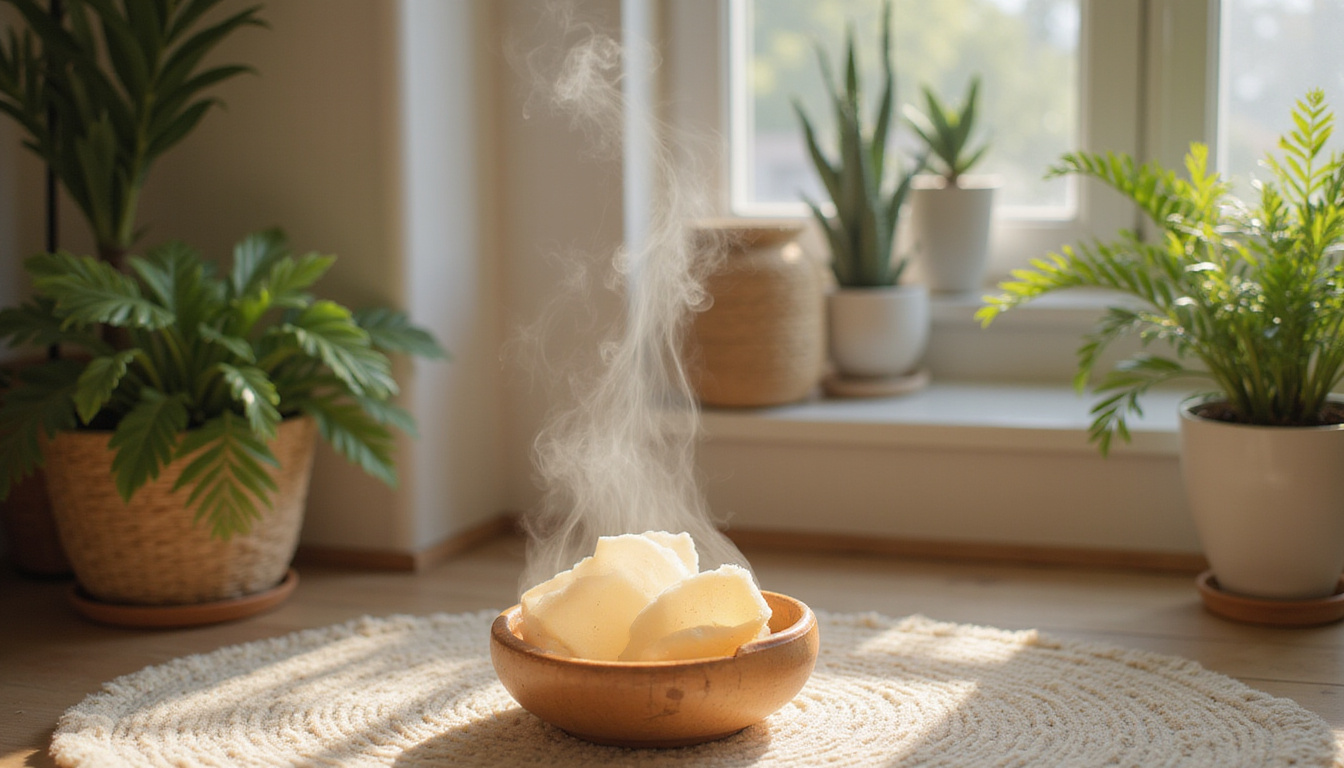
6. Close the practice
Once you’ve gone through your space:
- Return to where you started (often the main entrance).
- Say a closing phrase, such as: “This cleansing is complete. This home is blessed and protected.”
- Carefully press the burning end of your smudging herbs into sand, earth, or a heat-safe surface until completely out—no glowing embers.
Never leave smoldering herbs unattended.
How Often Should You Use Smudging Herbs?
There’s no rigid rule, but many people like to smudge:
- After an argument or stressful event
- When moving into a new home
- After guests leave (especially if the energy feels off)
- With the change of seasons
- Weekly or monthly as part of a routine energetic reset
Let your intuition guide you. If your space feels heavy, cluttered (even emotionally), or you’re feeling drained at home, a smoke cleansing can help you reset.
Alternatives for Smoke-Sensitive Homes
If you or someone in your home is sensitive to smoke—or you’re in a building with strict smoke alarms—there are alternative ways to work with the energy of herbs.
Options include:
- Simmer pots: Gently simmer herbs like rosemary, lavender, or citrus peels in water on the stove.
- Herbal sprays: Make a cleansing spray by steeping herbs in water and adding a bit of alcohol or witch hazel as a preservative; strain before use.
- Essential oil diffusers: Use high-quality essential oils of traditional smudging herbs (like sage, cedar, or lavender) in a diffuser.
- Herb sachets: Place dried herbs in small cloth bags and hang them near doors, windows, or under your pillow.
These methods still benefit from clear intention, just like burning smudging herbs.
Safety Tips When Burning Smudging Herbs
Because you’re working with open flame and smoke, take basic precautions:
- Never leave burning or smoldering herbs unattended.
- Keep away from curtains, papers, and anything flammable.
- Use a stable, heat-safe container with a non-flammable base.
- Ventilate your space by opening at least one window or door.
- Keep smudging herbs out of reach of children and pets.
- If you or your pets have respiratory issues, opt for non-smoke alternatives.
Practicing Respectful and Ethical Smudging
As you work with smudging herbs, consider:
- Sourcing: Buy from local herbalists, ethical farms, or Indigenous-owned businesses whenever possible.
- Language: If you are not part of a specific tradition, it may be more accurate to say “smoke cleansing” or “herbal smoke cleansing” rather than claiming ceremonial practices that are not yours.
- Gratitude: Offer a moment of thanks to the plants you’re using. This might be a brief prayer, a word of appreciation, or a silent acknowledgment.
- Simplicity: You don’t need to recreate complex ceremonies. A simple, mindful practice is powerful.
Simple Beginner Ritual with Smudging Herbs
Here’s a quick, beginner-friendly ritual you can try:
- Choose your herb: Garden sage, rosemary, or lavender.
- Prepare: Open a window, set your tools on a clean surface, and take three slow breaths.
- State your intention: “I cleanse this space of all stagnant and heavy energy. I invite in clarity, peace, and protection.”
- Light the herb: Let it smolder.
- Cleanse yourself: Waft the smoke around your body from feet to head.
- Walk your space: Move clockwise around each room, especially corners and doorways.
- Finish: Return to the starting point, thank the herbs, and fully extinguish the bundle.
Repeat whenever your space feels like it needs a reset.
FAQ About Smudging Herbs and Energy Cleansing
1. Which smudging herbs are best for cleansing negative energy?
Commonly used herbs for strong cleansing include white sage, garden sage, rosemary, cedar, and mugwort. For deeper, heavier energy, many people choose sage or rosemary; for protective support, cedar is popular. Always pick herbs you can source ethically and that you’re not allergic to.
2. Can I mix different smudging herbs in one bundle?
Yes. Many people create their own bundles combining smudging herbs like sage and lavender, cedar and rosemary, or sage and rose petals. Blends allow you to tailor the energy—for instance, sage for cleansing plus lavender for calm. Just make sure all herbs in the bundle are safe to burn and thoroughly dried before use.
3. Do smudging herbs really work, or is it just symbolic?
From a spiritual perspective, many traditions teach that herbs carry energetic properties that interact with a person or space. From a psychological standpoint, smudging can support intention-setting, mindfulness, and ritual, which are known to reduce stress and increase a sense of control. You don’t have to choose one explanation; you can experience smudging herbs as both energetically and symbolically powerful and see how it feels for you.
Cleansing your home and energy with smudging herbs is a simple, grounding practice you can begin today. With a few carefully chosen plants, clear intention, and respect for the traditions behind these rituals, your space can become lighter, calmer, and more aligned with how you want to feel.
If you’re ready to deepen your practice, start by choosing one or two smudging herbs that resonate with you, gather your tools, and schedule your first intentional cleansing. Turn it into a monthly ritual, track how your space feels before and after, and let this simple practice become a foundation for a more peaceful, energetically clear home.
Throughout history, many plants and herbs have been associated with luck, protection, and prosperity. To explore their deeper spiritual, psychological, and scientific significance, visit SpiritualMindScience.com.