The sistrum is one of the most intriguing instruments to emerge from the ancient world—part musical rattle, part sacred symbol, and still a powerful presence in modern ritual and performance. Though it first appeared thousands of years ago in the temples of Egypt, this deceptively simple instrument continues to captivate audiences, musicians, and historians alike.
In this guide, you’ll discover what a sistrum is, how it was used, what it symbolized, and why it still matters today—on stage, in spiritual practice, and in the study of ancient cultures.
What Is a Sistrum?
A sistrum is a hand-held percussion instrument, traditionally shaped like a loop or frame attached to a handle, with metal crossbars threaded through the frame. These bars often hold loose metal discs or rings. When shaken, the instrument produces a bright, jangling, metallic sound.
Historically, the sistrum was:
- Most closely associated with ancient Egypt
- Commonly made from bronze, copper, or other metals (sometimes clay or faience)
- Used in religious ceremonies, especially those dedicated to goddesses
Although it looks simple, the sistrum held a status far beyond that of a basic noise-maker. It signaled divine presence, celebrated fertility and rebirth, and literally helped “wake” gods and goddesses during rituals.
Origins: The Sistrum in Ancient Egypt
The Egyptian sistrum dates back to at least the Middle Kingdom (around 2000 BCE) and probably earlier. It appears in temple reliefs, tomb paintings, and hieroglyphic inscriptions, usually in the hands of priestesses or deities themselves.
A Sacred Tool of the Goddess Hathor
The sistrum is most famously associated with Hathor, the cow-headed goddess of love, music, fertility, and joy. Priests and priestesses shook the sistrum to please Hathor and invite her blessings. Over time, it also became closely linked to Isis, another powerful mother goddess who took on many of Hathor’s roles.
In Egyptian art, you often see:
- Priestesses standing before a statue of a god, shaking a sistrum
- Queens and high-ranking women holding sistra as signs of status and divine favor
- Goddesses themselves—especially Hathor—holding or playing the sistrum
The instrument’s sound was believed to dispel chaos and draw in divine protection.
Rituals, Temples, and Festivals
The sistrum played a central role in temple rituals. During daily offerings, feast days, and major festivals like the Festival of Hathor, the rhythmic shaking of sistra helped create an aural bridge between humans and the gods.
Functions of the sistrum in ritual included:
- Marking the rhythm of hymns and chants
- “Awakening” the deity’s statue at dawn
- Driving away malevolent forces, symbolically banishing disorder
- Celebrating joyful events such as processions and seasonal rites
Archaeological finds in temples at Dendera, Abydos, and other sites show just how widespread and important the sistrum was in cultic practice (source: The Metropolitan Museum of Art).
Design and Symbolism: More Than a Musical Rattle
The sistrum’s form is packed with symbolism. Two main types are known from ancient Egypt: the naos sistrum and the loop sistrum.
The Naos Sistrum
The naos sistrum resembles a small shrine (naos) at the top of its handle, with the frame shaped like a miniature temple facade. Often, it features:
- A tiny Hathor-head with cow ears
- Hieroglyphic inscriptions invoking deities
- Symbolic imagery representing protection and rebirth
This type was particularly sacred, emphasizing the sistrum’s connection to the divine dwelling place.
The Loop Sistrum
The loop sistrum has a simple U- or oval-shaped frame, with one or more metal rods crossing it and holding several loose discs. This is the design most people recognize as a “rattle-like” sistrum.
Symbolic Meanings
To the ancient Egyptians, the instrument represented:
- Fertility and birth – the jingling sound evoked life, movement, and the cries of animals or infants
- Cosmic order – shaking the sistrum helped maintain ma’at, the principle of balance and harmony
- Protection – its bright, clattering tone warded off chaotic or demonic forces
- Divine femininity – strongly associated with goddesses, queens, and high-ranking women
Even the movement of shaking—up and down, side to side—had cosmic resonance, mirroring the trembling of earth in moments of divine presence.
Beyond Egypt: The Sistrum Around the Mediterranean and Africa
The sistrum did not stay confined to Egypt. As Egyptian culture influenced its neighbors, variants of the sistrum appeared across the Mediterranean and in parts of Africa.
The Sistrum in Greek and Roman Religion
In the Hellenistic period, the cult of Isis spread widely throughout the Greek and Roman worlds. A version of the sistrum came with her:
- Greek and Roman sistra tend to be loop-shaped and metal
- They appear in sanctuaries dedicated to Isis and Serapis
- Inscriptions and frescoes show worshippers playing the sistrum in processions
For devotees, shaking the sistrum became a recognizable sign of Isis worship, symbolizing devotion and ecstatic connection with the goddess.
Ethiopian and Coptic Traditions
In Ethiopia and within the Coptic Christian heritage, a related instrument called the tsenatsil or Ethiopian sistrum is still used:
- Played by clergy and musicians during liturgy
- Adds rhythmic emphasis to chants and processionals
- Maintains a lineage of sacred rattle instruments in Christian contexts
While designs differ, the concept of a hand-held, shaken percussion tool bridging music and spirituality strongly echoes the ancient sistrum.
How a Sistrum Is Played
Though it’s a simple instrument, the sistrum requires control and intention to sound good in performance.
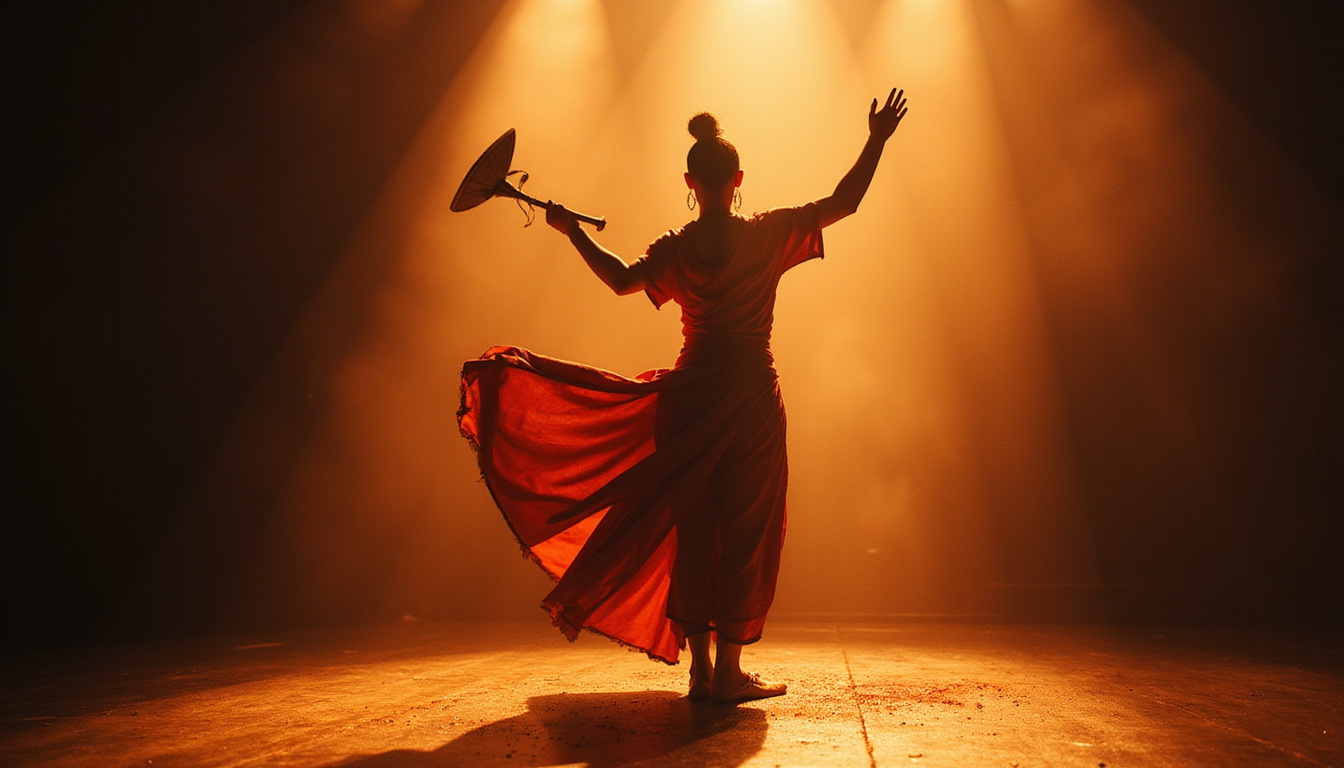
Playing Technique
A basic approach involves:
- Holding the handle firmly in one hand
- Shaking the frame forward and backward or side to side
- Controlling speed and intensity to match the musical or ritual context
Players can create:
- Steady, repetitive rhythms to support chanting
- Bursts or accents to mark important moments in song or ceremony
- Subtle, shimmering textures in quieter passages
The sound is bright, metallic, and cutting—ideal for being heard in outdoor processions or echoing temple halls.
Ensemble Use
In both ancient and modern contexts, the sistrum often complements:
- Drums and frame drums
- Lyres and harps
- Flutes, reed instruments, and vocals
Its role is typically rhythmic and textural, rather than melodic, but its presence can define the character of a performance.
The Sistrum in Modern Music and Spiritual Practice
Today, the sistrum has found new life in several overlapping worlds: historical re-creation, experimental music, and contemporary spirituality.
Historical and World Music Ensembles
Musicians interested in ancient music often include reconstructed sistra in their instrument collections. These groups may:
- Perform reconstructions of Egyptian temple hymns
- Use the sistrum alongside replicas of ancient harps and flutes
- Experiment with how the instrument fits into global percussion traditions
World music and fusion ensembles sometimes feature a sistrum for its distinctive timbre and its powerful visual impact on stage.
Pagan, Kemetic, and Ritual Use
Modern Pagan, Kemetic (Egyptian revival), and goddess-centered spiritual paths frequently adopt the sistrum as a ritual tool. Practitioners:
- Shake the sistrum to open or close rituals
- Use it to “call in” goddesses like Hathor, Isis, or Bastet
- Incorporate it into meditation, trance work, or seasonal festivals
Its historic role as a bridge to the divine makes it a natural fit for contemporary ritualists seeking a tangible link to ancient practices.
Sound Healing and Mindfulness
Some sound healers and meditation facilitators use sistra alongside singing bowls, chimes, and drums. The crisp, awakening sound:
- Helps mark transitions in a session
- Brings attention back to the body and breath
- Symbolically clears stagnant energy in a space
While the scientific evidence for “sound healing” is still developing, many people report that the sound of a sistrum feels both invigorating and cleansing.
Choosing or Making a Modern Sistrum
Interest in the sistrum has inspired modern artisans, instrument makers, and DIY enthusiasts to produce new versions.
What to Look For
When choosing a sistrum:
- Material – Metal frames produce the classic, bright jangle; wood and mixed materials create softer tones.
- Weight – It should be light enough to hold and shake comfortably for extended periods.
- Sound – Listen for a clear, lively rattle that cuts through other instruments if you plan to perform.
- Aesthetic – Some include Hathor-head motifs, hieroglyphic-inspired designs, or minimalist modern styles.
DIY Sistrum Ideas
You can make a simple, handmade sistrum with basic materials:
- A sturdy metal or wooden frame (or even a U-shaped wire coat hanger)
- Crossbars made from dowels or metal rods
- Metal washers, bottle caps, or small bells as jingling elements
- Tape, glue, or wire to secure the handle and bars
The result won’t be museum-accurate, but for personal ritual or experimental music, a DIY sistrum can be both meaningful and functional.
Why the Sistrum Still Captivates
So why does this ancient ritual instrument continue to fascinate people today?
Key reasons include:
- Mystique and history – It offers a direct, audible connection to civilizations thousands of years old.
- Symbolic power – The sistrum embodies joy, fertility, divine presence, and spiritual awakening.
- Sensory impact – The sound is immediate and unmistakable, able to cut through noise and command attention.
- Accessibility – It is easy to learn at a basic level, yet rich enough in context to reward deeper study.
Whether heard in a reconstructed temple hymn, a modern ritual, or a contemporary concert, the sistrum brings with it echoes of incense-filled sanctuaries and moonlit festivals along the Nile.
Quick Reference: Sistrum Facts at a Glance
- Origin: Ancient Egypt, widely used from at least the Middle Kingdom
- Primary associations: Goddesses Hathor and Isis, divine femininity, fertility, joy
- Construction: Hand-held frame with crossbars and metal discs or rings
- Sound: Bright, metallic, jangling rattle
- Spread: Adopted in Greek and Roman Isis cults; related forms in Ethiopian and Coptic Christian traditions
- Modern use: Ritual, historical performance, experimental music, sound healing, and education
FAQ About the Sistrum
1. What is the purpose of a sistrum in ancient rituals?
The main purpose of a sistrum in ancient Egypt was to honor and invoke deities—especially Hathor and Isis—by its sound. Shaking it during rituals and festivals was believed to please the gods, maintain cosmic balance, and drive away disruptive or evil forces.
2. How does an Egyptian sistrum differ from other rattles?
An Egyptian sistrum typically has a U-shaped or shrine-like frame with metal crossbars and disks, often decorated with goddess imagery like the face of Hathor. Ordinary rattles lack this specific sacred iconography and the strong ritual and symbolic associations tied to Egyptian religion.
3. Is the sistrum still used in religious or musical contexts today?
Yes. Variants of the sistrum instrument remain in use in Ethiopian and Coptic Christian liturgies, and modern Pagan and Kemetic practitioners use sistra in rituals. Musicians interested in world and historical music also incorporate the sistrum for its distinctive sound and evocative visual presence.
Bring Ancient Sound into Your Modern World
If the legacy of the sistrum intrigues you, consider experiencing it firsthand. Listen to recordings of reconstructed Egyptian music, attend a world music performance featuring ancient instruments, or acquire your own sistrum—whether artisan-crafted or DIY. Then experiment: use it to mark meditative moments, accent your musical practice, or enrich your spiritual rituals.
By letting this ancient ritual instrument ring out in your own life, you don’t just study history—you participate in a living tradition of sound that has captivated audiences for millennia and continues to resonate with power and meaning today.
Sacred objects often carry deep cultural and spiritual meaning. Learn how these symbols relate to history, spirituality, and the human mind by exploring more articles at SpiritualMindScience.com.