The gentle, resonant tones of a singing bowl have become a popular tool for relaxation, meditation, and emotional balance. Beyond their soothing sound, research into sound therapy suggests that these simple instruments can play a meaningful role in reducing stress and anxiety. Whether you’re completely new to sound healing or already enjoy calming audio practices, understanding how singing bowls work can help you use them more effectively for your mental and emotional well-being.
What Is a Singing Bowl?
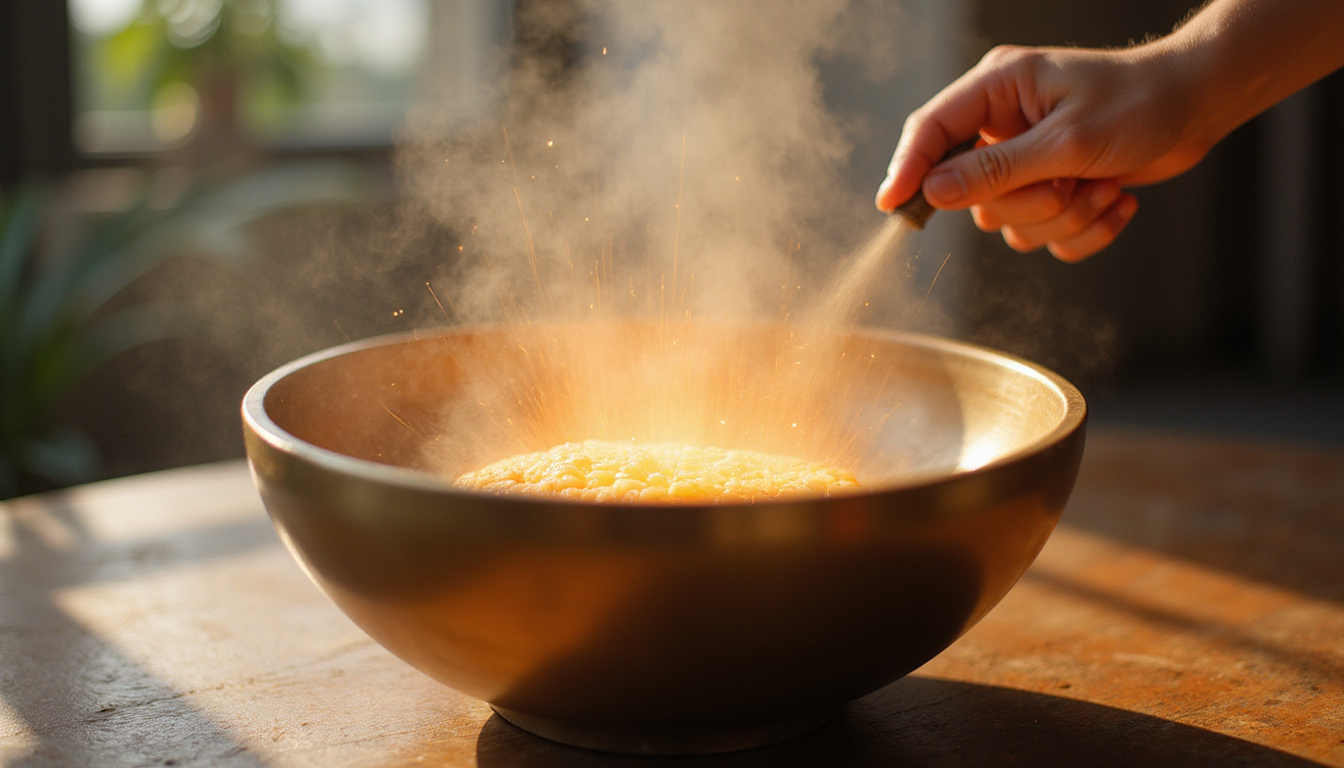
A singing bowl is a metal or crystal bowl that produces sustained, harmonic tones when struck or rubbed with a mallet. Traditionally associated with Himalayan and Tibetan practices, singing bowls are now widely used in:
- Meditation and mindfulness sessions
- Yoga classes and retreats
- Sound baths and holistic therapy
- Personal self-care and relaxation rituals
The long, steady vibration from a singing bowl can help quiet racing thoughts, slow down breathing, and shift your focus inward—key ingredients for stress and anxiety relief.
The Science of Sound: Why Singing Bowls Are So Calming
Singing bowl benefits are rooted in how sound and vibration affect the nervous system and brain. While research is still growing, several mechanisms may explain why these tones feel so deeply relaxing.
1. Entrainment and Brainwave States
Our brains naturally synchronize with external rhythmic stimuli—a process known as entrainment. The sustained, rhythmic sounds from a singing bowl can gently guide brainwaves from an alert, stressed state (beta) into more relaxed states:
- Alpha waves – associated with calm alertness and light meditation
- Theta waves – linked to deep relaxation, intuition, and creativity
By shifting your brainwave patterns, singing bowls can help you move out of “fight-or-flight” mode and into a state where your body can rest and repair.
2. Activation of the Relaxation Response
Chronic stress keeps the sympathetic nervous system (SNS) overactive—raising heart rate, blood pressure, and muscle tension. Gentle sound therapy supports the parasympathetic nervous system (PNS), which does the opposite: it slows heart rate, deepens breathing, and promotes digestion and healing.
A 2016 study published in the Journal of Evidence-Based Integrative Medicine found that participants who attended a singing bowl meditation reported significant reductions in tension, anger, fatigue, and depressed mood compared to baseline (source: SAGE Journals). While more research is needed, these findings support what many people experience firsthand—greater calm and emotional ease after a session.
3. Mindful Focus and Sensory Anchoring
When you listen to a singing bowl, your attention naturally anchors to the sound. This focused listening is a form of mindfulness:
- You notice the rise and fall of the tone.
- You become aware of subtle changes in pitch and volume.
- You observe thoughts and feelings as they come and go, without getting caught in them.
This mindful awareness helps interrupt anxious rumination and brings you back to the present moment, where stress has less power over you.
Mental Health Benefits: How Singing Bowls Help Stress and Anxiety
The growing interest in singing bowl benefits for stress relief is not just a trend—many people find them genuinely helpful in improving day-to-day mental well-being.
Reduced Stress and Physical Tension
Stress often shows up in the body as:
- Tight shoulders and neck
- Clenched jaw
- Shallow breathing
- Headaches or muscle pain
The deep, resonant tones of a singing bowl can encourage your body to “let go.” As your breathing slows and deepens, your muscles often follow suit, releasing built-up tension. Over time, consistent practice can train your body to relax more quickly when you hear the familiar sound.
Support for Anxiety Management
While singing bowls are not a replacement for therapy or medical care, many people with anxiety use them as a complementary tool. Benefits may include:
- Interrupting spirals of worried thinking
- Creating a sense of safety and grounding in the present
- Providing a calming ritual at the start or end of the day
- Helping transition from work mode to rest mode
If you experience mild to moderate anxiety, integrating a short singing bowl practice into your routine can be a simple way to create more moments of peace and clarity.
Improved Sleep Quality
Stress and anxiety are major contributors to insomnia and restless nights. Using a singing bowl before bedtime can:
- Signal to your brain that it’s time to wind down
- Slow your breathing and heart rate
- Create a calming pre-sleep ritual that your body learns to associate with rest
Some people place a singing bowl by the bed and play it for 5–10 minutes while lying down, allowing the sound to gradually fade into silence as they transition into sleep.
Emotional and Spiritual Benefits of Singing Bowls
Beyond the measurable effects on stress and anxiety, many people turn to singing bowls for emotional and spiritual nourishment.
Emotional Release and Balance
Sound vibrations can sometimes bring emotions to the surface—memories, sadness, joy, or even tears. Far from being a problem, this can be a healthy emotional release. The sound provides a container that feels safe and nonjudgmental, making it easier to:
- Acknowledge difficult feelings
- Let go of emotional tension
- Feel more balanced and centered afterward
With regular practice, you may notice that intense emotions become easier to navigate, and your overall mood feels more stable.
Enhanced Meditation and Inner Connection
If you struggle with silent meditation, incorporating a singing bowl can make the practice more accessible:
- The sound gives your mind a gentle object to focus on.
- The vibrations can deepen your sense of presence.
- The ritual of striking the bowl marks the beginning and end of your session, which can help you stay consistent.
Many practitioners also use singing bowls in spiritual or contemplative practices, feeling that the tones help them connect more deeply with their inner self, intuition, or sense of the sacred—however they define it.
Physical and Energetic Effects of Singing Bowls
While the primary focus is often emotional and mental, singing bowl benefits can extend to physical and energetic well-being.
Vibration and the Body
Sound is vibration, and those vibrations can be felt subtly in the body, especially with larger metal or crystal bowls. Some reported physical benefits include:
- Deep relaxation of muscles
- Reduced perceived pain or discomfort
- A sense of lightness or spaciousness in the body
Although more rigorous scientific research is needed, many people find that sound therapy sessions leave them feeling physically refreshed in addition to mentally calmer.
Chakra and Energy Work (If It Resonates With You)
In energy-based healing traditions, singing bowls are sometimes tuned to correspond with different chakras or energy centers in the body. Practitioners may:
- Place a bowl near a specific body area
- Use tones associated with particular chakras
- Intend to “clear” or “balance” energy
If you connect with this framework, singing bowls can be a supportive tool in your broader energetic or spiritual practice. If you don’t, you can still enjoy the calming and grounding effects without adopting the energetic language.
How to Use a Singing Bowl for Stress and Anxiety Relief
You don’t need special training to start benefiting from a singing bowl. A few simple techniques can help you integrate it into your daily life.
Basic Steps to Play a Singing Bowl
-
Choose your space
Sit comfortably in a quiet place where you won’t be disturbed. -
Hold or place the bowl
- Small bowls: hold in the flat palm of your non-dominant hand.
- Larger bowls: place on a cushion or flat, stable surface.
-
Gently strike the bowl
Use a padded mallet to tap the side of the bowl once, allowing the tone to ring out. -
Make it “sing” (optional)
Slowly circle the mallet around the outer rim with gentle, even pressure to sustain the sound. -
Listen mindfully
Focus on the sound, your breath, and bodily sensations. When your mind wanders, gently return to the tone.
A Simple 5-Minute Singing Bowl Practice
Use this short routine whenever you feel stressed or anxious:
- Sit comfortably and close your eyes.
- Strike the singing bowl once.
- Take a slow breath in through your nose to a count of 4.
- Exhale gently through your mouth to a count of 6.
- Continue breathing in this pattern, striking the bowl every 30–60 seconds.
- After 5 minutes, allow the final tone to fade completely before opening your eyes.
Done regularly, this brief practice can interrupt the stress cycle and give your nervous system a chance to reset.
Choosing the Right Singing Bowl for You
With many options available, selecting a singing bowl can feel overwhelming. Focus on what feels and sounds right rather than chasing perfection.
Consider:
-
Material
- Metal (often called Tibetan or Himalayan bowls): warm, complex tones; very durable.
- Crystal: clear, pure tones; often louder and more intense.
-
Size
- Smaller bowls: higher pitch, portable, good for personal use.
- Larger bowls: deeper, more grounding tones and stronger vibrations.
-
Sound
Always listen if possible—online or in person—and choose a singing bowl whose tone feels soothing and pleasant to you. Your emotional response to the sound matters more than technical specifications.
Tips for Getting the Most from Your Singing Bowl
To deepen the benefits for stress and anxiety:
- Use your singing bowl at consistent times (e.g., morning or before bed).
- Combine it with slow, diaphragmatic breathing.
- Pair it with journaling to release lingering worries.
- Create a short ritual—lighting a candle or dimming the lights—to signal relaxation.
- Keep the practice gentle and enjoyable; there’s no “right” way to feel.
FAQ: Singing Bowls and Sound Therapy
1. Can a singing bowl really help with anxiety?
Many people find that regular use of a singing bowl helps reduce feelings of anxiety by slowing the breath, calming the nervous system, and redirecting attention away from racing thoughts. While it’s not a substitute for professional treatment, it can be a valuable complementary tool in an anxiety management plan.
2. How often should I use a singing bowl for stress relief?
You can use a singing bowl daily, even multiple times a day. Short, consistent sessions—5 to 10 minutes in the morning, during a break, or before bed—often provide more cumulative stress relief than occasional longer sessions.
3. Are Tibetan singing bowls and crystal bowls equally effective?
Both Tibetan singing bowls (metal) and crystal singing bowls can support relaxation and stress reduction. The “best” choice is the one whose sound feels most calming and supportive to you. Some people prefer the warmer, layered tones of metal bowls, while others resonate more with the clear, powerful tones of crystal bowls.
Bring More Calm Into Your Life With Singing Bowls
Stress and anxiety don’t have to control your days or steal your nights. A simple singing bowl can become a powerful ally in your self-care routine—inviting you to pause, breathe, and reconnect with a sense of inner calm. By carving out just a few minutes each day to listen, feel, and be present with the sound, you give your body and mind the space they need to unwind and heal.
If you’re ready to experience these singing bowl benefits for yourself, start by choosing a bowl whose tone truly resonates with you and commit to a short daily practice for the next two weeks. Notice how your body feels, how your sleep shifts, and how your mind responds. As you build this gentle ritual, you may find that moments of peace become more frequent—and more natural—throughout your life.
Sacred objects often carry deep cultural and spiritual meaning. Learn how these symbols relate to history, spirituality, and the human mind by exploring more articles at SpiritualMindScience.com.