Shamrock Care Guide: Easy Steps to Thriving Indoor Plants
If you’re looking for a cheerful, low-maintenance houseplant that brings a little luck to your space, the shamrock (Oxalis) is a great choice. With its clover-like leaves and delicate flowers, it’s easy to grow indoors—if you understand a few simple care basics. This guide walks you through everything you need to know to keep your shamrock healthy, full, and thriving year-round.
What Is a Shamrock Plant?
Botanically, the common “shamrock plant” sold as a houseplant is usually a species of Oxalis, most often:
- Oxalis triangularis – the striking purple shamrock
- Oxalis regnellii – the classic green shamrock with white or pink flowers
Key features:
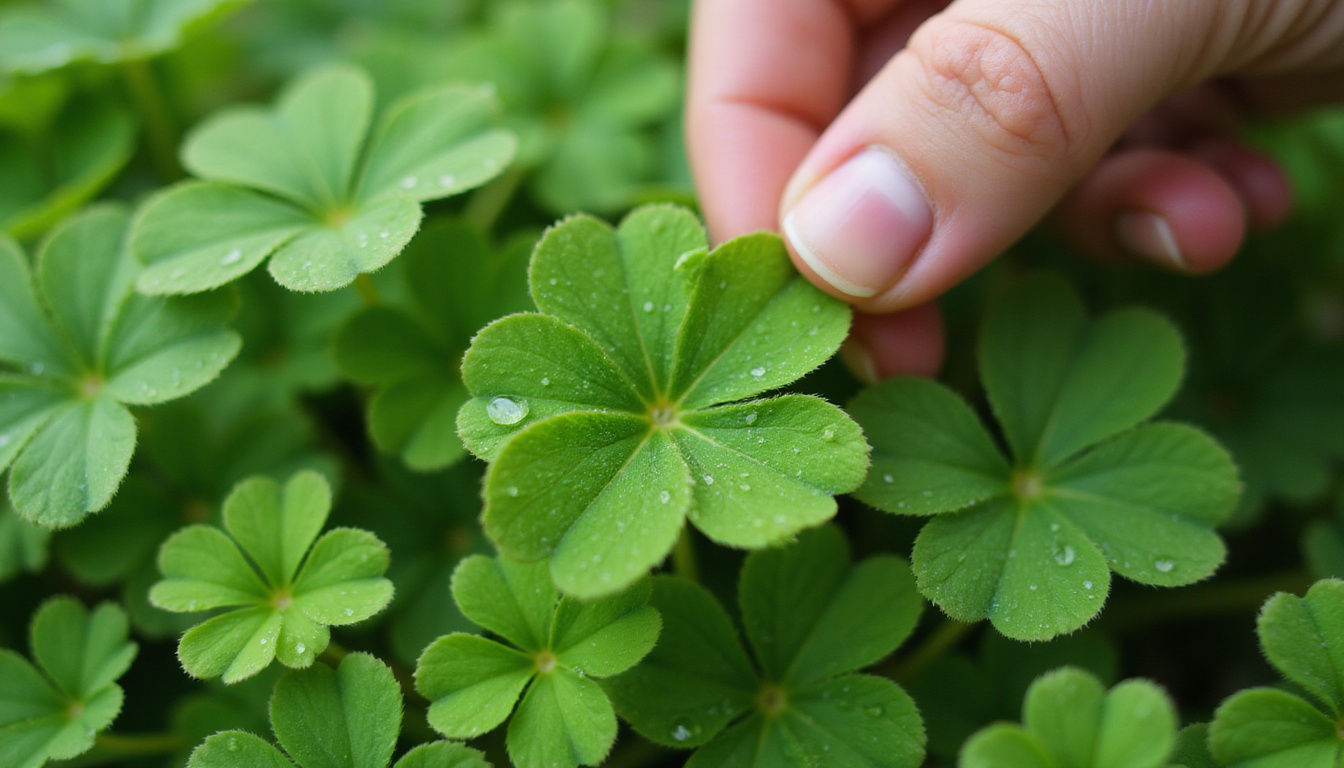
- Clover-like foliage: Typically three leaflets, reinforcing its association with the Irish shamrock.
- Sleep movement: Leaves open during the day and fold up at night, a phenomenon called nyctinasty.
- Seasonal rest: Many shamrock plants naturally go dormant for a few weeks to months each year.
Understanding that dormancy is normal is one of the most important parts of shamrock care.
Light Requirements: Bright, But Not Harsh
Light is one of the main factors that determine how full and colorful your shamrock will be.
Ideal light conditions:
- Bright, indirect light is best. Place the plant near an east- or north-facing window, or a few feet back from a bright south/west window.
- A few hours of gentle morning sun is usually fine.
- Avoid strong, direct midday or afternoon sun that can scorch the leaves, especially for purple varieties.
Signs of light problems:
- Too little light: Leggy, stretched stems; pale leaves; slow growth.
- Too much light: Brown or crispy leaf edges, washed-out color, or leaves curling.
If needed, you can supplement with a small LED grow light placed 10–18 inches above the plant for 8–12 hours a day.
Watering a Shamrock: Moist, Not Soggy
Shamrock plants prefer evenly moist soil but are sensitive to overwatering. Their bulbs (technically corms) can rot if kept too wet.
Basic watering rule:
Water when the top 1–2 inches of soil feel dry to the touch.
- Water thoroughly until it drains from the bottom of the pot.
- Empty saucers so the plant doesn’t sit in water.
- In active growth (spring and fall, often winter indoors), you’ll typically water once a week, but always check the soil first.
- During dormancy (more on this below), watering needs drop sharply.
Signs of incorrect watering:
- Overwatering: Yellowing leaves, mushy bulbs, persistent soggy soil, fungus gnats.
- Underwatering: Drooping or crispy leaves, very dry soil pulling away from the pot sides.
Aim for a balance: slightly moist but never waterlogged.
Choosing the Right Soil and Pot
Because shamrock grows from bulbs/corms, drainage is crucial.
Soil mix:
- Use a light, well-draining potting mix.
- A simple blend:
- 2 parts all-purpose potting soil
- 1 part perlite or pumice
- Optional: a bit of coconut coir or peat for moisture retention without heaviness
Pot selection:
- Always choose a pot with drainage holes.
- Terracotta pots help excess moisture evaporate, reducing the risk of rot.
- Avoid oversized pots; shamrock actually likes to be somewhat snug. A pot 1–2 inches wider than the root/corm cluster is enough.
Repot only every 1–2 years or when growth becomes crowded.
Ideal Temperature and Humidity
One of the reasons a shamrock makes such a good houseplant is that it enjoys the same conditions most people find comfortable.
Temperature:
- Best range: 60–75°F (15–24°C).
- Protect from cold drafts, heaters, or vents.
- Don’t expose to temps below ~50°F (10°C) for long periods.
Humidity:
- Average indoor humidity is usually fine.
- If your air is very dry (especially in winter):
- Group plants together.
- Use a pebble tray with water beneath the pot (without the pot sitting directly in water).
- Run a small humidifier if you have many houseplants.
Misting is not necessary and can sometimes encourage leaf spots if water sits on foliage.
Feeding Your Shamrock: Fertilizer Basics
Shamrock isn’t a heavy feeder, but a little nutrition goes a long way toward lush growth.
Fertilizing schedule:
- During active growth (usually spring and fall indoors), feed once a month.
- Use a balanced, water-soluble fertilizer (e.g., 10-10-10 or 20-20-20) at half the label strength.
- Do not fertilize when the plant is in dormancy (no active leaves, or leaves rapidly dying back).
Too much fertilizer can cause weak, leggy growth and salt buildup in the soil.
Understanding Dormancy: When Your Shamrock “Disappears”
Many people think they’ve killed their shamrock when it suddenly drops its leaves. In reality, this is usually normal dormancy, a rest period.
How to Recognize Dormancy
Common triggers:
- Seasonal changes (often late summer or after a heavy blooming period).
- Natural growth cycle of the particular Oxalis species.
- Stress such as heat or very dry conditions.
Typical signs:
- Leaves yellow or brown from the tips and die back.
- New growth slows or stops.
- The plant may look like a pot of bare soil.
What to Do During Dormancy
-
Stop regular watering.
Let the soil dry out almost completely, then give only a light sip once in a while so the bulbs don’t shrivel. -
Stop fertilizing.
There’s no active growth to support. -
Keep the pot in a cool, dry place.
A spot with moderate light is fine; it doesn’t need bright light during deep dormancy. -
Wait 4–12 weeks.
Dormancy length varies. Check occasionally for signs of new shoots.
When you see fresh green tips emerging, move the pot back to bright light, resume regular watering, and start feeding lightly again. The shamrock will usually come back fuller than before.
Pruning, Grooming, and Day-to-Day Care
Shamrock is generally a tidy plant, but occasional grooming keeps it looking its best.
- Remove dead or yellow leaves by gently tugging at the base or cutting with clean scissors.
- Snip off spent flowers to encourage more blooms.
- Rotate the pot every couple of weeks so the plant grows evenly toward the light.
Routine grooming also lets you spot early signs of pests or disease.
Common Pests and Problems
Healthy shamrock plants are fairly resilient, but a few issues can crop up.
Pests
- Aphids: Tiny green/black insects on new growth or flower stems; treat with insecticidal soap.
- Spider mites: Fine webbing, speckled leaves; often from very dry air. Increase humidity and use insecticidal soap or horticultural oil.
- Fungus gnats: Tiny flies around the soil; often from overwatering. Let the top of the soil dry more between waterings.
Check the plant regularly and treat early if pests appear. The University of Minnesota Extension offers good general indoor pest management guidance (source: UMN Extension).
Diseases and Other Issues
- Bulb/corm rot: Caused by consistently soggy soil. Improve drainage, repot into fresh, drier mix, and reduce watering.
- Powdery mildew: White, powdery film on leaves; provide better air circulation and avoid frequent misting.
Most problems are resolved by correcting watering, light, and air circulation.
Propagating Shamrock: Easy New Plants from Bulbs
One of the best parts about growing shamrock is how simple it is to get new plants.
Propagation by division (bulbs/corms):
- Wait until the plant is dormant or nearly so.
- Gently remove the root ball from the pot.
- Shake off excess soil and separate the cluster of small bulbs/corms.
- Plant groups of 3–5 bulbs in new small pots with fresh, well-draining soil.
- Cover lightly with soil, water once, then keep slightly dry until growth appears.
- Move to bright, indirect light as new leaves emerge.
Within a few weeks, you’ll have new shamrock plants to keep or share.
Indoor Decoration Ideas for Shamrock Plants
Beyond being easy to care for, shamrock plants are attractive and versatile.
Consider these ideas:
- Accent plant on desks or shelves: Their compact size makes them perfect for tight spaces.
- Centerpiece for St. Patrick’s Day: Pair a green shamrock with white flowers and a simple pot.
- Color contrast: Use purple shamrock against white or light-colored walls for striking visual impact.
- Grouped arrangements: Combine shamrock with other low-light tolerant plants in coordinating pots for a mini indoor garden.
Just ensure all plants in any grouped arrangement share similar light and watering needs.
Quick Care Checklist for Shamrock Plants
Use this as a handy reference:
- Light: Bright, indirect; avoid harsh midday sun.
- Water: When top 1–2 inches of soil are dry; don’t let soil stay soggy.
- Soil: Light, well-draining potting mix.
- Pot: Must have drainage holes; don’t oversize.
- Temperature: 60–75°F (15–24°C); avoid drafts.
- Humidity: Average indoor is fine; increase if very dry.
- Fertilizer: Monthly, half-strength, during active growth only.
- Dormancy: Expect leaf die-back; reduce water, stop feeding; resume normal care when new growth appears.
FAQ About Shamrock Houseplants
1. How do you care for an indoor shamrock plant?
To care for an indoor shamrock plant, give it bright, indirect light, water when the top of the soil dries out, and use well-draining potting mix in a pot with drainage holes. Maintain moderate temperatures, feed once a month in the growing season, and allow the plant to go dormant by reducing water when leaves die back.
2. Why is my shamrock plant drooping and turning yellow?
A drooping, yellowing shamrock can indicate overwatering, natural dormancy, or low light. Check the soil; if it’s consistently wet, reduce watering and improve drainage. If the plant is seasonally dying back while otherwise healthy, it may just be entering its normal rest period.
3. Can a shamrock plant live outside?
Yes, some shamrock (Oxalis) species can live outdoors in mild climates, often as perennials in USDA zones 6–10 depending on variety. However, many people grow shamrock indoors as houseplants where conditions are more stable. If placing outdoors, protect from strong midday sun and heavy, waterlogged soils.
A healthy shamrock plant can bring color, texture, and a touch of “good luck” to your home with surprisingly little work. By providing bright indirect light, careful watering, a well-draining soil mix, and respecting its natural dormancy cycle, you’ll enjoy fresh foliage and delicate blooms year after year.
If you’re ready to add this charming plant to your collection—or revive the one you already have—start applying these shamrock care steps today. Choose a bright spot, refresh the soil if needed, adjust your watering routine, and watch how quickly your shamrock responds with new, vibrant growth.
Throughout history, many plants and herbs have been associated with luck, protection, and prosperity. To explore their deeper spiritual, psychological, and scientific significance, visit SpiritualMindScience.com.