Seder Plate: Creative Arrangements and Meaningful Passover Traditions
The Seder plate is the visual and symbolic centerpiece of the Passover table. It holds the core ritual foods that guide the storytelling of Yetziat Mitzrayim—the Exodus from Egypt—and anchors the experience of freedom, memory, and identity. While its elements are clearly defined by tradition, there is rich room for creativity in how you arrange, design, and personalize your Seder plate so it speaks to your family’s story and values.
Below, you’ll find a blend of traditional explanations, modern interpretations, and creative ideas to help you craft a meaningful Seder experience.
What Is a Seder Plate and Why It Matters
At its simplest, the Seder plate is a special platter that holds six symbolic foods used throughout the Passover Seder:
- Zeroa (shank bone)
- Beitzah (roasted egg)
- Maror (bitter herb)
- Charoset (sweet mixture)
- Karpas (vegetable)
- Chazeret (second bitter herb, in many traditions)
The Seder plate sits in a central, visible spot so everyone can see and, ideally, interact with it. During the Seder, participants point to, lift, or reference each item as they tell the story of the Exodus, recite blessings, and discuss themes of slavery and freedom.
Because the Seder is a tactile, multi-sensory ritual, the way the Seder plate looks and feels can significantly enhance engagement—especially for children and guests new to the holiday.
Traditional Elements of the Seder Plate and Their Meanings
Understanding the traditional symbolism is the foundation for any creative arrangement. Here are the classic items and what they represent:
Zeroa – The Shank Bone
- Symbolism: Represents the Korban Pesach, the Passover sacrifice offered in the Temple in Jerusalem.
- Common practice: A roasted lamb shank bone is traditional, though many families use a roasted chicken wing or neck instead.
- Vegetarian alternative: Some choose a roasted beet, drawing on Talmudic sources that allowed a beet as a symbolic stand-in for meat.
Beitzah – The Roasted Egg
- Symbolism: A sign of mourning for the destroyed Temple and a symbol of cyclical renewal and hope.
- Practice: A hard-boiled egg is roasted or charred slightly; it is not usually eaten during the Seder but later during the meal in many homes.
- Spiritual layer: The egg’s shape suggests continuity and the resilience of the Jewish people.
Maror – The Bitter Herb
- Symbolism: The bitterness of slavery in Egypt.
- Common options: Fresh horseradish root or romaine lettuce. Some use both, especially when Chazeret is included.
- Ritual use: Eaten twice during the Seder—on its own and in the korech “Hillel sandwich.”
Charoset – The Sweet Mixture
- Symbolism: The mortar or clay used by Israelite slaves; paradoxically, it’s sweet, hinting at the complexity of memory and the sweetness of redemption.
- Ingredients: Often apples, nuts, wine or grape juice, spices, and sweetener. Sephardi and Mizrahi traditions may include dates, figs, raisins, or nuts in different combinations.
- Creative leeway: This is one of the most customizable elements of the Seder plate.
Karpas – The Green Vegetable
- Symbolism: Spring, renewal, and the fragile promise of new life.
- Common choices: Parsley, celery, potato, or other greens.
- Ritual use: Dipped in salt water (symbolic of tears) early in the Seder, prompting questions and reflection.
Chazeret – The Second Bitter Herb
- Symbolism: Additional layer of bitterness; some say it represents suffering that intensifies over time.
- Practice: Often romaine lettuce, radicchio, or another leafy bitter green.
- Role: Primarily used for the korech sandwich, combining matzah, maror, and charoset.
Traditional Layout vs. Custom Arrangements
Many printed Haggadot show a particular layout of foods on the Seder plate, but there are multiple accepted traditions. The important part is that each item is present and recognizable.
Classic Placement Styles
-
Ashkenazi-style plate often positions:
- Zeroa at top right
- Beitzah at top left
- Maror in center
- Charoset bottom left
- Karpas bottom right
- Chazeret bottom center (when included)
-
Sephardi and other regional customs vary; some don’t include Chazeret on the plate, or arrange according to local tradition.
If your Seder plate has labeled spaces, follow those placements. If not, you can group items in ways that help convey their meaning—for example, putting maror and charoset near each other to highlight their “contrast and combination” in the Hillel sandwich.
Creative Seder Plate Ideas to Deepen Engagement
You don’t need to abandon tradition to be creative. Small design choices can make the Seder plate more engaging and thoughtful.
1. Themed Seder Plates
Choose a theme that reflects your values or this year’s focus:
- Freedom and justice theme: Incorporate design elements that reference modern struggles for freedom—chains, keys, barbed wire imagery (tastefully done), or quotes about liberation.
- Environmental theme: Use natural materials like wood, stone, or recycled glass; tie the plagues or Exodus story to climate justice.
- Family history theme: Decorate the Seder plate with photos or symbols of your family’s migration journeys.
2. DIY and Kids’ Seder Plates
Creating a Seder plate together can be a powerful pre-holiday activity:
- Paint or decorate inexpensive ceramic plates or wooden boards.
- Use air-dry clay or polymer clay to shape small bowls labeled with each food’s name.
- Have children draw symbols for each element and place them under clear glass ramekins.
The key is to keep the labels clear so participants know which food is which, even on a highly stylized Seder plate.
3. Multiple Seder Plates for Large Gatherings
For big Seders, one plate in the center may not be enough:
- Place a main Seder plate near the leader, then add mini Seder plates along the table so everyone can see and access the symbols.
- Each family unit or table segment can decorate its own, adding personal touches while following the shared ritual structure.
Modern Additions to the Seder Plate
Some communities have added new symbolic items to the Seder plate to highlight contemporary values. These are not halachically required, but can provide powerful conversation starters.
Orange on the Seder Plate
An orange is now widely used to symbolize inclusion—especially of women, LGBTQ+ Jews, and others historically marginalized in Jewish spaces. The story originates from feminist rituals in the 1980s, reframed over time into a symbol of embracing all Jews as full members of the community.
Olive or Olive Branch
Placed to represent peace, particularly in relation to Israel, Palestine, or broader conflicts. It can prompt discussion about what true liberation and security might look like today.
Beet or Other Vegetarian Symbols
For vegetarian or vegan households, a roasted beet can replace the shank bone, referencing a Talmudic discussion that considered a beet as a sacrificial stand-in (source: traditional commentaries summarized by organizations like My Jewish Learning).
Cup for Miriam or Wellspring Symbol
Though not always placed directly on the Seder plate, Miriam’s Cup (a cup of water) is often placed near it, symbolizing Miriam’s well and the role of women in sustaining the people during the Exodus.
If you add new symbols, be clear about their status: they supplement, but do not replace, the traditional core items.
Design Tips: Making Your Seder Plate Visually Powerful
You can turn your Seder plate into a visual midrash—a commentary in objects and colors.
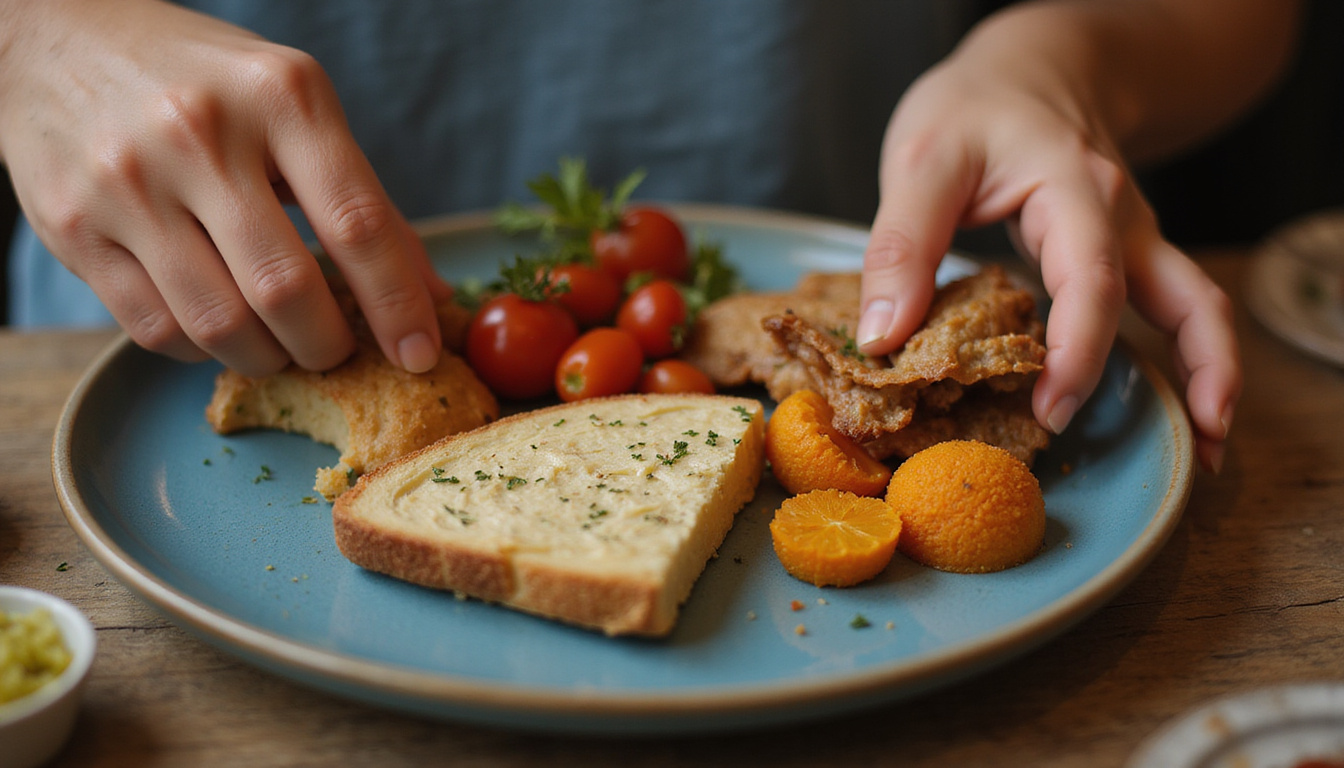
Use Color Intentionally
- Green and fresh herbs to emphasize spring (for karpas and chazeret).
- Red wine in charoset to hint at both blood and liberation.
- Dark plate with bright foods to represent the move from darkness to light.
Play with Texture and Height
- Place maror on a small pedestal dish so its “bitterness” is literally elevated and visible.
- Use contrasting bowls (smooth vs. rough, glass vs. ceramic) to reflect the tension between suffering and sweetness.
Label for Learning
- Add simple labels in Hebrew and English for each element.
- Include short “prompt words” like Freedom, Memory, Bitterness, Hope to spark discussion.
Involving Everyone: Interactive Seder Plate Rituals
A creative Seder plate can invite participation instead of just being a static centerpiece.
Here are some ways to make the plate interactive:
- Question cards: Place small cards under each bowl with age-appropriate questions (e.g., “What still feels bitter in our world?” for maror).
- Blessing circle: When lifting the plate or pointing to an item, invite different guests to explain or add their own reflection.
- Build-your-own charoset: Put the base mixture on the Seder plate, but let guests spice or sweeten small portions to taste. This can represent the idea that people experience history differently.
Balancing Tradition and Innovation
Some guests may value strict adherence to tradition; others may be drawn to new rituals. The Seder plate is a good place to model respectful balance.
- Keep all six traditional items clearly present.
- Introduce new symbols thoughtfully, with explanation.
- If you experiment with arrangement, explain the reasoning: “We placed maror and charoset side by side to show how sweetness and bitterness mingle in our stories.”
This approach roots innovation in respect, not rejection, of tradition.
Practical Checklist: Getting Your Seder Plate Ready
Use this checklist to prepare:
- Gather the six traditional items
- Shank bone or alternative (e.g., roasted beet)
- Roasted egg
- Bitter herb (maror)
- Sweet mixture (charoset)
- Vegetable (karpas)
- Second bitter herb (chazeret), if your custom includes it
- Decide on any additional symbols
- Orange, olive, Miriam’s cup, etc.
- Choose plate(s)
- One central artistic plate
- Additional smaller plates for a long table
- Prepare labels or a visual guide
- Especially helpful if you have guests unfamiliar with the rituals
- Plan one discussion question per item
- So the Seder plate becomes a springboard for conversation, not just a set of props
FAQ: Seder Plate Basics and Variations
1. What are the six items on a traditional Seder plate?
The six traditional items are zeroa (shank bone), beitzah (roasted egg), maror (bitter herb), charoset (sweet mixture symbolizing mortar), karpas (a vegetable dipped in salt water), and chazeret (a second bitter herb, often used for the korech sandwich). Some communities omit chazeret on the plate, but it remains a widespread custom to include it.
2. Can I use a vegetarian or vegan Seder plate?
Yes. Many vegetarians substitute a roasted beet for the shank bone, drawing on classical sources that allowed a beet as symbolic of the sacrifice. The rest of the elements—egg, maror, charoset, and karpas—can be prepared in vegetarian or vegan forms. Just keep the symbolism and order of the Seder plate intact.
3. Do I need a special Passover plate or can I improvise a Pesach Seder plate?
You don’t need a specially manufactured ritual object. A simple platter with six small bowls or ramekins can serve as a perfectly valid Passover Seder plate. What matters is that each food is present, recognizable, and used at the appropriate points during the Haggadah, not the material or cost of the plate itself.
The Seder plate is both a map of the Seder and a mirror of your community’s story. With a bit of intention, you can arrange it in ways that deepen connection, invite questions, and bring ancient symbols vividly into the present.
As you prepare for Passover, take the time to design a Seder plate that reflects your values, your family’s journey, and the themes you most want to explore this year. Gather your materials, invite others to help you create or decorate the plate, and consider adding one or two new conversation-starting elements. By doing so, you’ll transform your table into a living classroom of freedom—and make this year’s Seder more memorable, meaningful, and inspiring for everyone who sits around it.
Sacred objects often carry deep cultural and spiritual meaning. Learn how these symbols relate to history, spirituality, and the human mind by exploring more articles at SpiritualMindScience.com.