Sandalwood has been prized for centuries in Ayurveda, traditional Chinese medicine, and spiritual rituals—and for good reason. This fragrant wood and its essential oil offer a powerful blend of beauty, wellness, and home-care benefits. From calming irritated skin and strengthening hair to purifying your living space, sandalwood can become a versatile natural staple in your daily life.
Below, you’ll learn exactly how to use sandalwood safely and effectively for your skin, hair, and home, plus how to choose high-quality products in a market full of imitations.
What Is Sandalwood and Why Is It So Special?
Sandalwood comes from the heartwood of trees in the Santalum family, especially Indian sandalwood (Santalum album) and Australian sandalwood (Santalum spicatum). When distilled, the wood yields a rich, sweet, woody essential oil that’s highly concentrated in compounds like alpha- and beta-santalol, known for their soothing and anti-inflammatory properties.
Key reasons sandalwood stands out:
- Distinctive, long-lasting aroma that’s both grounding and uplifting
- Skin-calming and wound-soothing properties
- Potential anti-inflammatory and antimicrobial actions
- Deep cultural and spiritual significance in many traditions
Because genuine sandalwood is slow-growing and heavily harvested, it’s considered precious. That makes it important to understand what you’re buying and how to use it wisely.
Sandalwood for Skin: Calm, Clear, and Naturally Glowing
Sandalwood has a long history in skincare, especially in Ayurveda, where it’s used to cool and soothe “pitta” conditions such as redness, inflammation, and heat rashes.
Key Skin Benefits of Sandalwood
-
Soothes Redness and Irritation
Sandalwood is known for its calming effect on irritated or sensitive skin. Many people find it helpful for:- Mild sunburn (when diluted properly)
- Heat rashes
- Post-shaving redness
- Occasional flare-ups of sensitivity
-
Helps Manage Blemish-Prone Skin
Sandalwood’s mild antimicrobial and astringent qualities may help:- Gently dry out active spots
- Support a cleaner skin surface
- Reduce the look of enlarged pores
It shouldn’t replace medical treatment for persistent acne, but it can be a soothing supporting ingredient.
-
Softens and Smooths Texture
As part of a consistent routine, sandalwood-based products can help:- Improve the feel of rough or flaky patches
- Support a more refined-looking texture
- Leave skin feeling soft and supple
-
Aromatherapeutic Relaxation for the Skin and Mind
The scent of sandalwood alone can reduce feelings of stress and support a sense of calm, which may indirectly benefit your skin by promoting better sleep and relaxation (source: National Institutes of Health).
How to Use Sandalwood for Skin Safely
Sandalwood Essential Oil (Diluted Only)
Never apply sandalwood essential oil neat (undiluted) on your skin. Instead:
- Blend 1–2 drops of sandalwood essential oil into 1 teaspoon (5 ml) of a carrier oil (like jojoba, sweet almond, or grapeseed).
- Patch test on a small area of inner arm for 24 hours to check for sensitivity.
- Use as a facial oil only if your skin tolerates oils well; otherwise, apply on body or pulse points.
DIY Sandalwood Face Mask (for Normal to Oily Skin)
You can use sandalwood powder to create a simple, traditional mask:
- 1 teaspoon sandalwood powder
- 1–2 teaspoons rose water or plain yogurt
- Optional: 1–2 drops honey for added moisture
Mix to a paste, apply to clean skin, avoid the eye area, leave for 10–15 minutes, and rinse with lukewarm water. Use 1–2 times per week.
Precautions:
- If you have very sensitive or reactive skin, consult a dermatologist before use.
- Avoid using undiluted essential oil, especially on broken or compromised skin.
- Discontinue use if you experience burning, itching, or rash.
Sandalwood for Hair: Scalp Soother and Natural Perfume
Beyond skincare, sandalwood can be a luxurious addition to your hair-care routine, especially if you struggle with a dry scalp, stress-related hair issues, or simply want a more natural signature scent.
Benefits for Hair and Scalp
-
Scalp-Calming Support
Diluted sandalwood oil massages can:- Support a more comfortable, less irritated scalp
- Help reduce feelings of dryness or tightness
- Pair well with other scalp-friendly oils like coconut or jojoba
-
Stress Relief for Hair Health
We know that chronic stress can impact hair growth cycles. The soothing aroma of sandalwood during a scalp massage can:- Support relaxation
- Complement healthy hair practices (balanced nutrition, gentle styling, good sleep)
-
Light, Long-Lasting Fragrance
Sandalwood’s scent lingers beautifully in hair, making it ideal for:- Natural hair perfumes or hair mists
- Blending with floral notes like jasmine or rose water
Simple Ways to Use Sandalwood in Hair Care
1. Pre-Shampoo Scalp Oil Treatment
- 1 tablespoon carrier oil (coconut, jojoba, or argan)
- 2–3 drops sandalwood essential oil
Gently massage into the scalp 30–60 minutes before shampooing, then wash out with a mild, sulfate-free shampoo. Use once a week.
2. Scented Leave-In Hair Mist
- 1/2 cup distilled water or rose water
- 1 teaspoon glycerin (optional, for light hydration)
- 4–5 drops sandalwood essential oil, pre-mixed in 1 teaspoon alcohol (like vodka) or solubilizer
Shake well before each use and lightly mist onto lengths of hair, avoiding the roots if your hair gets oily easily.
3. Boosting Your Conditioner
Add 1–2 drops of sandalwood essential oil to a palmful of your regular conditioner just before applying. Mix in your hand, apply to mid-lengths and ends, leave on a few minutes, then rinse thoroughly.
Always observe:
- Keep essential oil concentration low to avoid irritation.
- Patch test on the skin behind your ear before full use.
- Avoid contact with eyes; rinse immediately if it occurs.
Sandalwood for Home: A Natural, Calming Sanctuary
Sandalwood isn’t just for personal care; it can transform your living space into a serene retreat. The aroma is often described as meditative, warm, and comforting.
Home Benefits of Sandalwood
- Stress Reduction: Ideal for bedrooms, meditation corners, or living rooms.
- Air Freshening: Helps neutralize musty or stale odors without synthetic fragrances.
- Ritual & Mindfulness: Perfect for yoga, prayer, journaling, or evening wind-down routines.
Ways to Use Sandalwood in Your Home
- Diffusing Sandalwood Essential Oil
Add 3–5 drops of sandalwood essential oil to an ultrasonic diffuser filled with water. Diffuse for 30–60 minutes to:
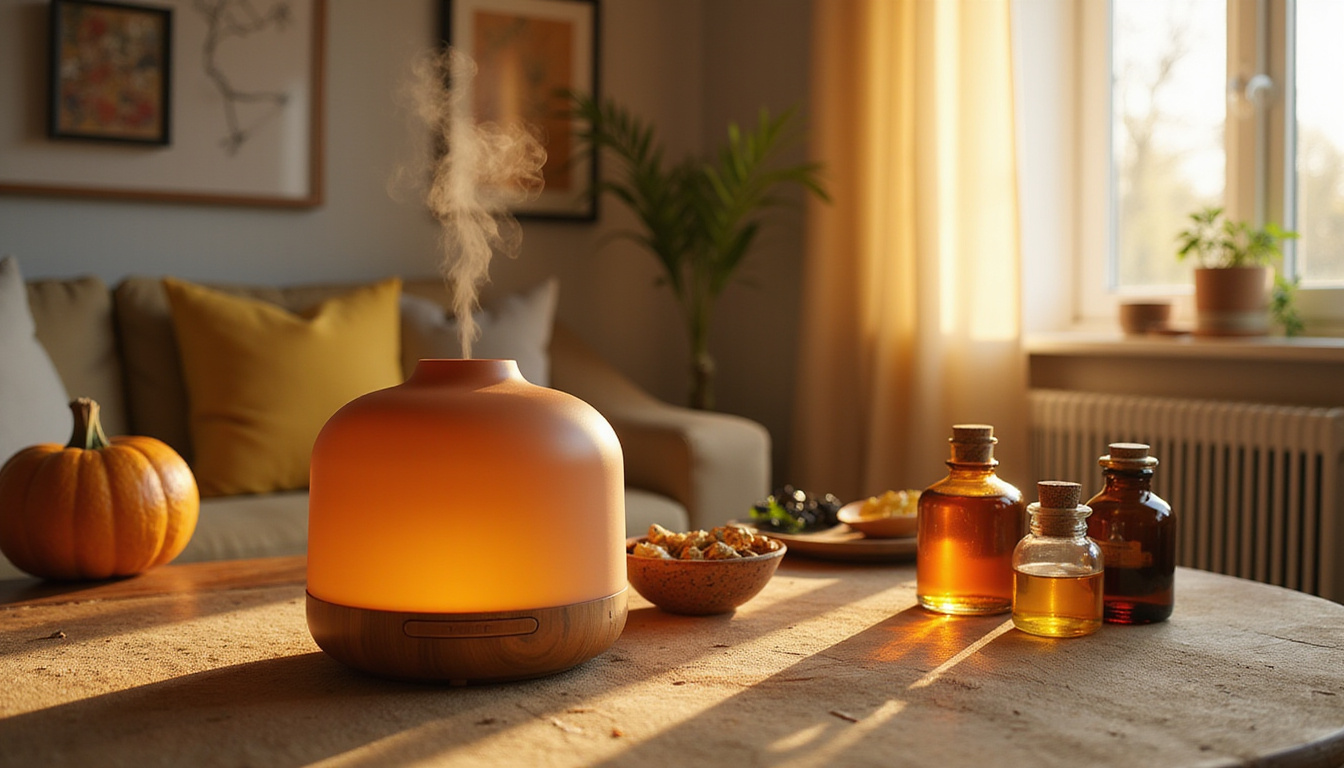
- Create a calming environment after a long day
- Support focus during study, reading, or creative work
- Enhance meditation or breathwork sessions
- Sandalwood Incense or Cones
Choose high-quality, low-smoke incense made with real sandalwood powder:
- Burn for short periods in well-ventilated rooms.
- Use on a heat-safe holder and never leave unattended.
- Ideal for short rituals, spiritual practices, and evening relaxation.
- Scented Drawer or Closet Sachets
You can make simple sachets using:
- Small cotton or muslin bags
- Sandalwood chips or powder
- Optional: mix with dried rose petals or lavender
Place in drawers, linen cupboards, or closets to give your clothes and sheets a subtle, earthy fragrance.
- DIY Room Spray
- 1/2 cup distilled water
- 1 tablespoon witch hazel or vodka
- 8–10 drops sandalwood essential oil
Combine in a spray bottle, shake before use, and spritz lightly around the room, avoiding direct contact with delicate fabrics or wood surfaces.
Choosing Quality Sandalwood (And Avoiding Fakes)
Because real sandalwood is costly and highly regulated, the market is full of adulterated oils and synthetic substitutes. Choosing wisely helps you get both the benefits you want and a product that aligns with your values.
What to Look For:
- Botanical Name on Label:
- Indian sandalwood: Santalum album
- Australian sandalwood: Santalum spicatum
- Country of Origin:
- Credible brands clearly list origin and sometimes harvest details.
- GC/MS Testing:
- Reputable essential oil companies often provide gas chromatography/mass spectrometry reports showing purity.
- Glass, Dark-Colored Bottles:
- Protects the oil from light and oxidation.
- Price Realism:
- Genuine sandalwood is expensive. Very cheap bottles are often synthetic blends or highly diluted.
Indian vs. Australian Sandalwood
-
Indian Sandalwood (Santalum album):
- Traditional, highly prized scent—sweet, creamy, deeply woody.
- Often costlier and under tighter regulation due to overharvesting.
-
Australian Sandalwood (Santalum spicatum):
- Woodier, drier scent but still warm and pleasant.
- More sustainable sources are available, sometimes at lower cost.
For most home and personal care uses, either can be beautiful, as long as the oil is pure and responsibly sourced.
Safety Tips and Who Should Be Cautious
Although sandalwood is generally well-tolerated when used correctly, it’s still a potent natural ingredient.
Keep in mind:
- Always dilute essential oil before applying to skin or scalp.
- Avoid internal consumption unless under the guidance of a qualified practitioner.
- Pregnant or breastfeeding individuals should consult a healthcare provider before using essential oils.
- People with asthma or scent sensitivities should introduce sandalwood slowly and ensure good ventilation.
- Store sandalwood products away from children and pets.
If you’re under treatment for a skin condition, respiratory issue, or chronic illness, discuss new essential oil use with your healthcare provider first.
Quick-Start Guide: 5 Simple Sandalwood Uses
To make it easy, here’s a short list you can try over the next few weeks:
- Add 3–5 drops of sandalwood to your diffuser in the evening for a calming atmosphere.
- Use a sandalwood powder and rose water mask once a week for a gentle skin ritual.
- Do a diluted sandalwood scalp massage before shampoo for 20–30 minutes.
- Make a small sandalwood sachet to slip into your pillowcase or bedside drawer.
- Add 1–2 drops of sandalwood to your body oil or unscented lotion for a subtle all-day fragrance.
FAQ: Sandalwood and Its Everyday Uses
Q1: Is sandalwood good for face care every day?
Yes, sandalwood can be part of a daily routine if your skin tolerates it, but it’s best used in low concentrations. Daily use is usually safer in pre-formulated creams, serums, or toners containing sandalwood extract rather than applying sandalwood essential oil directly. Always listen to your skin and reduce frequency if you notice dryness or sensitivity.
Q2: What is sandalwood oil used for in hair care?
Sandalwood oil is commonly used in hair care to enhance relaxation during scalp massage, support comfort on a dry scalp, and provide a soft, long-lasting fragrance. Diluted sandalwood essential oil can be added to pre-shampoo treatments, conditioners, or hair mists for these benefits.
Q3: How can I use sandalwood at home without incense smoke?
If you want the fragrance of sandalwood without smoke, use an ultrasonic diffuser with sandalwood essential oil, create a sandalwood room spray, or place sachets filled with sandalwood chips in drawers, closets, or near your bed. These methods gently scent your space without burning anything.
Bring Sandalwood into Your Daily Rituals
Sandalwood isn’t just a trendy ingredient—it’s a time-tested ally for calmer skin, more serene hair rituals, and a home that feels like a sanctuary. By choosing pure, responsibly sourced sandalwood and using it thoughtfully, you can tap into centuries of wisdom in a way that fits your modern life.
If you’re ready to experience its benefits firsthand, start small: pick one skin ritual, one hair treatment, and one home-use method from this guide and try them consistently for a few weeks. As you notice what your body and senses respond to, you can gradually build a personalized sandalwood routine that supports your wellbeing from head to home.
Now is the perfect moment to transform your self-care and living space—one drop, one breath, and one sandalwood-infused ritual at a time.
Throughout history, many plants and herbs have been associated with luck, protection, and prosperity. To explore their deeper spiritual, psychological, and scientific significance, visit SpiritualMindScience.com.