Few plants are as intriguing, misunderstood, and surprisingly useful as rue. Known botanically as Ruta graveolens, this strongly aromatic herb has been woven into history, medicine, folklore, and food for centuries. Today, gardeners, herbal enthusiasts, and adventurous cooks are rediscovering rue for its ornamental value, pest-repelling powers, and carefully used traditional applications.
This guide walks you through the secrets of rue in the garden, the kitchen, and traditional healing—along with essential safety tips you must know before using it.
What Is Rue? A Quick Overview
Rue is a small, woody perennial herb native to the Mediterranean region but now grown worldwide. It’s easily recognized by:
- Blue-green, finely divided leaves
- Yellow, star-shaped summer flowers
- A strong, almost pungent aroma
Historically, rue has been associated with protection, purification, and sharp vision—both literal and metaphorical. It shows up in ancient Greek, Roman, and medieval texts as a medicinal and ritual plant and was even mentioned by Shakespeare.
Despite its benefits, rue is also a plant that demands respect. It contains powerful compounds that can irritate the skin and should never be used carelessly.
Growing Rue in Your Garden: Hardy, Beautiful, and Practical
For gardeners, rue offers a rare combination: it’s attractive, tough, and functionally helpful. If you want a low-maintenance perennial with old-world charm, rue might be the perfect addition.
Ideal Growing Conditions for Rue
Rue is remarkably forgiving, but it thrives best when you match its Mediterranean origins:
- Light: Full sun (at least 6 hours daily). It will tolerate light shade, but flowering may be reduced.
- Soil: Well-drained, moderately fertile, and on the dry side. Rue hates waterlogged roots.
- Water: Drought-tolerant once established; water deeply but infrequently.
- Hardiness: Typically hardy in USDA Zones 4–9, depending on local conditions and winter protection.
Giving rue poor-to-average soil is actually a benefit; overly rich soil can encourage weak, leggy growth.
How to Plant and Propagate Rue
You can start rue from seed, cuttings, or nursery plants:
-
From seed:
- Start indoors 6–8 weeks before last frost.
- Lightly press seeds into the surface; they need light to germinate.
- Keep moist but not soggy; germination may take 2–3 weeks.
-
From cuttings:
- Take softwood cuttings in late spring or early summer.
- Remove lower leaves, dip in rooting hormone (optional), and place in a light, well-draining medium.
- Maintain high humidity until rooted.
-
From nursery plants:
- Plant in spring or early fall.
- Space plants about 12–18 inches apart for a small hedge or mass planting.
Rue as a Companion Plant and Pest Deterrent
One of rue’s biggest garden “secrets” is its use as a natural deterrent:
- Repels some insects and animals: Rue’s strong scent is reported to discourage certain garden pests and even browsing cats and dogs.
- Attracts beneficial insects: The flowers can attract pollinators and beneficial wasps.
Caution: Rue can inhibit growth of some plants if placed too close (allelopathic effects have been reported), so avoid planting right next to sensitive herbs like basil.
Safety Tip: Handling Rue in the Garden
Rue can cause photodermatitis—a skin reaction when plant sap on your skin is exposed to sunlight. To minimize risk:
- Wear gloves and long sleeves when pruning or harvesting.
- Avoid handling the plant in strong sun.
- Wash exposed skin promptly with soap and water.
People with sensitive skin should be especially cautious.
Rue in the Kitchen: A Bold Flavor Best Used with Care
Historically, rue has been used as a culinary herb in small quantities, especially in Mediterranean and Ethiopian cuisines. Today, its use in modern cooking is niche but fascinating.
What Does Rue Taste Like?
The flavor of rue is:
- Bitter and slightly acrid
- Strongly aromatic, somewhat resinous
- Comparable, in intensity, to a cross between strong herbs like sage and citrus peel, with a medicinal undertone
Because it’s so potent, rue is always used very sparingly—often just a leaf or two in an entire dish.
Traditional Culinary Uses of Rue
Some culturally significant uses include:
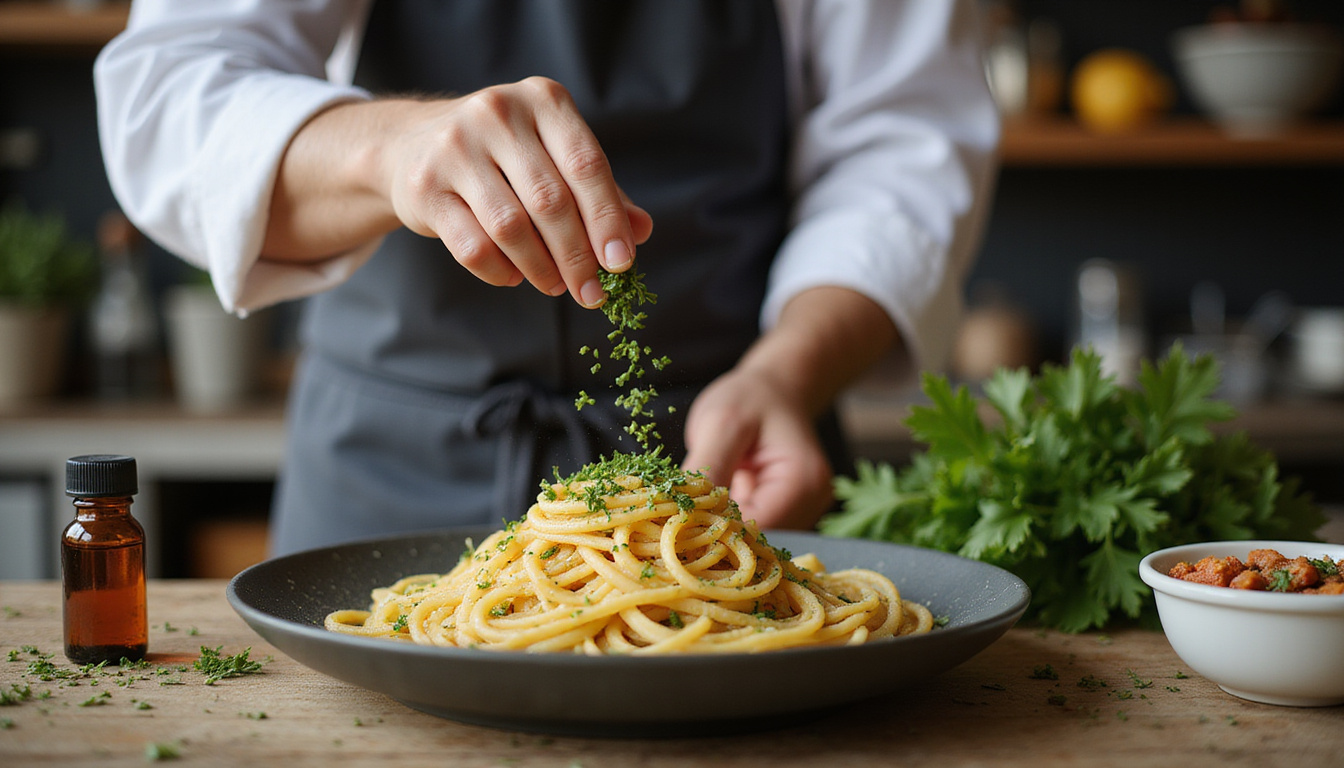
- Italian and Mediterranean liqueurs: Rue leaves have been infused in grappa or other spirits to make an herbal digestif.
- Ethiopian cuisine: In Ethiopia, rue (known as “Tenadam”) is used in tiny amounts to flavor coffee and some traditional dishes.
- Pickling and seasoning: Historically, it has been added to pickles, cheese, and rich meat dishes in tiny quantities to cut heaviness.
Because many traditional uses predate modern safety standards, it’s essential to approach culinary use of rue with caution and moderation.
How to Use Rue Safely in Cooking
If you decide to explore rue in the kitchen:
- Use only very small amounts (e.g., 1–2 small leaves for a dish serving several people).
- Avoid giving dishes containing rue to pregnant individuals, children, or people with liver/kidney issues.
- Never rely on rue as a “bitter tonic” without professional guidance.
A simple, modern approach is to use rue as a flavoring infusion you remove before serving—much like bay leaves.
Rue in Herbal Traditions: Benefits and Serious Warnings
Rue has a long history in traditional medicine systems, where it has been used for a wide range of purposes. Modern herbalists treat it as a powerful and potentially hazardous plant.
Traditional Uses of Rue
In herbal traditions (not medical recommendations), rue has been used:
- As a digestive bitter to stimulate appetite and digestion
- As a calming herb in very small doses for tension and nervousness
- For menstrual support, historically used to stimulate delayed menstruation
- As a topical application for bruises and joint discomfort (often in poultices or infused oils)
Some of these uses are tied to known plant constituents like furanocoumarins and alkaloids, which can affect blood vessels and the nervous system.
What Science Says (and Doesn’t Say)
Modern research on rue is limited and not robust enough to support clear therapeutic recommendations. Studies have looked at:
- Antioxidant and antimicrobial potential
- Smooth muscle effects, possibly explaining its traditional menstrual and digestive uses
- Some anti-inflammatory and insecticidal activities
However, much of the existing work is preliminary or done in test tubes and animals, not humans. Health authorities emphasize that rue can be toxic in higher doses and is absolutely unsafe in pregnancy (source: National Center for Biotechnology Information).
Rue Toxicity and Safety Precautions
This is critical:
Rue is not a gentle herb. Incorrect or excessive internal use can cause serious harm.
Potential risks include:
- Gastrointestinal distress: Nausea, vomiting, abdominal pain
- Liver and kidney damage with high or prolonged doses
- Neurological symptoms in severe cases
- Photodermatitis from skin contact plus sun exposure
- Severe pregnancy risks: Historically known as an abortifacient; can cause miscarriage and uterine bleeding
For these reasons:
- Do not use rue internally during pregnancy or if you might become pregnant.
- Do not self-prescribe high or frequent doses for any condition.
- Consult a qualified healthcare professional before using rue medicinally, especially if you have existing health conditions or take medications.
Topical use also requires caution. Always patch test a very diluted preparation and avoid exposure to sun on treated areas.
Practical Ways to Enjoy Rue Safely
If you’re drawn to rue’s history and character but want to stay on the safe side, focus on low-risk applications:
1. Ornamental and Landscape Use
- Plant rue in a sunny border or herb garden as a textural accent.
- Use it in cottage garden designs or historical garden recreations.
- Combine with drought-tolerant herbs like lavender, thyme, and sage.
2. Pollinator-Friendly Planting
Allow rue to flower to provide nectar for beneficial insects and add interest to your garden from mid- to late summer.
3. Low-Dose, Occasional Culinary Experimentation
If you’re experienced with strong herbs and are not pregnant or medically vulnerable, you might:
- Add one tiny leaf of rue to a pot of hearty stew and remove before serving.
- Try a single sprig in a homemade herbal vinegar that’s used sparingly as a seasoning, then evaluate how you tolerate it.
Keep doses minimal and occasional; rue is not a daily-use culinary herb like parsley or thyme.
4. Education and Herbal Study
Rue is an excellent plant for students of:
- Herbal history – learning how perceptions of plant safety evolved
- Botany and plant chemistry – exploring complex secondary metabolites
- Traditional medicine systems – understanding cultural uses and knowledge
Studying rue can deepen your appreciation of how powerful plants can be—and why respect and caution are essential.
Simple Rue Care Checklist
To recap the most practical aspects, here’s a quick-reference list for gardeners:
- Choose full sun and well-drained soil.
- Water sparingly once established.
- Wear gloves and long sleeves when pruning or harvesting.
- Place away from plants known to be sensitive to allelopathic neighbors.
- Allow some plants to flower for pollinators.
- Cut back lightly after flowering to maintain shape.
FAQ About Rue
Is rue plant safe to grow around pets and children?
Growing rue in the garden is generally safe as an ornamental, but it’s wise to be cautious. Rue tastes very bitter, so most animals and children are unlikely to consume much. However, ingestion of significant amounts can be toxic, and sap can irritate the skin. Plant it where unsupervised nibbling is unlikely, and teach children not to eat unknown plants.
What are common rue uses in home gardens?
Common rue uses include ornamental planting, light companion-planting for potential pest deterrence, and as a historical herb in themed gardens. Some gardeners also dry small amounts of rue leaves for occasional, cautious culinary experiments or educational herbal projects.
How is herb rue different from other bitter herbs?
Herb rue is far stronger and more hazardous than everyday bitter herbs like dandelion or gentian used in modern bitters formulas. While all bitters stimulate digestion, rue contains additional compounds associated with phototoxicity and toxicity at relatively low doses. It must be treated with far more caution and is not interchangeable with milder bitter herbs.
Bring Rue into Your World—With Respect and Intention
Rue is not a trendy “superfood” or a casual kitchen herb; it’s an old, powerful plant with a story that stretches back thousands of years. In the garden, rue offers resilient beauty, subtle pest-deterring benefits, and a living connection to history. In the kitchen and traditional medicine, it demands precise, cautious use and a clear understanding of its risks.
If you’re intrigued by rue, start by growing it as an ornamental and learning its habits, fragrance, and seasonal rhythms. From there, you can carefully explore its culinary and historical roles—with solid research, respect for your own health, and professional guidance where needed.
Ready to deepen your relationship with traditional herbs? Begin by adding a rue plant to your garden plan this season, and use it as a gateway to learning more about safe, informed herbal practice. Your garden—and your understanding of powerful plants—will be richer for it.
Throughout history, many plants and herbs have been associated with luck, protection, and prosperity. To explore their deeper spiritual, psychological, and scientific significance, visit SpiritualMindScience.com.