Ritual purity is often treated as something mysterious, complicated, or strictly religious, but at its core it touches everyday life: how we wash, how we eat, how we rest, and how we relate to our own body and mind. Across traditions and cultures, practices of cleansing and preparation help people feel more present, more grounded, and more connected—both spiritually and physically.
This article explores simple, accessible daily habits that support a sense of ritual purity, without requiring you to follow any specific religion. You can adapt these ideas to your own beliefs, whether secular, spiritual, or rooted in a particular faith.
What is ritual purity, really?
In many traditions, ritual purity refers to a state of readiness for contact with the sacred—prayer, meditation, sacraments, ceremonies, or special times of day. It’s not just about being “clean” in a hygienic sense; it’s a symbolic and practical way of saying:
- I am present.
- I am attentive to my body and my surroundings.
- I am approaching this moment with respect.
Different cultures define ritual purity in different ways. Some focus on water and washing; others, on abstaining from certain foods or actions; still others, on mental clarity and intention. What unites them is the idea that how you prepare yourself affects the quality of what follows.
Modern research even supports parts of this intuition: regular washing, mindful breathing, and healthy sleep hygiene are all linked to better mental health and stress reduction (source: National Institutes of Health via various studies on hygiene, mindfulness, and sleep).
The link between physical cleanliness and spiritual clarity
You don’t need to believe in any specific doctrine to experience the subtle shift that comes from washing your hands before you eat, rinsing your face before meditation, or showering after a long, draining day. Physical purification can:
- Signal to your nervous system that one activity has ended and another has begun.
- Reduce distractions like discomfort, odors, or stickiness that keep you from focusing.
- Create a container of respect around your meals, your conversations, and your spiritual practices.
Think of ritual purity as a bridge. On one side is your everyday, scattered mind. On the other side is a more focused, receptive state. The “ritual” is whatever helps you cross that bridge.
Morning rituals: beginning your day in a state of purity
Your first hour sets the energy for the rest of the day. Simple, consistent habits can turn a rushed morning into a time of clarity.
1. Conscious washing on waking
Many traditions emphasize morning washing as part of ritual purity. Try this:
- Rinse your face, hands, and mouth with cool or lukewarm water.
- As you wash, silently set an intention: “I cleanse away the heaviness of sleep and prepare for a clear, focused day.”
- Dry gently instead of roughly; treat it as the first act of self-respect.
If your tradition prescribes a more specific purification (like full-body washing, ablution, or a particular sequence), you can easily integrate this intention into that practice.
2. A brief breath-clearing practice
Before reaching for your phone, take 2–3 minutes:
- Sit upright and comfortable.
- Inhale slowly through the nose for a count of 4.
- Hold gently for a count of 2.
- Exhale slowly for a count of 6.
- Repeat 5–10 cycles.
This mini-practice “clears the air” of mental residue: worry, leftover dreams, or anticipatory stress.
3. A clean, uncluttered corner
You don’t need a full altar or meditation room. Choose one small area—a bedside table, a corner of your desk, or a windowsill—and keep it intentionally clear. You might place:
- A glass of fresh water
- A candle (real or electric)
- A single meaningful object (stone, leaf, photo, or symbol)
Approach this spot each morning, even briefly. The repeated act of coming to a clean, ordered place reinforces inner clarity.
Mealtime as a daily practice of ritual purity
Food is one of the most powerful opportunities for everyday ritual. You interact with meals multiple times a day; turning each into a small act of ritual purity can transform your relationship with nourishment.
1. Pre-meal purification
Before eating, pause for 30–60 seconds:
- Wash your hands thoroughly, not just for hygiene but with intention: “I cleanse my hands to receive this food with respect.”
- If water isn’t available, a quick mental pause—three slow breaths—can serve as a “micro-cleansing” of attention.
2. Single-tasking while eating
Divided attention can create a kind of inner “impurity”: noise, agitation, and a sense of never fully arriving in any moment.
Try, at least for one meal each day:
- No phone, TV, or scrolling while you eat.
- Take the first three bites in silence, noticing flavor, texture, and the effort that went into providing the food.
- Chew more slowly than usual, as if your body and mind are catching up with each other.
This turns eating into a simple, accessible ritual that purifies haste and distraction.
3. Gentle post-meal reset
After eating, signal closure:
- Rinse your mouth or drink a few sips of water.
- Clear your place at the table completely.
- Take one deep breath before moving on to your next activity.
You’re teaching your body and mind to move through the day in distinct, intentional phases, rather than as an unbroken blur.
Evening cleansing: releasing the day
As day closes, ritual purity helps you let go of accumulated tension, interactions, and mental clutter.
1. A deliberate end-of-day wash
If possible, bathe or shower in the evening. Even a quick rinse can function as a powerful ritual:
- Imagine the water carrying away the emotional residue of the day: conversations, frustrations, anxieties.
- You might say silently: “I release what is no longer mine to carry.”
If a full shower isn’t realistic, simply washing face, hands, and feet can still provide a somatic sense of reset.
2. Clothing as boundary
Changing from “outside” clothes to “inside” or “sleep” clothes is a subtle but potent signal of transition. Treat it as part of your ritual purity practice:
- Remove jewelry, shoes, or items associated with work.
- Put on clean, comfortable clothing specifically reserved for rest or home.
- Notice the shift in how your body feels and how you move.
3. Clearing your space before sleep
Before bed, spend 3–5 minutes restoring a small area:
- Tidy surfaces near your bed or where you’ll wake up.
- Put away visible clutter, even if it’s just stacking or boxing it more neatly.
- Dim lights to communicate “this space is now for rest.”
By purifying your environment, you indirectly purify your mental state; visual chaos fuels mental chaos.
Mental and emotional purification: clearing inner residue
Ritual purity isn’t only about the body and environment. Unresolved thoughts, lingering resentment, and unexamined anxiety can cloud your inner world. Gentle, regular practices keep this “inner atmosphere” fresh.
1. The 5-minute mental sweep
Once a day, ideally in the evening:
- Sit somewhere quiet.
- Set a timer for 5 minutes.
- Write (on paper or in a note app) whatever is still looping in your mind—tasks, worries, irritations.
- When the timer ends, close the note or fold the paper. You are not solving; you are just releasing.
Think of this as cognitive decluttering: you’ve moved the contents from your mind to a safe container.
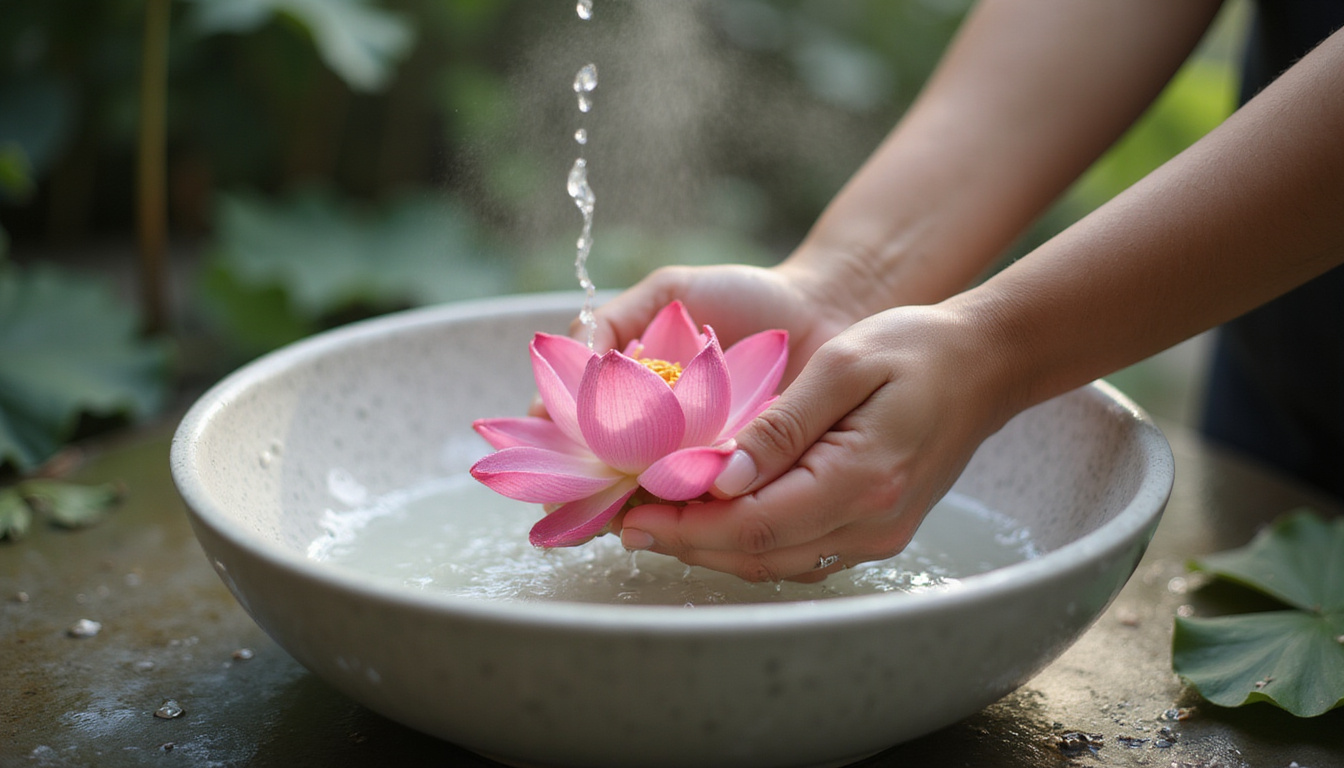
2. Short forgiveness and release ritual
You don’t have to force forgiveness, but you can practice micro-releases:
- Recall one irritation from the day.
- Inhale deeply; on the exhale, say silently: “For now, I put this down.”
- If your tradition includes a prayer or phrase for forgiveness or peace, you can recite it here.
Repeated daily, this makes letting go a habit rather than a rare, dramatic event.
3. Digital purification
Your devices carry a lot of “residue”: messages, images, demands. Practice digital ritual purity:
- Set a daily time when you log out or silence notifications.
- Remove at least one non-essential app or subscription each month.
- Before opening social media, pause for one breath and ask, “What am I truly seeking here?”
This is not about rejection of technology, but about intentional contact.
A simple daily ritual purity routine (sample)
To make this practical, here’s a streamlined routine you can adapt. Aim for consistency over perfection.
Morning (10–15 minutes)
- Wash face, hands, and mouth with intention.
- 5 minutes of gentle breathing or quiet sitting.
- Visit your “clear corner” and set a simple intention for the day.
Midday / Mealtime (3–5 minutes per meal)
- Wash hands consciously before eating.
- Take first three bites in silence.
- Clear your eating space when finished.
Evening (15–20 minutes total)
- Quick shower or wash of face/hands/feet with a release intention.
- Change into “rest” clothing.
- 5-minute mental sweep and brief release/forgiveness practice.
- 3–5 minutes of physical tidying in your sleep area.
Even this modest structure can noticeably shift your sense of clarity, presence, and calm within a few weeks.
Common obstacles and how to work with them
“I don’t have time for ritual purity.”
Most of the practices above are either very brief or attached to things you already do—washing, eating, changing clothes. Start with one or two habits and add more only when they feel natural.
“This feels too ‘spiritual’ for me.”
You can frame ritual purity entirely in secular terms: as micro-routines that support mental health, stress management, and better hygiene. You don’t have to use religious language; the key is intention and consistency.
“I’m afraid I’ll become rigid or obsessive.”
Healthy ritual purity is flexible and compassionate, not punishing. Signs you’re on a good path:
- You feel calmer, not more anxious.
- You can skip or adapt a practice without feeling guilty or “contaminated.”
- The rituals support your life rather than control it.
If practices feel compulsive or distressing, it may help to speak with a mental health professional, especially if you have a history of OCD or anxiety.
FAQ: Understanding ritual purity in daily life
Q1: How can I practice ritual purity in a modern lifestyle without following a specific religion?
You can focus on universal elements of ritual purity: intentional washing, brief moments of silence before important activities, and simple actions that mark transitions (like changing clothes or tidying a space). Tie them to everyday routines—waking, eating, working, and sleeping—using language and symbolism that feel authentic to you.
Q2: What is the difference between ritual cleanliness and regular hygiene?
Regular hygiene aims to keep the body healthy and free from germs. Ritual cleanliness adds a layer of meaning and intention, turning the same physical acts—like handwashing or bathing—into symbolic preparation for focused, respectful activity. The water is the same; the attitude and awareness are different.
Q3: Can small habits really improve my sense of spiritual purity and clarity?
Yes. Repeated small actions shape how your nervous system and mind experience the day. Simple practices—mindful washing, clearing a corner of your space, taking three conscious breaths before eating—create cues of safety, transition, and respect. Over time, these reinforce a steady baseline of clarity that many people describe as feeling more “pure,” grounded, or inwardly quiet.
Bringing ritual purity into your life—starting today
Ritual purity doesn’t require special tools, elaborate ceremonies, or rigid rules. It thrives on small, consistent gestures: how you touch water, how you sit with your breath, how you cross from one part of your day into another. These are choices available to you right now, regardless of your background or beliefs.
Choose one practice from this article—a morning wash with intention, a phone-free meal, a 5-minute evening mental sweep—and commit to it for the next seven days. Notice how your body feels, how your mind responds, and how your sense of inner order shifts.
If you find even a small benefit, gently build from there. Over time, you can craft a personalized pattern of ritual purity that brings more spiritual and physical clarity into every day—one simple habit at a time.
Cultural superstitions have shaped traditions and beliefs for generations. Explore the psychology, cultural history, and science behind these fascinating practices at SpiritualMindScience.com.