Ritual implements have been used for thousands of years in spiritual, religious, and magical traditions across the world. Whether you’re drawn to witchcraft, ceremonial magic, folk practices, or simply want to create more intentional moments in your life, understanding ritual implements can help you feel grounded, focused, and empowered. This beginner’s guide walks you through the most common tools, what they mean, and how to use them in a way that feels authentic and respectful.
What are ritual implements?
Ritual implements are physical tools used to support spiritual or magical work. They can help:
- Focus your mind and intention
- Symbolize energies (elements, deities, archetypes)
- Create boundaries (like a circle or sacred space)
- Mark transitions or sacred moments
Different traditions use different tools, but many implements share similar symbolic roles. What matters most is not expensive gear or “perfect” items, but the meaning and intention you bring to them.
Core principles before you start using tools
Before collecting ritual implements, it’s useful to understand a few key principles:
1. Intention is primary
The power of any ritual object comes from how you use it. A simple candle lit with clear intention can be more effective than a table full of elaborate items you don’t understand or connect with.
2. Meaning is personal and cultural
Some meanings are deeply rooted in long-standing traditions (for example, the chalice as a symbol of the sacred feminine in Western esotericism). Others you can define yourself. Be aware of cultural origins and avoid appropriating closed or sacred practices you have not been invited into.
3. Start simple, then deepen
You don’t need every tool on day one. Start with a few core implements, use them regularly, and let the rest evolve naturally as your practice deepens.
Common ritual implements and their meanings
Below are some of the most widely used ritual implements, especially in modern pagan, witchcraft, and ceremonial practices. Many appear across multiple cultures with similar functions.
1. Altar: the anchor of your practice
An altar is a dedicated surface or space where you place your ritual implements. It can be:
- A small shelf
- A corner of a desk
- A portable box you set up and take down
Common uses:
- Focal point for meditation and ritual
- Place to honor ancestors, deities, or your own inner self
- Space for offerings, candles, and symbols of the elements
You can keep your altar permanent or temporary. It doesn’t need to be public or visible; many practitioners keep theirs private.
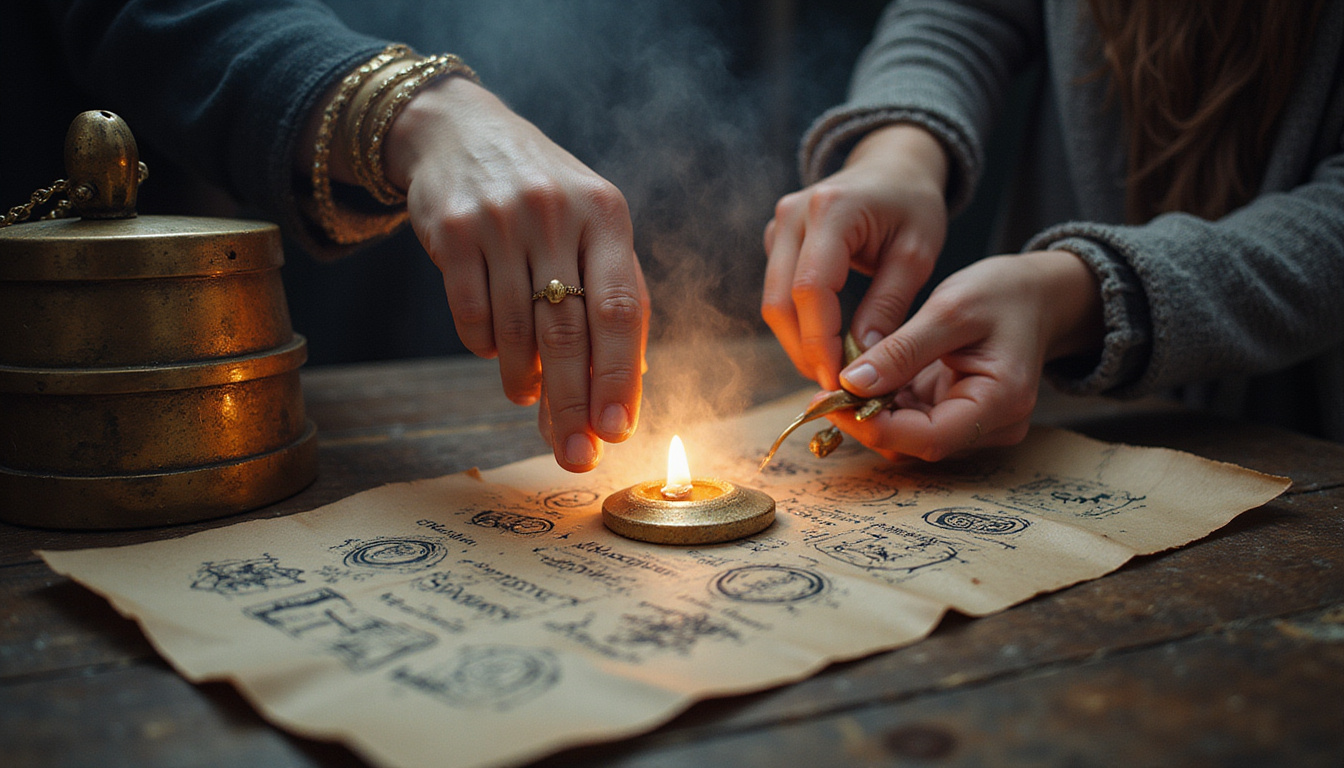
2. Candles: light, transformation, and focus
Candles are among the most accessible ritual implements. Their flame represents:
- Illumination and insight
- Transformation (solid wax becoming liquid and smoke)
- The presence of spirit or the divine
Common uses:
- Marking the start and end of ritual
- Candle magic (charging a candle with a specific intention)
- Meditation focal point
Color correspondences vary by tradition, but a simple baseline:
- White: clarity, protection, all-purpose
- Black: banishing, shadow work, endings
- Red: passion, courage, vitality
- Green: growth, prosperity, healing
- Blue: calm, communication, truth
- Purple: intuition, spiritual insight
3. Athame or ritual knife: directing energy
An athame is a ceremonial blade, often double-edged, traditionally not used for physical cutting. In many Western traditions (such as Wicca), it symbolizes:
- The element of Air or Fire (traditions differ)
- Will, action, and directed energy
- Masculine or active polarity
Uses include:
- Casting or tracing a ritual circle
- Directing energy in spellwork
- Symbolically cutting ties or cords
If sharp blades are uncomfortable or not allowed in your environment, you can substitute a wooden wand, a finger, or even visualization.
4. Wand: channeling intention
The wand is another tool used to direct energy, often associated with:
- The element of Air or Fire (again, varies by system)
- Creativity, communication, and inspiration
Common materials:
- Wood (often from specific trees for specific intentions)
- Crystal wands
- Metal or mixed-material wands
You can make your own wand from a fallen branch, cleanse it, and dedicate it to your practice, which can create a strong personal connection.
5. Chalice or ritual cup: receptivity and emotion
The chalice is a ritual cup used to hold water, wine, tea, or other offerings. Symbolically, it often represents:
- The element of Water
- Emotions, intuition, and the subconscious
- Feminine or receptive polarity
Uses:
- Holding consecrated water or ritual drink
- Sharing a drink in group rituals
- Offering to deities, ancestors, or spirits
A simple mug or glass can function as a chalice; what matters is its ritual use and significance to you.
6. Pentacle or altar plate: grounding and protection
A pentacle is often a disc or plate inscribed with a pentagram or other symbol. It is usually associated with:
- The element of Earth
- Stability, grounding, material reality
- Protection and manifestation
Common uses:
- Placing objects on it to bless or consecrate them
- Focal point for protection or prosperity workings
- Central symbol on an altar
If the pentagram is not aligned with your beliefs, any grounding symbol (stone disc, carved wood, meaningful sigil) can fill a similar role.
7. Incense, herbs, and smoke tools
Scent and smoke are powerful ritual implements for shifting consciousness and symbolically carrying prayers or intentions.
Common tools:
- Incense sticks, cones, or loose incense
- Herb bundles or single herbs (ethical, non-endangered, culturally appropriate)
- Resin incense like frankincense or myrrh
Uses:
- Cleansing spaces, objects, and yourself
- Marking threshold moments in ritual
- Engaging the senses to deepen focus
Important: Ensure good ventilation and be mindful of allergies, pets, and fire safety. Consider smoke-free alternatives like essential oil diffusers or sound if needed.
8. Bowls, dishes, and offering plates
Small dishes and bowls are simple yet versatile ritual implements. They can hold:
- Salt (for purification and grounding)
- Water for cleansing and reflection
- Offerings like food, flowers, or coins
Salt and water together are often used to cleanse tools or a space by sprinkling or anointing.
9. Bells, chimes, and sound tools
Sound is another powerful way to mark the beginning or end of a ritual or shift energy.
Common sound tools:
- Bells or chimes
- Singing bowls
- Drums or rattles
Uses:
- Clearing stagnant energy
- Signaling transitions during ritual
- Aiding in trance, meditation, or journey work
Research suggests sound can have measurable calming and focusing effects on the nervous system when used mindfully (source: National Center for Complementary and Integrative Health).
10. Divination tools: tarot, runes, and more
Divination tools are ritual implements used for insight, reflection, and guidance. Popular choices include:
- Tarot or oracle cards
- Runes
- Pendulums
- Scrying mirrors or bowls of water
These tools don’t “predict the future” in a fixed way; many practitioners use them as mirrors for the psyche, helping you see patterns and possibilities more clearly.
How to choose your first ritual implements
You don’t need to buy everything at once. A simple beginner setup might include:
- A small altar space (even a tray or box lid)
- One candle (white is versatile)
- A bowl of water and a pinch of salt
- One object for each element, if desired (stone for Earth, feather for Air, candle for Fire, shell for Water)
When choosing tools:
- Prioritize safety and practicality
- Choose items that feel meaningful or pleasant to you
- Consider secondhand or handmade objects
- Avoid items that are culturally specific if you’re not part of that culture or invited into the tradition
How to cleanse and consecrate your tools
Many traditions recommend “cleansing” ritual implements before first use and periodically afterward. Cleansing is about removing lingering energies and preparing the tool for your work.
Common cleansing methods:
- Smoke: Waft incense or herb smoke over the tool.
- Salt: Place on a bed of salt (not suitable for all materials).
- Water: Rinse in water (only for water-safe materials).
- Sound: Use a bell, chime, or singing bowl.
- Light: Leave in sunlight or moonlight.
Consecration is the process of dedicating the tool to a specific purpose. A simple consecration:
- Hold the tool in your hands.
- Breathe deeply and focus on your intention.
- Say something like:
“I cleanse and consecrate this [tool] for use in my spiritual practice. May it serve my highest good and the good of all.”
You can adapt the wording to match your beliefs.
Using ritual implements step by step
Here’s a basic structure you can adapt for many types of rituals:
-
Prepare your space
- Tidy the area
- Set up your altar and implements
-
Center yourself
- Take a few deep breaths
- Light a candle to mark the shift into sacred time
-
Cleanse
- Use smoke, sound, or visualization to cleanse yourself and the space
-
Set your intention
- Speak or silently focus on what you are doing and why
-
Perform the working
- Use your tools as needed:
- Cast a circle with an athame or hand
- Use a chalice in a blessing
- Draw a card for insight
- Charge an object on your pentacle
- Use your tools as needed:
-
Give thanks / close
- Thank any beings or forces you’ve invited, if that fits your path
- Extinguish candles deliberately
- Put tools away with care
-
Ground
- Eat or drink something
- Touch the earth or a stone
- Stretch or move your body
This structure supports consistency, which is more important than complexity.
Safety, ethics, and respect in ritual tool use
When working with ritual implements:
- Fire safety: Never leave candles or charcoal unattended. Keep water or a snuffer nearby.
- Ventilation: Use smoke and incense responsibly; consider those with sensitivities.
- Legal and ethical sourcing:
- Avoid endangered herbs, woods, or animal products.
- Be cautious of “white sage” and palo santo; both are linked to overharvesting and cultural appropriation in many contexts.
- Cultural respect: Some tools and symbols belong to closed traditions (e.g., certain Indigenous ceremonial items). Appreciate them from a distance unless you have direct permission and training.
Frequently asked questions about ritual implements
1. What are essential witchcraft tools for beginners?
Beginners in witchcraft often start with a few basic ritual implements: a candle, a bowl of water and salt, and a simple altar space. From there, you might add a wand or athame for directing energy, a chalice for water or offerings, and a form of divination like tarot cards or a pendulum. Focus first on understanding how and why you use each tool rather than collecting many objects.
2. How do I use magical tools if I’m in a small or shared space?
If you live in a dorm, shared home, or can’t display ritual implements openly, choose compact or discreet items: a travel-sized altar box, tealight candles in safe holders, a small cloth that becomes your “sacred space” when laid out, and smoke-free cleansing methods like sound or visualization. Many practitioners use entirely portable setups that can be set up and removed quickly.
3. Can everyday objects become spiritual tools?
Yes. Many people repurpose everyday objects as spiritual tools: a favorite mug as a chalice, a stone from a meaningful place as a grounding talisman, or a simple kitchen knife as a ritual blade reserved only for sacred use. What turns an object into a ritual implement is the intention, consistency, and respect with which you use it.
Ritual implements are invitations to deepen your relationship with yourself, your beliefs, and the world around you. You don’t need a perfect set of tools to begin; you just need willingness, attention, and sincerity. Start small: light a candle with intention, bless a simple object as your first tool, and build your practice step by step.
If you’re ready to go further, choose one or two implements that call to you—perhaps a candle and a chalice, or a wand and a stone—and commit to working with them regularly for a month. Notice how your focus, sense of presence, and connection evolve. Your tools will grow with you, becoming trusted companions on your spiritual path.
Sacred objects often carry deep cultural and spiritual meaning. Learn how these symbols relate to history, spirituality, and the human mind by exploring more articles at SpiritualMindScience.com.