Regalia isn’t just for royalty, graduations, or historic ceremonies. In modern style, regalia has come to mean the distinctive, eye‑catching pieces that instantly signal who you are and what you stand for. Whether you’re dressing for a job interview, a wedding, or a night out, the right statement piece can function like your personal crest—speaking before you ever say a word.
This guide walks you through how to choose statement regalia for any occasion: what to look for, how to balance boldness and subtlety, and how to build a small, powerful collection that feels unmistakably you.
What Is Regalia in Modern Style?
Traditionally, “regalia” refers to the official insignia, robes, and symbols of high rank—think crowns, sashes, military medals, or academic gowns. These items project status, heritage, and authority.
In everyday style, regalia plays a similar role, just in a more personal and flexible way. It’s about:
- Signature pieces that represent your identity
- Items with symbolic or emotional meaning
- Bold accessories that anchor your look
Your regalia might be a vintage signet ring, a sharply tailored blazer with distinctive lapels, or a ceremonial shawl you wear at special family events. The common thread is meaning plus visibility.
The Three Pillars of Great Regalia
To choose statement pieces that work for every occasion, start with three core criteria:
1. Meaning: What Does It Say About You?
Regalia should be personal. Before buying a new “statement” item, ask:
- Does it connect to my culture, heritage, or values?
- Does it tell a story about my journey?
- Will I still care about this five years from now?
Pieces with built‑in meaning naturally become your go‑to regalia because they feel authentic. A simple pendant from your hometown may do more for your presence than a flashy, random trend piece.
2. Visibility: Will People Actually Notice It?
Statement regalia should be clearly visible without overwhelming everything else. Consider:
- Placement – Near the face (earrings, necklaces, scarves, lapels) has maximum impact.
- Scale – Large enough to stand out from a few meters away.
- Contrast – Does it pop against your usual color palette?
If you love subtlety, your regalia might be more about unique detailing—a structured shoulder, metal buttons, or an unusual cut—rather than literal size or sparkle.
3. Versatility: Can It Adapt to Different Occasions?
The most useful modern regalia works across multiple contexts:
- Dress up or down (a bold watch with a suit or jeans)
- Mix with casual or formal pieces
- Work in multiple seasons
Aim for a mix: a few “anytime” statement pieces plus some occasion‑specific regalia (e.g., formal jewelry, cultural garments, academic or professional items).
Matching Regalia to the Occasion
Choosing the right statement piece depends heavily on context. Here’s how to approach different types of events.
Formal Ceremonies and Celebrations
Think weddings, galas, award ceremonies, or cultural festivals. Here, regalia can be at its boldest—but still respectful.
What works best:
- Heritage pieces: Traditional dress, family jewelry, or regional textiles
- Ceremonial details: Sashes, pins, medals, or insignia where appropriate
- Elevated materials: Silk, velvet, polished metals, gemstones
Style tips:
- Coordinate with the event’s dress code (black tie, cultural, religious).
- Let one or two pieces lead; don’t crowd too many signals at once.
- Respect traditions—some regalia (military, academic, religious) has specific rules about when and how to wear it (source: U.S. Department of Veterans Affairs – burial and display guidelines).
Professional and Business Settings
In workplaces and professional events, regalia should signal competence and credibility rather than flashiness.
Strong professional regalia examples:
- A distinctive watch that becomes your trademark
- A high‑quality leather bag or briefcase
- A single, recognizable accessory (lapel pin, tie bar, subtle necklace)
- Unique yet office‑appropriate eyewear frames
Guidelines:
- Keep scale moderate; avoid anything that distracts from conversation.
- Choose pieces that align with your industry—more conservative in finance or law, more creative in design or tech.
- Stick to one main statement item and let the rest support it.
Semi‑Formal and Social Occasions
Dinner parties, dates, art openings, and evening events are perfect opportunities to let your regalia show more personality.
Consider:
- Bold earrings or an architectural necklace
- A standout blazer, jacket, or shawl
- Dramatic shoes that anchor the outfit
- A signature hat or headpiece where context allows
Balance is key: if your jacket is a statement, keep jewelry minimal. If your jewelry is the star, simplify the clothing silhouette and color palette.
Casual Everyday Wear
Everyday regalia should be comfortable but still intentional. Over time, these pieces become your “uniform” and help people recognize your style.
Everyday statement regalia might include:
- A ring you always wear
- A favorite pair of boots or sneakers
- A distinctive backpack or tote
- A daily necklace, bracelet, or watch
- A recurring color, pattern, or motif (e.g., always a hint of red)
In casual settings, repetition is your ally: wearing the same meaningful pieces often is what turns them into true personal regalia.
Building a Small but Powerful Regalia Collection
You don’t need a huge wardrobe. A carefully chosen mini‑collection will serve you across many occasions.
Step 1: Choose Your “Core Emblem” Pieces
Start with one or two items that feel like your personal emblem. These should:
- Be deeply meaningful (gift, heirloom, milestone purchase)
- Work across dress codes
- Look good with your usual colors
Examples: a signet ring, a pendant with a symbol important to you, a signature watch, or a tailored blazer that always makes you feel ready.
Step 2: Add One Statement Piece per Category
Build outward with deliberate additions:
- Neckwear – One bold, one subtle
- Hand or wrist – Ring(s), bracelets, or watch
- Outerwear – A standout coat or jacket
- Footwear – Shoes that make an entrance but are still walkable
- Bags – One refined, one everyday
You don’t need every category right away; prioritize where you naturally express yourself most.
Step 3: Balance Cost, Quality, and Longevity
Regalia works hardest when it lasts. Look for:
- Solid construction and repairability
- Classic shapes with personal twists
- Materials that age well (leather, metal, wool, linen, quality synthetics)
Save splurges for your most‑worn emblem pieces and go mid‑range for occasional items.
Cultural and Ceremonial Regalia: Respect and Representation
If your regalia includes cultural or ceremonial elements—traditional garments, religious symbols, or community insignia—approach them with particular care.
- Know the meaning: Understand what each piece represents and when it’s appropriate to wear it.
- Respect boundaries: Some forms of regalia are specific to particular groups or roles; avoid adopting protected symbols from cultures or communities you don’t belong to.
- Teach through wearing: When people ask, sharing the story behind your cultural regalia can be a powerful, respectful way to represent your background.
When in doubt, ask elders, community leaders, or knowledgeable relatives about the significance and etiquette around these items.
How to Combine Regalia Without Overdoing It
Too many statement pieces at once can cancel each other out. A simple rule:
One focal point per outfit.
You can still wear multiple pieces, but choose one of these to lead:
-
Main focal: bold necklace
Support: simple studs, sleek shoes, minimal bag -
Main focal: patterned jacket
Support: plain top, simple jewelry, neutral shoes -
Main focal: ceremonial scarf or shawl
Support: solid colors underneath, minimal accessories
When you want to wear multiple important items (e.g., ring + necklace + watch that all matter to you), vary their scale. Let one be visually dominant, the others more subtle.
Care and Storage: Keeping Your Regalia Ready
Statement pieces lose their impact if they’re damaged or dingy. A basic maintenance routine:
- Store jewelry separately to avoid tangling and scratches.
- Keep fabric regalia (sashes, scarves, robes) in breathable garment bags.
- Polish metals according to their material (silver vs. gold vs. plated).
- Air out and brush tailored pieces between wears rather than over‑washing.
- Document very special pieces (photos, receipts, provenance) in case of loss or insurance needs.
The better you care for your regalia, the more confidently you’ll reach for it before every occasion.
Quick Checklist: Choosing the Right Regalia for Today
When you’re getting dressed and unsure which statement piece to wear, run through this short list:
- What’s the occasion and dress code?
- Who am I meeting and what relationship do I want to signal?
- What one story or impression do I want my regalia to convey today?
- Is this piece comfortable for the duration of the event?
- Does it coordinate with my outfit without getting lost or overpowering it?
- Is it appropriate for any cultural, professional, or ceremonial context involved?
If a piece passes these questions, it’s probably the right choice.
FAQ About Modern Regalia and Statement Pieces
Q1: How can I use regalia accessories without looking overdressed?
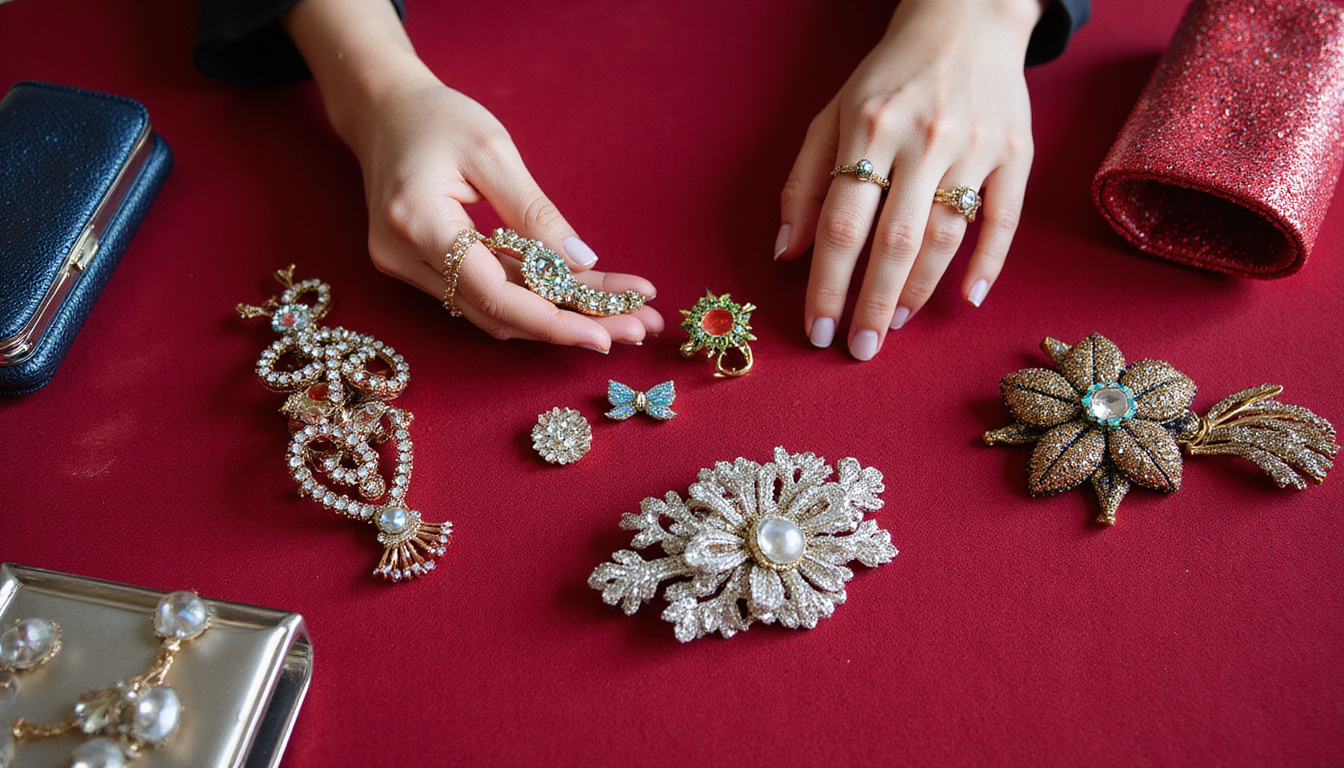
Choose one clear focal accessory—like a standout brooch or bracelet—and keep everything else clean and minimal. In daytime or professional settings, scale down size and shine, focusing on interesting texture or shape instead of high sparkle.
Q2: What are some examples of personal regalia in everyday life?
Personal regalia can be a graduation ring, a religious pendant, a family tartan scarf, a custom lapel pin for your business, or a leather jacket you’ve worn for years. The key is that it’s recognizable, meaningful, and repeatedly worn.
Q3: How do I mix traditional cultural regalia with modern outfits?
Treat your cultural piece as the hero item in the outfit. Build the rest of your look in solid, complementary colors and simple shapes, so the traditional regalia stands out clearly and respectfully rather than competing with loud patterns or trendy details.
Bring Your Regalia into Everyday Life
Your wardrobe already holds the beginnings of your personal regalia—those pieces you reach for when you want to feel most like yourself. Instead of saving them only for rare occasions, start weaving them into your daily outfits and key events. Choose one emblematic item, build a versatile supporting cast, and align each statement piece with the setting and story you want to tell.
If you’re ready to refine your own regalia, start by identifying one piece that best represents you today. Wear it intentionally this week, then plan your next addition with the principles in this guide. Over time, you’ll create a distinctive set of statement pieces that speak clearly on your behalf—no introduction required.
Sacred objects often carry deep cultural and spiritual meaning. Learn how these symbols relate to history, spirituality, and the human mind by exploring more articles at SpiritualMindScience.com.