Whether you’re navigating a chaotic season or just craving a moment of quiet in your day, a prayer shawl can become a powerful anchor for calm. More than a pretty wrap, it can serve as a physical reminder to breathe, reconnect, and invite peace back into your body and mind. For many women, the simple act of placing a shawl around their shoulders becomes a sacred ritual—one that helps calm anxiety, steady emotions, and create a sense of refuge in the middle of real life.
In this guide, you’ll learn what makes a prayer shawl so special, how to use it intentionally, and the little “secrets” that can turn a simple piece of fabric into a portable sanctuary.
What Is a Prayer Shawl (and Why It Matters for Your Peace)?
A prayer shawl is any shawl, wrap, or scarf that you dedicate for spiritual reflection, meditation, or prayer. It can be:
- A traditional religious garment (like a Jewish tallit)
- A hand-knit or crocheted shawl made by a loved one
- A simple pashmina, scarf, or wrap you choose to use in a sacred way
What sets a prayer shawl apart isn’t its price or fabric; it’s its purpose. You’re essentially telling your mind and body: “When this shawl goes on, we enter a different space—one of calm, connection, and presence.”
This consistent association between the shawl and a peaceful ritual can create a powerful calming effect over time, similar to how a favorite candle or a particular chair can signal “rest” to your nervous system.
Secret #1: Turning a Prayer Shawl into a Calm Trigger
One of the most effective “secrets” is to train your brain to see your prayer shawl as a signal to relax.
How this works
Your brain builds associations. If every time you place the shawl over your shoulders you:
- Sit down
- Slow your breathing
- Pray, meditate, or journal
- Step away from your phone
…then your body begins to respond faster each time. Over weeks and months, simply touching your shawl may start to invite calm.
How to build the association
-
Choose one primary purpose.
Use your prayer shawl only for prayer, meditation, or quiet reflection—not for errands or social events. -
Keep the routine simple.
Example:- Put on your shawl
- Light a candle (optional)
- Take 10 slow breaths
- Speak or think a short prayer or affirmation
-
Repeat at a similar time each day.
Even 5–10 minutes in the morning or before bed is enough to create a strong mind-body link.
Over time, your prayer shawl becomes more than fabric; it becomes a shortcut to a calmer state.
Secret #2: Choosing the Right Prayer Shawl for Your Nervous System
If you want instant calm, how your prayer shawl feels matters as much as how it looks.
Key elements to consider
-
Fabric:
Soft, breathable materials (cotton, bamboo, merino wool, cashmere, rayon blends) tend to be most soothing. Avoid anything scratchy or stiff. -
Weight:
Heavier shawls can feel grounding, similar to a light weighted blanket. Lighter fabrics are ideal if you run warm or live in a hot climate. -
Color:
Soft blues, greens, creams, and blush tones often feel calming. But what matters most is your response—choose colors that make your shoulders drop and your jaw unclench. -
Size:
A larger prayer shawl that comfortably wraps your shoulders and upper body can create a cocoon-like sense of safety. -
Texture:
Smooth textures can be soothing to touch, while a slightly nubbly or knit texture may feel cozy. Trust your hands—they’ll tell you what calms you.
Pro tip for instant calm
When shopping or choosing from what you already own, actually put the shawl on, close your eyes, and take three slow breaths. If your body subtly relaxes, you’ve likely found the right one.
Secret #3: Using Breath and Shawl Together for Fast Relief
You can amplify the calming power of your prayer shawl by pairing it with simple breathing practices.
Try this short ritual when you feel overwhelmed:
-
Drape your shawl over your shoulders.
Let its weight rest on your upper back and chest. -
Place one hand over your heart, one on your abdomen.
-
Inhale through your nose for a count of 4, feeling your belly rise.
-
Exhale through your mouth for a count of 6, feeling your shoulders soften under the shawl.
-
Repeat 10 times, silently adding a word or phrase on the exhale, such as “peace,” “Be still,” or “I am held.”
Even a few minutes of slow breathing like this can help calm the nervous system and reduce anxiety responses (source: Harvard Health Publishing).
Secret #4: Weaving Personal Meaning into Your Shawl
What makes a prayer shawl feel especially calming is its emotional and spiritual meaning.
Ways to deepen its significance
-
Bless it with intention.
Speak a short prayer or blessing the first time you use it:
“May this shawl be a refuge of peace, comfort, and connection whenever I wear it.” -
Add small symbols.
A tiny embroidered word, a pinned charm, or a stitched heart near the edge can remind you of your faith, values, or loved ones. -
Link it to a verse, mantra, or affirmation.
Every time you put on the shawl, repeat a specific line that grounds you:- “The Lord is my shepherd; I lack nothing.”
- “Peace I leave with you; my peace I give you.”
- “I am safe. I am loved. I am not alone.”
-
Use it during milestones.
Wear your prayer shawl during hard conversations, medical appointments, big decisions, or grief. Over time it will hold a quiet history of how you’ve been carried through.
The more meaning it holds, the more your shawl becomes a felt reminder that you are supported—even when life feels anything but calm.
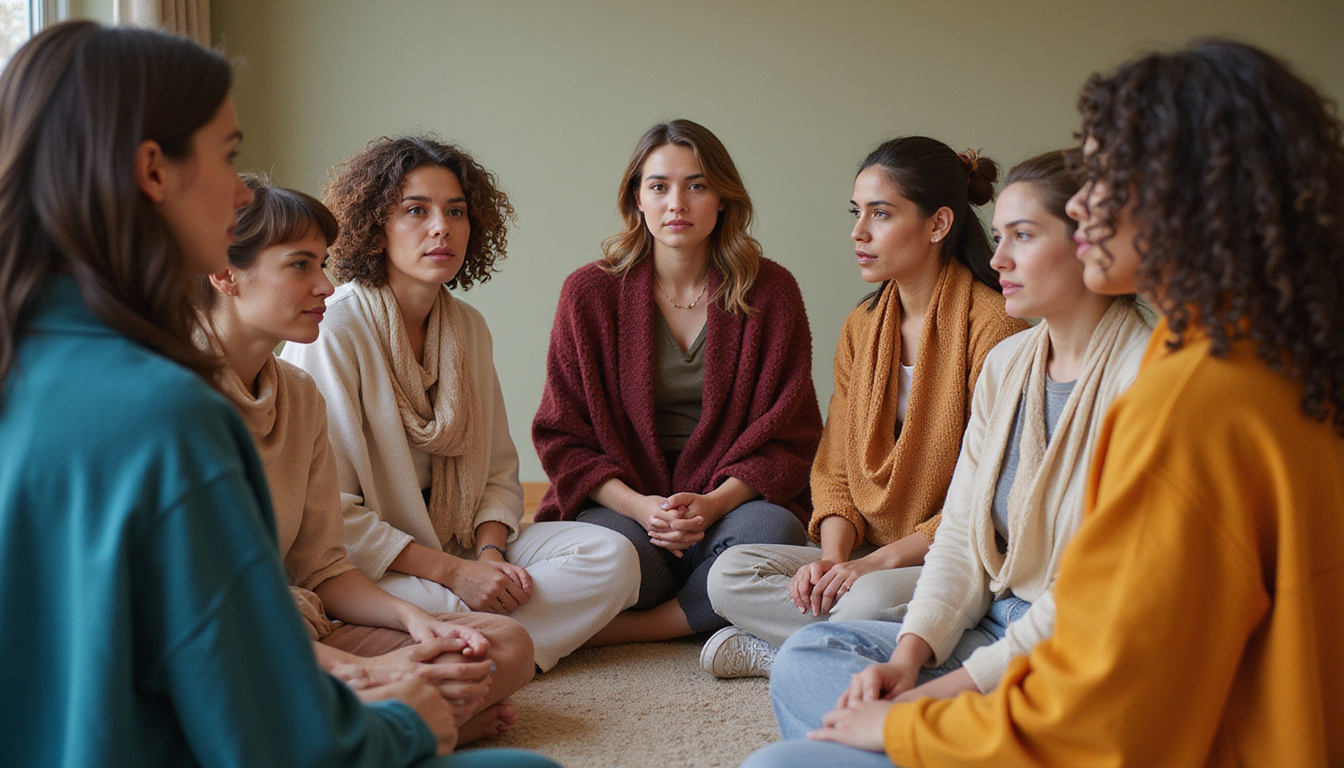
Secret #5: Creating a Mini Sanctuary Anywhere
You don’t need a dedicated prayer room to experience deep peace; your prayer shawl can help you build a sanctuary on the go.
Portable sanctuary ideas
-
At work:
Keep a folded shawl in your bag or desk drawer. On a stressful day, step away, drape it over your shoulders, and take 5 minutes to breathe and reset. -
In the car (parked):
Before going into a demanding event, sit with your shawl over your shoulders, breathe, and set a simple intention: “I choose to move through this with grace.” -
Before sleep:
Wrap up with your shawl for a brief nightly ritual: gratitude, a simple prayer, or a single calming thought. -
During anxiety spikes:
Use the sensory experience of the shawl—how it feels on your neck, the weight on your back—to anchor yourself in the present moment.
Your shawl becomes a mobile “sacred space,” letting you access calm in waiting rooms, hotel rooms, guest bedrooms, or any corner of your home.
Secret #6: Making or Receiving a Prayer Shawl as a Healing Act
Prayer shawls are often made as gifts—knit, crocheted, or sewn with prayers or intentions stitched into every row. Both making and receiving one can be deeply healing.
If you knit, crochet, or sew
- Choose yarn or fabric with a texture and color that feels soothing.
- As you work, silently pray or hold the recipient in your thoughts.
- Consider attaching a small note explaining your intention for the shawl: peace, comfort, healing, or strength.
If you receive a prayer shawl
Know that many women describe feeling “held” by the love and prayers that went into theirs. Whenever you place it around your shoulders, you’re wrapping yourself not only in cloth but also in care, community, and blessing.
This sense of being supported is a powerful antidote to stress and loneliness, especially during illness, grief, or major life transitions.
Simple Ways to Use Your Prayer Shawl Every Week
You don’t need an elaborate plan to benefit from your shawl. Start small and keep it realistic.
Here are gentle, doable ideas:
- Morning quiet time (5–10 minutes)
- Evening wind-down before bed
- During journaling or reading spiritual texts
- While listening to calming music or guided meditations
- On days when you feel particularly fragile, anxious, or overwhelmed
- During online worship or spiritual gatherings at home
A sample weekly rhythm
- Monday–Friday: 5–10 minutes with your shawl in the morning
- Midweek (Wednesday): Extra 5 minutes at lunch when you feel stress building
- Weekend: Longer, unhurried time—reading, praying, or simply resting wrapped in the shawl
Let consistency matter more than perfection. Your prayer shawl is here to support you, not become another obligation.
FAQ: Prayer Shawl Calm & Comfort
1. How do I use a prayer shawl for anxiety?
When anxiety rises, step away if you can, and place your prayer shawl over your shoulders. Focus on three things: the feel of the fabric on your skin, the sound of your breath, and a single grounding phrase (such as “I am safe right now”). Breathe slowly for a few minutes. The combination of touch, breath, and intention helps interrupt racing thoughts and calm your body.
2. Does a spiritual shawl have to be religious to work?
No. Many women use a “spiritual shawl” or meditation shawl simply as a dedicated wrap for quiet moments, reflection, or mindfulness. If faith is important to you, you can incorporate scripture, prayer, or blessings. If not, you can still use your shawl as a symbol of rest, safety, and inner stillness.
3. What’s the difference between a healing shawl and a prayer shawl?
These terms often overlap. A “healing shawl” is usually created or used with the intention of bringing comfort and strength during illness, grief, or emotional pain. A prayer shawl may be used more broadly for daily prayer, meditation, and spiritual practices. In reality, many shawls serve both purposes—supporting ongoing spiritual life while offering special comfort in hard seasons.
Wrap Yourself in Calm: Your Next Step
You don’t have to wait for life to slow down before you feel peaceful. You can choose one small, tangible practice that brings calm to your body, mind, and spirit—and a prayer shawl is a beautiful place to start.
Choose or dedicate a shawl you already own, or select one that feels especially soothing. Then commit to using it for just a few minutes a day. Let its weight on your shoulders remind you: you are allowed to pause; you are allowed to breathe; you are allowed to be held.
Start tonight. Find your shawl, wrap it around you, close your eyes, and take ten slow breaths. Whisper a simple prayer or intention for peace. Let this be the moment you begin building your own portable sanctuary—one you can carry with you, whenever you need instant calm.
Sacred objects often carry deep cultural and spiritual meaning. Learn how these symbols relate to history, spirituality, and the human mind by exploring more articles at SpiritualMindScience.com.