Prayer Flags: Ultimate Guide to Meaning, Hanging, and Care
Prayer flags are more than colorful decorations fluttering in the wind—they’re a living spiritual practice with centuries of history, symbolism, and intention behind them. Whether you’ve seen prayer flags in the Himalayas, at a yoga studio, or in a backyard, this guide will walk you through their meaning, how to hang them respectfully, and how to care for them in a way that honors their roots.
What Are Prayer Flags?
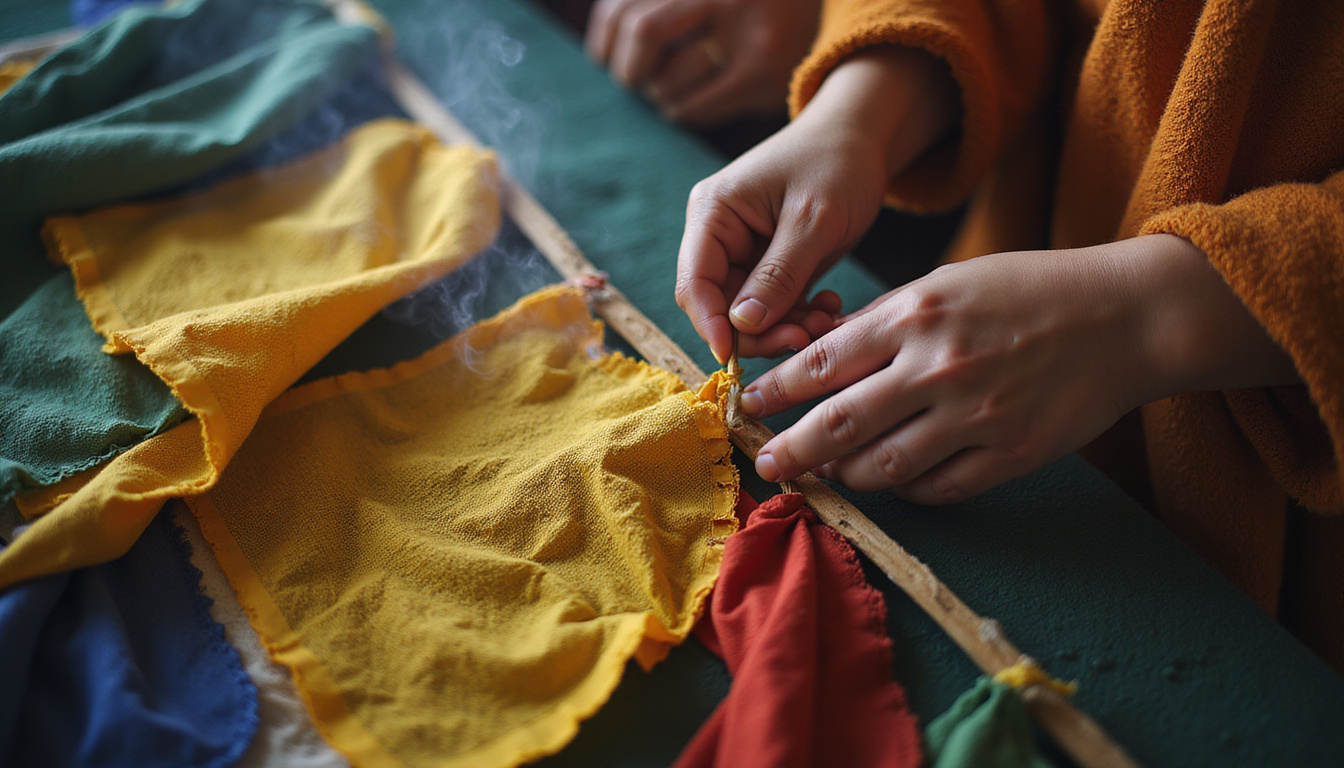
Prayer flags are traditionally pieces of colored cloth printed with mantras, sacred symbols, and prayers. They originate from the Himalayan region, particularly Tibet, Nepal, Bhutan, and parts of India, and are used in Tibetan Buddhism and related traditions.
Instead of being used to send prayers to a specific deity, prayer flags are meant to promote peace, compassion, strength, and wisdom. The belief is that as the wind passes over the flags, the prayers and mantras are carried into the environment, benefiting all beings.
There are two main types of traditional Tibetan prayer flags:
- Lungta (Horizontal flags) – Strung along a single line and hung between trees, on poles, or along rooftops.
- Darchog (Vertical flags) – Long vertical banners mounted on a pole, often seen on hills, bridges, and rooftops.
The Meaning Behind the Colors and Symbols
The colors and symbols on prayer flags aren’t random design choices; they are a visual representation of profound spiritual concepts.
The Five Colors and the Five Elements
Traditional sets of prayer flags have five colors in a specific order, each corresponding to an element and a direction:
- Blue – Sky and space
- White – Air and wind
- Red – Fire
- Green – Water
- Yellow – Earth
Together, they represent balance and the interconnectedness of all things. Hanging the flags in this order is believed to harmonize the environment and the inner elements of body and mind.
Common Symbols and Their Significance
You’ll often see specific images and mantras printed on the flags. Some of the most common include:
- Wind Horse (Lungta) – A central symbol, often depicted as a horse carrying three flaming jewels on its back. It represents the uplifting of life force, good fortune, and spiritual energy.
- The Four Dignities – The Garuda (mythical bird), Dragon, Tiger, and Snow Lion, symbolizing qualities like fearlessness, power, dignity, and joy.
- The Eight Auspicious Symbols – Parasol, pair of golden fish, treasure vase, lotus, conch shell, endless knot, victory banner, and Dharma wheel; together they represent aspects of the Buddhist path and spiritual protection.
- Mantras – Such as “Om Mani Padme Hum,” associated with Avalokiteshvara, the bodhisattva of compassion, believed to generate compassion and purify negativity when seen, spoken, or thought.
These images and mantras are not decorative; they’re considered blessings and reminders of spiritual principles.
Cultural and Spiritual Context (and Why Respect Matters)
Prayer flags are rooted in Tibetan Buddhism and the older Bön tradition of Tibet. Historically, flags began as plain colored cloth used in shamanic practices, then evolved into the printed flags we know today as Buddhism spread and integrated into local customs.
In Tibetan culture, prayer flags are used:
- To mark important life events (births, deaths, weddings)
- During religious festivals and ceremonies
- For protection of homes, villages, and travelers
- To bless new endeavors, buildings, and journeys
For non-Tibetans, using prayer flags can be a meaningful way to connect with the values of compassion and peace they represent. But it’s important to avoid treating them as mere “boho decor.” Some simple guidelines help you show respect:
- Learn what they mean before hanging them.
- Avoid placing them in disrespectful or low-lying places.
- Don’t use them as fashion accessories (e.g., on shoes, as skirts).
- Prefer ethically made flags that support Himalayan communities.
For more background on the significance of prayer flags in Tibetan culture, the Tibetan Nuns Project provides useful explanations (source: Tibetan Nuns Project).
How to Hang Prayer Flags Respectfully
Where and how you hang your prayer flags matters. The intention is to allow the wind to carry the blessings far and wide while honoring the sacred text and symbols.
Best Places to Hang Prayer Flags
Choose locations where the flags can catch the wind and be placed respectfully:
- Along a porch, balcony, or deck railing
- Between trees in a garden or yard
- On a rooftop, pergola, or gazebo
- Across a doorway (ideally higher up) or inside a meditation/yoga room
- On a hiking trail at a campsite, providing they’re respectfully removed later
Avoid areas that are dirty or low to the ground, such as:
- Near trash bins
- On the floor or as rugs
- Around toilets or directly above bathrooms
Orientation and Order of the Flags
Traditionally, prayer flags are hung horizontally from left to right in this order of colors:
Blue – White – Red – Green – Yellow
Some additional considerations:
- Hang them high, ideally above head level, as a sign of respect.
- Ensure they’re free to flap in the wind without tangling.
- Don’t let them drag or touch the ground.
Auspicious Times and Weather
In Tibetan tradition, there is an astrological system that designates particularly auspicious days to hang prayer flags (often based on the Tibetan calendar). If you don’t have access to that:
- Choose a day that feels meaningful—new moon, full moon, solstice, or a personal milestone.
- Hang them with a clear intention: peace, healing, remembrance, or gratitude.
Try not to hang them on very stormy or inauspicious-feeling days, as that’s believed to disperse unsettled energy rather than blessings.
A Simple Intention-Setting Practice When Hanging Flags
You don’t need to be Buddhist to honor the spirit of prayer flags. A simple, sincere practice can make the act meaningful:
- Clean the space where you’ll hang them.
- Hold the flags in your hands and take a few deep breaths.
- Set your intention, silently or out loud (e.g., “May these flags carry blessings of peace, health, and compassion to all beings.”).
- Hang the flags mindfully, paying attention to the colors and order.
- Offer a moment of silence or a prayer in your own tradition.
The power of prayer flags comes from both the symbols printed on them and the intention of the person hanging them.
How to Care for Prayer Flags Over Time
Prayer flags are intentionally made from lightweight fabric so they can move easily in the wind. That also means they will fade, fray, and eventually disintegrate. This is not just acceptable—it’s symbolic.
Fading and Fraying: A Feature, Not a Flaw
As prayer flags weather, it represents the Buddhist teaching of impermanence and the ongoing release of prayers into the environment. Faded, tattered flags are not “bad luck”; they’re a visible sign that the prayers have been carried far and wide.
Still, there are some basic care practices to follow:
- Don’t try to “fix” them by cutting off frayed edges or gluing. Let them age naturally.
- Avoid letting them become trash—it’s considered disrespectful to leave them in tatters on the ground.
When to Replace Prayer Flags
There’s no fixed rule, but many people choose to replace them when:
- The text and images are no longer visible.
- Most of the fabric has disintegrated.
- You feel they’ve completed their “life” and it’s time for fresh intentions.
When you hang new flags, you can keep the old ones for respectful disposal rather than throwing them out with household garbage.
Respectful Ways to Dispose of Old Prayer Flags
Traditional advice is to dispose of old prayer flags by burning them, but with care and reverence:
- Burn respectfully in a clean fire (e.g., a fire pit or metal container).
- Do not inhale the smoke intentionally; it’s not meant for ritual inhalation.
- Focus on a positive thought or prayer as they burn, honoring the blessings they sent out.
If burning is not possible where you live:
- Wrap them neatly in a natural cloth and bury them in a clean place, allowing them to return to the earth.
- Avoid placing them directly in trash bins if you can find an alternative.
Choosing Prayer Flags: Authenticity and Ethics
With growing interest in spiritual and “bohemian” design, prayer flags are widely available—but not all are equal in quality or ethics.
When choosing prayer flags, consider:
- Source: Support artisans and organizations in Tibet, Nepal, Bhutan, or Tibetan refugee communities where possible.
- Materials: Natural fibers like cotton or cotton blends are traditional and biodegradable.
- Designs: Traditional flags feature Tibetan script, mantras, and sacred symbols. If the design is heavily commercialized or cartoonish, it may not be made with cultural understanding.
- Intention: Ask yourself why you’re buying them—decoration alone, or a genuine wish to cultivate peace and compassion?
By choosing respectfully, you help sustain the cultures and communities that keep this tradition alive.
Using Prayer Flags in Modern Life
You don’t have to live in the Himalayas to integrate prayer flags into your life in a meaningful way.
Some thoughtful uses include:
- Home altars or meditation spaces – Hanging a short string above or behind your practice area as a reminder of your intentions.
- Gardens and balconies – Allowing the flags to bless the neighborhood and all who pass by.
- Memorial spaces – Honoring loved ones who have passed by dedicating a set of flags to their memory.
- Retreat centers, yoga studios, and healing spaces – When used with understanding and respect, they can support a peaceful atmosphere.
If you host visitors or clients, you might share a sentence or two explaining what your prayer flags represent, so they’re not misunderstood as mere decoration.
Prayer Flags FAQ
1. What is the meaning of Tibetan prayer flags?
Tibetan prayer flags are believed to spread blessings of peace, compassion, strength, and wisdom through the wind. The printed mantras and symbols are not prayers for personal gain; they are offerings for the benefit of all beings. As the wind moves the flags, it symbolically carries these intentions across the land.
2. Is it disrespectful for non-Buddhists to hang Buddhist prayer flags?
It is generally considered acceptable for non-Buddhists to hang Buddhist prayer flags as long as they do so with respect, understanding, and good intentions. Learn what the colors and symbols mean, hang them in an elevated and clean place, and avoid using them in ways that trivialize or commercialize the tradition (such as fashion accessories or floor coverings).
3. How should I hang outdoor prayer flags to honor the tradition?
When hanging outdoor prayer flags, follow the traditional left-to-right color order of blue, white, red, green, and yellow. Place them high enough that they don’t touch the ground, in a spot where wind can move them freely. If possible, choose a meaningful day and take a few moments to set an intention or offer a silent prayer as you hang them.
Prayer flags offer a simple, beautiful way to align your surroundings with your deepest values: peace, compassion, and care for all beings. When you hang them with understanding and sincerity, you actively participate in a centuries-old tradition of sending blessings into the world.
If you feel called to bring this practice into your life, take your next step today: choose a set of ethically made prayer flags, learn their symbols, and hang them in a place where the wind can carry your intentions far beyond what you can see. Let each flutter remind you of your capacity to bring more kindness and awareness into the world, one breath—and one flag—at a time.
Sacred objects often carry deep cultural and spiritual meaning. Learn how these symbols relate to history, spirituality, and the human mind by exploring more articles at SpiritualMindScience.com.