Prayer beads have been used for centuries across cultures as simple, powerful tools for focus, meditation, and spiritual connection. Whether you’re religious, spiritual-but-not-religious, or just looking for a grounded way to manage stress, prayer beads can help you anchor your mind, slow your breath, and cultivate a sense of calm in your daily life.
This guide explains what prayer beads are, how different traditions use them, and practical ways you can bring them into your own routine—no matter what you believe.
What Are Prayer Beads?
Prayer beads are strings of beads, knots, or counters used to keep track of prayers, mantras, affirmations, or breaths. Their primary purpose is simple: give your hands something to do so your mind can rest on a rhythm.
Across traditions, the basic functions of prayer beads are to:
- Count repetitions (prayers, mantras, or breaths)
- Maintain focus and prevent distraction
- Create a tangible sense of ritual and sacred time
From an everyday perspective, they’re also tactile “anchors” that help you feel grounded when your thoughts race.
A Brief Look at Prayer Beads Across Traditions
Though designs and meanings differ, the underlying idea is surprisingly universal.
Christian Prayer Beads (The Rosary and Beyond)
In Catholicism and some other Christian traditions, the rosary is a loop of beads used to pray specific sequences of prayers (e.g., Hail Mary, Our Father, Glory Be). There are also Anglican and Orthodox prayer ropes and beads used for the Jesus Prayer or short repeated prayers.
Core idea: Meditate on the life of Christ, Mary, or key mysteries of faith while the beads guide your fingers through a pattern.
Buddhist and Hindu Mala Beads
Mala beads—often 108 beads plus a larger “guru bead”—are used to recite mantras, chants, or sacred names. Practitioners move one bead per repetition, using the mala to:
- Develop concentration
- Synchronize breath with mantra
- Deepen mindfulness and compassion
Many modern meditators use mala-style prayer beads even without a specific religious mantra, simply pairing them with a calming phrase or breath count.
Islamic Misbaha or Tasbih
In Islam, prayer beads (often 33 or 99 beads) are used for dhikr, the remembrance of God. Common phrases like “SubhanAllah,” “Alhamdulillah,” and “Allahu Akbar” are repeated a set number of times, often after the five daily prayers.
Core idea: Keep the heart attuned to God through repeated remembrance and gratitude.
Secular & Interfaith Prayer Beads
You don’t have to belong to a particular faith to benefit from prayer beads. Many people today use them for:
- Anxiety management
- Mindful breathing
- Repeating personal affirmations (e.g., “I am safe,” “I release what I can’t control”)
- Grounding during difficult conversations or stressful events
The common thread: physical movement plus repetition calms the nervous system and sharpens focus.
Why Prayer Beads Are So Calming (The Science Behind the Practice)
You don’t need science to appreciate the peace that prayer beads bring, but research helps explain why they’re so effective.
Rhythmic Repetition Calms the Nervous System
Repeating a short phrase, prayer, or breath count while moving through beads can:
- Slow your breathing
- Lower heart rate
- Activate the parasympathetic (rest-and-digest) system
Studies on repetitive prayer and mantra meditation show they can reduce anxiety and increase feelings of well‑being (source: National Institutes of Health).
Tactile Focus Reduces Mental Chatter
Touching each bead gives your mind a gentle, physical focal point. This “somatic focus”:
- Distracts you from looping thoughts
- Helps ADHD-prone minds stay with a task
- Provides a grounding point during emotional overwhelm
It’s essentially a mindful fidget—only with more structure and intention.
Ritual Creates a Sense of Safety
Even a 5-minute ritual with prayer beads can signal to your brain: “This is safe time to pause and reset.” Over time, your body starts to associate the feel of the beads with calm, presence, and comfort.
Choosing Prayer Beads That Fit Your Life
There is no single “right” type of prayer beads. The best set is the one you’ll actually use.
Decide Your Primary Purpose
Ask yourself:
- Do I want to deepen an existing religious practice?
- Do I want a neutral, secular tool for meditation or grounding?
- Do I need something discreet I can use in public or at work?
Your purpose will shape the style, length, and symbolism of the beads you choose.
Consider Length and Portability
- Short strand/bracelet (10–27 beads):
Great for quick pauses, commuting, or office use. Easy to wear or slip into a pocket. - Medium strand (33–54 beads):
Good balance between portability and depth of practice. - Long strand (99–108 beads):
Ideal for deeper sessions or formal prayer; often used at home or in dedicated spaces.
Material and Feel
The material of prayer beads impacts how they feel and how you relate to them:
- Wood (sandalwood, rosewood, olive): Warm, light, and traditional. Often lightly scented.
- Seeds or nuts (rudraksha, lotus): Textured and earthy, with strong symbolic value in some traditions.
- Stone or crystal: Heavier, cool to the touch, aesthetically pleasing; some people choose stones for their symbolic meaning.
- Simple knots (cord, wool): Lightweight and humble; popular in Orthodox traditions.
Pick something that feels good between your fingers—comfort is key.
How to Use Prayer Beads: Simple Rituals for Daily Life
You can adapt prayer beads to almost any belief system or goal. Here are some practical ways to begin.
1. A 5-Minute Morning Centering Ritual
Use any strand of prayer beads for this:
- Hold the beads in your non-dominant hand; use your dominant hand to move bead by bead.
- Pick a phrase (e.g., “Thank you,” “Be here now,” “God, be with me,” or your own intention).
- On each bead, inhale gently, then exhale while repeating your phrase once.
- Continue around the strand until you’ve completed one loop or reached your time limit.
This small ritual sets a calm tone for your day and helps you begin with intention rather than reactivity.
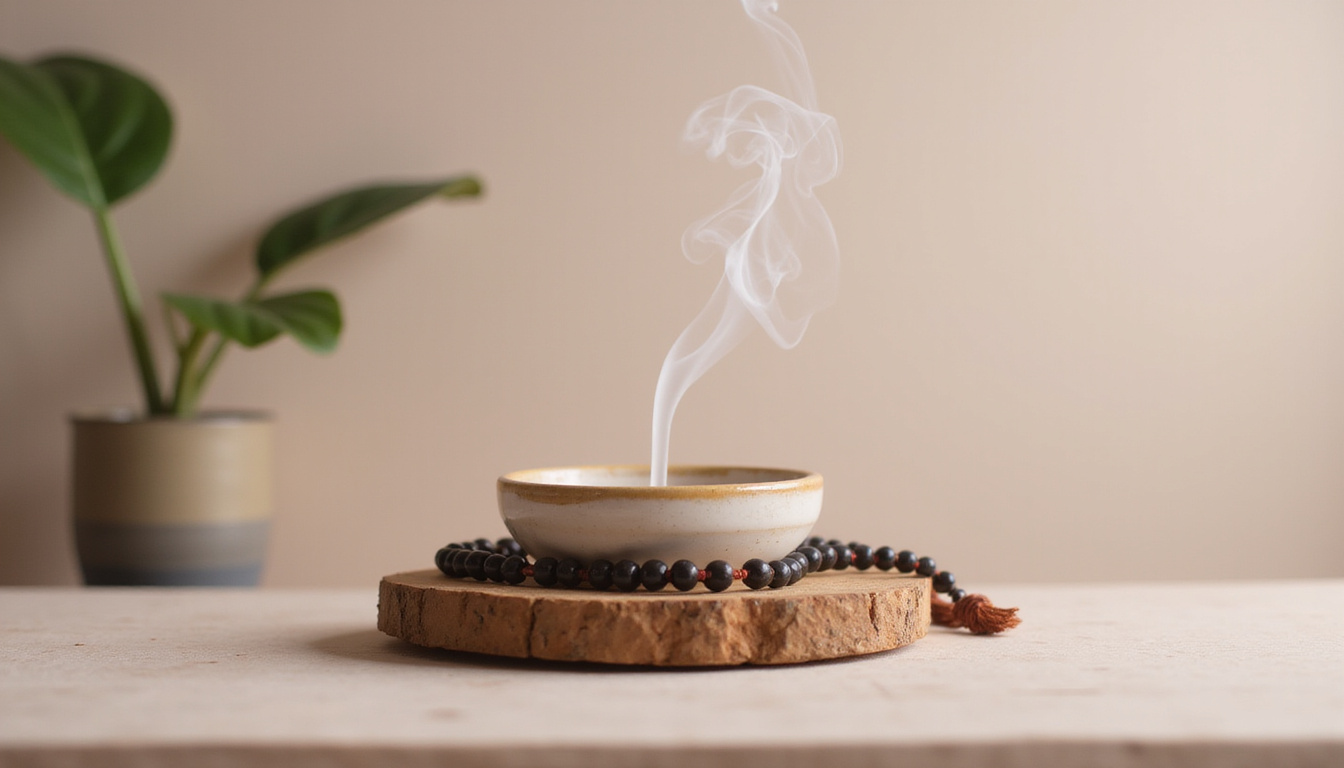
2. Using Prayer Beads for Anxiety and Grounding
When you feel overwhelmed or panicky:
- Choose four short words that match your breath, such as:
“In” (inhale) – “Peace” (pause) – “Out” (exhale) – “Now” (pause) - Move one bead per full breath cycle.
- Aim for at least 10–20 beads, focusing on the physical sensation in your fingers and the words in your mind.
This can be done discreetly under a desk, in your pocket, or even during a meeting.
3. Deepening a Faith-Based Practice
If you follow a specific religious tradition, integrate prayer beads into your existing rituals:
- Christians: Pray the rosary or a shorter chaplet. Between formal prayers, you can silently add your own intentions or intercessions for people you care about.
- Muslims: Use a misbaha or tasbih after salah to recite known dhikr, or add extra cycles for personal supplications.
- Buddhists/Hindus: Recite a chosen mantra 108 times. You can also dedicate your mala practice to someone in need or for a specific quality (like compassion or courage).
Let the structure of your beads carry you when your heart feels heavy or words are hard to find.
Building a Sustainable Prayer Bead Habit
Like any calming practice, consistency matters more than intensity. Aim for gentle, realistic steps.
Start Small and Tie It to Existing Routines
Begin with just 3–5 minutes a day, linked to an activity you already do:
- After brushing your teeth
- Before starting your workday
- During your lunch break
- Before bed, instead of scrolling your phone
The easier it is to remember, the more likely it becomes a habit.
Keep Your Beads Accessible
Place your prayer beads where you’ll see or feel them:
- On your nightstand
- In a jacket pocket or bag
- Wrapped around your wrist or hanging on a hook near your door
Visual and tactile cues help remind you: “You can slow down now.”
Be Gentle With Your Mind
Your thoughts will wander. That’s normal. When you notice:
- Acknowledge the distraction without judgment
- Gently return to the next bead and your chosen phrase or breath
Over time, you’re training your attention to return more quickly and stay more steadily, both during practice and in everyday situations.
Caring for Your Prayer Beads
Since prayer beads often carry emotional or spiritual significance, a bit of care helps them last.
- Store respectfully: Place them in a small pouch, box, or on a clean surface.
- Clean occasionally: Wipe wood or stone beads with a soft cloth. Avoid soaking wooden beads in water.
- Repair or restring when needed: If a strand breaks, some people see it as a symbol of release or completion. You can restring it yourself or have it repaired.
- Treat them as a tool, not a burden: They’re meant to serve your peace, not become another “should” in your life.
FAQ About Prayer Beads
1. How do beginners use prayer beads for meditation?
If you’re new, start by pairing prayer beads for meditation with your breath. Hold your beads, inhale slowly, exhale while mentally saying a simple phrase like “I am here” or “Let go,” and move one bead per breath. Continue until you feel a shift toward calm or you’ve completed one loop.
2. Can I use prayer beads without following a religion?
Yes. Many people use meditation beads or worry beads in a completely secular way—for breathing exercises, affirmations, or general mindfulness. The power lies in repetition and tactile focus, not in belonging to a particular tradition.
3. How many beads should be on a set of prayer beads?
There’s no single standard. Catholic rosaries often have 59 beads, Muslim misbaha may have 33 or 99, and malas typically have 108. For personal use, you can choose prayer beads with any number that feels comfortable—shorter strands for quick pauses, longer ones for extended practice.
Start Your Own Ritual of Calm and Focus
Your mind and body are constantly pulled in a dozen directions—notifications, responsibilities, worries, and plans. Prayer beads offer a simple, physical way to reclaim a few moments of stillness each day.
You don’t need special training, and you don’t have to “do it perfectly.” All you need is a strand of beads, a phrase or breath to repeat, and the willingness to pause.
Choose or create a set of prayer beads that resonates with you, keep them where you’ll reach for them often, and begin with just a few minutes a day. Over time, you may find that the small ritual of moving bead by bead becomes one of the most reliable anchors of calm and focus in your life.
Now is a perfect time to start: pick up a set of prayer beads, decide on a simple phrase or breath pattern, and give yourself five quiet minutes today to experience the difference.
Sacred objects often carry deep cultural and spiritual meaning. Learn how these symbols relate to history, spirituality, and the human mind by exploring more articles at SpiritualMindScience.com.