The philodendron is one of the easiest, most rewarding houseplants you can grow—if you understand a few simple care secrets. Whether you’re a beginner plant parent or looking to expand your indoor jungle, mastering philodendron care will give you lush, trailing vines or big, dramatic leaves that transform any room.
Below, you’ll learn how to choose the right variety, water correctly, give the best light, and troubleshoot problems so your philodendron not only survives, but thrives.
Why Philodendrons Are Perfect Houseplants
Philodendrons have become a staple of indoor gardening for good reasons:
- They’re adaptable and forgiving.
- They tolerate a range of light conditions.
- They grow quickly when happy.
- They come in many shapes, sizes, and colors.
Botanically, philodendron refers to a large genus of plants in the Araceae family, native mostly to tropical regions of Central and South America. In nature, many are climbers that attach to trees, while others grow as bushy shrubs or rosettes on the forest floor.
For home growers, this means:
- Climbing philodendrons (like Heartleaf and Brasil) are ideal for hanging baskets, trellises, or moss poles.
- Non-climbing, self-heading philodendrons (like Philodendron Congo or Philodendron Xanadu) are great statement floor plants.
Understanding which type you have is the first step to getting care right.
Choosing the Right Philodendron for Your Space
There are dozens of philodendron varieties available, but a few are especially good for most homes.
Beginner-Friendly Philodendrons
If you’re new to houseplants, start with these nearly foolproof options:
-
Heartleaf Philodendron (Philodendron hederaceum / scandens)
Classic trailing plant with small, heart-shaped leaves. Very forgiving and tolerant of lower light. -
Philodendron Brasil
A variegated version of the Heartleaf with yellow and lime streaks. Same care, but needs a bit more light to maintain variegation. -
Philodendron Micans
Velvet-textured leaves with rich green and bronze tones. Excellent in hanging baskets or trailing from shelves.
Statement and Collector Varieties
If your conditions are good (bright, indirect light and consistent care), you can also consider:
- Philodendron Birkin – White pinstripes on deep green foliage.
- Philodendron Rojo Congo / Red Congo – Large, glossy, reddish-green leaves; self-heading type.
- Philodendron Gloriosum – Heart-shaped, velvety leaves with striking white veins (needs more space and humidity).
- Philodendron Pink Princess – Highly sought after for its pink variegation; requires bright, indirect light and more attention.
Match the plant to your environment. Small, trailing types work well on shelves and in apartments, while larger self-heading types need floor space and more distance from walls and furniture.
Light Requirements: Mimicking the Jungle
Most philodendrons grow beneath tree canopies in the wild, accustomed to bright, filtered light rather than direct sun.
Ideal Light Conditions
Aim for:
- Bright, indirect light for 6–10 hours per day.
- Position near east- or north-facing windows, or a few feet back from a bright south/west window with sheer curtains.
Signs your philodendron needs more or less light:
-
Not enough light
- Leggy, stretched stems.
- Small, pale new leaves.
- Slowed growth.
-
Too much light
- Faded, bleached leaves.
- Brown, crispy patches (especially on edges or tips).
- Variegated leaves turning solid green due to stress.
Variegated philodendron varieties generally need brighter indirect light than solid green ones to maintain their patterns.
Watering Philodendrons the Right Way
Most problems with philodendron care start with watering—usually too much, sometimes too little.
How Often to Water
There’s no fixed schedule that works for everyone, but the rule of thumb is:
- Water when the top 1–2 inches of soil are dry.
Check with your finger, a wooden skewer, or a moisture meter. Then:
- Water thoroughly until water runs from the drainage holes.
- Discard any excess water from the saucer after 10–15 minutes.
- Let the soil partially dry again before the next watering.
In general:
- Warm, bright months = more frequent watering (every 5–7 days for many homes).
- Cooler, darker months = less frequent watering (every 10–14 days or more).
Overwatering vs. Underwatering Signs
-
Overwatering
- Yellowing leaves (especially lower leaves) that feel soft.
- Mushy stems or a sour smell from soil.
- Wilting even though soil is wet.
-
Underwatering
- Dry, curling leaves.
- Crispy edges.
- Very light pot, soil pulling away from the pot sides.
If you’re unsure, err slightly on the dry side. Philodendrons cope better with brief dryness than constantly soggy soil.
Soil and Potting: The Foundation of Healthy Roots
Good soil and the right pot are crucial for a thriving philodendron.
Best Soil Mix for Philodendrons
Use a well-draining, airy mix that retains some moisture but doesn’t stay waterlogged. A simple recipe:
- 2 parts high-quality potting mix
- 1 part perlite or pumice
- 1 part orchid bark (or coconut husk chips)
This kind of mix lets air reach the roots while holding enough moisture between waterings.
Pot Choice and Repotting
- Always choose pots with drainage holes.
- Use a pot only 1–2 inches larger in diameter than the previous one when repotting.
- Repot every 1–2 years, or when:
- Roots circle the bottom and grow out of drainage holes.
- Water runs straight through the pot too quickly.
- The plant becomes top-heavy and unstable.
Spring or early summer is the best time to repot so your philodendron can recover and push new growth.
Temperature and Humidity: Creating a Comfort Zone
Philodendrons are tropical plants, but most common varieties adapt well to typical indoor conditions.
Temperature Range
- Ideal: 65–80°F (18–27°C)
- Avoid:
- Below 55°F (13°C) – can cause damage.
- Sudden drafts from windows, doors, or AC.
- Direct heat from radiators or heaters.
Humidity Preferences
- Philodendrons appreciate moderate to high humidity (50–70%), but many hardy varieties do fine in standard household humidity (around 40%).
To boost humidity if your home is very dry:
- Group plants together.
- Place a tray of water with pebbles near your plants (keep pots above the water line).
- Use a small humidifier during winter.
- Avoid placing philodendrons directly under strong heating/AC vents.
Feeding and Fertilizing for Lush Growth
While philodendrons aren’t heavy feeders, regular nutrition supports bigger, stronger leaves.
Fertilizer Basics
During the active growing season (spring through early fall):
- Use a balanced, water-soluble houseplant fertilizer (e.g., 10-10-10 or 20-20-20).
- Dilute to half or quarter strength.
- Apply every 4–6 weeks.
In fall and winter:
- Growth slows; fertilize lightly or pause entirely.
Watch for fertilizer burn:
- Brown, crispy tips.
- White crust on soil surface.
If this happens, flush the soil with plenty of water and reduce strength or frequency.
For more detailed houseplant fertilizer guidance, you can consult resources like university extension publications (for example, the University of Florida IFAS Extension provides science-based recommendations for houseplants) (source).
Pruning, Training, and Propagating Your Philodendron
Philodendrons respond well to pruning, which keeps them tidy and encourages fuller growth.
Pruning and Shaping
- Use clean, sharp scissors or pruners.
- Cut just above a node (where a leaf attaches to the stem).
- Remove:
- Yellow, damaged, or diseased leaves.
- Leggy stems to encourage bushier growth.
For climbing philodendrons:
- Provide a moss pole, trellis, or stake and gently tie stems as they grow.
- Climbing support often leads to larger leaves and stronger growth.
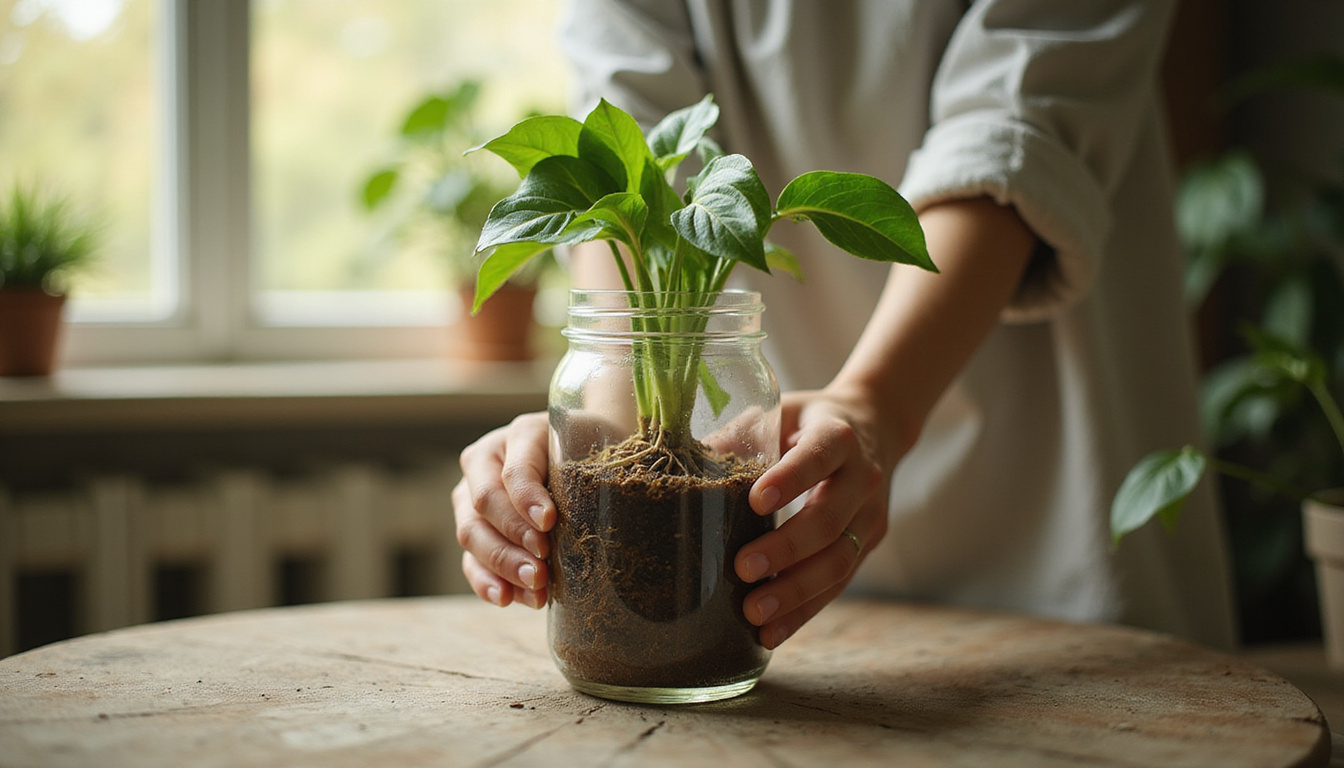
Easy Propagation in Water or Soil
Most vining philodendron types are simple to propagate. Basic steps:
- Take a cutting just below a node (must include at least one node and one leaf).
- Remove lower leaves so no foliage sits in water or below soil line.
- Root in:
- Water – change water every few days; plant in soil once roots are 1–2 inches long.
- Soil – plant directly in moist, well-draining mix; keep humidity higher until rooted.
Propagation not only multiplies your plants but also lets you rejuvenate older, leggy vines.
Common Problems and How to Fix Them
Even with good care, your philodendron may show signs of stress. Quick diagnosis keeps issues from escalating.
Yellow Leaves
Possible causes:
- Overwatering (most common).
- Natural aging of older, lower leaves.
- Sudden changes in light or temperature.
Action:
- Check soil moisture and drainage.
- Remove yellow leaves if fully discolored.
- Adjust watering schedule.
Brown Leaf Tips or Edges
Likely reasons:
- Underwatering or inconsistent watering.
- Very low humidity.
- Fertilizer burn.
Action:
- Check watering habits and soil dryness.
- Increase humidity slightly if air is very dry.
- Flush soil if you suspect over-fertilizing.
Drooping or Wilting
Check:
- Soil too dry? Water thoroughly.
- Soil wet and soggy? Allow to dry more, ensure pot drains well, consider fresh soil.
If stems are mushy and roots smell rotten, you may be dealing with root rot. Remove affected roots, repot in fresh, dry mix, and reduce watering until the plant recovers.
Pests
Philodendrons can occasionally attract:
- Spider mites
- Mealybugs
- Aphids
- Scale
Treatment:
- Isolate the plant.
- Wipe leaves with a damp cloth and mild soapy water.
- Use insecticidal soap or neem oil as directed on the label.
- Repeat treatments weekly until pests are gone.
Regularly checking the undersides of leaves and stems helps you catch problems early.
Quick Philodendron Care Checklist
Use this as a simple reference:
- Light: Bright, indirect; avoid harsh direct midday sun.
- Water: When top 1–2 inches of soil are dry; never let sit in water.
- Soil: Well-draining, airy mix with perlite and bark.
- Temperature: 65–80°F (18–27°C), no cold drafts.
- Humidity: Average home humidity is fine; more is better for some varieties.
- Fertilizer: Diluted, balanced fertilizer every 4–6 weeks in growing season.
- Pruning: Regularly trim leggy or damaged growth; train climbers.
- Repotting: Every 1–2 years, or when root-bound.
FAQ: Philodendron Care Questions
Q1: How do I care for a philodendron indoors year-round?
Keep your philodendron in bright, indirect light, water when the top inch of soil is dry, and avoid cold drafts. Reduce watering and fertilizer in winter when growth slows, but try to maintain stable temperatures and moderate humidity.
Q2: Why is my philodendron turning yellow and droopy?
Yellow, droopy leaves on a philodendron usually mean overwatering or poor drainage. Check that your pot has drainage holes, the soil isn’t compacted or soggy, and allow it to dry out more between waterings. Also remove any standing water in the saucer.
Q3: What’s the difference between pothos and philodendron care?
Both enjoy similar conditions—bright, indirect light and moderate watering—but philodendron leaves are often softer and thinner, so they may show underwatering stress sooner. Care requirements overlap heavily, but philodendrons can be a bit more sensitive to cold and drought.
A thriving philodendron adds movement, color, and a lush, tropical feel to your home with surprisingly little effort. Start with a variety that fits your space and light, follow the simple care habits outlined here, and adjust based on the feedback your plant gives you—leaf color, growth rate, and overall posture.
If you’re ready to transform your home with healthy, vibrant greenery, choose a philodendron that suits your style, gather a good soil mix and a pot with drainage, and get it planted this week. With consistent, attentive care, you’ll soon have a flourishing plant (or a whole collection) that turns your space into a living, breathing sanctuary.
Throughout history, many plants and herbs have been associated with luck, protection, and prosperity. To explore their deeper spiritual, psychological, and scientific significance, visit SpiritualMindScience.com.