If you’ve ever walked into a space that instantly felt calmer, clearer, and more grounded, chances are something like palo santo was at work. This aromatic wood, long used in traditional spiritual and healing practices, has become popular for cleansing energy, supporting meditation, and creating a peaceful atmosphere at home. Yet there’s a lot of confusion about how to use it respectfully, what it actually does, and how to buy it responsibly.
This guide walks you through palo santo basics, simple rituals, key benefits, ethical sourcing, and practical smudging tips so you can use it with intention—not just as a trendy accessory.
What Is Palo Santo?
Palo santo, Spanish for “holy wood,” comes primarily from two closely-related tree species native to South America: Bursera graveolens (most common in smudging sticks) and Bulnesia sarmientoi. It has been used for generations in Indigenous and local traditions in countries like Peru, Ecuador, and parts of Brazil.
When burned, the wood releases a distinctive sweet, woody, slightly citrus aroma. Traditionally, it has been used to:
- Purify and bless spaces
- Support prayer, meditation, and ceremony
- Ward off “bad energy” or unwanted influences
- Promote relaxation and emotional balance
Chemically, palo santo contains aromatic compounds such as limonene, which may contribute to its mood-supportive effects and pleasant scent (source: National Institutes of Health).
Benefits of Palo Santo: More Than Just a Nice Smell
While palo santo is not a magic cure-all, many people appreciate it for a blend of energetic, emotional, and practical benefits.
1. Energetic Cleansing and Grounding
Palo santo is widely used for “clearing” or resetting the energy of a space. Whether you interpret that spiritually or simply as a mindful ritual, the effect can be tangible:
- It signals to your nervous system: “This is a transition moment.”
- It creates a sensory cue for shifting into a calmer, more intentional state.
- The act of walking your space and focusing on your intentions is a form of mindfulness.
2. Supporting Relaxation and Focus
The gentle scent of palo santo makes it popular before meditation, yoga, journaling, or bedtime. People often report:
- Reduced mental chatter
- Easier time dropping into meditation or breathwork
- A sense of emotional “softening” or release
If you’re sensitive to smell, this can be a grounding way to come back into your body, especially when paired with slow breathing.
3. Creating Ritual and Routine
Modern life rarely gives us clear thresholds between “work,” “home,” and “rest.” Palo santo rituals can help you:
- Mark the beginning or end of your workday
- Set the tone for creative sessions, client calls, or healing work
- Transition from conflict or stress back into peace
Ritual isn’t about superstition—it’s about meaning. Using palo santo intentionally makes everyday moments feel more sacred and less rushed.
How to Choose Palo Santo Responsibly
Because palo santo has become so popular, sustainability and ethics matter.
Look for Ethical Sourcing
- Naturally fallen wood: Traditionally, only dead, naturally fallen branches and trunks are used. This allows the aromatic resins to mature and reduces harm to living trees.
- Certified or verified suppliers: Seek brands that clearly state their sourcing practices, work with local communities, and follow regulations.
- Transparency: Ethical companies usually provide information about origin (e.g., Ecuador, Peru) and reforestation efforts.
Avoid Red Flags
Be cautious if:
- The price is suspiciously cheap for “real” palo santo.
- There is no mention of source country, species, or sustainability.
- The wood smells weak, musty, or synthetic, even when burned.
Choosing responsibly supports ecosystems and the communities that have protected and used palo santo for generations.
How to Use Palo Santo: A Simple Step-by-Step Smudging Ritual
Smudging with palo santo is straightforward. The most important elements are intention, safety, and respect.
What You’ll Need
- A palo santo stick (about 4 inches is typical)
- A fire-safe dish (ceramic, metal, or abalone shell)
- A lighter, match, or candle
- Optional: windows you can open for ventilation, plus any crystals, candles, or items you want to cleanse
Step-by-Step Smudging Guide
-
Set your intention
Before lighting anything, decide why you’re using palo santo.
Examples:- “I’m clearing out stress after a long week.”
- “I’m inviting focus and clarity into my office.”
- “I’m releasing heavy energy from this room.”
-
Create a safe environment
Open at least one window or door. This represents both physical ventilation and energetic release. Ensure no flammable items are near where you’ll be walking. -
Light the palo santo stick
Hold the stick at a 45° angle, downward. Light the tip and let the flame burn for 20–30 seconds. Gently blow it out so it is glowing and smoking, not flaming. -
Begin moving through your space
Hold the stick over your fire-safe dish. Slowly walk through the room, letting the smoke drift into corners, around doorways, and near windows. Move clockwise if that feels right to you; consistency is more important than “correctness.” -
Use your voice (optional but powerful)
As you move, speak your intention out loud. For example:- “I release stagnant energy and welcome peace.”
- “Only clarity, love, and protection remain in this space.”
Talking out loud anchors the ritual in your conscious mind.
-
Cleanse yourself (optional)
When you’re done with the room, gently wave the smoke around your body from feet to head and back down, as if you’re brushing off dust. Be mindful near your face and hair. -
Extinguish completely
Press the smoking end firmly into your dish, sand, or a small bowl of salt until no embers remain. Do not leave burning palo santo unattended.
Personal Ritual Ideas with Palo Santo
You don’t need a complicated ceremony. Simple, consistent practices can be the most transformative.
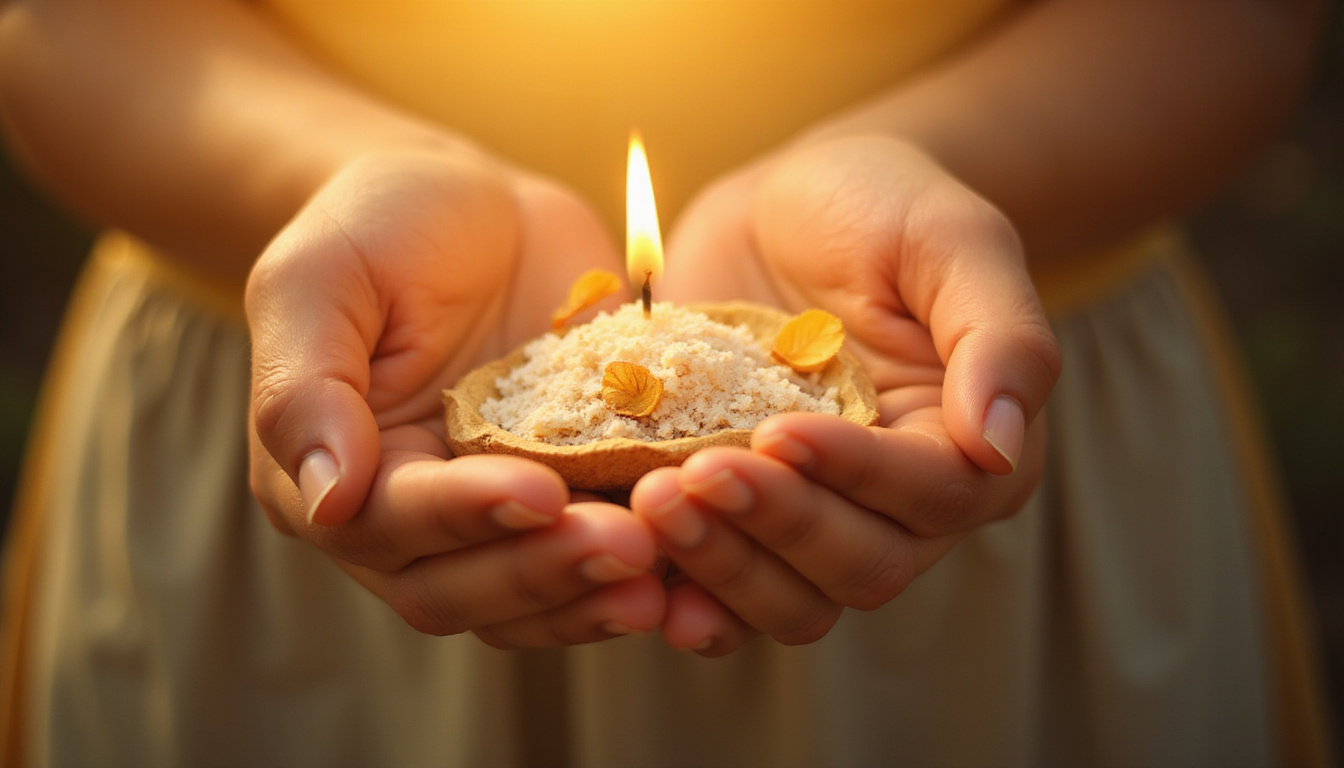
Morning Reset Ritual
- Open a window or step onto your balcony.
- Light palo santo and take five slow, deep breaths.
- State three intentions for the day (e.g., “I move with clarity, calm, and kindness.”).
- Extinguish and start your day with that energy.
Pre-Meditation or Yoga Ritual
- Clear your mat or meditation spot with smoke.
- Circle the palo santo around your head and heart.
- Sit down and begin your practice while the scent still lingers.
After-Work Decompression
- As you shut down your devices, light palo santo.
- Walk through your workspace or desk area.
- As you move, say, “I release work from my body and mind. I am off-duty.”
- Let that be your energetic “log off” from the day.
Safety Tips When Burning Palo Santo
Even a small smoldering stick is still fire. Keep your practice both mindful and safe.
- Never leave burning palo santo unattended.
- Keep away from curtains, bedding, and paper.
- Avoid using it around small children, pets, or anyone with respiratory issues or asthma.
- Use in a well-ventilated area to reduce smoke buildup.
- If you experience headaches, coughing, or irritation, stop and air out the room.
If you or someone in your household is sensitive to smoke, you can still work with palo santo in other forms.
Alternatives to Burning: Palo Santo Without the Smoke
You can benefit from the scent and symbolic meaning of palo santo even if you’re not burning the wood.
- Palo santo essential oil: Add a few drops to a diffuser with water. Always dilute properly and avoid direct skin contact unless it’s in a carrier oil.
- Room or linen sprays: Look for sprays made with real palo santo oil, not just synthetic fragrance.
- Incense sticks or cones: Some use powdered palo santo blended with other herbs; check ingredients and sourcing.
- Carved objects or beads: The wood’s aroma can be released gently by warmth and touch, offering a subtle scent.
These methods offer a gentler, often more sustainable way to incorporate palo santo into your environment.
Respecting Cultural Roots and Using Palo Santo Mindfully
Palo santo has deep roots in Indigenous and local spiritual traditions in South America. Using it respectfully means:
- Acknowledging it didn’t originate as a Western self-care tool.
- Learning about the cultures that have used it for generations.
- Avoiding language or practices that trivialize sacred ceremonies.
- Supporting suppliers who work directly with local communities.
You don’t need to copy another culture’s rites to benefit. Instead, let their wisdom inspire you to create your own grounded, respectful rituals.
Quick Reference: Simple Palo Santo Checklist
When you’re ready to begin, use this short list as a guide:
- [ ] Choose ethically-sourced palo santo
- [ ] Decide your intention (clear, invite, release, protect)
- [ ] Open a window or door
- [ ] Light, let it burn 20–30 seconds, then blow out
- [ ] Walk your space slowly, focusing on corners and doorways
- [ ] Speak your intention (out loud or silently)
- [ ] Gently cleanse your own energy field
- [ ] Extinguish fully and never leave it unattended
FAQ About Palo Santo and Smudging
1. How often should I use palo santo for cleansing?
Use palo santo as often as feels supportive without becoming compulsive. Many people smudge their homes weekly, after guests leave, or following intense events (arguments, big work days, emotional processing). Others reserve it for special intentions like new moons, full moons, or major life transitions.
2. Is palo santo safe to burn indoors for smudging?
Yes, burning palo santo indoors is common, but it must be done safely: keep the area ventilated, avoid breathable issues for sensitive individuals, and never leave it unattended. If smoke bothers you, try a diffuser or spray with palo santo oil instead.
3. What’s the difference between palo santo and sage for cleansing?
Both are used in cleansing rituals, but they have different scents, cultural histories, and ecological concerns. White sage is tied specifically to certain Native American traditions, while palo santo comes from South American practices. Many people find palo santo’s scent lighter and sweeter. In both cases, ethical sourcing and cultural respect are crucial.
Bring More Intention Into Your Space with Palo Santo
If your home or work environment feels heavy, scattered, or simply “off,” introducing a grounded ritual with palo santo can offer a powerful reset. Used respectfully and responsibly, this “holy wood” can help you:
- Clear emotional and energetic residue from your space
- Drop into more focused, calm states for work or meditation
- Mark meaningful transitions in your day and your life
You don’t need elaborate ceremonies or spiritual labels to begin. Start with a single stick, a clear intention, and five quiet minutes. From there, refine your own personal rituals and notice how both your space—and your inner landscape—begin to shift.
If you’re ready to explore this for yourself, choose an ethically-sourced bundle of palo santo, set a simple intention for your next burning, and let that first breath of fragrant smoke mark the beginning of a more peaceful, intentional relationship with your space and your energy.
Throughout history, many plants and herbs have been associated with luck, protection, and prosperity. To explore their deeper spiritual, psychological, and scientific significance, visit SpiritualMindScience.com.