Omamori are small, colorful Japanese charms believed to offer protection, luck, and blessings from Shinto deities and Buddhist figures. If you’ve ever visited a shrine or temple in Japan and seen rows of embroidered pouches hanging neatly by the counter, you’ve already encountered omamori. This guide will walk you through what omamori are, the meanings behind different types, how to use them respectfully, and how to tell if the ones you’re buying are authentic.
What Is an Omamori?
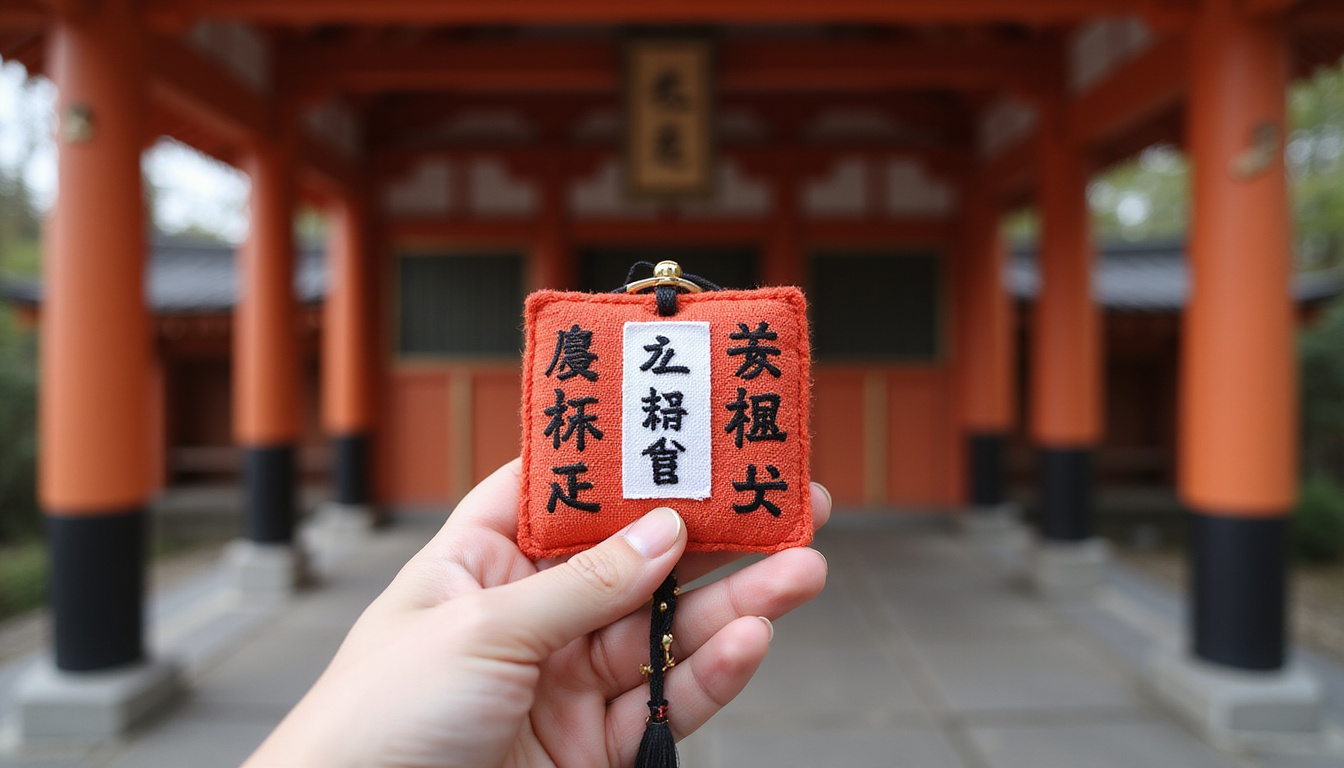
In Japanese, omamori (お守り) comes from the verb mamoru, meaning “to protect” or “to guard.” Traditionally, an omamori is:
- A small cloth pouch, usually silk or cotton
- Embroidered with symbols or kanji related to its blessing
- Tied at the top with a cord, often in a decorative knot
- Filled with a sacred object or inscription blessed by a priest or monk
Inside the pouch is usually a written prayer, charm, or talisman paper/wooden strip, which is never meant to be opened. The power of the omamori comes from this sacred content and the blessing performed at a shrine (jinja) or temple (tera).
You don’t have to be Japanese or religious to carry an omamori. Many people worldwide keep them as meaningful, culturally respectful tokens of protection, support, or remembrance.
Origins and Cultural Importance of Omamori
Omamori sit at the intersection of Shinto and Buddhist traditions in Japan. Their roots lie in ancient practices of carrying small sacred objects for protection, such as:
- Fragments of sutras (Buddhist scriptures)
- Wood or paper talismans from shrines
- Natural objects believed to house kami (spirits or deities)
Over time, these objects evolved into portable amulets that anyone could carry. Today, omamori are part of everyday life in Japan:
- Students buy them for exam success
- Commuters keep them for traffic safety
- Couples exchange them for relationship harmony
- Families gift them to new parents or homeowners
According to the Association of Shinto Shrines, millions of omamori are distributed each year in Japan, especially during New Year’s shrine visits, when people seek blessings for the year ahead (source: Jinja Honcho).
Types of Omamori and Their Meanings
Different omamori are designed for specific purposes. While names and designs vary by shrine or temple, you’ll commonly see categories like:
1. Protection Omamori (安全守 / 守護守)
These focus on general safety and protection from misfortune:
- General protection (mamori): For overall safety in daily life
- Traffic safety (kōtsū anzen): For drivers, riders, and travelers
- Disaster protection: For protection against accidents, illness, or natural disasters
They’re often kept in wallets, bags, or at home’s entryways.
2. Health and Longevity Omamori (健康守 / 長寿守)
These charms focus on physical and mental well-being:
- Good health (kenkō mamori)
- Recovery from illness (byōki heiyu)
- Longevity (chōju)
They’re commonly gifted to elderly relatives, people facing medical procedures, or anyone dealing with stress or health issues.
3. Academic and Study Omamori (学業成就 / 合格祈願)
Among the most popular:
- Exam success (gōkaku kigan): For entrance exams and major tests
- Academic achievement (gakugyō jōju): For ongoing study, research, or skill-building
Students often attach these omamori to pencil cases, bags, or keep them near their desks.
4. Love, Marriage, and Relationships Omamori (縁結び / 良縁)
These omamori focus on personal connections:
- Finding a good match (en-musubi or ryōen): For romance or new relationships
- Marital harmony (fumon or 夫婦円満): For couples and families
- Friendship and social harmony
They’re especially common at shrines known for love and matchmaking, such as Kyoto’s Jishu Shrine.
5. Business, Wealth, and Success Omamori (商売繁盛 / 金運)
For work, money, and success:
- Business prosperity (shōbai hanjō)
- Financial luck (kin’un)
- Career advancement
These omamori often sit near cash registers, desks, or home offices.
6. Safe Childbirth and Family Omamori (安産 / 子授け)
These focus on family milestones:
- Safe childbirth (anzan)
- Conceiving a child (ko-sazuke)
- Child safety and growth
You’ll find many at temples and shrines dedicated to fertility, childbirth, and children.
What’s Inside an Omamori?
The power of an omamori is believed to reside inside the pouch, which is why it is not opened. While contents vary, they often include:
- A piece of paper or wood with a prayer or inscription
- The name of the deity, shrine, or temple
- Sacred symbols or kanji representing the blessing
- Occasionally small pieces of cloth, thread, or metal blessed in ritual
Opening an omamori is considered disrespectful and symbolically releases the blessing. If it tears or opens by accident, it’s thought that it has done its job by absorbing misfortune.
How to Use Omamori Respectfully
You don’t need special rituals to use an omamori, but a few guidelines help you honor the tradition appropriately.
Where to Keep Your Omamori
Keep your omamori somewhere close and relevant to its purpose:
- Protection or general luck: In your bag, pocket, or wallet
- Traffic safety: Hanging in the car, on a bike, or inside a travel bag
- Health: Near your bed, in your bag, or on a bedside table
- Study or exams: On your desk or in your pencil case
- Business or wealth: Near a register, workstation, or in a business card case
- Home and family: Near the entrance, family altar (if you have one), or a safe space
You don’t need to “pray” to it every day. Simply treating it with respect—keeping it clean and not throwing it around—is enough.
Can You Have More Than One Omamori?
Yes. Many people carry several. It’s common to have one for protection, one for studies, and perhaps another for traffic safety. Different shrines and deities are seen as cooperating rather than competing, so multiple omamori generally aren’t considered a problem.
How Long Should You Keep an Omamori?
Traditionally, omamori are considered to hold their strongest power for about one year. After that:
- Many people return them to the same shrine or temple for ceremonial burning
- Others keep especially meaningful omamori longer as personal keepsakes
If the omamori is tied to a specific goal—like passing an exam or a safe trip—it’s often returned after that goal is completed, in thanks.
A brief guideline:
- Short-term goals (exams, trips): Return or respectfully retire once achieved.
- Yearly blessings (New Year protection, general luck): Renew annually if you wish.
- Sentimental omamori (gifts from loved ones): You may keep them longer, understanding the spiritual “expiration” idea is flexible in modern practice.
What To Do With Old or Damaged Omamori
If your omamori becomes old, dirty, or damaged, you have two respectful options:
1. Return to a Shrine or Temple
In Japan, shrines and temples collect old omamori and other religious items for ritual burning (お焚き上げ, otakiage). This releases the spiritual power with gratitude.
If you can’t return it to the original place, another shrine or temple will generally accept it.
2. Retire It Respectfully at Home (If You Can’t Visit Japan)
If visiting a shrine or temple isn’t possible:
- Wrap the omamori in clean paper
- Express gratitude silently or verbally
- Place it carefully in the trash or burn it safely in a respectful, controlled way (if allowed where you live)
The key is your attitude: treating the omamori with respect and appreciation.
How to Recognize Authentic Omamori
As omamori have become popular worldwide, many mass-produced versions have appeared. These can be cute accessories, but they don’t carry the same traditional meaning as omamori blessed at shrines or temples.
To find authentic omamori:
- Source: Buy directly at a Japanese shrine/temple or from reputable cultural shops that import from them.
- Design: Authentic omamori usually have the shrine or temple’s name embroidered or printed, along with specific kanji for its purpose.
- Material: Typically cloth with a structured feel, not thin novelty fabric.
- Price: They’re inexpensive but not extremely cheap—prices reflect support for the shrine and rituals.
If a seller markets items as “omamori-style keychains” or “inspired by omamori,” they’re more decorative than religious. That’s fine if you simply want the aesthetic, but be clear on the difference.
Buying Omamori in Japan: What to Expect
At shrines and temples, omamori are usually available at small counters near the entrance or main hall. Etiquette is simple:
- Approach the counter and browse the display.
- Choose the omamori that matches your goal (staff often speak basic English or displays may have English labels at popular sites).
- Pay respectfully; bowing lightly is appreciated but not mandatory.
You don’t need to be Shinto or Buddhist, nor do you need to perform elaborate rituals. Many Japanese people themselves simply purchase an omamori, offer a brief prayer or bow, and go on with their day.
Can Non-Japanese People Use Omamori?
Yes. Omamori are not limited to Japanese people or formal adherents of Shinto or Buddhism. They’re often given to:
- International visitors as souvenirs
- Overseas friends and relatives as gifts
- People of any background facing exams, travel, illness, or life changes
The key is respectful use:
- Don’t treat them as jokes or props
- Avoid opening them to peek inside
- Don’t wear them in ways that sexualize or trivialize their meaning
Carrying an omamori as a symbol of hope, protection, or connection to Japanese culture is widely accepted.
Quick Reference: Common Omamori Types
Here’s a simple list to help you identify omamori at a glance:
- 学業成就 (Gakugyō Jōju) – Academic success
- 合格祈願 (Gōkaku Kigan) – Passing exams
- 交通安全 (Kōtsū Anzen) – Traffic safety
- 無病息災 (Mubyō Sokusai) – Health and protection from illness
- 縁結び (En-musubi) – Love and good relationships
- 商売繁盛 (Shōbai Hanjō) – Business prosperity
- 金運 (Kin’un) – Financial fortune
- 安産祈願 (Anzan Kigan) – Safe childbirth
- 家内安全 (Kanai Anzen) – Household safety
- 厄除け (Yaku-yoke) – Warding off bad luck and misfortune
Omamori FAQ
What is an omamori charm used for?
An omamori charm is used to invite protection, luck, or blessings in specific areas of life, such as health, travel, exams, love, or business. People keep them in bags, cars, wallets, or homes as a quiet, daily reminder of support and safety.
Can I open omamori to see what’s inside?
Traditionally, omamori are not opened. The sacred paper, prayer, or talisman inside is meant to stay sealed, and opening the omamori is believed to release or weaken its protective power. If you’re curious, it’s better to learn about omamori contents through books or reputable websites rather than opening one.
How do I dispose of omamori when I don’t need them?
In Japan, you typically return old omamori to a shrine or temple, where they are ritually burned. If you’re abroad, you can retire your omamori by wrapping it neatly in clean paper, expressing gratitude, and disposing of it respectfully, or burning it safely if your local regulations and circumstances allow.
Omamori beautifully combine faith, culture, and everyday life—small, tangible reminders that you’re not alone in your hopes and struggles. Whether you’re studying for exams, starting a new business, traveling, or simply wanting a sense of protection and connection, an authentic omamori can be a meaningful companion.
If you’re ready to bring this tradition into your own life, seek out reputable sources for authentic omamori from Japanese shrines and temples, or plan to pick one up on your next visit to Japan. Choose the charm that speaks to your current journey, carry it with respect, and let it serve as a quiet symbol of encouragement and blessing each day.
Explore the Science Behind Spirituality
This guide explored the meaning and history of good luck symbols. To discover the psychology, consciousness, and scientific perspectives behind spiritual beliefs, visit SpiritualMindScience.com.