Neem Oil Secrets: How to Use This Natural Pest Fighter Effectively
Neem has earned a reputation as one of the most powerful natural tools for gardeners who want to control pests without harsh synthetic chemicals. Extracted from the seeds of the neem tree (Azadirachta indica), neem oil works as an insecticide, fungicide, and even a mild miticide—making it a versatile ally for both indoor and outdoor plants. When used correctly, neem can help you keep common pests under control while still supporting a healthy garden ecosystem.
Below you’ll find a practical, step-by-step guide to using neem oil safely and effectively, plus tips, troubleshooting advice, and answers to common questions.
What Is Neem and Why Is It So Effective?
Neem comes from a tree native to India and other parts of South Asia, long used in traditional agriculture and medicine. For gardening, the most important component is azadirachtin, a naturally occurring compound that affects insects in multiple ways:
- Disrupts feeding (insects stop eating)
- Interferes with growth and molting
- Reduces egg-laying and reproduction
- Acts as a repellent to some species
Because neem works in several ways at once, pests are less likely to develop resistance compared to single-mode synthetic pesticides (source: National Pesticide Information Center).
Types of Neem Products You’ll See
Not all neem products are the same. The most common you’ll encounter are:
-
Cold-pressed neem oil
Contains the full spectrum of neem compounds, including azadirachtin. Best for organic pest control. -
Clarified hydrophobic neem oil
Has most azadirachtin removed; mainly works as a contact insecticide and leaf shine. Often sold for ornamental plants. -
Neem oil concentrates vs. ready-to-use sprays
Concentrates are more economical and flexible but must be diluted. Ready-to-use (RTU) sprays are convenient for small collections or occasional use.
For strong, long-lasting pest management, cold-pressed neem oil concentrate is generally the best choice.
How Neem Oil Works on Garden Pests
Neem is not a quick “knockdown” spray like many synthetic pesticides. Its strength lies in gradual, multi-stage control, especially for soft-bodied pests.
Pests Neem Can Help Manage
Neem oil is particularly useful for:
- Aphids
- Spider mites
- Whiteflies
- Mealybugs
- Scale (especially soft scale and crawlers)
- Thrips (partial control, especially early)
- Leaf miners (limited; helps disrupt life cycle)
- Fungus gnats (on soil surface and larvae)
- Some chewing caterpillars (young stages)
It also has fungistatic (fungus-slowing) properties that can help with:
- Powdery mildew
- Black spot
- Rust
- Some leaf spot diseases
What Neem Does (and Doesn’t) Do
Does:
- Coat insects, smothering soft-bodied pests on contact
- Disrupt feeding and reproduction when ingested
- Slow or halt fungal spread on leaf surfaces
Does not:
- Instantly kill all visible bugs
- Completely eradicate well-established infestations overnight
- Work well on hard-bodied beetles or large caterpillars
Neem is best thought of as a long-game, integrated pest management tool, not a one-time miracle spray.
How to Mix Neem Oil Correctly
Improper mixing is one of the biggest reasons people say neem “doesn’t work.” Because oil and water don’t naturally mix, you must use an emulsifier and correct ratios.
Basic Neem Spray Recipe
For general preventative use and light to moderate infestations:
- 1 liter (about 1 quart) of lukewarm water
- 5 ml (about 1 teaspoon) of cold-pressed neem oil
- 2–3 ml (about ½ teaspoon) of mild liquid soap (non-antibacterial, without degreasers or fragrances) as an emulsifier
Steps:
- In a small cup, mix the neem oil and liquid soap until uniform (it should look milky).
- Add this mixture to your lukewarm water in a spray bottle or garden sprayer.
- Shake well before and frequently during use. Neem separates quickly.
For heavier infestations, you can increase the neem oil to 10 ml (2 teaspoons) per liter, keeping soap around 2–3 ml. Always test a small area first at higher strengths.
How to Apply Neem Oil Safely and Effectively
Timing, coverage, and frequency are critical when using neem.
Best Time of Day to Spray
- Early morning (before strong sun)
or - Late afternoon / early evening
Avoid spraying in:
- Midday heat
- Very bright direct sun
- Temperatures above ~85°F (29°C)
This reduces the risk of leaf burn and helps the neem stay on the plant longer before evaporating.
Step-by-Step Application
-
Test first:
Spray a small section of one plant and wait 24 hours. If there’s no damage (burn, severe curling, or discoloration), proceed. -
Prepare plants:
- Water dry plants a few hours before applying (stressed plants are more sensitive).
- Remove heavily infested leaves when practical.
-
Spray thoroughly:
- Focus on undersides of leaves where pests hide.
- Cover stems and leaf joints.
- Spray until leaves are just about to drip, but don’t drench to runoff.
-
Repeat consistently:
- For active infestations: every 4–7 days for 3–4 cycles.
- For prevention: every 10–14 days during high-risk seasons.
-
Re-mix fresh each time:
Neem breaks down in water. Don’t store diluted spray for more than 8–12 hours; mix only what you’ll use that day.
Using Neem Indoors vs. Outdoors
Neem can be used in both environments, but your approach should adjust slightly.
Indoor Use (Houseplants, Grow Tents, Seedlings)
- Spray in a well-ventilated area and avoid breathing mist.
- Protect surfaces (neem can leave an oily film).
- Turn pots or leaves to hit all sides—indoor pests like spider mites often hide on undersides.
- Consider wiping leaves with a neem-damp cloth for sensitive species instead of full spraying.
Outdoor Use (Vegetable Gardens, Ornamentals, Trees)
- Check the forecast: avoid spraying before rain, which will wash neem off.
- Be mindful of beneficial insects (ladybugs, lacewings, bees).
- Spray when pollinators are inactive (dusk or early morning).
- Avoid spraying directly on flowers when possible.
- Reapply after heavy rainfall or frequent overhead watering.
Common Mistakes to Avoid with Neem
Many failures and plant injuries trace back to a few predictable errors. Avoid these pitfalls:
-
Too strong a mix
High concentrations can burn leaves, especially on tender or thin-leafed plants (e.g., ferns, some succulents). -
Spraying in bright sun or high heat
Oil plus intense light equals scorched foliage. -
Not shaking the sprayer
Neem separates quickly and you’ll end up spraying mostly water at first, then highly concentrated oil at the end. -
Expecting instant results
You might see some pests die quickly from smothering, but most of neem’s power is in slowing and stopping population growth over several days. -
Using “antibacterial” or harsh soaps
These can damage leaves. Mild, simple soaps work best as emulsifiers.
Neem and Plant Safety: What You Need to Know
Most plants tolerate neem well, but some are more sensitive than others.
Plants That May Be Sensitive to Neem
Use extra caution or lower concentrations (and always spot-test) on:
- Ferns
- Some succulents (e.g., some echeveria, fuzzy kalanchoe)
- Plants with very thin, delicate leaves
- Seedlings and very young transplants
If you see leaf burn, bronzing, or heavy curling after treatment, reduce strength, spray less often, or switch to wiping leaves instead of full coverage.
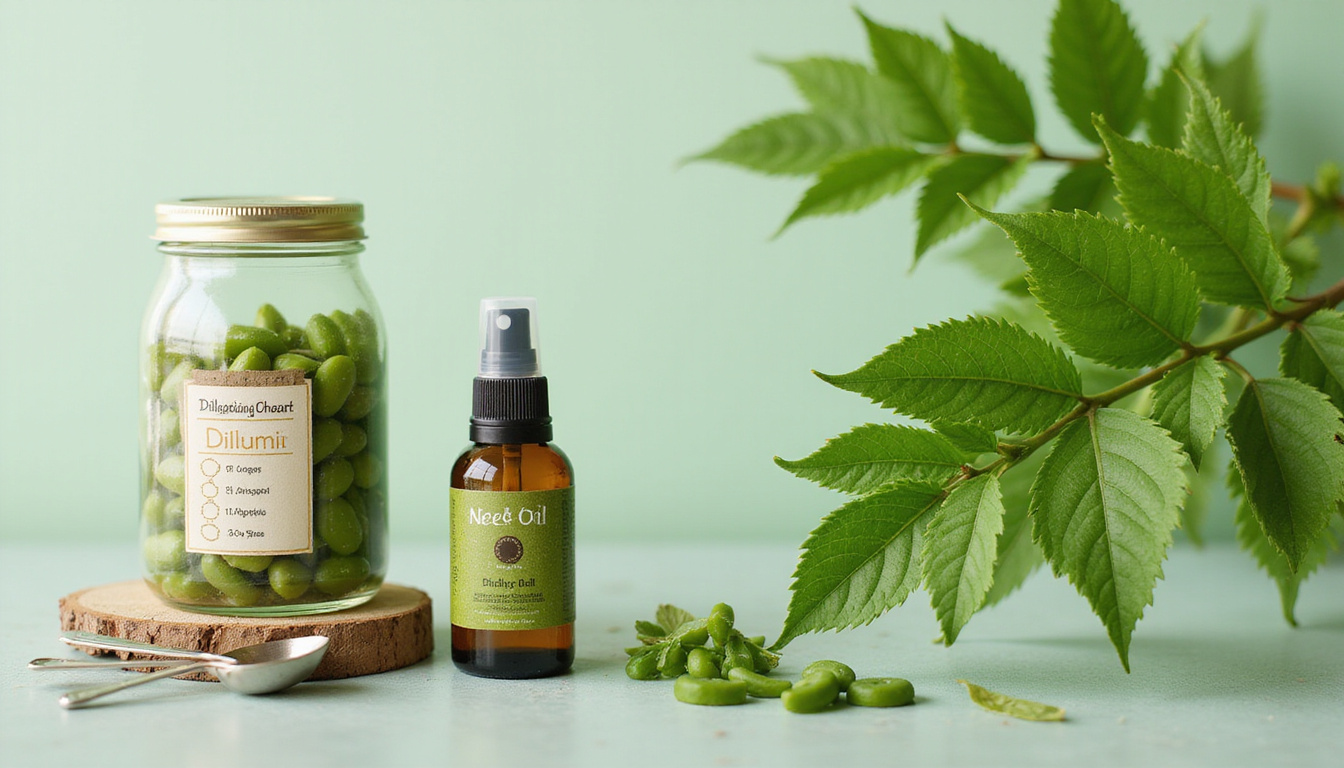
Human and Pet Safety
Neem is generally considered low in toxicity to humans and mammals when used as directed:
- Avoid contact with eyes and prolonged skin exposure.
- Do not ingest neem oil products made for gardening.
- Keep concentrated neem out of reach of children and pets.
- Wash hands after mixing or spraying.
If you want to use neem on edible crops, observe the pre-harvest interval on your product label. Many gardeners stop using neem at least 5–7 days before harvest for extra peace of mind, even if labels allow shorter intervals.
Integrating Neem into an Organic Pest Management Plan
Neem is powerful, but it works best as part of a broader, balanced approach.
Combine Neem with Good Cultural Practices
Use neem alongside:
- Proper watering (avoid chronic overwatering that attracts fungus gnats and disease)
- Adequate spacing and airflow to reduce fungal issues
- Healthy soil rich in organic matter and beneficial organisms
- Regular inspections of leaves (especially undersides) to catch problems early
Pair with Other Gentle Controls
You can combine neem with:
- Manual removal: Squishing or rinsing off small infestations.
- Yellow sticky traps: For fungus gnats, whiteflies, and some flying pests.
- Beneficial insects: Use neem sparingly and at times when beneficials are less active to avoid harming them.
The idea is to use neem as a targeted, strategic tool, not a constant blanket spray.
Quick Reference: Neem Use Checklist
Use this short list when you’re ready to mix and spray:
- Identify the pest and confirm neem is appropriate.
- Choose cold-pressed neem oil for full effectiveness.
- Mix fresh:
- 1 liter water
- 5–10 ml neem oil
- 2–3 ml mild liquid soap
- Test spray one plant section and wait 24 hours.
- Spray in early morning or evening, out of hot direct sun.
- Cover tops and undersides of leaves and stems.
- Repeat every 4–7 days for active infestations.
- Store concentrated neem in a cool, dark place; discard old diluted mix.
FAQ About Neem for Garden and Houseplant Care
Is neem oil safe for all plants?
Most common houseplants, vegetables, and ornamentals tolerate neem well when used at proper strength and in good conditions. However, some delicate plants—such as ferns, certain succulents, and very young seedlings—may be sensitive. Always do a small test patch first and avoid spraying in strong sun or high heat.
How often should I use neem for houseplants?
For active pests on houseplants, apply neem every 7 days for 3–4 treatments, ensuring thorough coverage each time. For prevention, a light neem spray every 2–4 weeks can help keep issues like spider mites and aphids from gaining a foothold, especially in dry indoor environments.
Can I use neem on vegetable plants and still eat the produce?
Yes, neem oil is commonly used on vegetables and herbs. Follow the directions on your specific neem product and observe any pre-harvest interval listed (often a few days). Many gardeners choose to stop using neem about a week before harvest and always wash produce thoroughly before eating.
Neem can transform the way you manage pests, giving you a safer, more sustainable alternative to harsh chemicals while still protecting your plants. When you understand how neem works—slowly, systemically, and in multiple ways—you can use it with precision and confidence.
If you’re ready to take control of pests naturally, start by picking up a high-quality, cold-pressed neem oil, a simple spray bottle, and a mild liquid soap. Mix a small batch, test it on a few leaves, and build neem into your regular plant care routine. With consistent, careful use, you’ll soon see healthier plants, fewer pests, and a garden that thrives with less reliance on synthetic pesticides.
Throughout history, many plants and herbs have been associated with luck, protection, and prosperity. To explore their deeper spiritual, psychological, and scientific significance, visit SpiritualMindScience.com.