For thousands of years, myrrh has been treasured in temples, sickrooms, and beauty rituals from Egypt to China. Today, this aromatic resin is quietly resurfacing in modern skincare and wellness spaces—not as a passing trend, but as a potent, time-tested ally for both skin and atmosphere. If you’ve ever wondered why ancient cultures prized it like gold, or how to use it safely at home, you’re about to see how myrrh can transform both your skin and your space.
What Is Myrrh, Really?
Myrrh is an aromatic gum resin obtained from small, thorny trees in the Commiphora genus, particularly Commiphora myrrha. When the tree bark is cut, it exudes a sap that hardens into reddish-brown granules—these are the resin “tears” we call myrrh.
In practice, you’ll usually encounter it in three main forms:
- Raw resin: Small chunks or “tears” of the dried sap.
- Essential oil: Steam-distilled from the resin; highly concentrated.
- Extracts or tinctures: Alcohol or oil-based extracts used in skincare and herbal preparations.
Chemically, myrrh is rich in sesquiterpenes and other aromatic compounds that give it its characteristic earthy, slightly medicinal scent and many of its bioactive properties.
A Brief History: From Sacred Incense to Healing Balm
Myrrh’s story is woven into religion, medicine, and luxury:
- Ancient Egypt: Used in embalming and as a skin ointment in salves and perfumes.
- Traditional Chinese Medicine (TCM): Employed to move “stagnant blood,” support wound healing, and ease pain.
- Ayurveda: Known as bola or guggulu relatives; used for inflammatory conditions and skin health.
- Biblical and historical references: One of the gifts of the Magi, and a key ingredient in temple incense and anointing oils.
Modern research is beginning to validate some of these traditional uses, showing antioxidant, antimicrobial, and anti-inflammatory actions (source: National Library of Medicine).
How Myrrh Transforms Your Skin
1. Antioxidant Support for Aging and Stressed Skin
Daily exposure to UV light and pollution generates free radicals that accelerate visible aging. Compounds in myrrh resin and essential oil show notable antioxidant activity in laboratory studies, which may help:
- Reduce oxidative stress in the skin
- Support collagen and elastin integrity
- Soften the appearance of fine lines over time
You’ll often find myrrh in serums and facial oils marketed for “renewal,” “firming,” or “revitalizing” benefits, especially in formulations aimed at mature or environmentally stressed skin.
2. Gentle Support for Blemish-Prone Skin
Myrrh’s natural antimicrobial and mildly astringent properties make it useful in formulas designed to:
- Help keep pores clearer
- Minimize the look of blemishes
- Gently purify the skin surface
Unlike harsh, stripping ingredients, myrrh is usually used in low concentrations, often alongside soothing botanicals, which can make it a better fit for adult or combination skin that needs balance rather than aggression.
3. Soothing Dry, Rough, or Cracked Areas
Traditional herbalists have long turned to myrrh for supporting slow-healing or very dry skin. Modern balms and salves with myrrh may help:
- Soften rough patches (heels, elbows, knuckles)
- Provide a protective film over chapped or wind-exposed skin
- Calm the appearance of minor redness or irritation
Always avoid applying myrrh essential oil directly to deep wounds or broken skin; stick to professionally formulated products for these uses.
How to Use Myrrh Safely in Skincare
Because myrrh essential oil is potent and resin is sticky and intense, approach it with strategy and care.
Dilution Guidelines for Topical Use
If you’re using myrrh essential oil on the skin, proper dilution in a carrier oil is crucial:
- Face: 0.25–0.5% (1–3 drops myrrh EO per tablespoon of carrier oil)
- Body: Up to 1% (6 drops per tablespoon), for short-term targeted use
- Sensitive or reactive skin: Start at 0.25% or less
Suitable carrier oils include jojoba, sweet almond, grapeseed, or fractionated coconut oil.
Patch Test Every New Formula
Essential oil reactions can appear hours after application. Before using a new blend:
- Dilute myrrh in your chosen carrier oil.
- Apply a small amount to the inside of your forearm.
- Wait 24 hours and monitor for redness, itching, or burning.
Discontinue use if any reaction occurs.
Simple DIY Myrrh Facial Oil (Night Use)
- 1 tablespoon jojoba oil
- 1 tablespoon argan or rosehip oil
- 2 drops myrrh essential oil
- 2 drops lavender or frankincense essential oil (optional)
Blend in a dark glass bottle and use 2–3 drops on damp skin at night. Avoid the eye area.
Transforming Your Space: Myrrh for Atmosphere and Mood
Myrrh has been burned as incense for millennia for a reason: its aroma changes how a space feels—grounded, contemplative, slightly mysterious.
1. Emotional Tone: Calm, Focus, and Ritual
Anecdotally and in aromatherapy practice, myrrh is associated with:
- Promoting a sense of grounding and emotional stability
- Supporting meditation, prayer, and introspection
- Easing mental chatter and overthinking
Used alone, it has a deep, earthy, resinous scent. Blended with lighter notes like citrus or floral oils, it creates a balanced, complex fragrance that’s ideal for mindful moments.
2. Purifying and Refreshing the Air
Historically, myrrh incense was believed to “purify” the air in temples and homes. While evidence is still emerging, its antimicrobial properties have led some researchers to explore its potential in reducing airborne microbes in controlled settings.
In your home, think of myrrh as part of an atmosphere ritual:
- After cleaning, to reset the feeling of a room
- Before guests arrive, to create a warm, inviting ambiance
- Before sleep, to mark the transition to rest
Practical Ways to Use Myrrh in Your Space
You don’t need a temple to enjoy myrrh—just a bit of intention and the right tools.
Diffusing Myrrh Essential Oil
Add myrrh essential oil to a water-based diffuser:
-
Basic calming blend
- 2 drops myrrh
- 3 drops lavender
- 2 drops sweet orange
-
Meditation blend
- 2 drops myrrh
- 2 drops frankincense
- 1 drop sandalwood (or cedarwood)
Run for 20–30 minutes at a time in a well-ventilated room.
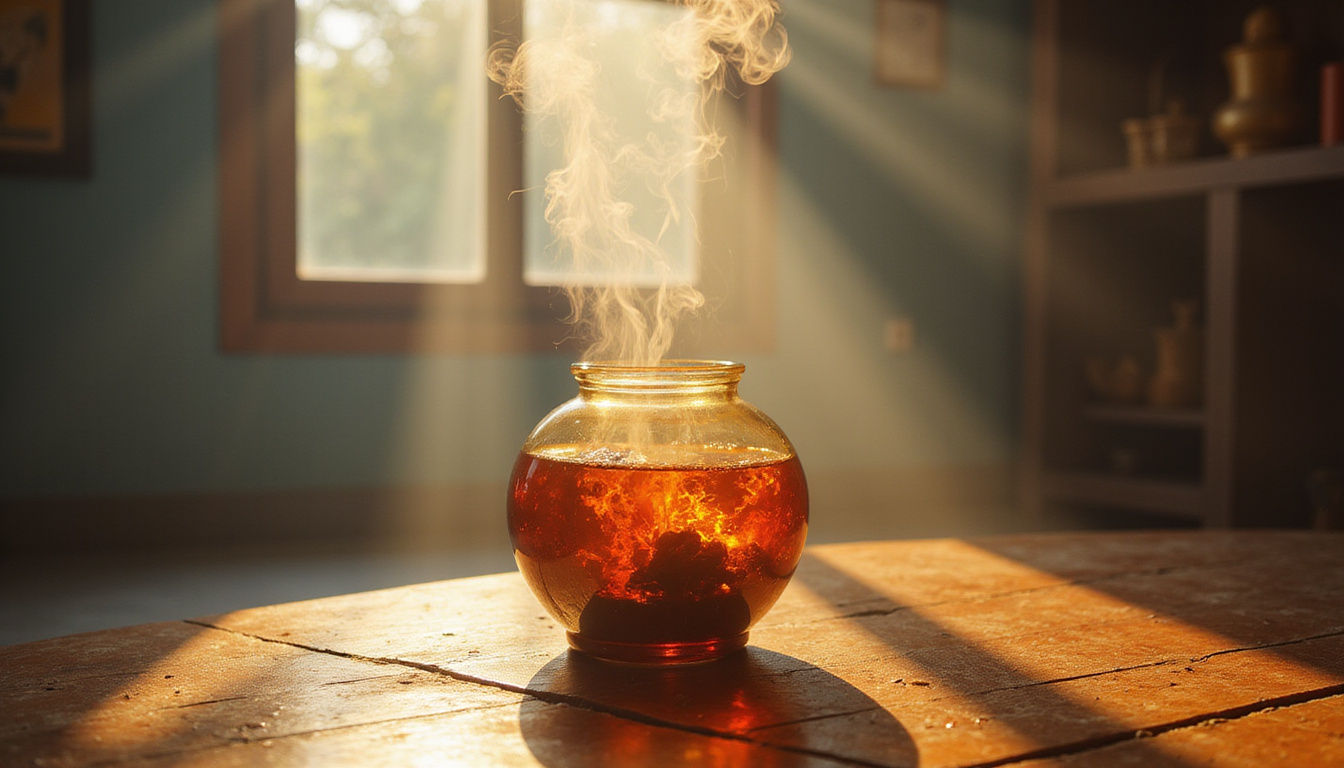
Using Raw Myrrh Resin as Incense
If you prefer a more traditional experience:
- Place a charcoal disc in a heat-safe burner filled with sand or ash.
- Light the disc and let it turn grayish.
- Place 1–2 small “tears” of myrrh resin on the charcoal.
- Allow the smoke to gently perfume the room.
Ensure good ventilation, avoid inhaling smoke directly, and never leave burning charcoal unattended.
Myrrh Room & Linen Spray
For a lighter touch without smoke:
- 1 cup distilled water
- 1 tablespoon witch hazel or vodka (as a dispersant)
- 10–15 drops myrrh essential oil
- Optional: 10 drops bergamot or lemon EO for brightness
Shake before each use and mist into the air or onto linens (test fabrics first).
Layering Myrrh: Coordinating Skincare and Scent
To create a cohesive, luxurious experience, you can incorporate myrrh into both your skin ritual and environment:
- Use a gentle myrrh-infused facial oil in your evening routine.
- Diffuse a complementary blend (myrrh + lavender + orange) while you cleanse and moisturize.
- Finish with a myrrh-based body oil on damp skin, aligning your skin care and scent profile.
This consistency builds association: your mind comes to recognize the smell of myrrh as a cue to slow down, restore, and reset.
Safety Considerations and Who Should Be Cautious
While myrrh is natural, “natural” does not mean universally safe or suitable.
Be cautious or consult a professional if:
- You are pregnant or breastfeeding: high internal doses of myrrh have historical contraindications; topical aromatherapy-level dilutions may or may not be appropriate—ask your healthcare provider.
- You have very sensitive or reactive skin: patch test all myrrh products.
- You take medications for blood sugar or clotting: internal use of myrrh (capsules, tinctures) should only be done under professional supervision.
- You have asthma or respiratory conditions: smoke from incense or charcoal burning can irritate the lungs; use diffusers instead, and ventilate well.
For topical and aromatic home use, staying within conservative dilution limits and avoiding ingestion is the safest path.
Choosing Quality Myrrh Products
Because myrrh is relatively costly and sometimes adulterated, selecting a reputable source matters.
Look for:
- Botanical name on the label: Commiphora myrrha or Commiphora molmol
- Country of origin and batch or lot numbers
- GC/MS testing for essential oils (many serious companies share or provide on request)
- Dark glass bottles stored away from direct light and heat
- Minimal additives: avoid synthetic fragrances or unnecessary fillers in skincare that’s marketed as “natural.”
When buying raw resin, choose pieces that are aromatic, dry but not crumbly, and free from excessive dust or foreign materials.
FAQ: Myrrh for Skin and Space
1. Is myrrh good for the face?
Yes, myrrh can be beneficial for facial skin when properly diluted. It’s commonly used in facial oils and serums to support mature, dry, or environmentally stressed skin thanks to its antioxidant and soothing properties. Always dilute myrrh essential oil to 0.25–0.5% for facial use and perform a patch test before applying more broadly.
2. Can I mix myrrh and frankincense oil for skincare?
Myrrh and frankincense are a classic pairing. Together, they’re often used in facial oils and creams designed for aging or dull skin because both offer antioxidant and calming benefits. Keep total essential oil concentration low (0.5–1% total in a carrier oil) and monitor your skin’s reaction, especially if you’re sensitive.
3. How do you use myrrh essential oil around the house?
You can use myrrh essential oil in a diffuser, added to a DIY room spray, or as part of a cleaning solution. For diffusing, blend a few drops of myrrh with complementary oils like citrus, lavender, or cedarwood and run for short intervals. Avoid direct skin contact with undiluted oil and ensure good ventilation, particularly when using it in small or enclosed spaces.
Myrrh has carried its reputation across millennia for good reason: it bridges the gap between skincare and soul care, touching both the complexion and the character of a room. Whether you’re aiming to nourish mature skin, create a sanctuary-like home environment, or simply deepen your self-care rituals, this ancient resin offers a uniquely grounding, multi-sensory experience.
If you’re ready to explore what myrrh can do for your own skin and space, start small: a single bottle of high-quality myrrh essential oil or a thoughtfully formulated myrrh-infused serum. Experiment with a gentle facial blend or a calming diffuser recipe tonight, and let this time-honored botanical show you why it has been cherished for centuries—and why it deserves a place in your modern routine.
Throughout history, many plants and herbs have been associated with luck, protection, and prosperity. To explore their deeper spiritual, psychological, and scientific significance, visit SpiritualMindScience.com.