Mugwort has been used for centuries in traditional medicine as a gentle yet powerful herb for relaxation, vivid dreaming, and restorative rest. Today, more people are rediscovering mugwort as a natural ally for better sleep, stress reduction, and overall balance. In this guide, you’ll learn what mugwort is, how it works, its potential benefits and side effects, plus simple remedies you can safely try at home to support deeper, more peaceful sleep.
What Is Mugwort?
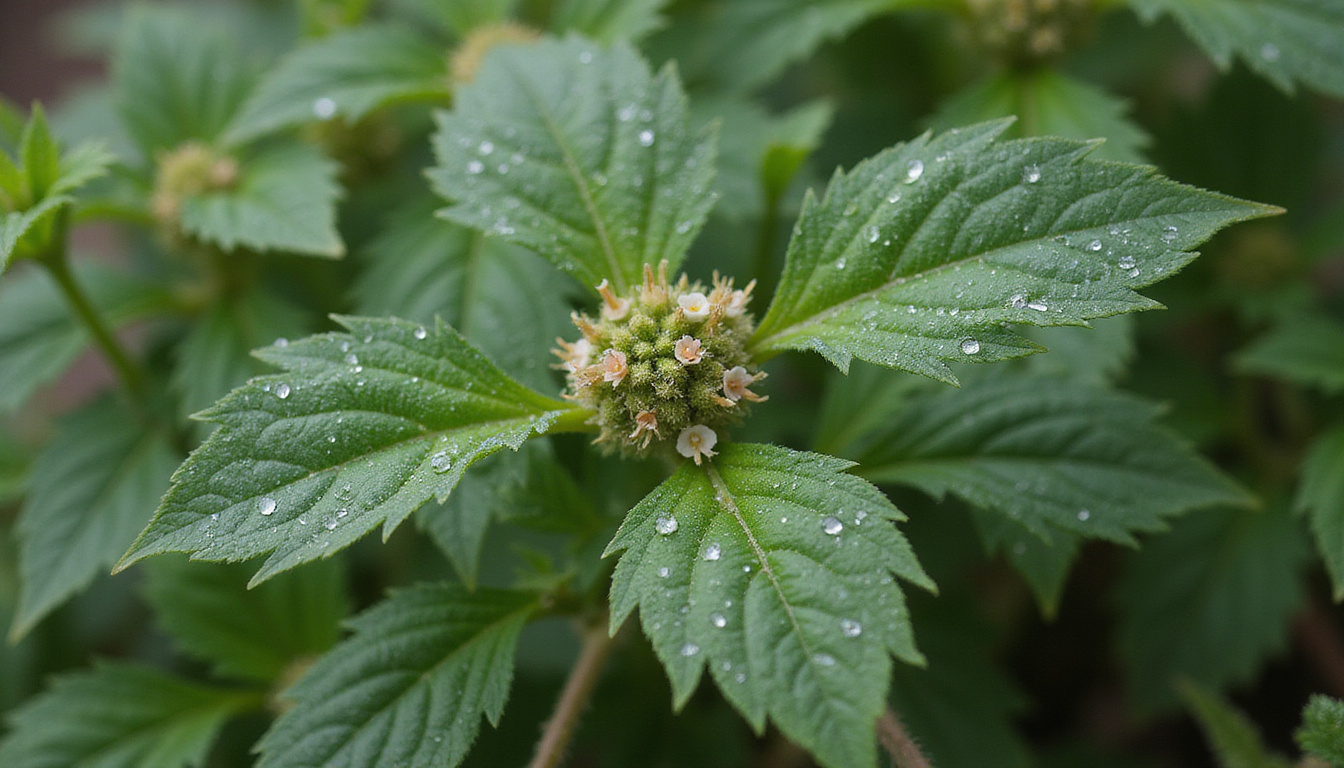
Mugwort (Artemisia vulgaris) is a perennial herb in the daisy family (Asteraceae). It grows widely in Europe, Asia, and North America and has a long history of use in:
- Traditional Chinese medicine (often in moxibustion)
- European folk medicine and ritual practices
- Culinary traditions (especially in East Asia and parts of Europe)
Key components of mugwort include essential oils (like cineole and thujone), flavonoids, and bitter compounds that are thought to contribute to its effects on the nervous and digestive systems (source: National Center for Complementary and Integrative Health).
How Mugwort May Support Sleep and Relaxation
While large, modern clinical studies are limited, traditional use and preliminary research suggest several ways mugwort may influence sleep quality and nighttime relaxation.
1. Mild Calming and Sedative-Like Effects
Many people use mugwort to “take the edge off” stress in the evening without feeling heavily sedated. The herb is often described as:
- Gently relaxing
- Soothing to the nervous system
- Helpful in easing mental tension before bed
Herbalists often recommend mugwort as part of a “wind-down” ritual—combined with other relaxing herbs like chamomile, lavender, or lemon balm.
2. Support for Vivid and Lucid Dreaming
Mugwort is particularly famous for its effect on dreams. Users commonly report:
- More intense, colorful, or memorable dreams
- An increased ability to remember dreams upon waking
- Occasional lucid dreaming (awareness that you’re dreaming)
For some, this can enrich the dream experience and help process emotional content. For others, too vivid dreams can be unsettling—so it’s wise to start with a low dose to see how you respond.
3. Indirect Help with Sleep Quality
Mugwort’s support for better sleep often comes indirectly:
- Calming pre-bed anxiety or restless thoughts
- Easing mild digestive discomfort that might keep you awake
- Encouraging a relaxed, ritualistic bedtime routine
These small shifts can add up to falling asleep more easily and experiencing more restorative rest.
Other Traditional Uses and Potential Benefits of Mugwort
While this article focuses on sleep, mugwort has a broader traditional profile that’s worth knowing.
Digestive Support
Traditionally, mugwort has been used to:
- Stimulate appetite
- Support sluggish digestion
- Ease gas, cramping, and bloating
Its bitter compounds can encourage digestive secretions, which is why it’s sometimes included in “digestive bitters” formulas taken before meals.
Menstrual and Reproductive Support
Herbalists historically used mugwort to:
- Ease menstrual cramps
- Promote delayed or irregular periods
- Relieve tension associated with PMS
Because of these effects, mugwort should be avoided during pregnancy (more on safety below).
Energy and Circulation in Traditional Chinese Medicine
In TCM, mugwort (as moxa) is burned near acupuncture points to:
- Warm and move Qi (vital energy)
- Support circulation
- Relieve certain pain or stagnation patterns
While this isn’t the same as drinking mugwort tea, it reflects the herb’s longstanding use for overall balance and comfort.
Safety, Side Effects, and Who Should Avoid Mugwort
Mugwort can be powerful. Respecting basic safety guidelines is essential.
Possible Side Effects
In otherwise healthy adults, mugwort is typically well tolerated in modest amounts. However, possible side effects include:
- Upset stomach or nausea
- Headache
- Allergic reactions (skin rash, itching, or respiratory symptoms)
- Overly vivid or disturbing dreams
- Restlessness if taken in excess
If you notice any adverse effects, stop use and consult a healthcare provider.
Allergies and Cross-Reactivity
Mugwort is part of the Asteraceae family, which also includes ragweed, daisies, and chrysanthemums. You may be more likely to react to mugwort if you have:
- Seasonal hay fever, especially ragweed-related
- Known allergies to daisies, marigolds, chrysanthemums, or chamomile
In these cases, skip mugwort or work with an experienced practitioner.
Pregnancy, Breastfeeding, and Medical Conditions
Avoid mugwort if you:
- Are pregnant or trying to conceive (it may stimulate the uterus)
- Are breastfeeding (safety data are limited)
- Have a seizure disorder, liver disease, or are on medications metabolized by the liver
- Take sedative medications, anti-anxiety drugs, or sleep aids
Because mugwort contains compounds like thujone in small amounts, discuss it with a qualified healthcare professional before use, especially if you have any chronic condition or take prescription drugs.
How to Use Mugwort for Better Sleep
If you and your healthcare provider decide mugwort is appropriate for you, start low and go slow. Below are simple, practical ways to incorporate it into your nighttime routine.
1. Mugwort Tea for Evening Calm
Mugwort tea is one of the gentlest ways to experience its effects.
Basic Mugwort Sleep Tea Recipe
- 1/2 teaspoon dried mugwort leaves (start very small)
- 1 teaspoon chamomile or lemon balm (optional, for flavor and added calm)
- 1 cup just-boiled water
Instructions
- Place herbs in a mug or teapot.
- Pour hot water over them.
- Cover and steep 5–10 minutes.
- Strain and sip 30–60 minutes before bed.
Tips:
- Start with shorter steep times and smaller amounts; increase only if needed.
- The taste is slightly bitter and herbal; add a bit of honey or a squeeze of lemon if desired.
- If your dreams become too intense or sleep feels disrupted, cut back or stop.
2. Mugwort Dream Pillow
A dream pillow is a no-ingest, low-dose option that many people like for gentle dream enhancement and relaxation.
How to Make a Mugwort Dream Pillow
- Take a small cloth pouch or sew a simple sachet.
- Fill with a mix of:
- 1–2 tablespoons dried mugwort
- Optional: dried lavender, chamomile, rose petals for fragrance
- Tie or sew closed.
- Place near your pillow, inside your pillowcase, or at the head of your bed.
The subtle aroma can encourage relaxation and enhance dream recall without heavily affecting your whole system the way internal use might.
3. Mugwort Bath Soak
A warm bath with mugwort can help relax muscles and calm the nervous system before bed.
Simple Mugwort Bath
- 1–2 tablespoons dried mugwort
- 1–2 tablespoons dried lavender or chamomile (optional)
- Muslin bag, sock, or tea infuser to contain the herbs
Instructions
- Place herbs in the bag or infuser.
- Hang under the tap while you run a warm bath, letting the water flow through.
- Soak for 15–20 minutes, focusing on slow, deep breathing.
This method is especially nice if you’re sensitive to ingesting herbs but still want a calming, ritual-like experience before sleep.
4. Combining Mugwort with Healthy Sleep Habits
Herbs work best when they support an already sleep-friendly environment. For deeper results, pair mugwort with:
- A consistent bedtime and wake time
- Limited screen exposure for 1 hour before bed
- A dark, cool, quiet bedroom
- A light evening meal (avoid heavy, spicy food late at night)
- Relaxation practices: gentle stretches, breathing exercises, or journaling
Mugwort can then become one piece of a holistic sleep routine rather than a quick fix.
Sample Nighttime Routine with Mugwort
To integrate mugwort into a calming, sustainable practice, you might try:
- 1–2 hours before bed
- Turn down harsh lights; avoid stimulating TV or phone content.
- 45–60 minutes before bed
- Brew a small cup of mugwort-chamomile tea.
- 30 minutes before bed
- Soak in a warm mugwort-lavender bath OR do 5–10 minutes of gentle stretching.
- At bedtime
- Place your mugwort dream pillow near your head.
- Spend 5 minutes journaling or doing slow breathing (4 seconds in, 6 seconds out).
This kind of repeated ritual signals to your body and mind that it’s safe to unwind and rest.
Frequently Asked Questions About Mugwort for Sleep
Is mugwort safe to use for sleep?
Mugwort can be safe for many healthy adults when used in small, occasional amounts—such as a weak tea, bath, or dream pillow. However, it is not safe during pregnancy, should be used with caution in people with allergies or chronic conditions, and should always be discussed with a healthcare provider if you take medications or have health concerns.
How should I take mugwort for dreaming and better sleep?
Common ways to use mugwort for dreaming include:
- A low-dose mugwort tea 30–60 minutes before bed
- A mugwort dream pillow under or near your pillow
- A mugwort-infused bath in the evening
Start with external methods (like dream pillows or baths) if you’re sensitive or new to the herb, and always begin with minimal amounts.
Can mugwort help insomnia?
Mugwort alone is unlikely to “cure” chronic insomnia, especially when underlying stress, medical issues, or poor sleep habits are present. It may, however, support relaxation, reduce pre-sleep tension, and enhance the quality of rest and dreaming as part of a broader approach that includes good sleep hygiene, stress management, and professional guidance when needed.
Final Thoughts and Next Steps
Mugwort is a fascinating herb with deep roots in traditional medicine and folklore. Used thoughtfully, it may:
- Support gentle evening relaxation
- Enhance dream vividness and recall
- Complement a calming bedtime ritual
If you’re curious about mugwort for better sleep, start small: try a mild tea, a simple dream pillow, or a soothing bath, and pay close attention to how your body and mind respond. Always consider your personal health situation, medication use, and potential for allergies.
If you’d like personalized guidance, consider speaking with a qualified herbalist or integrative healthcare provider who can help tailor mugwort and other natural remedies to your unique sleep needs. With the right support and a consistent routine, you can use mugwort as a tool to move toward deeper rest, richer dreams, and more refreshed mornings.
Throughout history, many plants and herbs have been associated with luck, protection, and prosperity. To explore their deeper spiritual, psychological, and scientific significance, visit SpiritualMindScience.com.