The monstrance is one of the most striking and symbolic objects in Christian—especially Catholic—worship. Gleaming with gold, radiating light like a sunburst, and often encrusted with jewels, the monstrance is not merely liturgical decoration. It is an object where art, theology, and devotion meet. To understand why this vessel commands such reverence, we need to explore its origins, its craftsmanship, its role in ritual, and the spiritual power believers experience before it.
What Is a Monstrance?
In Catholic and some Anglican and Lutheran traditions, a monstrance (from the Latin monstrare, “to show”) is a sacred vessel designed to publicly display the consecrated Host—the Eucharist—during Eucharistic adoration and processions.
Typically, a monstrance includes:
- A central glass or crystal receptacle (called the lunette) where the Host is placed
- A decorative frame, often in a sunburst or cross shape
- A base and stem, allowing it to stand on the altar or be carried in procession
The monstrance’s entire purpose is to “show forth” the Real Presence of Christ in the Eucharist. Its form and beauty are ordered to that function.
From Reliquary to Radiance: A Brief History of the Monstrance
The use of a monstrance has roots in medieval Europe, emerging out of earlier practices of displaying relics in ornate reliquaries.
Medieval Origins
- 12th–13th centuries: As belief in the Real Presence became more formally defined and emphasized, especially following the Fourth Lateran Council (1215), the desire to gaze upon the consecrated Host grew.
- Feast of Corpus Christi: With the institution of this feast in the 13th century, public processions displaying the Eucharist gained prominence, and a dedicated vessel—the early monstrance—developed.
Development of the Sunburst Form
By the late Middle Ages and into the Baroque period:
- The Host was placed at the center of a radiating design, symbolizing Christ as the “light of the world.”
- Gothic and Baroque styles influenced elaborate spires, rays of light, angels, and intricate ornamentation.
Over time, the monstrance moved from being a purely functional vessel to a sophisticated work of liturgical art, designed to communicate theological truths visually.
The Art and Craftsmanship Behind a Monstrance
Monstrances sit at the intersection of theology and fine arts. Their design choices are rarely accidental; they embody centuries of symbolism.
Key Design Elements
Most traditional monstrances include:
- Sunburst Rays: Radiating beams suggest Christ’s light and glory, echoing biblical imagery of divine brilliance.
- Circular Host Window: The circle symbolizes eternity and perfection, framing the Eucharist with visual theology.
- Cross or Crucifix: Often integrated to highlight the link between the sacrifice of the Mass and the Real Presence.
- Angels and Saints: Figures may flank or support the vessel, representing heavenly adoration.
Materials and Symbolism
The materials used are chosen for both durability and meaning:
- Gold and Silver: Gold, especially, symbolizes purity, glory, and the kingship of Christ.
- Precious Stones: Jewels allude to the heavenly Jerusalem and the priceless value of the sacrament.
- Crystal or Glass: Transparent and often high-quality, it emphasizes clarity and reverent visibility of the Host.
Master goldsmiths and liturgical artisans often spend months crafting a single monstrance, uniting metalwork, engraving, stone setting, and sometimes enameling into one coherent piece of sacred art.
The Monstrance in Ritual: Adoration and Procession
The monstrance comes to life within the Church’s liturgical rituals, especially Eucharistic adoration and Eucharistic processions.
Eucharistic Adoration
In Eucharistic adoration, a consecrated Host is placed in the monstrance and set upon the altar for a period of prayer, contemplation, and worship.
Common elements of adoration include:
- Exposition: The priest or deacon places the Host in the monstrance and exposes it on the altar.
- Silent Prayer: The faithful may kneel or sit in silence, meditating in the presence of Christ.
- Hymns and Scripture: Traditional hymns like “O Salutaris Hostia” and “Tantum Ergo” may be sung.
- Benediction: At the end, the priest blesses the assembly with the monstrance, making the sign of the cross with the Eucharist.
The ritual highlights belief in Christ’s abiding presence and invites an intimate, face-to-face encounter with God.
Eucharistic Processions
On feasts such as Corpus Christi, the monstrance is carried through the streets:
- The priest or deacon may wear a humeral veil, holding the monstrance covered, signifying reverence.
- The procession is often accompanied by incense, bells, and hymn singing.
- The faithful follow, praying and bearing witness to their belief in the Real Presence outside the church walls.
Here, the monstrance becomes a visible sign of faith in public life, not just a devotional object inside the sanctuary.
Spiritual Power and Personal Encounter
For believers, the power of the monstrance does not lie in the metal or jewels themselves, but in the One it displays. Still, its presence often shapes the spiritual experience in profound ways.
A Focal Point of Presence
The human person is deeply visual. Having a visible focal point—a radiant vessel holding the Eucharist—helps:
- Guide attention and recollection
- Encourage silence and interior stillness
- Make the invisible mystery of faith more tangible
The monstrance functions like a “visual theology,” leading the eyes and heart toward adoration.
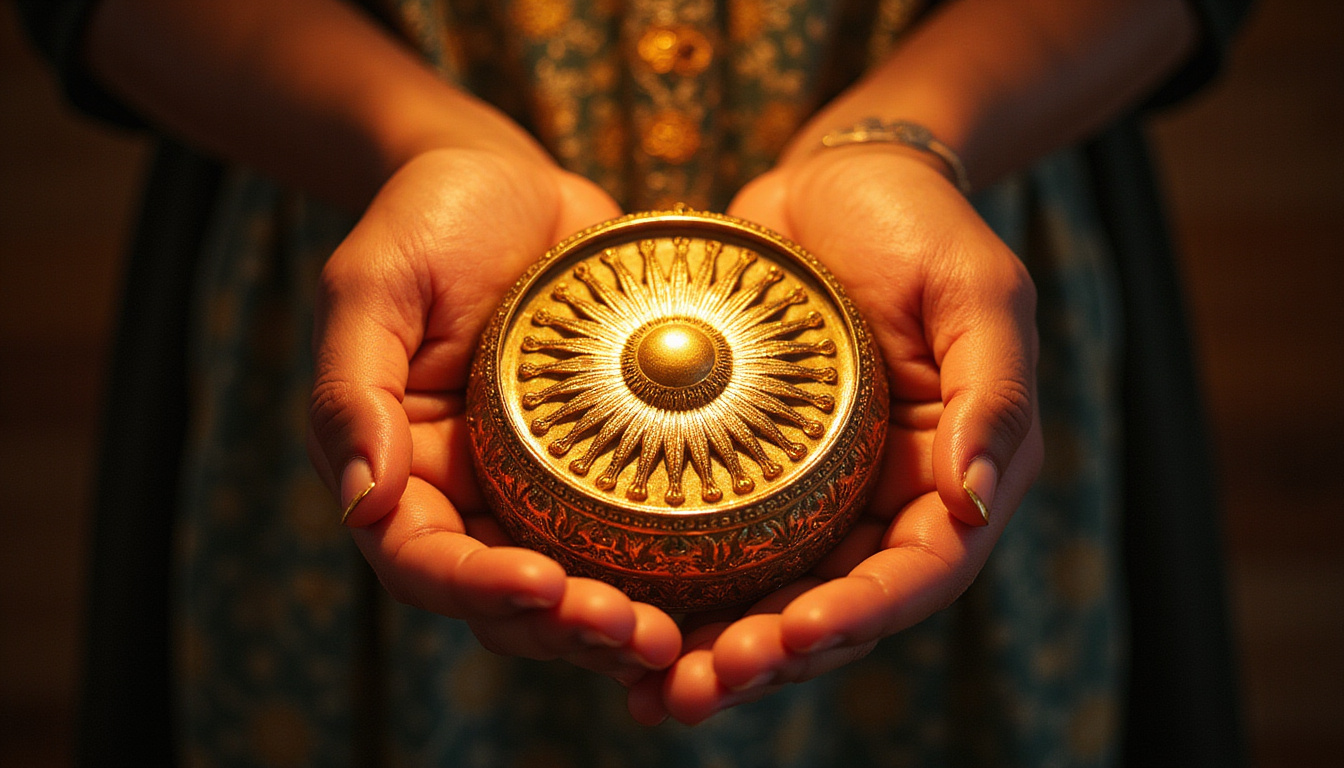
Prayer Before the Monstrance
Many describe unique graces received during time before the Eucharist displayed in a monstrance:
- Deepened sense of peace or clarity in decision-making
- A stronger awareness of God’s personal love
- Renewed commitment to faith and moral life
- Consolation in suffering or anxiety
While such experiences are subjective, the Church has long encouraged Eucharistic adoration as a powerful means of spiritual renewal (source: USCCB on Eucharistic Adoration).
Different Types and Styles of Monstrances
Across cultures and centuries, the monstrance has taken on varied forms, all serving the same purpose.
Common Types
-
Sunburst Monstrance
The most widespread form, with rays emanating from the central Host, often used in parish churches. -
Tower or Gothic Monstrance
Resembling a miniature cathedral or spire, rich in architectural details from the Gothic era. -
Luna and Custodia
The luna is the small, circular container that holds the Host and fits into the monstrance. A custodia is a simpler vessel used to reserve the Host outside exposition. -
Processional Monstrance
Designed to be lighter or with special handles for carrying during long processions.
Cultural Variations
- In some regions, indigenous artistic motifs blend with traditional European forms, integrating local flora, patterns, and symbolism.
- Historical monstrances from Latin America, Eastern Europe, or the Philippines may include regional styles and iconography, expressing the universality of Eucharistic devotion.
How a Monstrance Is Used in Practice
Behind the scenes, there are specific norms and practical considerations governing the use of a monstrance.
Liturgical Norms
- Only a priest or deacon may ordinarily expose and repose the Eucharist in the monstrance.
- Adoration must always be ordered toward reverent worship, with proper vestments, incense (optional but common), and appropriate music or silence.
- The Eucharist in the monstrance is never left unattended; someone should always be present in prayer.
Care and Reverence
- The monstrance is usually stored in a secure, dignified place when not in use.
- It is cleaned and polished carefully, respecting its sacred purpose.
- Any damage or wear is addressed by professional restorers to preserve both beauty and function.
The external care of the monstrance mirrors the interior reverence due to the sacrament it displays.
Why the Monstrance Still Matters Today
In a digital, distracted, and often visually overloaded world, the monstrance offers something countercultural: stillness, focus, and presence.
- Embodied Worship: It reminds Christians that faith is not only interior; it is outward, visible, and embodied in rituals and objects.
- Public Witness: Eucharistic processions and adoration chapels signal that belief in Christ’s presence is more than a private opinion.
- Beauty as Evangelization: A beautiful monstrance can arrest attention, even of those unfamiliar with the faith, and open a door to questions and curiosity.
For many, an encounter before the Eucharist in a monstrance has been a turning point—strengthening faith, sparking vocations, or bringing them back to the Church after years away.
FAQ: Common Questions About the Monstrance
1. What is the purpose of a monstrance in Catholic worship?
The monstrance is used to display the consecrated Host for Eucharistic adoration and processions. Its purpose is to make the Real Presence of Christ in the Eucharist visible so the faithful can pray, worship, and contemplate more directly before Him.
2. How is a monstrance different from a ciborium or tabernacle?
A monstrance is specifically designed for public display of one large Host, usually in a radiant, ornate frame.
A ciborium is a covered vessel used to hold and distribute multiple smaller consecrated hosts during Communion.
A tabernacle is the secure, often fixed structure in the church where the Eucharist is reserved but not visibly displayed.
3. Why is the monstrance often gold and shaped like a sun?
Gold symbolizes purity, glory, and the kingship of Christ, making it highly fitting for a vessel that holds the Eucharist. The sunburst monstrance shape—rays emanating from the Host—represents Christ as the “light of the world,” visually expressing the belief that His presence brings spiritual illumination and life.
The monstrance is more than a beautiful object; it is a visible bridge between earthly worship and heavenly mystery. Whether seen in the quiet of an adoration chapel or lifted high in a Corpus Christi procession, it invites every onlooker into deeper contemplation of God’s nearness.
If you’re curious about the power and meaning of Eucharistic adoration, consider visiting a local church or chapel where the Blessed Sacrament is exposed in a monstrance. Step into the stillness, let your eyes rest on the radiant Host, and allow the silence and beauty to speak. You may find that, in gazing upon the One revealed there, you are quietly and profoundly transformed.
Sacred objects often carry deep cultural and spiritual meaning. Learn how these symbols relate to history, spirituality, and the human mind by exploring more articles at SpiritualMindScience.com.