The money plant is cherished worldwide not just for its easygoing nature and lush, trailing vines, but also for its reputation as a magnet for prosperity and positive energy. Whether you grow a money plant in water on your office desk or let it climb a moss pole at home, a few simple care secrets can turn this humble houseplant into a thriving, vibrant centerpiece.
Below you’ll find everything you need to know to grow healthier leaves, faster growth, and—if you believe in it—a little extra abundance in your life.
What is a money plant?
“Money plant” can refer to several species, depending on where you live. The most common one in homes and offices is:
- Epipremnum aureum – also known as pothos, devil’s ivy, or golden pothos
Other plants sometimes called money plant include jade plant (Crassula ovata), Chinese money plant (Pilea peperomioides), and the Pachira aquatica “money tree.” In many Asian countries and in Vastu/Feng Shui traditions, however, Epipremnum aureum is the classic money plant grown in water or soil.
This article focuses on Epipremnum aureum—the heart-shaped, trailing vine you see in hanging baskets, bottles, and balcony railings.
The symbolism of money plants: Why they’re linked to abundance
Many cultures believe that placing a money plant in your home or office invites luck, wealth, and harmony:
- Feng Shui: Money plants are thought to absorb negative energy and promote financial growth when placed in the right direction (often southeast or near the entrance).
- Vastu Shastra: Considered auspicious, especially when grown in the southeast corner of living spaces.
- Modern belief: A strong, fast-growing, green money plant often becomes a personal symbol of your own growth and prosperity.
Whether or not you follow these traditions, caring for a plant that flourishes under your attention is a daily reminder of growth, patience, and abundance.
Light requirements: The #1 factor for lush growth
If you want dense, rich foliage on your money plant, light is your most important tool.
Ideal light conditions
- Bright, indirect light is best.
- A spot near an east- or north-facing window works beautifully.
- South or west windows are fine if light is filtered through a sheer curtain.
What to avoid
- Harsh direct midday sun: Scorches and yellows leaves.
- Very low light: Plant survives but becomes leggy, with long bare stems and fewer leaves.
Pro tip: Variegated money plant varieties (golden or neon pothos) need a bit more light to keep their colors bright. If variegation fades and leaves turn more solid green, it’s asking for a brighter spot.
Watering secrets: How to avoid yellow leaves and root rot
Overwatering is the most common way people accidentally harm their money plant. It’s surprisingly drought-tolerant, so underwatering is usually easier to fix than soggy roots.
In soil
Use this simple routine:
- Check the top 2–3 cm (1 in) of soil: If it’s dry, it’s time to water.
- Water deeply until it drains from the bottom holes.
- Empty the saucer after 10–15 minutes so roots don’t sit in water.
Frequency will vary with climate and pot size, but typically:
- Warm months: about once a week
- Cooler months: every 10–14 days
In water
Many people love growing a money plant in water-filled bottles or jars. To keep it healthy:
- Use clean, room-temperature water.
- Change the water every 7–10 days.
- Rinse the roots gently when you change the water.
- Keep the water level just covering the roots, not the stem.
If you see algae growing in the container, move it to a slightly shadier spot and clean the bottle thoroughly.
Soil and potting: The foundation of a healthy money plant
In soil, your money plant needs good drainage more than anything else.
Best soil mix
Use a well-draining, airy mix, such as:
- 50% regular potting soil
- 25% coco peat or peat moss
- 25% perlite or coarse sand
This prevents the roots from suffocating and reduces the risk of root rot.
Choosing the right pot
- Ensure there are drainage holes.
- Avoid huge pots; money plant prefers being a bit root-bound.
- Start with a small-to-medium pot and upgrade gradually as roots fill the container.
Terracotta pots are great because they breathe and help excess moisture evaporate.
Fertilizer and feeding: Fuel for fast growth
A money plant isn’t a heavy feeder, but a little nutrition makes a big difference in leaf size and color.
In soil
- Use a balanced liquid fertilizer (like 10-10-10 or similar) once a month during the growing season (spring and summer).
- Dilute to half strength to avoid burning the roots.
- In autumn and winter, cut feeding back to once every 6–8 weeks or pause entirely if growth slows.
Organic alternatives:
- Vermicompost: a small handful on top of the soil every 1–2 months.
- Homemade compost tea: mild, well-diluted solution.
In water
- Use a hydroponic nutrient solution at low concentration once a month.
- Avoid adding regular soil fertilizer directly into water; it can foul the water and damage roots.
Pruning and training: How to get bushy, lush vines
Left alone, a money plant will trail beautifully—but it can also turn sparse. Pruning is the secret to a thick, lush look.
How to prune properly
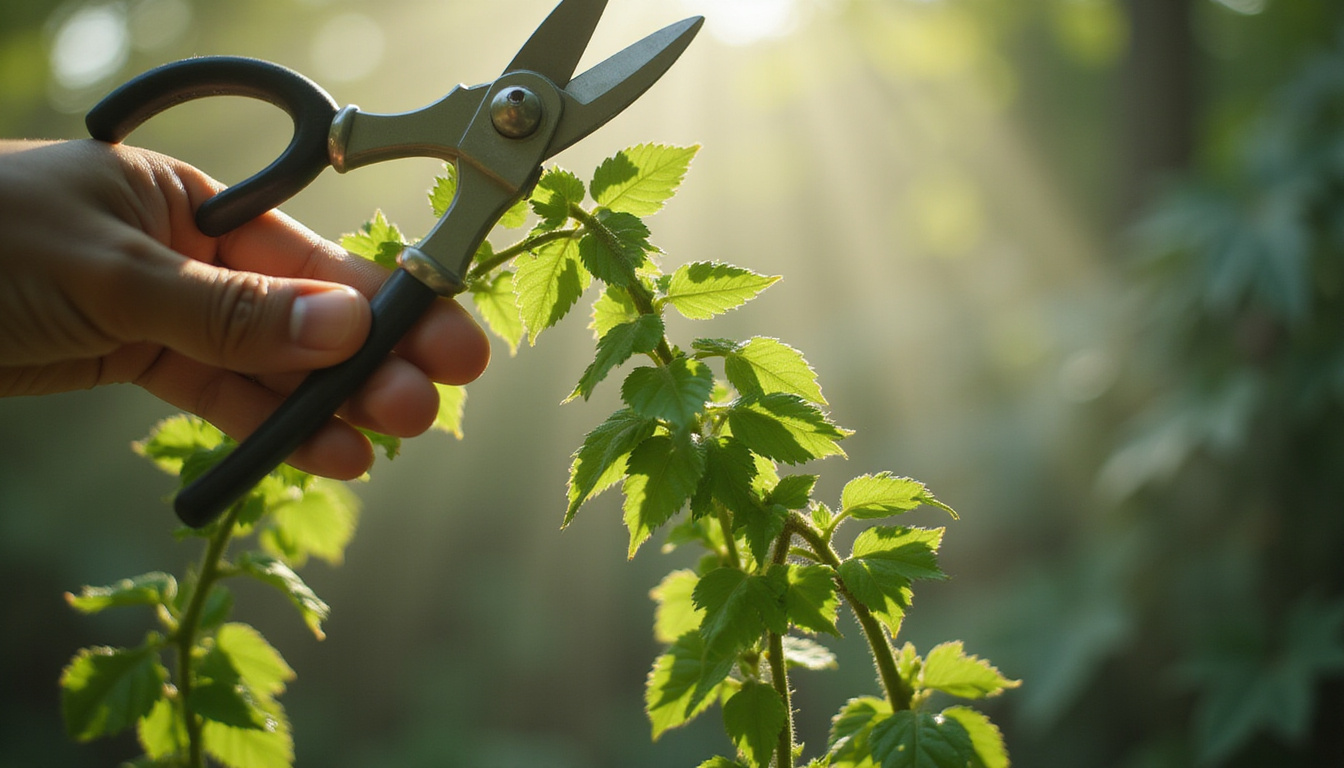
- Use clean, sharp scissors or pruning shears.
- Cut just above a leaf node (the bump where leaves and roots form).
- Trim leggy stems to encourage new side shoots.
Regularly prune:
- Yellow, damaged, or diseased leaves
- Very long, bare stems with few leaves at the tips
Training your money plant
You can grow your money plant in several attractive ways:
- Hanging basket: Let vines cascade down for a waterfall effect.
- Climbing support: Use a moss pole, trellis, or wall hooks to train it upward. In nature, it’s a climber—climbing often results in larger leaves.
- Desk or shelf plant: Let shorter vines drape gracefully over the edges.
For climbers, gently tie stems to the support with soft ties or string until aerial roots attach on their own.
Propagating money plant: Turn one plant into many
Propagation is simple and satisfying, and it’s a great way to share “abundance” with friends and family.
Step-by-step propagation in water
- Select a healthy vine with several leaves.
- Cut below a node—the small bump on the stem where roots can grow.
- Ensure each cutting has 2–3 leaves and at least one node.
- Place the node in water, keeping leaves above the waterline.
- Keep the jar in bright, indirect light.
- Change the water every week.
Roots usually appear within 7–14 days. Once roots are 2–5 cm long, you can:
- Keep the cutting in water permanently, or
- Pot it in soil for a stronger, faster-growing plant.
Propagation in soil
- Dip the cut end in rooting hormone (optional but helpful).
- Plant the node in moist, well-draining soil.
- Keep the soil lightly moist and place in bright, indirect light.
- New growth should appear within a few weeks.
Common problems (and quick fixes)
Even though money plants are hardy, you might occasionally see issues. Most are easy to solve.
Yellow leaves
Possible causes:
- Overwatering / poor drainage
- Sudden temperature changes
- Very old leaves naturally aging
Fix: Let soil dry more between waterings, improve pot drainage, and remove consistently yellow leaves.
Brown tips or patches
Possible causes:
- Low humidity
- Underwatering or inconsistent watering
- Excess fertilizer
Fix: Mist occasionally, maintain even watering, and flush soil with plain water if you suspect fertilizer salt buildup.
Leggy, sparse growth
Likely cause: Insufficient light.
Fix: Move the money plant closer to a bright window (indirect light) and prune back long bare stems to encourage branching.
Pests
Common pests include mealybugs, spider mites, or aphids.
Fix:
- Wipe leaves with a damp cloth and mild soap solution.
- Use neem oil spray or an insecticidal soap following label directions.
- Separate badly affected plants from healthy ones until cleared.
For more on common houseplant pests and management, see guidance from university extension services (for example, the University of Minnesota Extension provides detailed, research-based advice on indoor plant care and pests – source).
Vastu and Feng Shui tips for placing money plant
If you’re interested in the energetic or symbolic side of money plant placement, these general guidelines are often recommended:
- Southeast direction: Traditionally associated with wealth and prosperity.
- Near entrances: Believed to invite positive energy into the home or office.
- Workspaces: A small money plant on your desk can symbolize career and financial growth.
Avoid, according to some Vastu practitioners:
- Keeping a dying or very sick money plant indoors, as it’s thought to represent blocked growth.
- Letting it grow in cluttered or dirty corners.
Regardless of belief, a vibrant, well-placed plant tends to brighten any space and mood.
Indoor vs. outdoor money plant care
Indoors
- Protect from AC vents and heaters.
- Rotate the pot every few weeks for even growth.
- Dust leaves occasionally so they can photosynthesize efficiently.
Outdoors (balconies, patios)
- Choose a shaded or semi-shaded area; avoid strong afternoon sun.
- Protect from heavy rains that can waterlog the soil.
- In cooler climates, bring the plant indoors if temperatures drop below about 10–12°C (50–54°F).
Quick care checklist for a thriving money plant
Use this as a simple reference:
- Light: Bright, indirect
- Water (soil): When top 2–3 cm is dry
- Water (hydro): Change every 7–10 days
- Soil: Well-draining mix with perlite/sand
- Fertilizer: Monthly, diluted, in growing season
- Pruning: Regularly to keep bushy
- Propagation: Stem cuttings in water or soil
- Pests: Watch for mealybugs, mites; treat early
FAQ about money plant care and growth
1. How can I grow my money plant faster?
To speed up growth, give your money plant bright, indirect light, keep the soil consistently but not overly moist, and feed with a diluted balanced fertilizer once a month in the growing season. Using a climbing support like a moss pole and maintaining warm temperatures also encourages faster, stronger growth.
2. Is it better to grow a money plant in water or soil?
Both work, but soil generally supports stronger, long-term growth, larger leaves, and a more robust root system. Growing a money plant in water is low-maintenance and decorative, but growth is usually slower, and you must change the water regularly. Many people start cuttings in water and later move them to soil.
3. Why are the leaves of my money plant turning yellow and falling off?
Yellowing leaves on a money plant are most often due to overwatering or poor drainage, but can also be caused by low light or natural aging of older leaves. Check that the pot has drainage holes, allow the top layer of soil to dry before watering again, move the plant to a brighter spot, and trim off consistently yellow leaves to redirect energy to healthy foliage.
A well-cared-for money plant rewards you with more than just attractive greenery—it becomes a living symbol of growth, resilience, and, for many, abundance. Start by optimizing light and watering, then refine soil, pruning, and feeding. As your plant responds with lush new leaves and vigorous vines, you’ll see how a bit of consistent care can transform both your space and mindset.
If you’re ready to invite more freshness and prosperity into your home, choose a healthy money plant today, give it a bright corner and thoughtful care, and watch it flourish—alongside your own goals and ambitions.
Throughout history, many plants and herbs have been associated with luck, protection, and prosperity. To explore their deeper spiritual, psychological, and scientific significance, visit SpiritualMindScience.com.