For something that hangs quietly over doorways, mistletoe carries a surprising amount of legend, romance, and misunderstanding. From holiday party kisses to magical folklore, mistletoe is wrapped in centuries of myth. But how much of what we “know” about it is actually true?
This guide unpacks the real history, science, and symbolism behind mistletoe—from Norse gods to modern décor—so you can enjoy your holiday traditions with a clearer picture of what’s fact and what’s fiction.
What Exactly Is Mistletoe?
Before debunking myths, it helps to know what mistletoe actually is.
Botanically, mistletoe is not just one plant, but a group of parasitic or semi-parasitic plants that attach to and grow on trees. In North America and Europe, the kind people usually mean at Christmas is European mistletoe (Viscum album) or, more rarely, American mistletoe (Phoradendron species).
Key features:
- Evergreen, even in winter
- Grows as a shrub on host trees (like apple, oak, or poplar)
- Has white, waxy berries and paired green leaves
- Lives by tapping into the host tree’s water and nutrients
Despite its romantic image, mistletoe is a tough survivor, and in nature it behaves more like a clever opportunist than a gentle holiday symbol.
Myth #1: “Mistletoe Is Just a Cute Holiday Decoration”
Many people think of mistletoe as nothing more than festive greenery, like holly or pine garlands. Historically, though, it carried enormous cultural and spiritual weight.
The Deeper Roots of Holiday Mistletoe
Long before it showed up in Christmas stories, mistletoe was considered:
- A sacred plant by ancient Druids, especially when found on oak trees
- A symbol of life and fertility because it stayed green during winter
- A plant of healing and protection in various European folk traditions
Pliny the Elder, a Roman author writing in the 1st century CE, described Druids cutting mistletoe with golden sickles and treating it as a powerful cure and charm (source: Encyclopedia Britannica).
So while modern mistletoe might be plastic or florist-grown, its historical reputation is closer to magical talisman than simple ornament.
Myth #2: “The Kissing Tradition Has Been Around Forever”
It feels like the rule to kiss under the mistletoe is ancient and universal. In reality, it’s more recent and more English than many people realize.
Where Did the Kissing Come From?
There’s no clear evidence that Druids or Vikings kissed under mistletoe. The romantic tradition as we know it emerged much later:
- First written references to kissing under mistletoe show up in 18th-century England.
- It became especially popular in the Victorian era, when elaborate Christmas customs flourished.
- Party games in Victorian England often used mistletoe as an excuse for flirty, socially acceptable contact.
Older mythologies linked mistletoe with peace, truce, and fertility—but not specifically with holiday kissing. The romantic spin is a relatively modern social invention built onto much older symbols.
Myth #3: “Mistletoe Is Harmless Holiday Greenery”
This is one myth that can be dangerous. Real mistletoe is toxic to people and pets if eaten.
How Poisonous Is Mistletoe?
Most accidental exposures cause mild to moderate symptoms, but that doesn’t mean it’s safe:
- Toxic parts: berries, leaves, and stems
- In humans: nausea, vomiting, stomach pain, diarrhea, blurred vision, or in large doses, more serious issues
- In pets (especially cats and dogs): drooling, vomiting, diarrhea, low blood pressure, abnormal heart rate, and in severe cases, collapse
If children or pets are in the home, it’s safest to:
- Use artificial mistletoe for decorations
- Keep any real mistletoe well out of reach
- Make sure berries are firmly attached (or removed)
If ingestion happens, calling a poison control center or veterinarian promptly is always the right move.
Myth #4: “Mistletoe Is Just a Parasite That Harms Trees”
Mistletoe is indeed a parasite (more precisely, a hemiparasite), but the story is more nuanced than “bad for trees.”
How Mistletoe Affects Its Host
Mistletoe uses specialized structures called haustoria to penetrate the bark and draw water and minerals from its host tree. Over time, this can:
- Weaken the tree, especially if there are many mistletoe clumps
- Make branches more prone to breaking
- Reduce fruit yield in orchard trees
However, it doesn’t usually kill a healthy, mature tree on its own. Instead, heavy infestations can shorten a tree’s life or make it more vulnerable to other stresses like drought, pests, or disease.
Ecological Benefits of Mistletoe
Surprisingly, ecologists now recognize mistletoe as an important “keystone resource” in some ecosystems:
- Birds and small mammals eat the berries
- Birds use dense clumps as nesting sites and shelter
- Some butterflies and insects rely on mistletoe as host plants
So while mistletoe is parasitic, it also supports biodiversity. Completely eradicating it can harm wildlife that depend on it.
Myth #5: “All Mistletoe Looks the Same”
When people say “mistletoe,” they may imagine one specific type, but there are many species, and they vary widely.
Common Types of Mistletoe
-
European Mistletoe (Viscum album)
- The classic Christmas mistletoe in Europe
- Smooth, oval leaves and white berries
-
American Mistletoe (Phoradendron leucarpum and others)
- Found in the eastern and southern United States
- Looks similar to Viscum album, but not identical
-
Dwarf Mistletoe (Arceuthobium species)
- Much smaller, often infesting conifers
- Rarely used as decoration; mostly notable in forestry
Different regions may use different species as “holiday mistletoe,” and some decorations are entirely artificial. That pretty bunch over your doorway may look like the European plant but actually be a plastic approximation or a different species entirely.
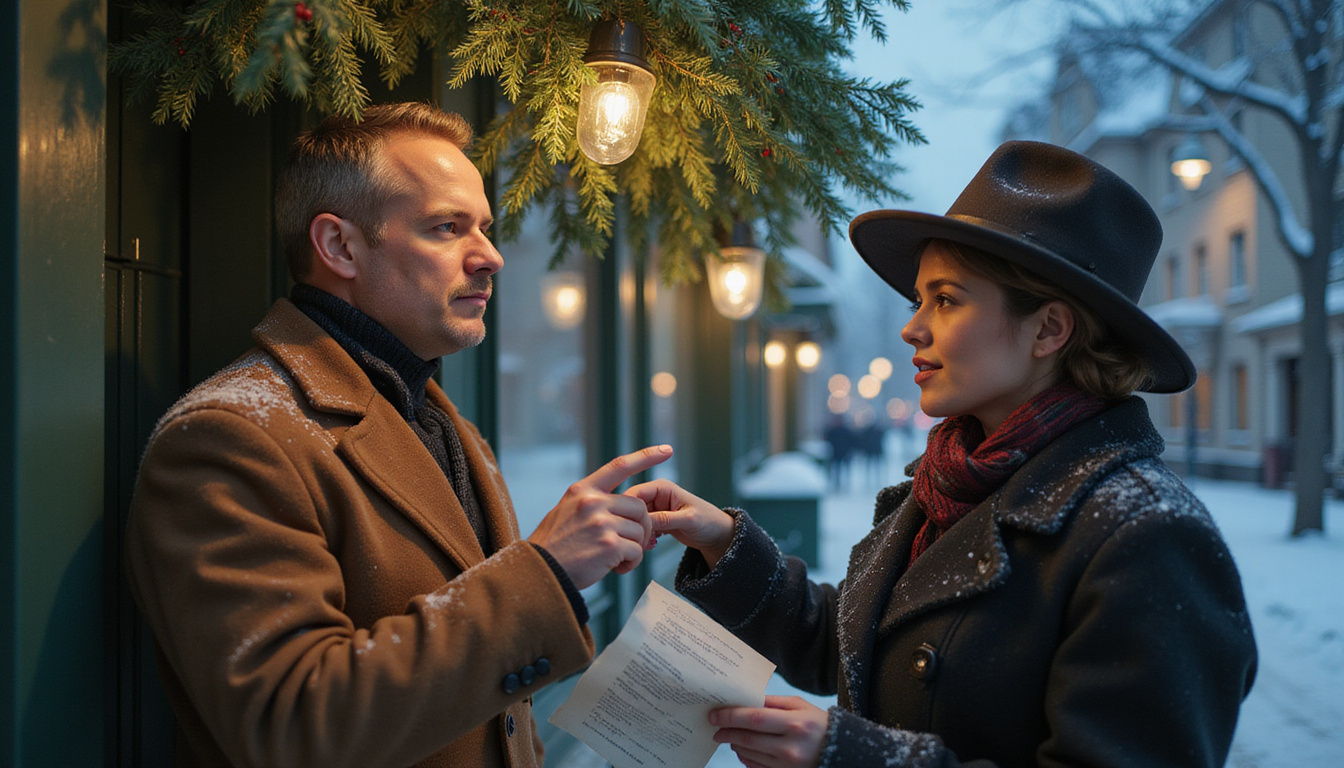
Myth #6: “Kissing Under Mistletoe Brings Instant True Love”
Many holiday rom-coms treat mistletoe like a magic spell: stand under it, kiss, and love is guaranteed. Traditionally, the symbolism is more about luck, goodwill, and fertility than guaranteed romance.
The Symbolism Behind the Kiss
Historically, mistletoe has stood for:
- Fertility and vitality: evergreen in winter, associated with growth and new life
- Peace and truce: enemies meeting under mistletoe were said to lay down arms temporarily in some European traditions
- Good fortune: a kiss under the mistletoe was thought to bring luck in love, not necessarily lock in a soulmate
Victorian party rules were sometimes strict: for each kiss, one berry would be plucked from the bunch. When all the berries were gone, the kissing privileges ended. This turned mistletoe into more of a playful social ritual than a binding love charm.
Myth #7: “Mistletoe Is Only a Christian or Christmas Tradition”
While mistletoe is now strongly linked with Christmas, its roots are broader and older than Christian celebration alone.
Mistletoe in Pre-Christian Traditions
- Druidic practices: Revered as a sacred, healing, and protective plant, especially when growing on oak.
- Norse mythology: The god Baldr is killed by a weapon made from mistletoe. After he is resurrected (in some versions), mistletoe becomes a symbol of love and peace rather than death.
- Roman Saturnalia: Some historians suggest evergreens and symbolic plants, possibly including mistletoe, featured in winter festivals before they were integrated into Christmas customs.
Christian Europe later absorbed and reinterpreted many winter symbols, including mistletoe, giving them new associations while the older meanings never fully disappeared.
Myth #8: “Using Mistletoe Medicinally Is Safe Because It’s ‘Natural’”
In recent decades, mistletoe extracts have been promoted in complementary and alternative medicine, especially in parts of Europe. However, “natural” does not mean harmless or universally beneficial.
Mistletoe in Herbal and Medical Contexts
- Some European mistletoe extracts are used as an adjunct treatment in cancer care in certain countries.
- These are standardized preparations, prescribed and monitored by clinicians, not DIY mixtures.
- Self-medicating with homemade mistletoe teas, tinctures, or extracts is risky due to toxicity and dosing uncertainty.
Major medical organizations generally recommend caution and emphasize that mistletoe should not replace evidence-based treatments. Anyone curious about mistletoe-based therapies should only explore them with qualified medical supervision.
How to Enjoy Mistletoe Traditions Safely and Meaningfully
You don’t have to abandon mistletoe to be safe and respectful of its history. You just need to be intentional about how you use it.
Smart Ways to Incorporate Mistletoe into the Holidays
- Choose artificial or berry-free bunches if children or pets are around.
- Hang it high and secure, away from curious hands and mouths.
- Explain the story: Share the plant’s history and myths with guests or kids to turn a simple decoration into a conversation starter.
- Respect boundaries: Treat the “kiss under the mistletoe” as an invitation, not an obligation—consent still applies.
- Support local ecosystems by not harvesting mistletoe irresponsibly from wild trees, especially on protected land.
By combining safety, consent, and cultural awareness, you can keep the charm of mistletoe without perpetuating risky habits or half-truths.
Quick Facts: Mistletoe at a Glance
- It’s a parasitic (or hemiparasitic) plant that lives on trees.
- Many species exist; not all are used for decorations.
- It’s been a symbol of fertility, peace, and magical protection.
- The kissing tradition is relatively modern and mainly English in origin.
- Real mistletoe is toxic and should be kept away from kids and pets.
FAQ: Common Questions About Mistletoe Traditions
Q1: Why do we kiss under mistletoe at Christmas?
The kissing custom likely developed in 18th- and 19th-century England as a playful party game. Older European beliefs tied mistletoe to fertility, peace, and good fortune, and Victorians reimagined those themes into a romantic, festive tradition.
Q2: Is Christmas mistletoe real mistletoe or something else?
Sometimes it’s real mistletoe (usually European or American species), but many holiday decorations use plastic or silk copies. Florists may also substitute similar-looking greenery. If toxicity is a concern, artificial mistletoe is the safest option.
Q3: Can mistletoe be good for trees or gardens in any way?
While mistletoe is a parasite and can stress trees, it also provides food and shelter for wildlife, playing a positive role in some ecosystems. In a garden setting, a light infestation on a mature tree may not be a serious problem, but heavy growth on weakened trees can be harmful and might require professional management.
Mistletoe may look like a simple sprig of greenery, but behind it lies a remarkable blend of botany, mythology, and social custom. Understanding the truths behind the myths lets you keep the magic while shedding the misinformation—celebrating a plant that has fascinated humans for centuries.
As you prepare for your next holiday season, consider making mistletoe more than just a decoration. Share its stories, choose safe and ethical ways to display it, and turn that small green bundle into a meaningful symbol of peace, history, and intentional celebration. If you’d like to deepen your seasonal traditions, now is the perfect time to research, rethink, and refresh the way you use mistletoe in your home and gatherings.
Explore the Science Behind Spirituality
This guide explored the meaning and history of good luck symbols. To discover the psychology, consciousness, and scientific perspectives behind spiritual beliefs, visit SpiritualMindScience.com.