Mesoamerican animal symbolism weaves together mythology, religion, astronomy, and everyday life into a rich tapestry of meaning. From jaguars stalking temple stairways to feathered serpents spiraling across pyramids, animals in Mesoamerica were never just animals—they were messengers, protectors, deities, and reflections of human destiny. Understanding these ancient totems opens a window into how civilizations like the Maya, Aztec, Olmec, and Zapotec understood the cosmos and humanity’s place within it.
Why animals mattered so much in Mesoamerican cultures
In Mesoamerica, people didn’t separate the natural, spiritual, and human worlds the way modern Western thought often does. Animals were:
- Embodiments of gods and cosmic forces
- Keepers of directional and calendrical power
- Totemic guides linked to birth dates and lineages
- Symbols of social roles, virtues, and taboos
Animals were believed to move between realms—earth, sky, and underworld—and therefore could serve as mediators between humans and the divine. Their traits (speed, vision, strength, venom, song) were translated into spiritual qualities, which is the essence of Mesoamerican animal symbolism.
Archaeology, codices, and indigenous oral histories show that animal imagery appears everywhere: carved in stone, painted on ceramics, encoded in calendars, and inscribed in names of rulers and deities (source: Metropolitan Museum of Art).
Animal totems, nahual, and the “other self”
A core concept behind Mesoamerican animal symbolism is the idea of a personal spirit companion, often an animal.
The nahual and animal alter-ego
Among many Mesoamerican groups (notably in Nahua and some Maya traditions), the nahual (also spelled nagual) is:
- A supernatural counterpart or “other self”
- Often taking animal form
- Linked to a person’s birth date and destiny
- Capable of influencing health, fortune, and spiritual power
If your nahual was strong and well-treated, you were believed to be healthier and more successful. If it was harmed, you might fall ill. Shamans and ritual specialists were thought to transform into their animal nahuals in dreams or trance states, blurring the line between human and beast.
Totem animals and social identity
Certain lineages, warrior societies, or priestly families identified with specific animals as totems:
- Ruling dynasties might emphasize jaguar or eagle imagery to project power.
- Warrior orders (like the Aztec Eagle and Jaguar warriors) took on names, regalia, and tactics inspired by their animal emblems.
- Local communities associated themselves with animals of their region—macaws in tropical lowlands, deer in highlands, or waterbirds near lakes.
This totemic framework turned animal symbolism into a living language shaping social roles and self-understanding.
The jaguar: night sun, power, and the underworld
If there is one creature that dominates Mesoamerican animal symbolism, it is the jaguar.
Jaguar as cosmic force
Across the Olmec, Maya, and Aztec worlds, the jaguar often represented:
- Night and the underworld – a predator active in darkness
- Raw power and royal authority – associated with kings and nobles
- The sun in its nocturnal journey – the sun “transformed” into a jaguar to travel the underworld
Olmec art features a striking “were-jaguar” motif—figures with both human and jaguar traits, symbolizing shamanic transformation and the blending of human and divine.
Jaguar as royal and shamanic emblem
Among the Classic Maya:
- Thrones were carved as jaguars.
- Kings took jaguar-related names.
- Priests and shamans wore jaguar pelts in rituals to harness its strength, stealth, and liminal power between worlds.
As a personal totem, the jaguar evokes courage, leadership, and the ability to move through darkness—literal or metaphorical.
The eagle: sky, sun, and warrior spirit
Where the jaguar rules the night, the eagle rules the sky.
Sun, victory, and divine perspective
The eagle embodies:
- Solar energy – soaring high, close to the sun
- Victory and conquest – a hunter striking from above
- Vision and clarity – its sharp eyes symbolizing insight and foresight
In Aztec tradition, the founding of Tenochtitlan is marked by the iconic symbol of an eagle perched on a cactus, devouring a serpent—an image that still resonates on the modern Mexican flag.
Eagle warriors and heroic ideals
Aztec Eagle warriors were elite fighters:
- Distinguished by feathered helmets and eagle costumes
- Associated with the east and the rising sun
- Celebrated for bravery, sacrifice, and martial excellence
To carry eagle symbolism as a totem was to aspire to status, courage, and a higher perspective, often at a cost of intense discipline and service.
The serpent and the feathered serpent: wisdom, life force, and transformation
Few animals in Mesoamerican animal symbolism are as layered as the serpent, especially in its feathered form.
The serpent: earth, water, and regeneration
Common serpent associations include:
- Fertility and water – snakes emerging after rains, linked to springs and rivers
- Earth and rebirth – shedding skin as a symbol of renewal
- Hidden knowledge – dwelling in crevices and underworld spaces
Serpents adorned temples and altars, often intertwined with maize, rain, or water imagery.
Quetzalcoatl and Kukulkan: feathered serpent gods
The feathered serpent is one of the most important deities in Mesoamerican religion:
- Quetzalcoatl (Nahua/Aztec) and Kukulkan (Maya) merge:
- The serpent (earth, water, and underworld)
- Feathers of the quetzal bird (sky, air, and the divine)
- Symbolizes a bridge between worlds, uniting heaven and earth
- Associated with:
- Learning, writing, and knowledge
- Priesthood and legitimate rulership
- Wind and breath—the life force moving through the cosmos
As a totem, the feathered serpent points to transformation, wisdom, and the responsibility that comes with spiritual or intellectual power.
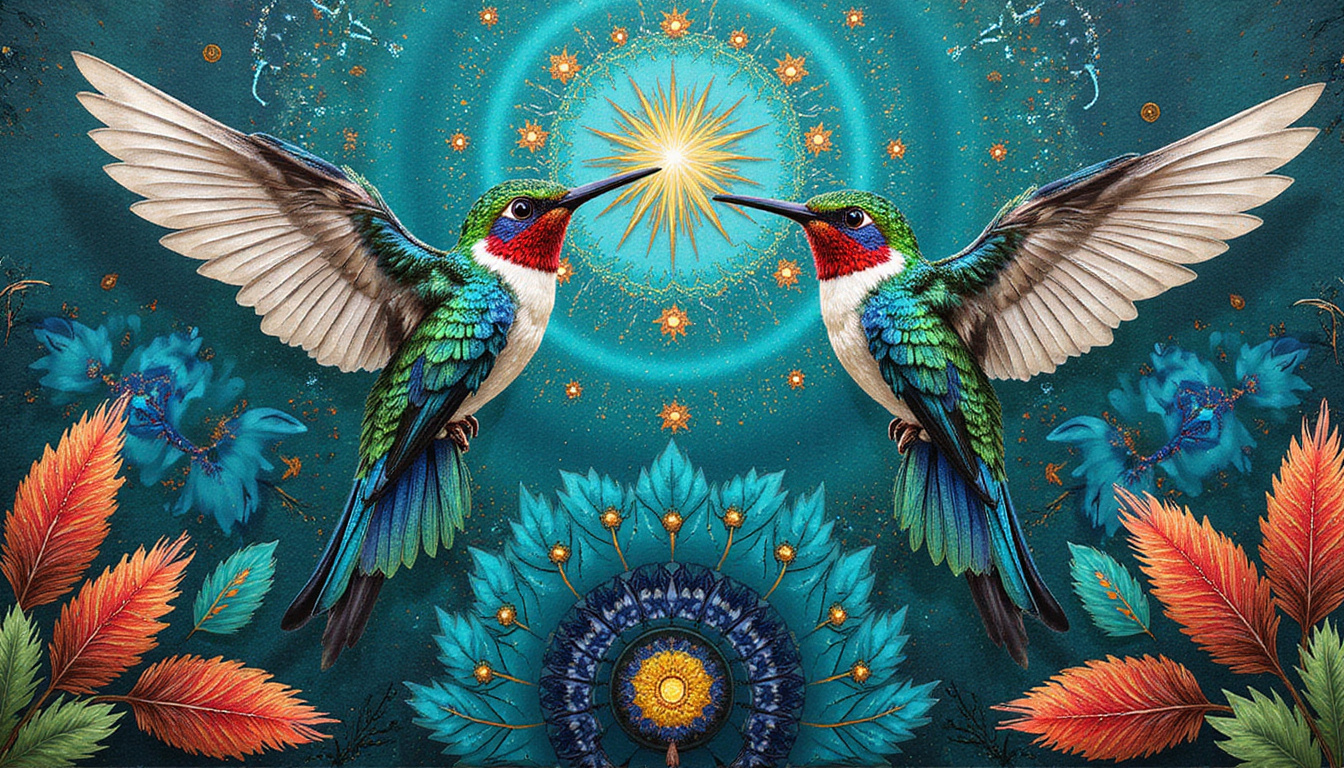
Birds, butterflies, and bats: messengers between realms
Beyond eagles, many flying creatures held symbolic roles because they could move between earth and sky.
Birds: soul, speech, and celestial messages
Different birds encoded specific meanings:
- Quetzal – beauty, nobility, and preciousness; its green feathers were reserved for elites.
- Macaw – fire, sun, and brilliance; linked to solar deities in Maya iconography.
- Owls – omens and underworld messengers; sometimes feared as bringers of death.
Birdsong could be understood as divine communication, and feathers were potent ritual materials symbolizing prayers and offerings ascending to the heavens.
Butterflies: soul, transformation, and sacrifice
In Nahua traditions, butterflies were linked to:
- The souls of fallen warriors and women who died in childbirth, returning in delicate form
- Transformation and ephemerality, representing both beauty and the briefness of life
- The flickering of flame and the volatility of passion and desire
Butterflies as totems can be read as symbols of change, the cyclical nature of life, and the enduring presence of the departed.
Bats: night, caves, and liminal power
Among the Maya, bats were tied to:
- Caves and the underworld
- Nighttime rituals and sacrifices
- Dual meanings of fear and protection, depending on context
Bat symbolism explores the edges of fear, mystery, and spiritual testing.
Earthbound totems: deer, dog, monkey, and others
Not all powerful symbols were fearsome predators or dazzling birds. Many everyday animals carried deep significance.
Deer: grace, abundance, and sacred hunting
Deer appear in:
- Myths of gods disguised as animals
- Ritual hunts used to maintain cosmic balance
- Calendar signs reflecting agility and natural harmony
The deer totem can represent sensitivity, alertness, and a balanced relationship with one’s environment.
Dog: guide to the afterlife
The Xoloitzcuintli (Mexican hairless dog) was particularly important among the Aztec and related groups:
- Buried with the dead to guide souls through the underworld river
- Symbolized loyalty, protection, and companionship beyond death
As a totem, the dog embodies devotion, guardianship, and the journey between worlds.
Monkey: creativity, play, and artistry
In Maya and other Mesoamerican mythologies, monkeys are:
- Linked to scribes, artists, and musicians
- Embodiments of spontaneity, humor, and creative risk
- Occasionally warning figures about the consequences of mockery or excess
The monkey totem points toward expressive talent, curiosity, and the fine line between joy and foolishness.
Animal signs in Mesoamerican calendars
Mesoamerican animal symbolism is deeply embedded in ritual calendars, especially the 260-day sacred count (Tzolk’in for the Maya, Tonalpohualli for the Aztec).
Day signs and destinies
Each day combined a number and a day sign, many of which were animals:
- Jaguar, eagle, dog, monkey, lizard, vulture, and others
- Each with associated traits, destinies, and ritual prescriptions
Your birth date in the sacred calendar could determine:
- Your innate strengths and weaknesses
- The nature of your nahual or spiritual companion
- Your likely social role—healer, warrior, scribe, merchant, etc.
This calendrical system turned animal symbols into a sophisticated framework for understanding personality, vocation, and fate.
How to approach Mesoamerican animal symbolism today
When engaging with Mesoamerican animal symbolism and totems in a modern context, a thoughtful, respectful approach is crucial.
Learn before you adopt
- Study specific cultures—Maya, Mexica (Aztec), Zapotec, Mixtec, etc.—rather than treating “Mesoamerican” as a single, generic tradition.
- Recognize that many of these symbols are still sacred to living Indigenous communities.
- When possible, seek out contemporary Indigenous voices, scholars, or cultural centers for guidance.
Use symbols with respect
If you’re drawn to a particular animal symbol:
- Acknowledge its original context in prayer, meditation, or personal notes.
- Avoid using sacred imagery superficially (e.g., purely as fashion, without any understanding).
- Consider supporting Indigenous-led organizations or projects as a gesture of reciprocity.
Reflect on inner qualities, not just aesthetics
Instead of just wearing a jaguar pendant or eagle tattoo, ask:
- What aspects of this animal’s symbolism genuinely resonate with my life?
- How can I embody its virtues (courage, insight, renewal) in my daily actions?
- What responsibilities come with aligning myself to this symbol?
This turns ancient totems into meaningful, ethical guides rather than decorative motifs.
FAQ on Mesoamerican animal symbolism and totems
Q1: What is Mesoamerican animal symbolism in simple terms?
Mesoamerican animal symbolism is the system of spiritual and cultural meanings attached to animals by ancient civilizations like the Maya and Aztec. Animals were linked to gods, directions, elements, and personal destinies, often appearing as totems, calendar signs, and spirit companions.
Q2: Did everyone have an animal totem or nahual in Mesoamerican cultures?
In many traditions, yes. A person’s birth date in the sacred calendar could determine their nahual animal or spiritual counterpart. This animal was believed to influence their personality, strengths, and life path, and harming the animal could affect the person’s well-being.
Q3: How can I work with Mesoamerican animal totems respectfully today?
Approach Mesoamerican animal totems with humility and research. Learn about the specific culture the symbol comes from, listen to Indigenous perspectives, and avoid trivializing sacred imagery. Use the symbolism as a tool for self-reflection and ethical living, and consider supporting Indigenous communities whose traditions you’re drawing from.
Bring ancient wisdom into your modern path
Mesoamerican animal symbolism offers a profound way to see yourself and the world as interconnected—where every creature is a potential teacher, every trait a spiritual lesson. Whether you feel drawn to the jaguar’s fearless night vision, the eagle’s solar clarity, the serpent’s transformative wisdom, or the dog’s faithful guidance, these ancient totems invite you to live with deeper intention.
If you’d like to explore which Mesoamerican animal symbols align most closely with your own life story, values, or “inner weather,” consider taking the next step: map out your traits, challenges, and aspirations, then study the animals that resonate with those themes. As you do, let these powerful totems guide you toward a more balanced, courageous, and conscious way of being—grounded in respect for the cultures that first gave them voice.
Animals have inspired symbols and beliefs across cultures for centuries. Discover how these traditions connect with psychology, spirituality, and human consciousness at SpiritualMindScience.com.