Marjoram is one of those underappreciated herbs that quietly transforms a dish from “good” to “incredible.” Often overshadowed by its close cousin oregano, marjoram brings a softer, sweeter, and more complex flavor that can revolutionize everything from soups and sauces to desserts and cocktails. If you’ve ever felt your cooking was missing a subtle, aromatic “something,” marjoram may be exactly what you need.
In this guide, you’ll learn what marjoram tastes like, how to use it in everyday dishes, the difference between fresh and dried forms, and even some traditional wellness uses—all with practical tips you can apply in your kitchen today.
What Is Marjoram, Exactly?
Marjoram (Origanum majorana) is a Mediterranean herb in the mint family, closely related to oregano. It’s sometimes called “sweet marjoram” to distinguish it from wild or “French” marjoram.
Flavor profile:
- Warm and slightly sweet
- Floral and woodsy
- Gentle citrus and pine notes
- Much milder and more refined than oregano
Because marjoram is delicate, it excels in dishes where you want depth and aroma without overpowering heat or bitterness.
Marjoram vs. Oregano: Why They’re Not the Same
Many recipes suggest you can swap oregano and marjoram one-for-one, but they’re not identical.
Key differences:
- Intensity: Oregano is stronger, more pungent, and often a bit bitter; marjoram is softer and sweeter.
- Best uses: Oregano suits bold flavors—pizza, grilled meats, robust tomato sauces. Marjoram shines in lighter dishes—vegetables, poultry, fish, and cream-based sauces.
- Cooking timing: Oregano can handle long cooking; marjoram prefers being added late so its aroma isn’t lost.
When adapting recipes, a good rule of thumb:
- Replacing oregano with marjoram: Use a bit more marjoram.
- Replacing marjoram with oregano: Use less oregano and add gradually.
Fresh vs. Dried Marjoram: Which Should You Use?
Both fresh and dried marjoram are useful, and each has strengths.
Fresh marjoram
- Best for: Finishing dishes, salads, light sautés, compound butters, marinades, and garnishing.
- Flavor: Brighter and more floral.
- How to use: Strip leaves from the stem and lightly chop or leave whole.
Dried marjoram
- Best for: Long-simmered dishes—soups, stews, braises, meat rubs, roasted vegetables.
- Flavor: Slightly more concentrated but also more muted; still gentle.
- Conversion guide:
- 1 tablespoon fresh marjoram ≈ 1 teaspoon dried marjoram
To get the most from dried marjoram, crush it between your fingers before adding; this releases its essential oils.
Core marjoram Uses in Everyday Cooking
Marjoram works in more dishes than most people realize. Here’s how to incorporate it into the meals you already cook.
1. Soups, Stews, and Broths
Marjoram adds layered, comforting depth, especially to:
- Chicken or turkey soup
- Vegetable or bean stews
- Lentil soups
- Creamy potato or mushroom soups
How to use it:
Add dried marjoram midway through cooking, then finish with a sprinkle of fresh marjoram just before serving for a double hit of flavor.
2. Meats and Poultry
Marjoram pairs beautifully with:
- Chicken and turkey
- Pork chops and tenderloin
- Mild sausages
- Lamb, especially in Mediterranean-style dishes
Use it in:
- Dry rubs (mixed with salt, pepper, garlic powder, paprika)
- Marinades (with olive oil, lemon, and garlic)
- Pan sauces (deglaze with wine or stock, then add cream and marjoram)
Marjoram tempers the richness of fatty cuts and adds complexity to lean cuts that might taste bland otherwise.
3. Fish and Seafood
Because it’s gentle, marjoram enhances delicate fish without overwhelming it.
Try marjoram with:
- Baked white fish (cod, haddock, halibut)
- Shrimp scampi
- Salmon with lemon and olive oil
Season fish with salt, pepper, marjoram, and a touch of lemon zest before cooking. Or stir marjoram into melted butter and drizzle over cooked fish.
4. Vegetables and Plant-Based Dishes
This is where marjoram truly shines. It brings out the natural sweetness in vegetables.
Great pairings include:
- Potatoes (roasted, mashed, or gratin)
- Carrots, parsnips, and other root vegetables
- Zucchini and summer squash
- Tomatoes and eggplant
- Beans and lentils
- Mushrooms
Use marjoram in:
- Roasted veggie trays (with olive oil, salt, pepper, garlic, and marjoram)
- Plant-based stews and casseroles
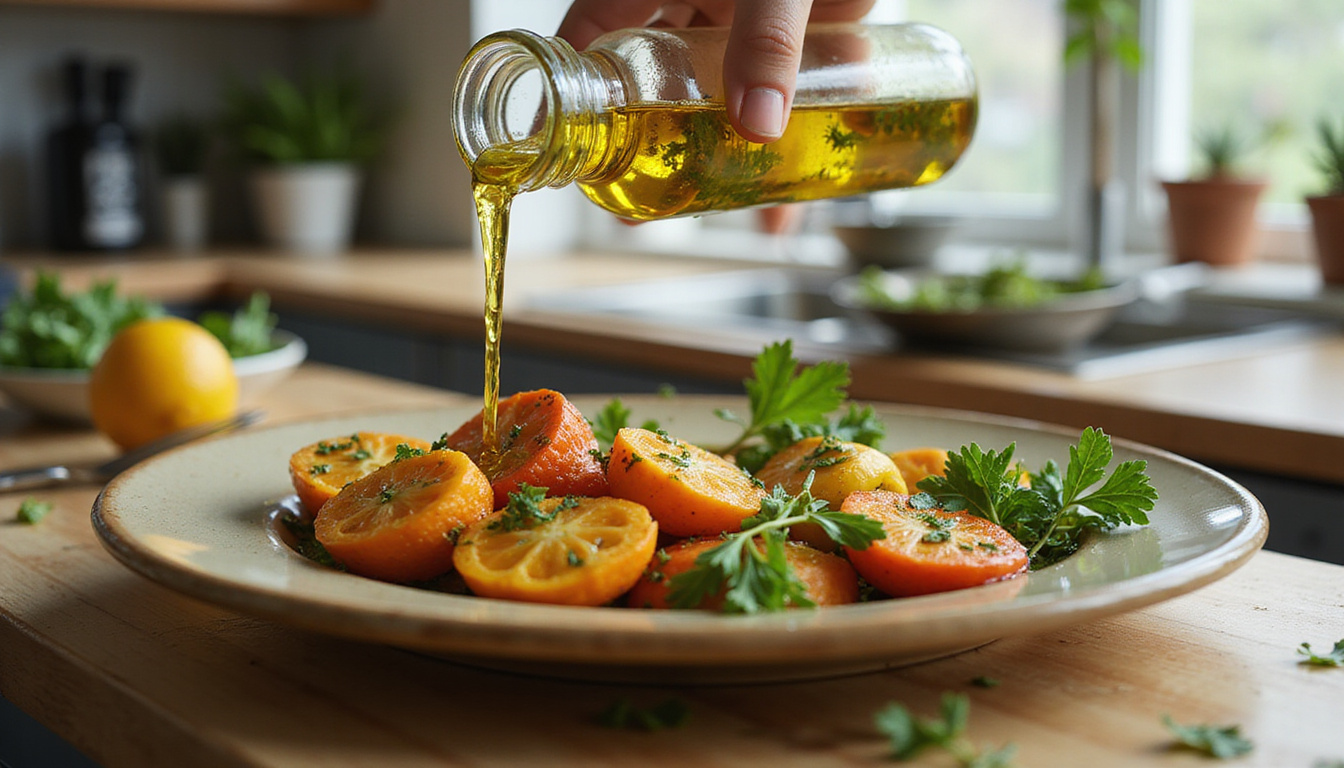
- Herb-infused olive oil drizzled over grilled vegetables
5. Sauces, Dressings, and Marinades
Marjoram adds sophistication to both creamy and vinaigrette-style sauces.
-
Stir fresh marjoram into:
- Alfredo or cream sauces
- Yogurt or sour cream dips
- Homemade ranch-style dressings
-
Add dried marjoram to:
- Tomato sauces and ragùs
- Barbecue rubs and sauces
- Oil-and-vinegar dressings
Because it’s subtle, marjoram layers well with other herbs like thyme, basil, and parsley without competing for attention.
Simple Ways to Start Using Marjoram Today
You don’t need complex recipes to get big impact from marjoram. Here are easy, practical ideas:
-
Herbed scrambled eggs
Whisk eggs with a pinch of salt, pepper, and dried marjoram. Top with fresh marjoram after cooking for a café-style upgrade. -
Garlic-marjoram roasted potatoes
Toss chopped potatoes with olive oil, minced garlic, dried marjoram, salt, and pepper. Roast until crisp. Finish with chopped fresh marjoram. -
Marjoram compound butter
Mash softened butter with fresh marjoram, lemon zest, and a pinch of salt. Chill and slice over steaks, grilled chicken, or vegetables. -
Quick marjoram vinaigrette
Whisk olive oil, vinegar or lemon juice, Dijon mustard, garlic, dried marjoram, salt, and pepper. Toss over greens or roasted veggies. -
Herbed bread or focaccia
Sprinkle dried marjoram into dough or on top with olive oil and coarse salt before baking.
Culinary Pairings: What Tastes Good with Marjoram?
To use marjoram confidently, it helps to know its best companions.
Marjoram pairs especially well with:
- Other herbs: Thyme, basil, parsley, sage, rosemary, bay leaf
- Aromatics: Garlic, onion, shallot, leek
- Fats: Olive oil, butter, cream, cheese (especially goat and feta)
- Acids: Lemon, white wine, white wine vinegar, apple cider vinegar
- Proteins: Chicken, turkey, pork, veal, mild sausages, white fish, beans, lentils
- Vegetables: Tomato, mushroom, potato, zucchini, carrot, cabbage, spinach
Think of marjoram as the “glue” that ties these flavors together—subtle but essential.
Traditional and Wellness-Related marjoram Uses
While this article focuses on cooking, marjoram also has a long history in traditional herbalism. Historically, it’s been used for:
- Digestive support (teas and infusions)
- Mild relaxation and sleep support
- Soothing cold-weather discomforts (herbal steams and teas)
Some of these traditional uses are supported by early research into the antioxidant and antimicrobial compounds in marjoram, though more high-quality human studies are needed (source: National Institutes of Health).
If you’re interested in marjoram tea:
- Steep 1–2 teaspoons dried marjoram in hot water for 5–10 minutes.
- Optional: add honey and lemon.
Always talk to a healthcare professional before using large amounts of any herb medicinally, especially if you’re pregnant, breastfeeding, or on medication.
How to Buy, Store, and Preserve Marjoram
Maximizing flavor starts with good-quality marjoram and proper storage.
Buying fresh marjoram
- Look for bright green leaves with no yellowing or wilting.
- Avoid bunches that look damp or slimy at the stems.
- Smell it—good marjoram should be aromatic and pleasant.
Storing fresh marjoram
- Trim the ends of the stems.
- Stand in a jar with a little water, like a bouquet, and loosely cover with a plastic bag in the fridge.
- Or wrap in a slightly damp paper towel and store in a sealed container.
- Use within 4–6 days for best flavor.
Buying dried marjoram
- Choose brands in airtight containers, ideally from spice companies with good turnover.
- Look for a vibrant green color; dull brown can mean it’s stale.
Storing dried marjoram
- Keep in a cool, dark place, away from heat and light (not over the stove).
- Use within 1 year for best flavor, though it won’t “go bad” quickly—just weaker.
Growing Your Own Marjoram
If you cook often, growing marjoram is rewarding and surprisingly easy.
Basic growing tips:
- Needs full sun and well-draining soil.
- Works well in pots, window boxes, or garden beds.
- Water regularly but don’t let it sit in soggy soil.
- Harvest by snipping stems above a leaf node; this encourages bushier growth.
Homegrown marjoram is often more fragrant than store-bought, and having it on hand encourages you to experiment more freely.
FAQ: marjoram Uses and Cooking Tips
1. What is marjoram used for in cooking?
Marjoram is used to add sweet, aromatic depth to soups, stews, meats, vegetables, sauces, and dressings. It’s especially popular in Mediterranean and European cuisines. Because it’s milder than oregano, you can use marjoram to season delicate foods like fish, eggs, and cream-based dishes without overpowering them.
2. Can I use marjoram instead of oregano?
Yes, you can often substitute marjoram for oregano, especially when you want a gentler, less pungent flavor. Use slightly more marjoram than oregano called for, and taste as you go. In bold dishes like spicy pizza sauce, oregano may still be preferable, but for lighter recipes, marjoram can be an excellent swap.
3. How do you use dried marjoram in recipes?
Use dried marjoram early or midway in cooking so it has time to rehydrate and release flavor. Crush it between your fingers before adding to wake up the essential oils. A common ratio is 1 teaspoon dried marjoram for every tablespoon of fresh the recipe calls for. It’s ideal in stews, braises, roasted vegetables, and dry rubs.
Let Marjoram Transform Your Cooking
Marjoram may not be the loudest herb in your spice rack, but it’s one of the most versatile and transformative. From lifting the flavor of simple roasted potatoes to adding restaurant-level nuance to sauces, soups, and plant-based dishes, this gentle herb can quickly become a quiet cornerstone of your cooking.
Next time you’re at the store, pick up both fresh and dried marjoram and test it in one or two of your regular meals—eggs, roasted vegetables, or chicken. Pay attention to how it rounds out the flavors and adds that subtle, aromatic finish you’ve been missing. With just a few experiments, you’ll see why embracing marjoram uses in your kitchen can meaningfully elevate your everyday cooking.
Throughout history, many plants and herbs have been associated with luck, protection, and prosperity. To explore their deeper spiritual, psychological, and scientific significance, visit SpiritualMindScience.com.