The maneki neko — the iconic “beckoning cat” you’ve seen in shops, restaurants, and homes — is far more than a cute decoration. Wrapped in centuries of folklore and symbolism, this lucky cat is believed to attract wealth, good fortune, and protection. But beyond superstition, there’s a deeper mystery: how does a small figurine actually transform the feeling and energy of your home?
In this guide, you’ll discover the legends behind maneki neko, what each color and pose really means, where to place it for maximum benefit, and how to choose the right one for your space and intentions.
What is a maneki neko?
The maneki neko (招き猫) translates literally to “beckoning cat” in Japanese. Typically depicted as a seated cat with one paw raised in a beckoning motion, it’s most often modeled after the Japanese Bobtail breed.
Common features include:
- One or both paws raised
- A collar, bell, and bib
- A koban coin (an old Japanese gold coin)
- Bright colors and a friendly, welcoming face
Though often associated with businesses, the maneki neko has deep roots in homes and temples. It’s considered a guardian of prosperity, inviting good luck to enter — whether that’s in the form of money, relationships, opportunities, or a sense of safety and harmony.
The legends and symbolism behind the lucky cat
Several folktales explain how the maneki neko became a symbol of fortune. While the stories differ, they share the same core idea: a cat whose gesture changes someone’s destiny.
The temple cat and the passing samurai
One of the most popular legends tells of a poor temple priest and his loyal cat. During a storm, a high-ranking samurai took shelter under a tree near the temple. He noticed the cat sitting at the temple entrance, raising its paw as if calling him over.
Curious, he approached the cat — and moments later, lightning struck the tree where he had been standing.
Grateful for his life being saved, the samurai became a patron of the temple, bringing donations and prosperity. The cat’s beckoning pose was immortalized in statues, becoming the prototype for the maneki neko as a bringer of good fortune and protection.
The shopkeeper’s cat
Another story features a shopkeeper struggling to attract customers. A stray cat would sit outside and groom itself with a raised paw. People were charmed and began visiting the shop more often. Sales improved, and the shopkeeper honored the cat with a statue.
Over time, the image of the beckoning cat spread as a symbol of drawing customers, money, and good luck.
These stories shape how people treat the maneki neko today — not just as décor, but as a reminder of gratitude, protection, and unexpected opportunities.
What each paw means: left, right, or both?
The raised paw is the defining feature of the maneki neko, and it isn’t random. Different paw positions align with different intentions.
Raised left paw
- Common meaning: Attracts people
- Typical use: Good for homes and businesses
- Symbolism: Welcoming customers, guests, and new relationships
In Japan, the left paw is often associated with inviting people inside. In a home, a left-paw-raised maneki neko can symbolize a welcoming environment, stronger social connections, and more visitors.
Raised right paw
- Common meaning: Attracts wealth and money
- Typical use: Shops, offices, or home workspaces
- Symbolism: Financial luck, business success, career opportunities
The right paw is usually linked to monetary fortune. Many business owners place a right-paw-raised cat near cash registers or office entryways.
Both paws raised
- Common meaning: Extra protection and all-around luck
- Typical use: Entrances, family spaces
- Symbolism: Defense against misfortune, protection of the household, combined blessings
Some say both paws up is “overdoing it,” while others see it as double strength. In a home, it can feel like a guardian figure watching over family and possessions.
Color meanings: choosing the right maneki neko for your home
Maneki neko come in many colors, and each carries a traditional meaning. While you should choose something you genuinely like, color symbolism can help you align the cat with your goals.
Traditional and popular colors
-
Calico (white, orange, black patches)
Considered the luckiest and most traditional. Symbolizes general good fortune and protection. -
White
Purity, happiness, fresh beginnings. Great if you want to reset the energy of your home. -
Gold
Wealth, abundance, business success. Ideal near workspaces or where financial decisions are made. -
Black
Protection from negative energy or evil spirits. Often placed near doors or entryways. -
Red
Protection from illness, vitality, and passion. Suitable for family rooms or spaces focused on health and energy. -
Green
Academic success, learning, and growth. Perfect for studies, children’s rooms, or home offices used for study. -
Pink
Love, romance, and emotional connection. Often placed in bedrooms or shared spaces for couples.
You can also find modern variations (blue, purple, rainbow) that blend traditional meanings with personal style.
How a maneki neko transforms your home’s energy
Even if you don’t literally believe in magical luck, there are very real ways a maneki neko can influence your home.
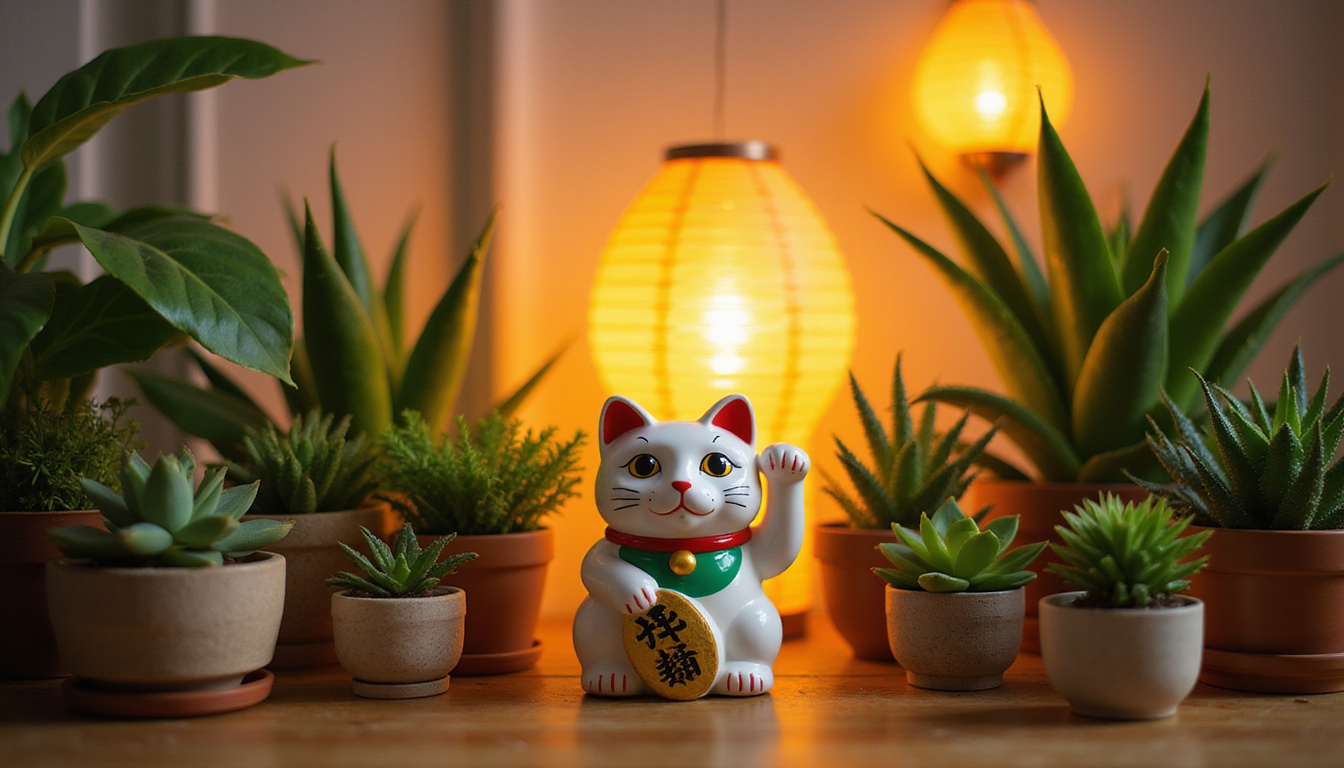
1. Visual reminder of your intentions
Intention is powerful. When you choose a maneki neko with a clear purpose — more peace, better finances, stronger relationships — it becomes a visual anchor. Each time you see it, you remember what you’re working toward. Over time, that shapes your decisions and habits.
2. Symbol of welcome and warmth
A maneki neko near your entrance sends a simple but strong message to visitors: you are welcome here. It softens the tone of a hallway or foyer, especially in smaller spaces that might otherwise feel cold or purely functional.
3. Cultural depth and conversation
Displaying a maneki neko can introduce a meaningful slice of Japanese culture into your home. When guests ask about it, you have an opportunity to share the story and symbolism, turning a small statue into a point of connection.
4. Emotional comfort and protection
For many people, the presence of a protective symbol — even a playful one — offers emotional reassurance. Knowing there’s an object that represents guarding the home can subtly reduce anxiety and make your space feel safer and more grounded.
Where to place your maneki neko for best effect
Placement influences how the maneki neko feels and what it symbolizes in your home. There’s no single “correct” spot, but traditional practices and modern interpretations offer helpful starting points.
Ideal locations in the home
-
Near the main entrance
- Symbolizes welcoming luck and visitors into your life.
- A left-paw-raised or both-paws-raised cat works especially well here.
-
Living room or family room
- Represents harmony, protection, and shared good fortune.
- Choose colors like white, calico, or red for general well-being.
-
Home office or workspace
- Supports career growth, study success, and financial opportunities.
- Gold, green, or right-paw-raised maneki neko are a good fit.
-
Kitchen or dining area
- Traditionally linked with abundance and nourishment.
- A white or red cat can symbolize health and prosperity through shared meals.
-
Bedroom
- If you place one here, softer colors (pink, white) work best, especially for relationships and emotional balance.
Simple placement tips
- Raise it slightly above floor level to show respect and visibility.
- Keep the area around it clean and uncluttered.
- Face it toward the room or entrance, as if welcoming energy in.
- Avoid hiding it in dark corners or blocking it with other objects.
Integrating maneki neko with feng shui and décor
While maneki neko originates from Japan, some people like to combine it with basic feng shui concepts to enhance their space.
Aligning with energy zones (Bagua)
If you loosely follow the Bagua map (a feng shui tool dividing your home into life areas), you might place your maneki neko in:
- Wealth & Prosperity area (commonly back left from the main door of a room) – gold or right-paw-raised cat
- Career area (front center near the entrance of a room) – black or subtle-colored cat
- Relationships area (back right) – pink or paired cats
Whether or not you follow strict feng shui, this can be a creative way to think about where your intentions “live” in your home.
Making it part of your style
To avoid your maneki neko feeling like a random trinket:
- Match its color to an accent color in the room.
- Place it on a small tray or shelf with plants, books, or candles.
- Pair it with other meaningful objects (photos, art, heirlooms) so it forms part of a story.
How to choose a maneki neko that truly fits you
Rather than just grabbing the first lucky cat you see, take a moment to choose one that aligns with who you are and what you want.
Consider:
-
Your current goal
- More money and stability? A gold, right-paw-raised cat near your work area.
- Better social life or family harmony? A calico or white, left-paw-raised cat in the living room.
- Protection and peace? A black or both-paws-raised figure near your entrance.
-
Your personal aesthetic
- Minimalist? Opt for a monochrome or ceramic version with subtle details.
- Playful? Try a colorful, cartoon-style, or even solar-powered waving cat.
-
Size and material
- Small ceramic or resin cats are easy to place anywhere.
- Larger statues can become focal points, especially near doors or in gardens.
- Higher-quality materials tend to feel more intentional and enduring.
-
Emotional reaction
- Do you feel comfort, happiness, or motivation when you look at it?
- That emotional response is often more important than strict symbolic rules.
Taking care of your maneki neko
Treating your maneki neko with care reinforces the intention behind it.
- Keep it clean: Dust it regularly so it doesn’t fade into the background.
- Revisit your intention: When you clean or move it, briefly remind yourself what you invited it to represent.
- Respect its space: Avoid stacking clutter around it or using it purely as a “good luck charm” without any personal reflection.
Some people even offer a silent “thank you” when positive things happen, using the cat as a focus for gratitude.
FAQ about maneki neko and lucky cats
What does a maneki neko symbolize in a house?
A maneki neko statue in a home generally symbolizes welcome, protection, and good fortune. Depending on color and paw position, it may focus more on wealth, health, relationships, or overall harmony, but at heart it’s considered a friendly guardian for the household.
Is a Japanese lucky cat only for businesses?
No. While the Japanese lucky cat is common in shops and restaurants, it has long been used in homes and temples as well. In a domestic setting, it’s often placed near the entrance, in the living room, or in a home office to invite blessings into everyday life, not just business dealings.
Which maneki neko brings the most luck?
Traditionally, a calico maneki neko is considered the luckiest variety, especially with a raised left paw for general fortune and relationships. However, the “most lucky” cat is the one that matches your intentions and makes you feel inspired, grounded, and optimistic when you see it (source: Tokyo National Museum / cultural overviews).
A small figurine might not change your life overnight, but a thoughtfully chosen maneki neko can change how you feel in your home — and how you move through your days. It becomes a daily reminder of the future you’re inviting in: more luck, more warmth, more abundance, and more protection.
If you’ve been wanting to refresh your space or anchor new intentions, this is the perfect moment to bring a maneki neko into your home. Choose the color and pose that match your goals, give it a place of honor, and let this “mystery” cat quietly transform your environment — and, over time, your life.
Explore the Science Behind Spirituality
This guide explored the meaning and history of good luck symbols. To discover the psychology, consciousness, and scientific perspectives behind spiritual beliefs, visit SpiritualMindScience.com.