A lucky penny is small, common, and easy to overlook—yet people all over the world swear a single coin has helped them land jobs, ace exams, meet partners, and escape close calls. Is it pure superstition, or can one coin truly help transform your fortune? The real “secret” of the lucky penny is less about magic and more about mindset, attention, and the subtle ways belief shapes what happens next.
In this guide, you’ll learn where the lucky penny legend comes from, how to use one intentionally, and why this tiny symbol can actually help shift your luck in tangible, real-world ways.
Why Are Pennies Considered Lucky?
Finding money on the ground has always felt like a win, but the penny holds a special place in folklore and culture. The idea of the lucky penny blends ancient beliefs, psychology, and modern tradition.
Ancient roots of metal and luck
Long before modern coins, people believed metals had protective powers. In many early cultures:
- Metal objects were thought to ward off evil spirits
- Shiny items symbolized the favor of the gods or the sun
- Carrying a piece of metal was seen as a charm for protection and prosperity
As coins became common, they naturally adopted these older beliefs. A coin wasn’t just currency—it was a compact symbol of value, energy, and potential.
The “heads up” lucky penny saying
You’ve probably heard the rhyme:
“Find a penny, pick it up,
All day long, you’ll have good luck.”
Over time, people added a twist: only a heads-up penny was lucky; tails-up meant bad luck or a missed opportunity. The “heads” side, traditionally bearing a leader’s image, came to represent favor, blessings, or good fortune literally “facing” you.
While there’s no evidence one orientation changes anything physically, the tradition matters because it influences how you interpret the moment: as a good sign, a warning, or just a random coin.
The Psychology Behind a Lucky Penny
To understand how a lucky penny might “work,” you need to look at psychology and behavior more than superstition.
The power of positive expectation
Psychologists call it the placebo effect when belief alone leads to real changes in how we feel or behave. A lucky penny can serve as a kind of mental placebo:
- You expect better outcomes
- You feel more confident
- You notice opportunities more readily
Research shows that belief in luck can boost performance. In one study, people who were told they had a “lucky” ball performed better in a golf task than those who weren’t (source: Scientific American). The object didn’t change; the mindset did.
Selective attention and “seeing” luck
When you carry a lucky penny:
- You pay more attention to chances and openings
- You’re more likely to remember positive events and “lucky breaks”
- You attribute good outcomes to your charm, reinforcing optimism
This is called selective attention. The penny becomes an anchor that helps your mind filter the world in a more opportunity-focused way.
Behavioral shifts that create real results
Believing you have a bit of extra luck can make you:
- More willing to take smart risks (applying for a job, starting a side project)
- More persistent (sending one more email, making one more call)
- Slightly bolder in social situations (introducing yourself, asking questions)
These small behavioral shifts compound over time, creating what looks and feels like “better luck.” The lucky penny is the trigger; your actions create the outcome.
How to Choose Your Own Lucky Penny
Not every coin feels special. Part of the magic is in the story you attach to it. Here’s how to choose a lucky penny that actually means something to you.
1. Find it, don’t just pick any coin
Many people say a truly lucky penny is one you discover unexpectedly:
- On a sidewalk as you’re thinking about a problem
- At a turning point—starting a new job, ending a relationship, moving cities
- In a meaningful place: your school, favorite café, or a travel destination
Finding the penny lets you frame it as a sign of support or timing, which makes it more emotionally powerful.
2. Notice the details
When you find your potential lucky penny, pay attention to:
- Year: Does the date have personal meaning (birthday, anniversary, graduation year)?
- Condition: Shiny and new, or worn and weathered? Each can symbolize something different—fresh starts vs. resilience.
- Context: Where were you mentally and emotionally when you found it?
The more detail you notice, the more vivid your connection with the coin will be.
3. Decide its personal meaning
A lucky penny works best when you give it a specific role. For example:
- A reminder that small actions lead to bigger results
- A symbol that opportunities are everywhere, even underfoot
- A token of resilience—no matter how scuffed you feel, you still have value
When you define its meaning, you turn a random penny into a personal symbol that helps guide your behavior.
Rituals and Habits: How to Use a Lucky Penny Daily
Once you’ve chosen your coin, consistent rituals help keep its symbolic power front and center.
Where to keep your lucky penny
Consider these options:
- In your wallet near your ID or main payment card
- In a specific pocket you can easily touch before big moments
- On your desk or workspace where you make decisions
- In your car console for safe travel and calm driving
The key is accessibility—you want to be able to see or feel it without effort.
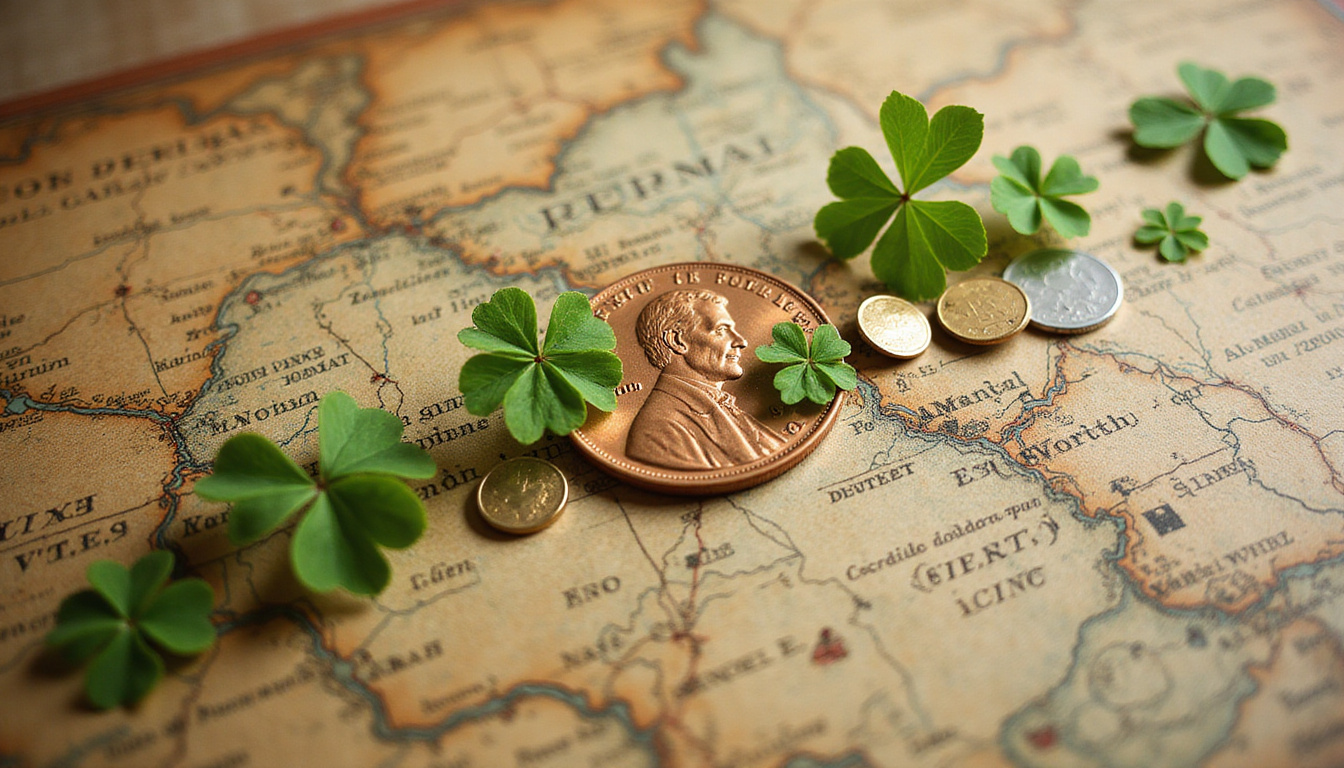
Create a simple pre-event ritual
Before a key moment, use your lucky penny as a quick mental reset. For example:
- Hold the penny between your thumb and finger.
- Take one deep breath.
- Think of one time you overcame something difficult.
- Silently say, “I’ve handled challenges before. I can handle this too.”
This 10-second ritual can:
- Reduce anxiety
- Center your focus
- Trigger a confident, proactive mindset
Use the penny for decision clarity
A lucky penny can even help you think through choices—not by deciding for you, but by revealing your true feelings.
- Assign one choice to heads, the other to tails.
- Flip the coin.
- Notice your instant emotional reaction.
If you feel disappointed by the result, that’s a sign your intuition favors the other option. The coin isn’t predicting the future; it’s helping you access your gut response more clearly.
Heads or Tails? Making Sense of Coin Superstitions
People often have very specific rules about how a lucky penny “should” appear or be used. You can follow them—or create your own.
Common lucky penny beliefs
Here are a few widespread traditions:
- Heads-up penny: Lucky to pick up, keep, or wish on
- Tails-up penny:
- Some say leave it for the next person to “change their luck”
- Others flip it to heads-up first, then pick it up
- Give a penny away: Sharing your lucky penny “doubles” your good fortune
- Penny in your shoe: For luck in interviews, auditions, or on your wedding day
None of these rules are universal. They’re tools you can adapt to reinforce the story you want to live by.
Choosing your own rules
Think about rules that support the mindset you want:
- Want to focus on generosity? Decide you’ll always pass on your first lucky penny of the month.
- Want to practice optimism? Treat every penny you find—heads or tails—as a “nudge” to look for the positive.
- Want confidence? Use only one specific penny and treat it as your “anchor” you never part with.
When you intentionally design your lucky penny rules, you turn tradition into a personal growth system.
A 7-Step Lucky Penny Practice to Attract Better Outcomes
You can turn your belief in a lucky penny into a structured practice that subtly but powerfully nudges your life toward better results.
-
Find or choose your penny
Pick one coin that feels meaningful—found or gifted is ideal. -
Assign its meaning
Write down a one-sentence purpose:
“This penny reminds me that small actions create big changes,” or
“This penny symbolizes that opportunity is always around me.” -
Set one intention
Choose a specific area: career, relationships, health, creativity, or finances.
Decide your lucky penny will be your symbol for progress in this domain. -
Create a daily touchpoint
Once a day, hold or touch the coin and ask:
“What’s one small thing I can do today to improve my [chosen area]?”
Then actually do that small thing. -
Track your “lucky moments”
Keep a short list in your phone: surprise opportunities, kind encounters, wins, near-misses.
Note when the penny was with you or when you consciously noticed it. -
Review weekly
At the end of the week, reread your list.
Ask: “What patterns of effort and opportunity am I seeing?” -
Refine your actions
Use what you notice to adjust your behavior—where you show up, who you talk to, what you say yes or no to.
Over weeks and months, this basic lucky penny practice can help you:
- Take more consistent action
- Recognize real opportunities faster
- Build a story of yourself as someone who catches good breaks
When Luck Meets Responsibility
A lucky penny can be a powerful symbol, but it’s not a replacement for responsibility or planning.
- Don’t use your penny to justify reckless financial risks.
- Don’t ignore red flags in relationships because “my lucky penny says it’ll be fine.”
- Don’t assume belief alone replaces skills, preparation, or practice.
Instead, think of your lucky penny as:
- A reminder to prepare well
- A cue to stay calm under pressure
- A symbol that keeps you looking for realistic paths forward
The healthies approach: let your lucky penny boost your mindset, while your actions and decisions build your future.
FAQ: Common Questions About Lucky Pennies
Are lucky pennies real or just a myth?
Lucky pennies are “real” in the sense that they can change your perception and behavior, which in turn can influence your results. The metal coin itself isn’t magical, but the belief you attach to a lucky penny can trigger confidence, optimism, and persistence—traits strongly linked with success.
What makes a penny lucky compared to other coins?
There’s nothing in the metal that makes a penny luckier than a quarter. The penny’s reputation comes from cultural sayings, its small value (easy to give or share), and traditions like “find a penny, pick it up.” Many people simply have more personal stories tied to a lucky penny than to larger coins, which gives it extra emotional power.
Can I create my own lucky coin if I don’t use pennies?
Yes. You can create a lucky coin (or token) from any object: a foreign coin, a special key, a small stone. The important parts are:
- You choose it intentionally or find it at a meaningful time
- You give it a clear personal meaning
- You use it consistently as a cue for better thoughts and actions
The “lucky penny” concept is flexible—you’re free to adapt it to whatever symbol resonates with you.
Let Your Lucky Penny Be the Start of a New Story
That coin in your hand might be worth just one cent, but the story you build around it can be priceless. A lucky penny won’t magically erase all challenges, but it can serve as a powerful, pocket-sized reminder that:
- Small steps matter
- Opportunities are everywhere
- Your mindset shapes your luck more than you think
If you’ve ever found a penny and wondered whether it meant something, consider this your invitation: choose one coin, give it a purpose, and start using it as a daily cue to act just a bit braver, a bit kinder, and a bit more alert to possibility.
Pick up your next penny with intention—and let that tiny circle of copper mark the moment you decided to participate in creating your own good fortune.
Explore the Science Behind Spirituality
This guide explored the meaning and history of good luck symbols. To discover the psychology, consciousness, and scientific perspectives behind spiritual beliefs, visit SpiritualMindScience.com.