If you’ve ever wondered how people use lucky herbs in money spells, prosperity bowls, or simple rituals to invite abundance, you’re not alone. For centuries, cultures around the world have turned to specific plants as symbols of luck, wealth, and good fortune. While herbs themselves can’t magically deposit money into your bank account, they can help you focus your intentions, shift your mindset, and create meaningful rituals that support real-world action.
This guide walks you through the most popular prosperity herbs, how to use them safely, and easy rituals to attract wealth—no complicated tools or experience required.
Why People Use Lucky Herbs for Wealth and Prosperity
Across folk magic, spiritual traditions, and even some religious customs, lucky herbs are believed to:
- Amplify intentions around money and success
- Clear stagnant or “blocked” energy
- Create a physical anchor for your goals
- Encourage optimism and action
Many of these plants also have long histories in healing and household use, which helped build their reputation as protective and beneficial. For example, basil and bay leaves have both culinary and ritual uses; cinnamon has been prized as a valuable spice, so it naturally became associated with wealth.
Think of herbs as symbolic tools: they won’t replace budgeting, skill-building, or strategic decisions, but they can reinforce your mindset and help you stay focused on prosperity.
The Most Powerful Lucky Herbs for Money and Success
1. Basil – The Classic Money Magnet
Basil is one of the most widely used lucky herbs for abundance.
Traditional associations:
- Prosperity and business success
- Protection of the home
- Harmonious relationships (which support financial growth)
How to use basil:
- Keep a basil plant near your front door to invite wealth into your home.
- Add fresh basil to food while consciously focusing on gratitude and abundance.
- Place dried basil in a green sachet in your wallet, desk, or cash register.
2. Bay Leaves – Wish-Carriers for Cash and Career
Bay leaves are iconic in manifestation rituals.
Traditional associations:
- Wishes, goals, and petitions
- Victory and achievement
- Clearing obstacles
How to use bay leaves for money:
- Write a specific financial goal on a dried bay leaf (e.g., “$500 extra income this month”).
- Hold the leaf, visualize your goal clearly, and feel the emotions of already achieving it.
- Carefully burn it in a fire-safe dish, or keep it in your wallet until the goal is reached.
Burning bay leaf also produces a pleasant aroma, and some people use it to symbolically release their intentions into the universe.
3. Cinnamon – Speed, Attraction, and Hot Prosperity
Cinnamon is fiery, warm, and strongly associated with quick results.
Traditional associations:
- Fast cash and sudden opportunities
- Luck in business
- Spiritual protection and vitality
Ways to work with cinnamon:
- Sprinkle a tiny pinch of powdered cinnamon in your wallet (avoid coins, as it can be messy).
- Add a cinnamon stick to a money jar or prosperity bowl.
- Use the popular “first of the month” ritual: blow cinnamon powder from your hand into your front door while affirming that abundance flows into your home.
4. Mint – Fresh Starts and Steady Income
Mint offers a “refresh” energy that’s excellent for both money and mindset.
Traditional associations:
- Financial luck
- Clearing worries and mental fog
- Drawing paying clients and customers
Mint ideas:
- Keep a mint plant near your workspace to encourage fresh ideas and financial flow.
- Add mint leaves to tea while focusing on clarity and smart money choices.
- Make a small sachet with dried mint and a coin, then keep it in your bag or laptop case.
5. Patchouli – Earthy, Grounded Wealth
Patchouli is often used in prosperity oils and perfumes.
Traditional associations:
- Material comfort and luxury
- Grounding and stability
- Attraction and sensuality (which can translate into confidence)
Simple patchouli ritual:
- Add a drop of patchouli essential oil (diluted in a carrier oil) to a candle or to your hands before working on financial tasks, visualizing a stable, growing income.
Always dilute essential oils properly and avoid direct skin contact if you’re sensitive.
6. Cloves – Protection and Prosperity
Cloves are valued both for protection and plentiful resources.
Traditional associations:
- Protecting current income
- Attracting better opportunities
- Enhancing communication (useful in negotiations)
How to use cloves:
- Place 3–7 whole cloves in a small dish on your desk while you work.
- Sew cloves into a sachet with basil and mint for an all-around money charm.
- Add to simmer pots to cleanse and energize your home’s atmosphere.
7. Ginger – Courage, Action, and Financial Momentum
Ginger is bold and energizing—perfect if you feel stuck.
Traditional associations:
- Courage to take financial risks wisely
- Stimulating new income streams
- Removing stagnation
You can cook with ginger, drink ginger tea before tackling financial planning, or add a small piece of dried ginger to a money jar to symbolize movement and progress.
Simple Daily Rituals with Lucky Herbs (Beginner-Friendly)
You don’t need elaborate altars or advanced training to work with lucky herbs. The key is consistency, intention, and respect for the plants.
1. The Prosperity Bowl Ritual
A prosperity bowl acts as a physical focal point for your wealth goals.
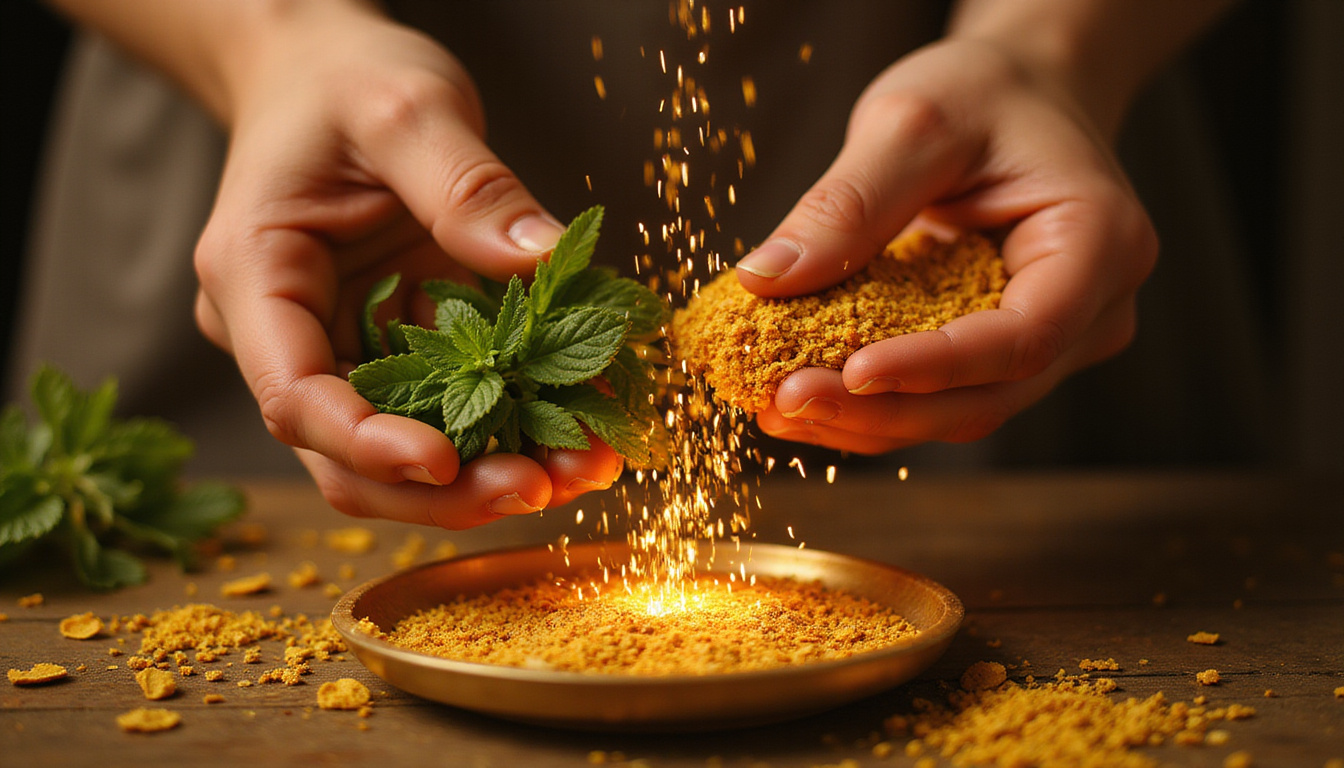
You’ll need:
- A small bowl (green, gold, or white is ideal, but not required)
- A mix of herbs like basil, bay leaf, cinnamon, mint, and cloves
- Coins or a small bill
- A written intention (short and clear)
Steps:
- Clean your bowl (physically and, if you like, with incense or smoke).
- Place your written financial intention at the bottom.
- Add the coins or bill.
- Sprinkle or arrange your herbs on top.
- Hold the bowl, visualize abundance flowing into your life, and say an affirmation (e.g., “Money flows to me in aligned and ethical ways.”)
- Keep the bowl where you’ll see it daily; refresh the herbs monthly.
2. Herb-Infused Money Jar
Money jars are simple, powerful containers for your intentions.
Ingredients:
- A clean jar with a lid
- Lucky herbs of your choice
- Coins, a small bill, or a written amount
- Optional: a bit of salt for protection
Instructions:
- Place your written money goal in the jar.
- Add the coins/bill.
- Add your herbs slowly, focusing on what each one represents (e.g., “Basil for abundance, cinnamon for speed, mint for clarity,” etc.)
- Seal the jar and gently shake it while repeating your intention.
- Store in a safe place. Shake weekly while visualizing your financial progress.
3. Doorway Herb Ritual for Inviting Wealth In
Your front door is symbolically where energy (and opportunities) enter your home.
Option A – Sprinkle and Sweep:
- Lightly sprinkle dried basil, cinnamon, and bay leaf pieces just outside your front door.
- As you sweep them away, affirm that you remove blockages and invite fortune into your home.
Option B – Discreet Protection & Prosperity Charm:
- Fill a small sachet with bay leaf, cloves, and mint.
- Hang it on or near the doorknob, setting the intention that only beneficial opportunities enter.
How to Combine Lucky Herbs with Practical Money Habits
Working with lucky herbs can be more powerful when tied to real-world action.
Try pairing rituals with:
- Budgeting or money check-in sessions
- Job applications, business pitches, or sales outreach
- Debt repayment plans
- Skill-building and education
For example, before you sit down to review your finances, light a candle and hold a bay leaf with your current month’s goal written on it. After your money session, either keep the leaf in your wallet or burn it to “seal” your intention.
Research even suggests that rituals can enhance performance and reduce anxiety by giving structure and a sense of control (source: Harvard Business School Working Knowledge).
Safety and Ethical Tips for Using Lucky Herbs
Even in spiritual practice, it’s important to be responsible:
- Check for allergies: Don’t handle or burn herbs you’re allergic or sensitive to.
- Use fire safely: Burn herbs only in fireproof containers, away from flammable materials.
- Be respectful of culture: Some herbal practices come from specific traditions (Hoodoo, Ayurveda, Traditional Chinese Medicine, etc.). Learn where your practices originate, and don’t claim identities or lineages that aren’t yours.
- Combine magic with effort: Herbs and rituals are spiritual tools, not substitutes for action. Use them to support wise choices and ethical earning.
Quick List: 10 Popular Lucky Herbs for Prosperity
Here’s a concise list you can refer to when building your own money rituals:
- Basil – overall money luck and business success
- Bay Leaf – wish-making and goal-setting
- Cinnamon – fast cash, energy, and magnetism
- Mint – fresh income, mental clarity, and clients
- Patchouli – material comfort and stability
- Cloves – protection of finances, better opportunities
- Ginger – courage and breaking financial stagnation
- Chamomile – luck in games of chance and small winnings
- Alfalfa – traditionally used to prevent poverty
- Thyme – confidence and success in career growth
Use this as a menu: choose 2–5 herbs that resonate with you and start experimenting with small, meaningful rituals.
FAQ About Lucky Herbs and Prosperity Rituals
1. Do lucky herbs really work for attracting money?
Lucky herbs work primarily by focusing your intentions, strengthening your mindset, and giving you a symbolic way to align your thoughts and actions with prosperity. Many people find that when they consistently use prosperity herbs, they feel more motivated, optimistic, and open to opportunities—conditions that absolutely support financial improvement. Herbs aren’t a substitute for practical steps, but they can be a powerful complement.
2. What are the best lucky herbs for money spells for beginners?
For beginners, start with easy-to-find herbs like basil, bay leaf, cinnamon, and mint. These money-drawing herbs are affordable, widely available in grocery stores, and versatile. You can use them in food, sachets, money jars, or simple burning rituals. As you get comfortable, you can explore patchouli, alfalfa, and chamomile.
3. How often should I repeat wealth rituals with prosperity herbs?
Consistency matters more than intensity. Many practitioners refresh their prosperity herbs monthly (e.g., new moon, first of the month, or payday). Daily micro-rituals—like briefly holding a bay leaf with your intention or touching a basil sachet in your wallet—can help keep your goals top of mind. Choose a schedule that feels sustainable and meaningful for you.
Bring Prosperity Practices into Your Everyday Life
Lucky herbs won’t instantly transform your finances, but they can transform how you relate to money—shifting you from fear and scarcity toward clarity, confidence, and inspired action. By building small, intentional rituals with basil, bay, cinnamon, mint, and other prosperity plants, you give your goals a physical anchor and your mind a powerful cue to focus on abundance.
Start with one simple practice today: maybe a prosperity bowl on your desk, a bay leaf in your wallet, or a mint plant by your workspace. As you see your mindset and opportunities evolve, deepen your practice with more herbs and customized rituals.
If you’re ready to invite more aligned wealth into your life, choose one herb from this guide, set a clear intention, and put your first prosperity ritual into action before the day ends. Your financial future responds not just to what you think about, but to what you consistently honor and act on—one small ritual at a time.
Throughout history, many plants and herbs have been associated with luck, protection, and prosperity. To explore their deeper spiritual, psychological, and scientific significance, visit SpiritualMindScience.com.