Lucky Bamboo Care Tips to Thrive Indoors and Attract Luck
Lucky bamboo is one of the easiest and most rewarding houseplants you can grow. Often associated with prosperity, harmony, and good fortune in Feng Shui, lucky bamboo is believed to attract positive energy into your home or office—if you care for it properly. With the right setup and a few simple routines, your lucky bamboo can stay green, vibrant, and symbolically “lucky” for years.
What Is Lucky Bamboo, Really?
Despite its name, lucky bamboo is not a true bamboo. Its botanical name is Dracaena sanderiana, and it’s a tropical plant native to Central Africa. It’s commonly grown:
- In water-filled containers with pebbles
- In soil like a regular houseplant
- Twisted or braided into decorative shapes
Its adaptability, evergreen foliage, and association with luck and wealth have made lucky bamboo a popular gift for housewarmings, business openings, and New Year celebrations.
Ideal Light Conditions for Lucky Bamboo
Light is one of the most important factors in keeping lucky bamboo healthy and attractive.
Bright, Indirect Light Is Best
Lucky bamboo thrives in:
- Bright, indirect sunlight
- Filtered light near a north- or east-facing window
- A few feet away from a brighter south or west window
Direct sun can scorch the leaves, causing them to turn yellow or brown at the tips.
Signs Your Plant Needs a Light Adjustment
- Too much light: Yellowing leaves, crispy tips, faded green color.
- Too little light: Slow growth, pale or dull leaves, leaning stems.
If your lucky bamboo starts leaning toward a window, rotate the container weekly so it grows straight and evenly.
Water-Grown Lucky Bamboo: How to Do It Right
The classic way to grow lucky bamboo is in water, usually with decorative pebbles, glass beads, or marbles for support. Done right, this setup is low-maintenance and attractive.
Water Quality Matters
Lucky bamboo is sensitive to chemicals like chlorine and fluoride, commonly found in tap water. Poor water quality is one of the top reasons plants decline.
Use:
- Filtered water
- Distilled water
- Rainwater
If you must use tap water, let it sit out in an open container for 24 hours before using it. This allows some chlorine to dissipate.
How Deep Should the Water Be?
- Keep the roots fully submerged.
- Do not cover the entire stem; water should reach just above the root zone.
- About 1–3 inches (2.5–7.5 cm) of water is usually enough, depending on container depth.
How Often to Change the Water
To prevent rot and algae:
- Change the water every 1–2 weeks.
- Rinse the container and pebbles when you change the water.
- Remove any decaying leaves or slimy roots.
Cloudy or smelly water is a sign you should change it immediately.
Fertilizing Water-Grown Lucky Bamboo
Lucky bamboo needs very little fertilizer. Overfeeding causes yellowing and root burn.
- Use a very diluted liquid houseplant or specially labeled lucky bamboo fertilizer.
- Feed no more than once every 2–3 months.
- In many cases, if the plant looks healthy and green, you can skip fertilizer entirely.
Growing Lucky Bamboo in Soil
While water culture is popular, lucky bamboo often grows more robustly in soil, especially long-term.
Choosing the Right Pot and Soil
- Pot: Use a container with drainage holes.
- Soil: A well-draining potting mix works well. You can use:
- General houseplant mix, or
- A blend of potting soil, perlite, and a bit of sand for extra drainage.
Avoid heavy, compacted soils that stay soggy.
Watering Lucky Bamboo in Soil
- Water when the top inch (2–3 cm) of soil feels dry.
- Water thoroughly until it drains out the bottom.
- Empty any excess water from the saucer to avoid root rot.
Consistently soggy soil leads to rotting roots and yellowing stems, so “moist but not waterlogged” is the goal.
Fertilizing Soil-Grown Plants
- Use a balanced, diluted liquid fertilizer once every 2–3 months during spring and summer.
- Fertilize less or not at all in fall and winter when growth naturally slows.
Temperature, Humidity, and Placement
Because lucky bamboo is a tropical plant, it prefers conditions similar to a comfortable indoor environment.
Ideal Temperature Range
- 65–90°F (18–32°C) is suitable.
- Avoid temperatures below 50°F (10°C).
Keep lucky bamboo away from:
- Drafty windows and doors
- Heating or AC vents
- Radiators and space heaters
Sudden temperature changes can stress the plant and cause leaf damage.
Humidity Needs
Lucky bamboo appreciates moderate to high humidity, but it generally adapts to average indoor levels.
To improve humidity around your plant:
- Group it with other houseplants.
- Place the container on a pebble tray with water (without letting the pot sit directly in water).
- Lightly mist the leaves occasionally if your air is very dry.
How Many Stalks for Luck? Feng Shui Meanings
One reason lucky bamboo is cherished is its symbolic meaning in Feng Shui. The number of stalks is believed to influence the kind of luck it attracts:
- 2 stalks: Love and partnership
- 3 stalks: Happiness, long life, and wealth
- 5 stalks: Health and balance in life
- 6 stalks: Prosperity and good luck
- 7 stalks: Good health
- 8 stalks: Growth and abundance
- 9 stalks: Great fortune and long-lasting luck
- 21 stalks: Powerful blessing and overall good fortune
Additionally, the classic Feng Shui arrangement includes:
- Wood element: The lucky bamboo itself
- Water element: The water in the container
- Earth element: Pebbles or stones
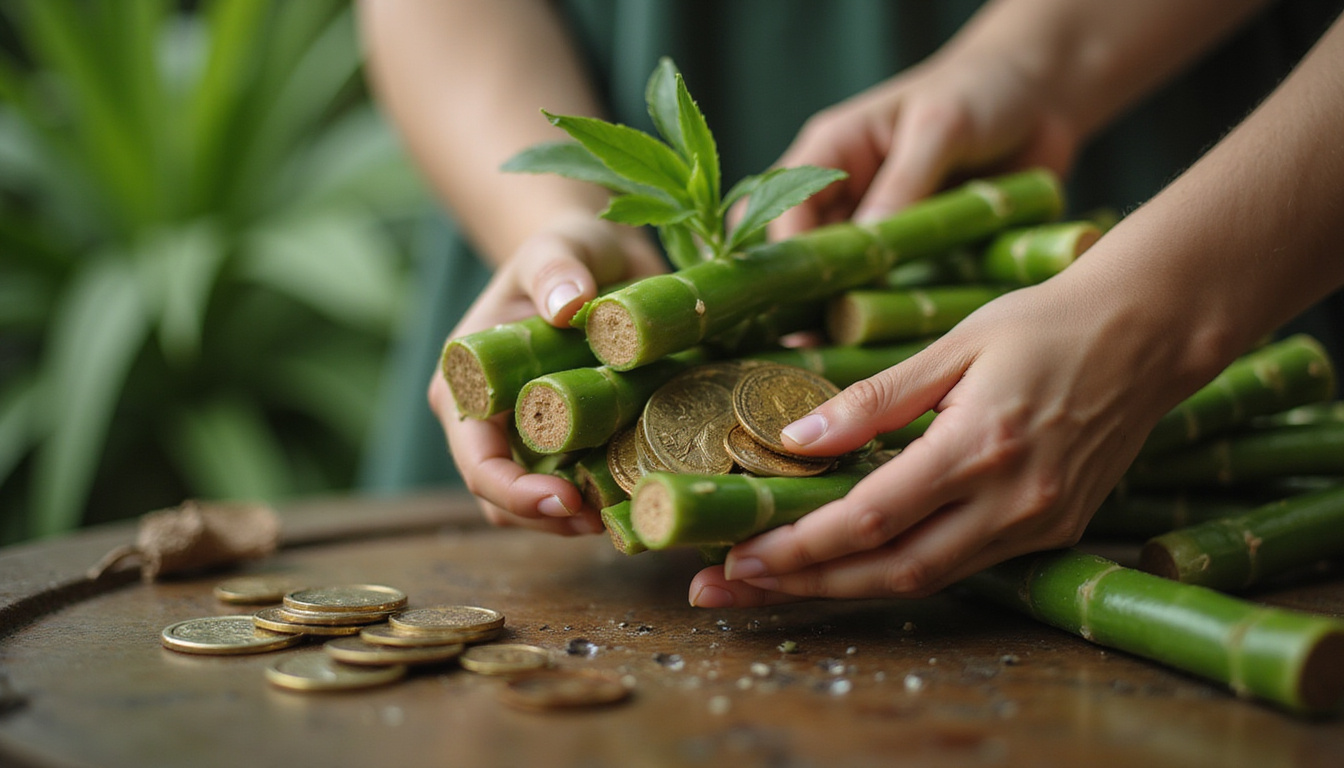
- Metal element: A metal coin or decorative charm
- Fire element: A red ribbon tied around the stalks
This combination is said to enhance the flow of positive chi and attract prosperity.
Styling and Shaping Your Lucky Bamboo
Part of the charm of lucky bamboo is its creative forms—spirals, braids, and heart shapes.
Can You Shape It at Home?
Yes, but it takes patience. Lucky bamboo bends toward light, so growers shape it by gradually rotating or shading parts of the plant.
Basic approach:
- Place the plant on its side under a light source.
- When new growth bends upward, turn the plant slightly.
- Repeat over many weeks or months to create a curve or spiral.
For braids or more complex shapes, it’s usually easiest to purchase them pre-shaped, as commercial growers use controlled conditions and time to achieve perfect forms.
Common Lucky Bamboo Problems and Solutions
Even though lucky bamboo is tough, a few common issues can arise.
Yellow Leaves
Possible causes:
- Too much sun
- Chemical-laden water (chlorine, fluoride)
- Overfertilizing
- Old age of individual leaves
Solutions:
- Move to bright, indirect light instead of direct sun.
- Switch to filtered, distilled, or rainwater.
- Stop fertilizing for a while.
- Trim off yellow leaves with clean scissors.
Yellow or Mushy Stalks
This is more serious and often indicates root or stem rot.
- Check the roots: healthy roots are firm and white to light orange.
- Cut away any rotten roots or stalk sections with sterile scissors.
- If only the top is yellow, sometimes you can cut the stalk down to healthy green tissue and re-root it in fresh water or soil.
If the entire stalk is yellow and soft, it usually cannot be saved; remove it to protect remaining stems.
Brown Tips on Leaves
Common causes:
- Dry air or low humidity
- Fluoride or salt buildup from tap water
- Under- or over-watering (in soil culture)
Try:
- Improving water quality.
- Trimming just the brown tips at an angle.
- Adjusting watering schedule or moving the plant away from very dry air sources.
How to Propagate Lucky Bamboo
Propagating lucky bamboo is straightforward and a great way to multiply your plants or share them as gifts.
Step-by-Step Propagation
-
Choose a healthy parent stem
Look for a tall, green stalk with several healthy nodes (the ringed segments). -
Make a clean cut
- Use sterilized, sharp scissors or pruning shears.
- Cut above a node, leaving at least 1–2 nodes on the cutting.
-
Remove lower leaves
Strip leaves from the lower part of the cutting so they don’t sit in water. -
Root in water
- Place the cutting in a container with filtered or distilled water.
- Submerge the lower nodes but keep leaves above water.
- Change water every 1–2 weeks.
-
Wait for roots to develop
Roots usually appear within a few weeks. Once they’re a couple of inches long, you can:- Keep the cutting growing in water, or
- Transfer it to soil.
This method lets you refresh an older lucky bamboo arrangement or create new ones with specific stalk numbers for different Feng Shui intentions.
Is Lucky Bamboo Safe for Pets?
Lucky bamboo (Dracaena sanderiana) is considered toxic to cats and dogs if chewed or eaten, and can cause drooling, vomiting, or loss of appetite (source: ASPCA). If you have curious pets:
- Place lucky bamboo out of reach.
- Use tall shelves, closed offices, or hanging displays.
- Seek veterinary advice if you suspect ingestion.
FAQ About Lucky Bamboo Care and Luck
How do I keep lucky bamboo alive and green?
To keep lucky bamboo alive and green, provide bright, indirect light, use filtered or distilled water, change the water every 1–2 weeks (for water culture), and avoid overfertilizing. In soil, water when the top inch feels dry and ensure the pot drains well.
Where should I place lucky bamboo for good luck?
In Feng Shui practice, lucky bamboo is often placed in the wealth corner of a room (the far left corner from the entrance) or near the entrance of a home or office to invite prosperity and positive energy. Just make sure the spot still offers suitable light and temperature.
Why is my lucky bamboo turning yellow?
Yellowing lucky bamboo is usually caused by poor water quality, too much direct sun, overfertilizing, or root rot. Switch to better water, move the plant to softer light, avoid fertilizer for a while, and check roots and stems for rot, trimming away any damaged parts.
Bring Health, Harmony, and Fortune Into Your Space
With a little attention to light, water quality, and placement, lucky bamboo can thrive indoors for years while adding a sense of calm and positive energy to your environment. Whether you’re seeking a simple, low-maintenance plant, a meaningful gift, or a subtle Feng Shui remedy for inviting good fortune, lucky bamboo is a powerful yet easy choice.
Choose a healthy arrangement with stalk numbers that match your intentions—love, health, or prosperity—and start applying these lucky bamboo care tips today. A few thoughtful adjustments can turn a struggling stalk into a thriving symbol of growth and luck in your home or office.
Explore the Science Behind Spirituality
This guide explored the meaning and history of good luck symbols. To discover the psychology, consciousness, and scientific perspectives behind spiritual beliefs, visit SpiritualMindScience.com.