If you’ve ever wondered whether a leprechaun might be sneaking through your garden or hiding behind that old tree stump, you’re not alone. The idea of a leprechaun visiting your yard taps into centuries of Irish folklore and a shared love of mystery. Whether you’re doing a fun scavenger hunt with kids, decorating for St. Patrick’s Day, or simply curious about the legends, learning to “spot” playful signs can turn any ordinary yard into a magical landscape.
Below, we’ll explore the most common leprechaun clues, how to create your own, and how to weave a bit of Irish myth into everyday outdoor life.
Who (or What) Is a Leprechaun, Really?
Before looking for clues, it helps to know who you’re hunting for.
In Irish folklore, a leprechaun is a solitary fairy: a tiny, sharp-witted shoemaker known for mischief, hidden gold, and an intense dislike of being caught. Traditionally, they:
- Live alone rather than in big fairy communities
- Guard a pot of gold at the end of the rainbow
- Wear green or red coats and cocked hats in older tales
- Can grant three wishes if captured—though stories warn they’ll twist your words
Leprechauns appear in written records as early as medieval Irish literature and have evolved over centuries through oral tradition and modern media (source: Encyclopaedia Britannica). Understanding this background helps you separate the playful, modern “yard clues” from the deeper cultural roots of the legend.
Natural Signs in Your Yard That Spark Leprechaun Legends
You won’t find a certificate signed by a leprechaun in your flowerbed, but many everyday garden features can be reimagined as signs of fairy folk. These natural elements are perfect conversation starters with kids or guests.
1. Tiny “Paths” Through Grass or Clover
Look closely at your lawn or clover patches. You might notice:
- Narrow, slightly flattened trails where no one seems to walk
- A winding line between two bushes or from a tree to a flowerbed
- A small “clearing” in thick grass that appears almost like a little campsite
In the language of imagination, these become “leprechaun paths.” They encourage children to pay attention to the small, easily overlooked details of the natural world.
2. Mushroom Circles and Fairy Rings
Circular patches of mushrooms or lush grass—known as fairy rings—are a real, documented natural phenomenon caused by certain fungi in the soil. Folklore, however, often interprets them as:
- Dance floors for fairies and other magical creatures
- Nighttime gathering spots where leprechauns might meet
- Boundaries humans shouldn’t cross if they don’t want to be whisked into the fairy world
Spotting a ring like this can turn into a teaching moment about both biology and mythology.
3. Unusual Stones and “Hidden Doorways”
In some stories, leprechauns live in underground burrows or behind secret doors in hills and rocks. In your yard, that can translate to:
- A stone that looks like a tiny door when seen from one angle
- A crack in a rock or tree that seems deeper than it should be
- A little “cave” space under a large root or decorative boulder
Pointing out these natural features as imaginary gateways to a leprechaun home makes an everyday walk outside far more magical.
4. Clover Patches and the Lucky “Four-Leaf” Find
Clover and shamrocks are iconic symbols of Ireland, luck, and St. Patrick’s Day. Even if you never find a true four-leaf clover, you can:
- Designate a thick clover patch as “leprechaun grazing grounds”
- Pretend the densest clusters are hiding spots or picnic spots
- Celebrate any unusual clover as a sign the leprechaun has visited recently
This can encourage kids to explore patiently, search carefully, and connect with plants up close.
Playful “Evidence” You Can Create for a Leprechaun Hunt
While folklore is old, the tradition of setting up leprechaun trails and “traps” in yards and classrooms is quite modern. If you want your yard to tell a story, you can add fun, staged clues that blend in with nature.
5. Tiny Footprints and Trail Markers
With a bit of creativity, you can design small, temporary “tracks”:
- Use washable, non-toxic paint to dab little footprints on a flat rock
- Press small shoe prints into damp soil with a doll’s shoe
- Arrange pebble arrows pointing toward a tree, stump, or “secret” corner of the yard
These make for an exciting morning discovery, especially around St. Patrick’s Day.
6. Miniature Tools and “Shoemaker’s Corners”
Remember, the classic leprechaun is a shoemaker. You can hint at that by creating miniature workspaces:
- A thimble, button, or tiny “hammer” from craft sticks beside a stump
- A small scrap of green felt or “leather” tucked under a stone
- An acorn cap “nail bucket” staged beside an old root
Describe the area as the leprechaun’s workshop and challenge children to look for more “evidence” of craftsmanship.
7. Shiny Objects and “Gold” Trails
Leprechauns are closely linked to gold and treasure, so sparkling hints work beautifully:
- Scatter a very small trail of gold confetti or biodegradable glitter leading to a potted plant
- Half-bury a few gold-painted pebbles or chocolate gold coins near a tree base
- Hang a single shiny charm or bell where it can catch the light
Just be sure any materials you use are safe for wildlife and easy to clean up.
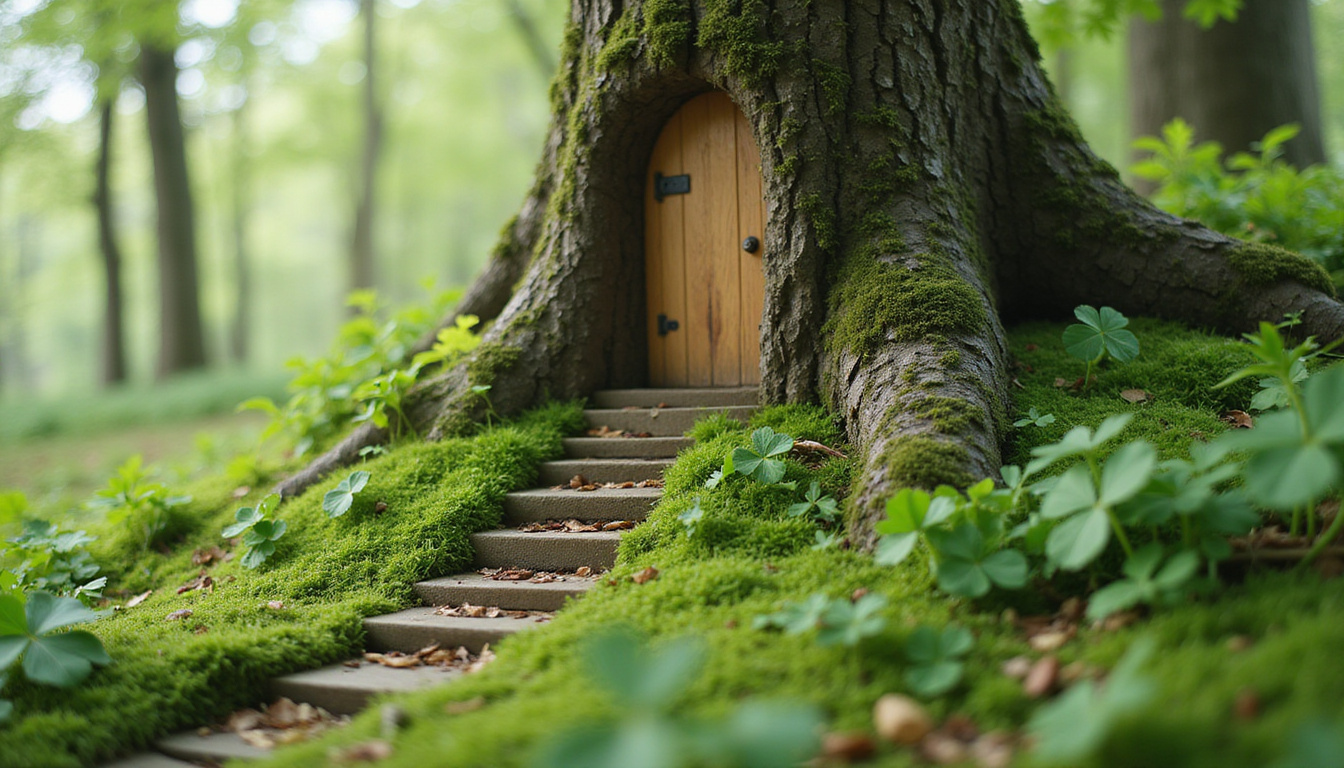
8. Tiny Doors and Houses Among the Plants
If you like DIY or garden décor, you can go further and install miniature leprechaun houses:
- Little wooden or resin “fairy doors” attached to a tree trunk
- A matchbox-sized “mailbox” tucked into a rock wall
- A small painted window on a piece of scrap wood leaning against a stump
These give your yard a permanent sense of whimsy and invite storytelling year-round.
How to Turn Leprechaun Clues into a Family Adventure
Spotting signs is just the start. The real magic comes from how you use those clues to build experiences and memories.
9. Create a Leprechaun Scavenger Hunt
Use clues—both natural and staged—to make a simple game. For example:
- Print or write a “Leprechaun Riddle” as the starting point.
- Have kids follow footprints to a “shoemaker’s corner.”
- Hide the next hint in a fairy ring or under a special rock.
- End at a clover patch where small “treasures” are hidden.
Keep the tone light and humorous; the goal is curiosity, not “proving” anything.
10. Add Storytelling to Bedtime and Playtime
Each clue can become part of a bigger narrative:
- Why does the leprechaun need new shoes so often?
- Where does he go when it rains?
- Who helps him guard the gold—birds, squirrels, or other fairies?
Encourage kids to answer in their own words. This develops imagination, language skills, and a personal connection to folklore.
11. Incorporate Simple Crafts and Learning
Turn your leprechaun investigation into projects:
- Crafts: Make miniature tools, doors, or hats from cardboard and paint.
- Writing: Have children write “letters to the leprechaun” and leave them by the door.
- Science tie-ins: Talk about real reasons behind mushroom rings, animal tracks, and plant growth.
This blend of myth and fact teaches that the world can be both magical and understandable.
Respecting Culture While Enjoying the Fun
While leprechaun clues can be a playful game, it’s helpful to remember they come from a deep cultural tradition.
- Acknowledge Irish roots. Explain that the leprechaun comes from Irish stories that are hundreds of years old.
- Avoid stereotypes. Focus on the clever, crafty, hardworking shoemaker aspects, not cartoonish depictions of Irish people.
- Explore further. Share other Irish myths—like banshees, selkies, or the Tuatha Dé Danann—with older kids or curious adults.
This respect keeps the activity fun and meaningful instead of shallow or caricatured.
Practical Tips for Safe, Eco-Friendly Leprechaun Clues
If you’re designing clues in your yard, a few simple guidelines keep everything safe and sustainable:
- Use biodegradable or easily removable decorations.
- Avoid plastics that can blow away or be eaten by wildlife.
- Choose non-toxic paints and glues if they’ll be outside.
- Clean up any edible props (like chocolate coins) before they attract pests.
- Keep small items away from very young children who might swallow them.
You can even involve kids in the cleanup, framing it as “helping the leprechaun keep the forest clean.”
Quick Checklist: Common Leprechaun Clues in Your Yard
Use this list as a simple guide next time you head outside:
- Narrow, winding paths in grass or clover
- Mushroom circles or unusually lush rings of grass
- Rocks, roots, or stumps that resemble little doors or caves
- Thick clover patches and any odd or lucky-looking leaves
- Tiny “footprints” or patterns in mud and dirt
- Miniature tools, buttons, or craft items in hidden corners
- Scattered shiny objects or “gold” pebbles
- Tiny doors or windows added to trees or rocks
Not every yard will have all of these, but even finding one or two can spark a great story.
FAQ About Leprechauns and Yard Clues
Q1: Are leprechauns real, or just a myth?
Leprechauns are figures from Irish mythology and are not real in a scientific sense. They are part of a rich storytelling tradition, much like dragons or unicorns. Treating a leprechaun as a character in your yard is about celebrating imagination, not documenting literal creatures.
Q2: How can I attract a leprechaun to my garden?
In a playful sense, you can “attract” a leprechaun by creating tiny doors, leaving small notes, or adding shiny decorations and clover patches. These leprechaun-themed touches invite curiosity and set the stage for pretend visits and fun discoveries.
Q3: What is in a leprechaun’s pot of gold, really?
Folklore says a leprechaun’s pot is full of gold coins buried at the end of a rainbow. In your yard, that might mean painted stones, chocolate coins, or any treasured items you hide for a scavenger hunt. The “gold” is mostly symbolic—it represents luck, reward, and the thrill of the search.
Bringing the legend of the leprechaun into your yard doesn’t require belief in real fairies, just a willingness to see the world with fresh eyes. The same patch of grass, the same old tree stump, and the same ring of mushrooms can suddenly become part of an unfolding story shared between generations.
If you’re ready to turn your outdoor space into a place of everyday wonder, start small: take a walk through your yard, pick one spot that feels a little mysterious, and add a simple clue—a tiny door, a trail of “gold,” or a few secret footprints. Then watch how quickly curiosity grows.
Start your own leprechaun tradition today, and transform your yard into a magical landscape where stories come to life every time you step outside.
Explore the Science Behind Spirituality
This guide explored the meaning and history of good luck symbols. To discover the psychology, consciousness, and scientific perspectives behind spiritual beliefs, visit SpiritualMindScience.com.