lemon balm has quietly become a star in the world of natural wellness—and for good reason. This fragrant herb, with its fresh lemony scent and gentle minty undertone, has been used for centuries to calm the mind, support restful sleep, soothe digestion, and even nurture the skin. Whether you’re struggling with stress, tossing and turning at night, or looking for a more natural glow, lemon balm offers a surprisingly versatile toolkit.
In this guide, you’ll discover what makes lemon balm so special, how to use it safely and effectively, and simple ways to weave it into your everyday routine.
What Is Lemon Balm?
Lemon balm (Melissa officinalis) is a perennial herb in the mint family (Lamiaceae). Native to the Mediterranean and West Asia, it’s now grown worldwide as both a culinary and medicinal plant.
Key characteristics:
- Flavor and aroma: Light, lemony, and slightly sweet.
- Plant family: Mint family, similar to peppermint and spearmint.
- Traditional use: Calming nerves, easing indigestion, and supporting sleep for over 2,000 years in European and Middle Eastern herbal traditions.
Modern research has begun to validate many of these traditional uses, especially its effects on anxiety, sleep quality, and skin health.
Powerful Active Compounds in Lemon Balm
The benefits of lemon balm come from its rich mix of phytochemicals, including:
- Rosmarinic acid – A potent antioxidant with anti-inflammatory and calming properties.
- Flavonoids – Such as luteolin and quercetin, which help fight oxidative stress.
- Essential oils – Including citral, citronellal, and geraniol, believed to contribute to mood and sleep support.
- Triterpenes and phenolic acids – Supporting antimicrobial and soothing effects.
These compounds work together to create lemon balm’s gentle but noticeable effects on the nervous system, skin, and digestion.
Lemon Balm for Stress and Anxiety Relief
One of the most popular uses of lemon balm is for stress reduction and mental calm. If your mind feels constantly “on,” this herb may help dial things down.
How lemon balm Supports a Calmer Mind
Research suggests lemon balm can:
- Support GABA activity – GABA is a calming neurotransmitter in the brain. Some studies indicate that lemon balm extracts may help enhance GABA’s relaxing effects.
- Reduce nervous tension and restlessness – People often describe feeling “more at ease” without feeling sedated.
- Improve alertness and mood – Interestingly, lemon balm can calm the nerves while still supporting mental clarity and cognitive performance.
A number of small human trials show that lemon balm, alone or in combination with other herbs like valerian, can reduce symptoms of mild anxiety and stress-related insomnia (source: National Institutes of Health).
Best Ways to Use lemon balm for Stress
For daily stress support:
- Tea: 1–2 teaspoons of dried lemon balm leaves in hot water, steeped 10–15 minutes, up to 3 times daily.
- Tincture (liquid extract): Often 2–4 mL, 2–3 times daily, depending on the product instructions.
- Capsules: Standardized extracts may be taken 1–2 times per day, following dosage guidelines on the label.
Start low and pay attention to how you feel—many people notice a subtle calming effect within 30–60 minutes of a dose.
Lemon Balm for Better Sleep and Night-Time Calm
If you’re lying awake with a racing mind, lemon balm may help you unwind and drift off more easily.
Why Lemon Balm Helps with Sleep
lemon balm doesn’t act like a heavy sedative. Instead, it:
- Gently relaxes the nervous system, making it easier to fall asleep.
- May shorten sleep latency (the time it takes to fall asleep).
- Can support sleep quality, especially when combined with other calming herbs like valerian or chamomile.
Several small trials suggest that formulas containing lemon balm help people with mild to moderate insomnia fall asleep faster and sleep more soundly.
How to Take Lemon Balm for Sleep
For bedtime support, many find success with:
- Evening tea: 1–2 cups of lemon balm tea in the last hour before bed.
- Sleep blends: Teas or supplements that combine lemon balm with valerian, passionflower, or lavender.
- Night tincture: A slightly higher dose before bed, as advised on the product label.
Create a simple ritual:
- Turn off screens 30–60 minutes before bed.
- Brew a warm mug of lemon balm tea.
- Dim the lights and read or journal while you sip.
The habit itself reinforces calm, and lemon balm provides an extra nudge toward relaxation.
Lemon Balm for Skin: Calm, Clear, and Protected
Beyond sleep and stress, lemon balm can be a powerful ally for your skin—especially if you deal with sensitivity, irritation, or periodic breakouts.
Antimicrobial and Soothing Benefits
Topical preparations of lemon balm are used for:
- Cold sores (herpes simplex virus) – Studies show that creams with lemon balm extract can shorten healing time, reduce recurrence frequency, and improve symptoms like redness and itching.
- Red, irritated skin – Its anti-inflammatory and antioxidant properties can help calm reactive skin.
- Blemish-prone skin – Mild antimicrobial activity may help keep pores clearer and reduce occasional breakouts.
Lemon balm’s rosmarinic acid and essential oils are thought to be key players in these effects.
Simple Ways to Use Lemon Balm for Skin
You can find lemon balm in:
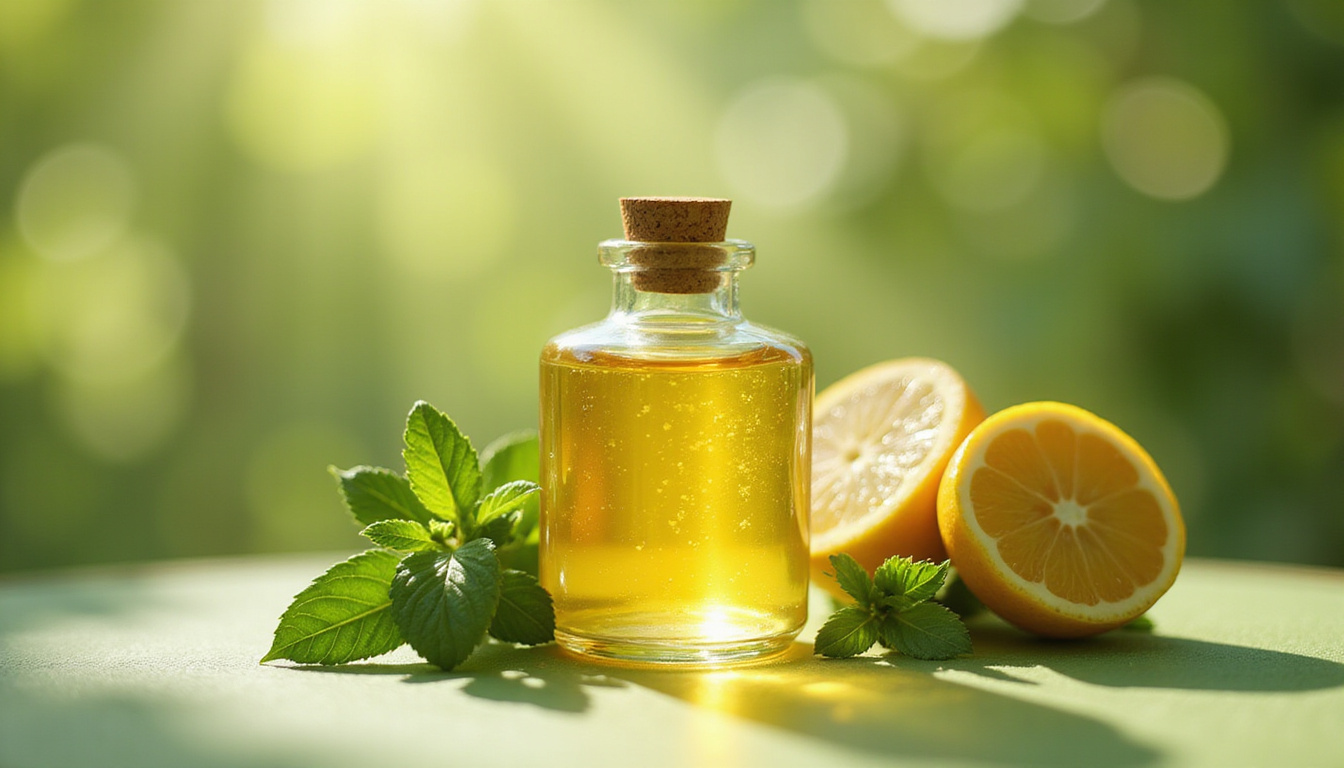
- Creams and ointments – Especially those targeting cold sores or sensitive, reactive skin.
- Facial mists and toners – To soothe redness and lightly refresh the skin.
- DIY skincare – Such as cooled lemon balm tea used as a gentle facial rinse or compress (always patch test first).
For cold sores, look for standardized lemon balm creams and apply at the first sign of tingling, according to product directions.
Gentle Digestive Support from Lemon Balm
Your gut and nervous system are closely connected. It’s no surprise that an herb that calms the mind can also ease digestive discomfort.
Lemon balm has traditionally been used to:
- Relieve gas and bloating
- Ease mild cramping and spasms
- Support digestion after heavy meals
- Calm nervous stomach
As a carminative herb (gas-relieving), lemon balm tea after meals can be a soothing, natural alternative to over-the-counter digestive aids.
How to Use Lemon Balm: Teas, Tinctures, and More
There are many ways to bring lemon balm into your everyday life. Choose what fits your habits and preferences.
Common Forms of Lemon Balm
- Tea (infusion): Dried leaves steeped in hot water.
- Tincture/liquid extract: Alcohol or glycerin-based extracts.
- Capsules/tablets: Standardized herbal extracts.
- Essential oil: Highly concentrated aromatic oil (for diffusion or highly diluted topical blends only).
- Fresh herb: For cooking, beverages, and homemade remedies.
- Topical creams and gels: For skin support, especially cold sores.
Typical Daily Use (Adults)
Always follow product-specific instructions, but common ranges are:
- Tea: 1–3 cups per day
- Tincture: 2–4 mL, 2–3 times daily
- Capsules: As per standardized extract, often 300–600 mg, 1–2 times daily
If you’re new to lemon balm, begin with the lowest effective amount and adjust based on how you feel.
Growing Your Own Lemon Balm
One of the joys of lemon balm is how easy it is to grow at home.
Why Grow Lemon Balm?
- It’s low-maintenance and hardy.
- Fresh leaves are perfect for tea, salads, and skincare DIYs.
- You control how it’s grown—no pesticides or unwanted additives.
Quick Growing Tips
- Light: Full sun to partial shade.
- Soil: Well-drained; it’s adaptable to many soil types.
- Water: Keep moderately moist; avoid waterlogged soil.
- Spacing: It can spread, so give it room or plant in containers.
- Harvest: Snip leaves as needed; for drying, harvest just before flowering for the strongest aroma.
Dry excess lemon balm by hanging small bunches upside down in a dark, ventilated area, then store the dried leaves in airtight jars.
Safety, Side Effects, and Interactions
For most healthy adults, lemon balm is considered well tolerated when used in moderate amounts. However, there are a few points to consider.
Potential Side Effects
Usually mild and uncommon:
- Drowsiness (especially at higher doses or with other sedating herbs/medications)
- Nausea or stomach upset
- Headache in sensitive individuals
If you notice any unwanted effects, lower your dose or stop use and consult a healthcare professional.
Who Should Be Cautious?
Speak with a doctor or qualified practitioner before using lemon balm if you:
- Take thyroid medication or have hypothyroidism (there is theoretical concern that lemon balm may interfere with thyroid hormone activity, though evidence in humans is limited).
- Use sedatives, sleep medications, or anti-anxiety drugs.
- Are pregnant or breastfeeding (safety data is limited).
- Are giving it to children – use only under professional guidance.
As with any herb, if you’re on prescription medications or managing a chronic condition, it’s wise to check for interactions.
Easy Ways to Add Lemon Balm to Your Daily Routine
Here are some practical ideas for weaving lemon balm into your lifestyle:
- Morning: Add a few fresh leaves to your water bottle for a refreshing infusion.
- Workday: Sip lemon balm tea when you feel tension or mental overload building.
- Evening wind-down: Replace your late-night coffee or wine with a calming lemon balm blend.
- Skincare ritual: Use a cooled lemon balm infusion as a gentle facial rinse a few times a week.
- Cold sore toolkit: Keep a lemon balm cream on hand and apply at the first sign of tingling.
A Simple Lemon Balm Bedtime Tea Blend
Try this relaxing tea about 30–45 minutes before bed:
- 1 tsp dried lemon balm
- 1 tsp dried chamomile
- ½ tsp dried lavender (optional)
Pour 1 cup of hot (not boiling) water over the herbs, cover, and steep 10–15 minutes. Strain and sip slowly.
FAQ About Lemon Balm
Is lemon balm good for sleep and anxiety?
Yes, lemon balm is widely used to support both sleep and anxiety. Research and traditional use suggest it can reduce feelings of nervousness, promote relaxation, and make it easier to fall asleep—especially when used consistently and combined with good sleep hygiene.
How do you take lemon balm for stress and sleep?
You can use lemon balm for anxiety and sleep in several forms: teas, tinctures, and capsules are the most common. Many people start with 1–2 cups of tea during the day for stress, then another cup in the evening, or use a standardized supplement as directed on the label.
Can lemon balm help with skin issues like cold sores?
Yes, topical products containing lemon balm for skin—especially standardized creams or ointments—have been shown to help with cold sores by reducing healing time and easing symptoms. It may also soothe irritated or sensitive skin, but always patch test first and consult a dermatologist for persistent skin problems.
Lemon balm is a gentle yet powerful herb that bridges the gap between modern wellness and ancient herbal wisdom. From calming stress and supporting restful sleep to soothing your skin and digestion, it offers a multipurpose, natural option that’s easy to integrate into daily life—whether you brew it, grow it, or apply it.
If you’re ready to sleep more deeply, feel calmer, and nurture your skin in a more natural way, start by adding a simple lemon balm ritual to your day. Brew a cup tonight, explore a quality supplement or cream, and see how this time-tested herb can transform your routine from the inside out.
Throughout history, many plants and herbs have been associated with luck, protection, and prosperity. To explore their deeper spiritual, psychological, and scientific significance, visit SpiritualMindScience.com.