Laughing Buddha Placement Secrets: Boost Luck and Positive Energy
The cheerful, round-bellied laughing buddha is one of the most recognizable symbols of joy, abundance, and good fortune. But simply buying a statue and placing it anywhere in your home or office won’t unlock its full potential. Thoughtful placement is essential if you want to boost luck and positive energy using this famous feng shui cure.
Below, you’ll learn where (and where not) to place the laughing buddha, what each placement means, how to choose the right statue, and how to care for it so it becomes a powerful magnet for happiness and prosperity.
Who Is the Laughing Buddha, Really?
Before diving into placement, it helps to understand who the laughing buddha represents.
- The laughing buddha is inspired by Budai (Hotei), a joyful, wandering Chinese monk known for his big belly, contagious laughter, and generous spirit.
- He is not the historical Buddha (Siddhartha Gautama) but a symbol of:
- Contentment
- Abundance
- Good luck
- Protection
- Childlike joy
In feng shui, the laughing buddha is used to uplift stagnant or heavy energy and invite more lightness into everyday life.
General Rules for Laughing Buddha Placement
No matter where you place your laughing buddha, a few universal guidelines apply:
-
Keep him elevated
Place the statue at least eye level or higher. It’s considered disrespectful to put him directly on the floor or too low. -
Avoid dirty or cluttered spaces
Don’t place the laughing buddha near trash cans, bathrooms, shoe racks, or messy corners. He should sit in a clean, respectful, and clutter-free area. -
Face him inward, not outward (in most cases)
In homes, the statue typically faces into the house, symbolically bringing blessings inside rather than sending them away. -
Treat the statue with respect
Keep it dusted, avoid placing items on his head, and don’t tuck him away into dark, neglected spaces. -
Place with intention
When you set him down, have a clear intention in mind—joy, protection, wealth, harmony. Intention energizes the placement.
Best Places to Put a Laughing Buddha at Home
Where you place your laughing buddha determines what type of energy you emphasize. Here are the most effective spots in a home.
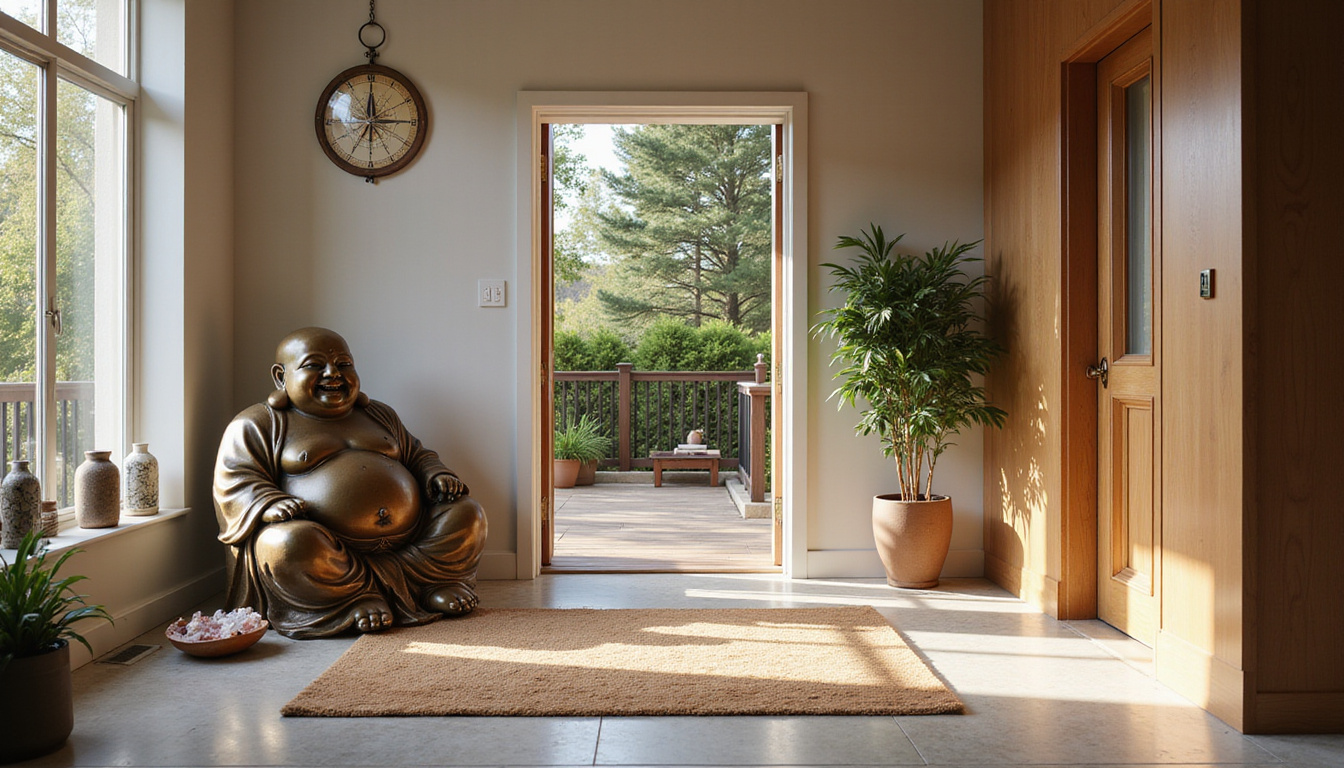
1. Near the Main Entrance: Welcoming Good Fortune
Placing a laughing buddha near the front door is one of the most recommended positions in feng shui.
- Ideal spot: On a console table, shelf, or pedestal facing into the house
- Height: At or slightly above eye level as you enter
- Effect: Welcomes positive chi, filters out negative energy, and creates a joyful first impression
In many households, people briefly touch the belly of the laughing buddha as they come and go, as a symbolic way of inviting luck and protection into their daily activities.
2. Living Room: Spreading Joy and Harmony
The living room is a social hub where family and guests gather. A laughing buddha here helps keep the energy light and friendly.
- Ideal placement: On a cabinet, bookshelf, or side table in a visible but uncluttered spot
- Avoid: Directly on the floor, next to the TV (noise and distraction), or in front of sharp edges
- Effect: Eases tension, reduces conflict, and creates a positive environment for bonding
For families dealing with regular arguments or stress, a living-room laughing buddha can symbolically “lighten the mood.”
3. Wealth Area: Attracting Prosperity
In classical feng shui, the southeast sector of your home is associated with wealth and abundance. You can strengthen this area with a laughing buddha designed for prosperity.
- Best statue versions:
- Laughing buddha holding an ingot or golden bowl
- Laughing buddha with a treasure bag or gold coins
- Effect: Symbolically enhances financial luck, opportunities, and career advancement
Use a sturdy, attractive stand and avoid placing bills, wallets, or clutter directly under or around the statue—keep the area visually “light” and dignified.
4. Home Office or Study: Easing Pressure and Encouraging Success
Work and studies often come with pressure, overthinking, and stress. A laughing buddha in your workspace can help counter this.
- Ideal placement: On a shelf behind you, or on a side table not buried under paperwork
- Effect:
- Reduces stress and mental heaviness
- Encourages creative thinking and optimism
- Symbolically attracts recognition and success
If you face a wall when you work, placing the statue to your side or slightly behind you (in your peripheral vision) can be more psychologically uplifting than staring at it head-on all day.
Where NOT to Place a Laughing Buddha
To maintain respect and good feng shui, avoid these placements:
- Bathrooms and toilets – considered inauspicious and disrespectful
- Kitchens, especially near stoves or sinks – exposure to grime, heat, and moisture is not ideal
- Directly on the floor or under stairs – suggests disregard and “stepping over” blessings
- Bedrooms – particularly facing the bed; some traditions consider this invasive or unsettling
- Next to very heavy or chaotic electronics – e.g., right beside a TV, gaming hub, or router cluster
- On top of appliances – like refrigerators, microwaves, or washing machines
If space is limited, prioritize cleanliness, elevation, and calmness over strict compass directions.
Choosing the Right Laughing Buddha Statue
Not all laughing buddha statues carry the same symbolism. The style you choose should match your main intention.
Common Laughing Buddha Variations
-
Laughing Buddha with a Sack
Symbol of removing worries and carrying away negativity; good for families and those experiencing emotional burdens. -
Laughing Buddha with Gold Ingot or Bowl
Attracts wealth, prosperity, and financial improvements; ideal for businesses and wealth corners. -
Laughing Buddha with Children
Represents fertility, protection, and joy in family life; suitable for living rooms or family areas. -
Laughing Buddha on a Dragon or with Coins
Combines good fortune with protection and authority; often placed in offices or near business entrances.
Materials and Colors
- Resin or wood: Common and affordable; fine for general luck and joy.
- Metal (brass, bronze): Heavier and more grounding; associated with stability and long-term success.
- Gold-colored finishes: Emphasize wealth and abundance symbolism.
- Jade or green tones: Often linked to growth, healing, and family harmony.
Choose a statue that visually uplifts you. If you feel a natural smile when you look at it, it’s a good sign.
How to “Activate” the Laughing Buddha with Intention
You don’t need complex rituals, but a simple mindful process can deepen the effect of your laughing buddha placement:
-
Clean the statue
Wipe off dust gently before placing it, symbolizing a fresh start. -
Set a clear intention
Before you put it down, hold the statue for a moment and quietly state what you’d like it to support:- “May this corner of my home attract joyful opportunities.”
- “May my work be lighter and more prosperous.”
-
Place it respectfully
Set it in its chosen location, ensuring it’s not cramped or overshadowed by clutter. -
Interact periodically
Some people touch the belly lightly, bow slightly, or smile at the statue as a quick daily reminder to stay light-hearted and grateful.
Feng shui is partly symbolic and partly psychological. When your environment reminds you of your goals and values, you’re more likely to act in alignment with them (source: American Psychological Association).
Laughing Buddha in the Office or Business
For business owners and professionals, the laughing buddha can be especially powerful when placed correctly.
Ideal Office and Business Placements
-
Reception Area
Place a laughing buddha facing incoming visitors to create a welcoming atmosphere and symbolically invite customers and deals. -
Manager’s or CEO’s Office
Put the statue on a side cabinet or bookcase to encourage wise decisions and reduce the emotional burden of leadership. -
Cash Counter or Near a Safe
For shops and restaurants, a small laughing buddha placed near where money is stored or managed can serve as a wealth charm (but keep the area neat and dignified).
Workplace Etiquette
- Ensure staff understand the statue is not a joke or decoration to be handled carelessly.
- Keep the area clean and avoid stacking random items around or over it.
- In shared, multicultural offices, be sensitive to colleagues’ comfort levels.
Simple Maintenance to Keep Energy Flowing
Treat your laughing buddha as you would a respected guest:
- Dust weekly using a soft cloth
- Avoid harsh chemicals that can damage finishes
- Check surroundings regularly – keep the area free of clutter or negative imagery
- Repair or replace chipped or broken statues; damaged items can symbolically reflect weakened energy
A well-cared-for statue not only looks better, it also subtly reminds you to care for your space and your mindset.
Quick Placement Checklist
Use this short list to guide your laughing buddha placement:
- [ ] Is the statue above floor level, ideally at eye height or higher?
- [ ] Is it in a clean, uncluttered spot away from trash and bathrooms?
- [ ] Does it face into the home or space to draw energy inward?
- [ ] Is the type of statue (wealth, children, sack, etc.) aligned with your goals?
- [ ] Is the surrounding area visually calm and respectful, not chaotic or noisy?
- [ ] Have you taken a moment to set your intention for what you want it to bring?
If you can tick most of these boxes, your placement is likely supportive and auspicious.
FAQ About Laughing Buddha Placement and Meaning
1. What is the meaning of the laughing Buddha in the home?
The laughing buddha meaning in home decor is primarily about joy, abundance, and protection. He symbolizes a carefree, contented attitude toward life, reminding you to focus on gratitude and optimism. Strategically placing him near the entrance, in the living room, or in the wealth corner is believed to invite positive chi, prosperity, and harmonious relationships.
2. Where should I place a laughing Buddha for money and good luck?
For laughing buddha for money and financial luck, place a statue that features a gold ingot, coins, or a treasure bag in your home’s southeast wealth corner or near the entrance, facing into the house. In a business, you can place a similar statue near the cash register or safe, ensuring the area remains clean and uncluttered.
3. Is it okay to keep a laughing Buddha in the bedroom?
Most feng shui practitioners recommend not placing a laughing buddha in bedroom spaces, especially facing the bed. The bedroom is a private, restful area, while the laughing buddha represents lively, public, joyful energy. It’s generally better to keep him in more active areas like the living room, hallway, or office for optimal energy flow.
Invite More Joy and Luck Into Your Space
A laughing buddha isn’t just a cute decoration; it’s a constant visual reminder to approach life with joy, generosity, and trust in abundance. When placed thoughtfully—near your entrance, in your living room, in your wealth corner, or in your office—it can help shift the energy of your environment and your mindset toward positivity.
If your home or workspace feels heavy, stagnant, or stressed, start with a simple change: choose a laughing buddha that resonates with you, give it a respectful, intentional place, and let it anchor a new chapter of happiness and good fortune.
Now is the perfect time to walk through your space, identify the ideal spot, and welcome your own laughing buddha as a cheerful guardian of luck and positive energy.
Explore the Science Behind Spirituality
This guide explored the meaning and history of good luck symbols. To discover the psychology, consciousness, and scientific perspectives behind spiritual beliefs, visit SpiritualMindScience.com.