A good kneeler can transform the way you garden—reducing pain, improving comfort, and making it easier to enjoy longer sessions outside. Whether you have sensitive knees, are dealing with joint issues, or simply want to protect your clothes from dirt and moisture, choosing the right kneeler is essential. This guide walks you through the different types of kneelers, key features to compare, and the best lightweight, padded options to consider for gardening.
Why a Kneeler Matters for Garden Comfort and Safety
Spending time on your knees in the garden places pressure on joints, tendons, and the lower back. Over time, this can contribute to discomfort or even injury, especially if you’re on hard ground or gravel.
A quality kneeler:
- Cushions your knees
- Reduces strain on joints
- Helps prevent bruises and pressure points
- Keeps you dry and clean
- Provides stability when getting up and down (in some models)
For older gardeners, or anyone with arthritis or knee problems, a kneeler can mean the difference between a 20‑minute session and a full afternoon of enjoyable, productive gardening.
Main Types of Garden Kneelers
Before you buy, it helps to understand the main kneeler categories and how they fit different gardening styles.
1. Simple Foam Kneeling Pads
These are flat pads made from foam or gel, often with a carry handle.
Pros:
- Very lightweight
- Inexpensive
- Easy to store and carry
- Great for quick tasks
Cons:
- No side handles for support
- Limited thickness and durability on rough surfaces
- Usually kneeling-only (no seat function)
Best for: Gardeners who need something simple, portable, and budget-friendly, or who already have good mobility.
2. Folding Kneeler and Seat Combos
These popular designs feature a padded kneeler platform with side handles. Flip the frame to use as a garden seat.
Pros:
- Dual function: kneeler and bench
- Side handles help you get down and stand up
- Usually foldable for storage
- Often include tool pouches
Cons:
- Heavier than simple pads
- Bulkier to carry around
- Weight capacity can vary—check before buying
Best for: Gardeners who want extra support, struggle with balance, or appreciate having both a seat and kneeler in one tool.
3. Heavy-Duty or Ergonomic Kneelers
These kneelers are designed for frequent use or higher body weight, often with thicker padding or reinforced frames.
Pros:
- Extra durability and support
- More generous padding
- Better stability on uneven ground
Cons:
- Can be heavier
- Higher price point
Best for: Serious or professional gardeners, or anyone who uses a kneeler daily and wants a long-lasting, supportive solution.
Key Features to Look For in a Gardening Kneeler
Not all kneelers are created equal. When comparing options, consider these essential features to find one that’s both lightweight and properly padded.
1. Weight and Portability
If you move around the garden often, weight matters. Check:
- Product weight: Under 6–7 lb is usually manageable for most people in folding models; simple pads are often under 1 lb.
- Handles or carry strap: Makes it easier to move between beds.
- Foldability: A folding kneeler stores easily in a shed or garage and is easier to transport.
2. Cushion Material and Thickness
Your comfort comes down mostly to the cushion. Look for:
- High-density foam or EVA foam: Offers good support and resists compressing too quickly.
- Memory foam or gel layers: Enhance comfort for sensitive knees, but may wear faster if not protected.
- Thickness: Around 1–1.5 inches is typical; go thicker if you garden on cement, gravel, or stone.
Be sure the kneeler’s surface is non-slip and doesn’t become slick when wet.
3. Frame Strength and Stability
For kneeler-and-seat combinations, the frame is critical:
- Material: Steel is strong and stable; aluminum is lighter but may have lower capacity.
- Weight capacity: Common ranges are 200–330 lb; choose with a comfortable margin over your body weight.
- Leg design: Wide, slightly curved or capped legs help prevent sinking into soft soil.
If you rely on the kneeler’s handles to get up, prioritize models with strong, well-reviewed frames.
4. Protective and Practical Coverings
A good kneeler should stand up to dirt, water, and frequent use. Check for:
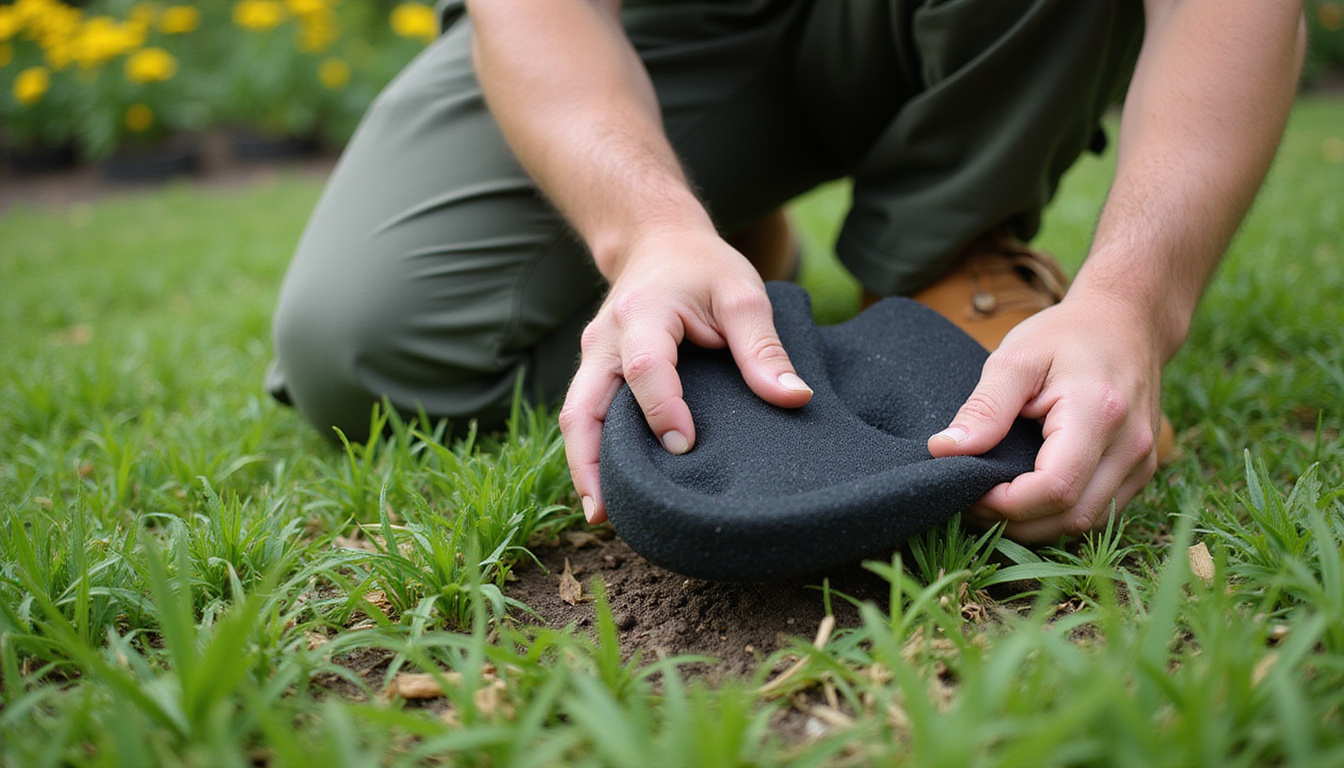
- Water-resistant or waterproof covers to keep padding from absorbing moisture
- Easy-clean surfaces—a quick wipe with a damp cloth should suffice
- Dark or patterned fabric that hides stains better than light colors
Some models use a removable cover you can wash, which is helpful if you garden in muddy or clay soils.
5. Comfort, Fit, and Ergonomics
Your kneeler should fit your body:
- Kneeling surface size: Make sure there’s enough width for your knees or lower legs, particularly if you move around while working.
- Bench height (for combo models): A typical range is about 16–19 inches. Taller gardeners or those with hip issues may prefer a higher seat.
- Handle height and angle: The easier it is to grip the handles when moving to standing, the less strain on your back and joints.
If possible, look for real-world user images or dimensions to gauge whether the kneeler suits your body type.
Best Lightweight, Padded Options to Consider
While specific availability and brands may vary, these are the general categories and features you’ll find in the best current kneeler options.
Lightweight Foam Kneeling Pad
Ideal for quick weeding, planting, and low-impact tasks.
What to look for:
- High-density EVA foam for durability
- At least 1 inch of cushioning
- A built-in carry handle
- Water-resistant properties
Why it’s good: Extremely light, inexpensive, and easy to toss in a garden bag. Many people keep one kneeler pad in the shed and another in the car for general use (camping, household chores, etc.).
Folding Garden Kneeler with Handles and Seat
The most popular style for gardeners needing extra support.
What to look for:
- Steel frame with at least 250 lb capacity (more if needed)
- Thick foam pads (about 0.8–1.2 inches) on both kneeler and seat sides
- Comfortable handle grips for standing
- Foldable design with locking mechanism
- Optional tool pouches that attach to the frame
Why it’s good: Versatility. You can kneel close to the ground for planting, then flip it to sit while pruning or taking a break. The side handles are valuable if you have knee pain or limited mobility.
Extra-Thick or Gel Cushion Kneeler
For gardeners with very sensitive knees or who work on hard surfaces.
What to look for:
- 1.5–2 inches of multi-layer foam or gel
- Non-slip bottom surface
- Waterproof or washable cover
- Balance between softness and support (too soft can cause instability)
Why it’s good: Adds an extra level of comfort, making kneeling tasks possible even for those with previous injuries or chronic joint pain. These can also double as kneelers for housework or child care.
How to Use a Kneeler Safely and Effectively
A kneeler is most helpful when used correctly and combined with good body mechanics.
- Alternate positions: Switch between kneeling, sitting, and standing to avoid overloading joints.
- Use the handles: For kneeler benches, always use both side handles to stand up, keeping your back straight and pushing through your arms and legs.
- Keep your core engaged: A slight engagement of your abdominal muscles supports your lower back.
- Avoid twisting: When kneeling, move your whole body rather than twisting from the spine to reach tools or plants.
- Take breaks: Listen to your body—stand up, stretch, and walk a bit every 20–30 minutes.
For people with osteoarthritis or knee issues, simple supports like kneelers, along with activity modification, can significantly ease symptoms (source: Arthritis Foundation).
Care and Maintenance Tips to Extend Your Kneeler’s Life
With basic care, a good kneeler can last for many seasons.
- Clean after use: Brush off soil and wipe down with a damp cloth.
- Dry completely: Especially if the kneeler got wet; store it in a dry place to prevent mildew.
- Check fasteners and joints: On folding models, periodically check screws, hinges, and any locking mechanisms.
- Avoid prolonged sun exposure: When not in use, keep your kneeler out of direct sun to prevent foam and fabrics from degrading.
- Store indoors for winter: Cold temperatures can make some plastics and foams brittle.
Who Benefits Most from a Garden Kneeler?
While every gardener can enjoy a more comfortable kneeling surface, a kneeler is especially useful for:
- Older adults who want to keep gardening independently
- Anyone with osteoarthritis, joint pain, or past knee injuries
- Gardeners working on hard surfaces like patios, stone paths, or raised beds
- People with back issues who need extra support when getting up and down
- New gardeners building a comfortable, sustainable gardening routine
If you find yourself skipping tasks like weeding or detailed planting because your knees hurt, investing in a supportive kneeler can restore both comfort and confidence.
Quick Comparison Checklist for Buying a Kneeler
Use this checklist while shopping to quickly compare options:
- Type: Foam pad, folding kneeler/seat, or heavy-duty ergonomic?
- Weight: Can you carry it comfortably around the garden?
- Padding: Material, thickness, and firmness suitable for your knees and surfaces?
- Support: Side handles or frame strong enough for you to use to stand?
- Dimensions: Adequate kneeling area and seat height for your body size?
- Durability: Frame material, weight capacity, and customer reviews?
- Maintenance: Water-resistant, easy to clean, and simple to store?
- Extras: Tool pouches, storage hooks, or removable covers?
FAQ About Garden Kneelers
Q1: What is the best kneeler for bad knees?
A folding garden kneeler and seat with sturdy side handles is typically best for bad knees. Look for thick, high-density foam padding and a steel frame with a weight capacity comfortably above your body weight so you can safely use the kneeler to push yourself up.
Q2: Are garden kneelers and seats worth it for small gardens?
Yes. Even in a small space, a compact kneeler can protect your joints and clothing. A folding kneeler seat works well in tight areas and can double as a low bench for container gardening, balcony gardens, or small raised beds.
Q3: How thick should a gardening kneeling pad be?
For most gardeners, a kneeling pad around 1–1.5 inches thick in high-density foam offers a good balance of comfort and stability. If you have very sensitive knees or work on concrete, consider a kneeler closer to 2 inches or with gel layers for added cushioning.
Choose the Right Kneeler and Enjoy Gardening Longer
The right kneeler can make gardening more comfortable, safer, and more enjoyable—especially if you struggle with joint pain or mobility. By focusing on weight, padding quality, frame strength, and ergonomics, you can find a lightweight, padded kneeler that truly supports the way you work in the garden.
Don’t let knee pain or discomfort limit your time among your plants. Take a few minutes now to compare your options and invest in a kneeler that fits your body and your garden. With the right support under you, you’ll be able to weed, plant, and prune longer—and enjoy every minute of it.
Sacred objects often carry deep cultural and spiritual meaning. Learn how these symbols relate to history, spirituality, and the human mind by exploring more articles at SpiritualMindScience.com.