Choosing a Kiddush cup is about much more than buying a beautiful object. A Kiddush cup becomes part of your Shabbat table, your holiday rituals, and your family history. It holds the wine over which you bless the day, sanctify your home, and welcome generations to the table. When selected thoughtfully, a Kiddush cup can become a meaningful heirloom—one that carries your story forward.
Below is a guide to help you choose a Kiddush cup that feels spiritually resonant, aesthetically pleasing, and durable enough to pass down.
What Is a Kiddush Cup and Why It Matters
A Kiddush cup is a special goblet or cup used to recite Kiddush, the blessing over wine or grape juice that sanctifies Shabbat and Jewish holidays. While any kosher drinking vessel can technically be used, Jewish tradition encourages using a distinguished, beautiful cup to honor the mitzvah.
A Kiddush cup often becomes:
- A weekly presence at Shabbat dinners
- A centerpiece at holiday meals
- A symbol of continuity at life-cycle events—weddings, brit milah, baby namings, and more
Because it appears at so many sacred moments, the cup you choose today may be the one your children or grandchildren remember holding as they learn the Kiddush themselves.
Spiritual and Emotional Considerations Before You Buy
Before you think about metal types or design details, consider the deeper meaning you want this Kiddush cup to carry.
Ask yourself:
-
What story do I want this cup to tell?
Is it about your family’s origins, your personal Jewish journey, or a value (like hospitality, learning, or resilience) you want to highlight? -
Who am I choosing it for?
Yourself, a couple getting married, a child for a first Kiddush, or future generations you haven’t met yet? -
What traditions do I want to reflect?
Ashkenazi, Sephardi, Mizrahi, Hasidic, modern Israeli, minimalist, or a mix? -
How do I actually celebrate?
A formal, large Shabbat table may call for a different style than a simple, intimate Friday night with a few people.
Let these questions guide you so you’re not just buying a nice-looking Kiddush cup—you’re choosing a vessel that aligns with your values and practice.
Halachic (Jewish Law) Basics for a Kiddush Cup
Different communities follow different customs, but there are some generally accepted halachic guidelines when selecting a Kiddush cup:
1. Capacity
A Kiddush cup should hold at least a revi’it of wine. Depending on the halachic opinion, this ranges from about 3 to 5 fluid ounces (90–150 ml). To be on the safe side:
- Choose a cup that holds at least 4 ounces (120 ml).
This ensures you can fulfill your obligation even in stricter interpretations.
2. Material and Integrity
Traditionally, a Kiddush cup should be:
- Whole and unbroken – no cracks or holes
- Respectable and dignified – not disposable or flimsy
- Made of a suitable material – something considered “honorable” for a mitzvah
Common materials:
- Silver (most traditional)
- Glass
- Stainless steel
- Pewter
- Ceramic
- Wood (less common, but used in some communities)
Many authorities prefer materials that don’t easily absorb flavor and are durable enough to be kept long-term (source: OU Kosher).
3. Clean and Inside Finished
The interior of the Kiddush cup should be:
- Smooth and complete – not corroded or peeling
- Clean at the time of use – free of any residue or dirt
If the metal is prone to tarnish or corrosion, make regular cleaning part of your Shabbat preparation.
Choosing the Right Material for Your Kiddush Cup
The material you choose affects the look, feel, maintenance, and longevity of your Kiddush cup. Here’s how to decide.
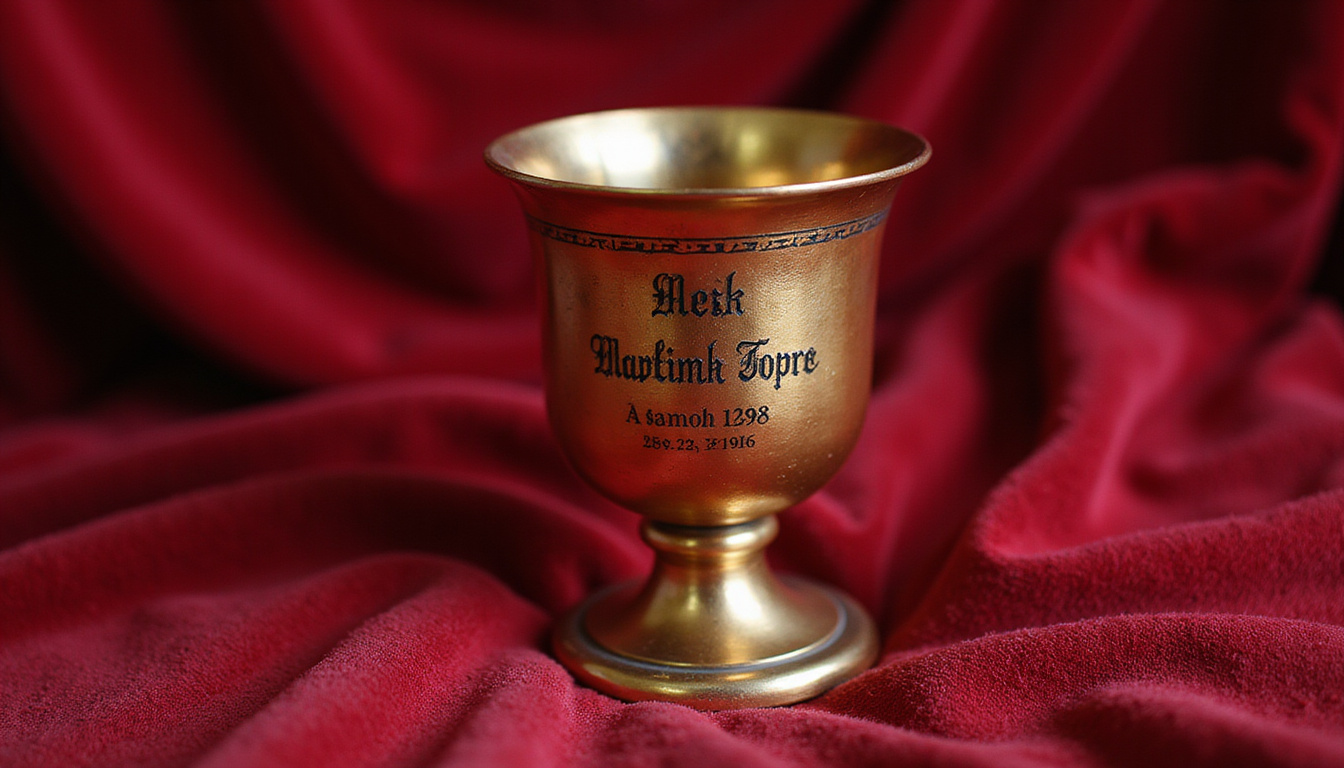
Silver Kiddush Cups
Pros:
- Classic, timeless, and deeply rooted in Jewish tradition
- Often associated with honor and beauty for mitzvot
- Comes in a vast range of styles, from ornate to ultra-modern
Cons:
- Requires periodic polishing
- Higher cost, especially for sterling silver (92.5% silver)
Silver is ideal if you’re looking for a traditional heirloom piece that can last generations with proper care.
Glass Kiddush Cups
Pros:
- You can see the wine inside – some find this symbolically meaningful
- Easy to clean and non-porous
- Range of colors and artistic styles
Cons:
- Breakable
- May not feel as “weighty” or formal as metal to some people
Glass is a good choice for modern, minimalist aesthetics or as a special-occasion or holiday Kiddush cup.
Stainless Steel
Pros:
- Very durable, stain-resistant, and low maintenance
- More affordable than silver
- Good for travel or outdoor use
Cons:
- Less traditional feel
- Fewer intricate designs compared to silver or ceramic
Stainless steel works well for families with young children or for those who prefer durability over delicacy.
Pewter and Other Alloys
Pros:
- The look of silver at a lower price point
- Often available in detailed, decorative designs
Cons:
- Quality varies; some alloys can tarnish or discolor
- Older pewter may contain lead—avoid unmarked vintage pieces for safety
If you choose pewter, buy from a reputable Judaica maker and look for lead-free markings.
Ceramic or Porcelain
Pros:
- Artistic, colorful, and customizable
- Can reflect specific cultural motifs or artists’ styles
Cons:
- More fragile
- Chips or cracks can render it unsuitable for halachic use
Ceramic Kiddush cups are perfect if you value artistry and individuality, but handle and store them carefully.
Size, Shape, and Practical Design Details
A Kiddush cup should be both beautiful and practical.
1. Size That Fits Your Ritual
Consider:
- Regular Shabbat use: A medium cup (4–6 oz) is usually ideal.
- Holidays or guests: A slightly larger cup can feel more generous.
- Children: Smaller cups are great for practice Kiddush, but make sure they still meet capacity for halachic use if needed.
2. Stability and Base
Look for:
- A wide, stable base to avoid spills
- A shape that doesn’t tip easily when held by small hands or placed on a full table
3. Comfort in Hand
- The cup should feel balanced when full.
- If possible, hold it before buying—especially for silver or heavier materials.
- The rim should be smooth and comfortable to drink from.
4. Interior Finish
For heirloom-level longevity:
- Prefer an interior that is smooth, non-porous, and food-safe.
- Some sterling silver cups are gold-washed inside to protect against wine acidity—this can extend the life of the cup.
Style and Symbolism: Making Your Kiddush Cup Personal
Here is where you infuse personality and meaning into your choice.
Traditional vs. Contemporary Design
- Traditional: Filigree, engraved grape vines, Jerusalem scenes, Hebrew inscriptions like “בורא פרי הגפן” or “זכור את יום השבת לקדשו”
- Modern: Clean lines, matte finishes, minimalist shapes, unexpected colors or materials
You might choose a design that echoes family heritage—Eastern European motifs, Middle Eastern patterns, or Israeli landscapes—or something that reflects your own taste.
Personalized and Custom Kiddush Cups
Customization can turn a Kiddush cup into a deeply personal heirloom:
- Names or initials (Hebrew or English)
- Wedding date or a special phrase
- A verse or word that reflects your values: “Shalom,” “Simcha,” “Emunah,” etc.
- Family crest or symbol
Engraving is most common on metal cups, but some artists personalize ceramic or glass as well.
Kiddush Cups for Life-Cycle Events
Different moments in life can call for different types of Kiddush cups.
Wedding Kiddush Cup
Often:
- Elegant and slightly more ornate
- Engraved with the couple’s names and wedding date
- Used under the chuppah, then for Shabbat and holidays in the new home
Some couples use a family Kiddush cup under the chuppah to symbolize continuity, then acquire their own for future use.
Baby and Children’s Kiddush Cups
For little ones:
- Choose smaller, lighter, and sturdy designs
- Consider stainless steel or thick glass for durability
- Many feature playful designs, animals, or bright colors
A child’s Kiddush cup can be their first Jewish ritual object, something they feel proud to use at the Shabbat table.
Family Heirloom Cup
When you consciously choose a “forever” Kiddush cup:
- Invest in quality craftsmanship and materials
- Prefer timeless, not overly trendy designs
- Consider documenting its story in writing for future generations: where it came from, why you chose it, and when you use it.
Caring for Your Kiddush Cup So It Lasts Generations
A Kiddush cup only becomes an heirloom if it survives long enough. Proper care is essential.
General Care Tips
- Wash soon after use to prevent staining, especially with wine.
- Use mild, non-abrasive soap and a soft cloth or sponge.
- Dry thoroughly to avoid water spots or corrosion.
Silver-Specific Care
- Store in a dry place, ideally wrapped in a soft cloth or anti-tarnish bag.
- Polish with silver polish sparingly—over-polishing can wear down details.
- Handle by the stem or base to avoid fingerprints and oils.
Glass and Ceramic Care
- Avoid extreme temperature changes (no boiling water in a cold glass cup).
- Hand-wash rather than dishwashing, especially for painted or delicate pieces.
- Check regularly for hairline cracks; if present, retire the cup from regular use.
Quick Checklist: How to Choose a Meaningful Kiddush Cup
Use this list as a guide while you shop or design:
-
Halachic suitability
- Holds at least 4 oz (120 ml)
- Whole, clean, and respectable material
-
Intention and story
- Reflects your values, history, or aspirations
- Chosen with a specific person or future generation in mind
-
Material and durability
- Silver, glass, stainless steel, ceramic, or pewter (lead-free)
- Can reasonably last decades with proper care
-
Design and personalization
- Style that feels timeless to you
- Option for engraving or custom artwork if desired
-
Practicality
- Stable base, comfortable to hold and drink from
- Easy enough to clean and maintain regularly
FAQ About Choosing a Kiddush Cup
1. What makes a Kiddush cup kosher for use on Shabbat?
A cup used for Kiddush should be whole, clean, and dignified, and it should hold at least a revi’it of wine (about 3–5 ounces). The material should be suitable for a mitzvah—commonly silver, glass, stainless steel, pewter, or ceramic. It shouldn’t be disposable or damaged.
2. Is a silver Kiddush goblet better than glass or ceramic?
Silver has a long-standing tradition and prestige in Jewish practice and is often preferred for honoring the mitzvah. However, a glass or ceramic Kiddush goblet can be just as meaningful if it’s made respectfully, used with care, and chosen with intention. The “best” cup is the one you will cherish and use consistently.
3. Can I use one Kiddush wine cup for both Shabbat and holidays?
Yes. One Kiddush wine cup can serve for Shabbat, festivals, and life-cycle events. Many families have a single, central Kiddush cup that becomes their primary heirloom. Others enjoy having different cups for different occasions (for example, a special Passover Kiddush cup or a wedding cup), but it’s a matter of custom and preference, not obligation.
A Kiddush cup holds more than wine; it holds memory, melody, and blessing. The cup you choose now may someday sit on your grandchild’s table, reminding them of your voice chanting Kiddush and your hands passing the cup around a crowded Shabbat meal.
Take the time to find or commission a Kiddush cup that feels true to your story—one that you’ll be proud to lift every week. If you’re ready to begin, start by clarifying what you want this cup to symbolize, then explore designs and materials that match that vision. When you find the one that makes you feel both honored and at home, bring it to your table and let it become part of your family’s sacred rhythm.
Sacred objects often carry deep cultural and spiritual meaning. Learn how these symbols relate to history, spirituality, and the human mind by exploring more articles at SpiritualMindScience.com.