The kamandalu—a simple water pot often seen in the hands of sages, deities, and monks—carries a depth of meaning that reaches far beyond its modest form. Traditionally crafted from materials like gourd, metal, wood, or clay, the kamandalu has long been a symbol of renunciation, purity, and spiritual discipline. Today, this ancient vessel is finding new relevance, as more people look to integrate spiritual symbolism and mindful practices into modern living.
What Is a Kamandalu?
A kamandalu is a small, portable water pot with a handle or cord, typically used by ascetics, monks, and spiritual practitioners in the Indian subcontinent. It holds water, but symbolically, it is said to hold divine grace, purity, and the essence of life itself.
Common characteristics include:
- A rounded body, often belly-shaped
- A narrow neck and a small spout or opening
- A handle or rope to carry it
- Construction from natural materials like wood, gourd, metal (copper, brass), or clay
You’ll see kamandalus prominently in Hindu, Buddhist, and Jain iconography, signifying a life of simplicity and devotion.
Historical Roots of the Kamandalu
The kamandalu has deep roots in the spiritual traditions of South Asia:
In Hinduism
- Rishis and Sadhus: Ancient sages are often depicted carrying a kamandalu, representing a wandering, renunciate lifestyle with minimal possessions.
- Deities:
- Lord Shiva is frequently shown with a kamandalu, reinforcing his ascetic nature.
- Brahma, the creator god, is also depicted with a kamandalu, symbolizing the waters of creation.
- Dattatreya, the combined form of Brahma, Vishnu, and Shiva, often bears a staff and kamandalu.
In many stories, the kamandalu holds sacred water used for rituals, blessings, and the granting of boons.
In Buddhism
In certain Buddhist traditions, monks carry a kamandalu-like vessel for water or medicinal liquids. Here, it symbolizes:
- Purity of conduct
- Simplicity
- The intention to sustain life with minimal resources
In Jainism
Jain monks (depending on their sect) may use a kamandalu for storing water used in very careful, non-violent cleaning practices, symbolizing:
- Ahimsa (non-violence)
- Careful, conscious living
- Detachment from luxury
Across these traditions, the kamandalu is a quiet but powerful sign of a life aligned with spiritual values.
Spiritual Symbolism of the Kamandalu
The outer form of the kamandalu mirrors an inner journey. Over centuries, teachers and scriptures have ascribed multiple layers of symbolism to this vessel.
1. Emptiness and Detachment
A kamandalu is often carried mostly empty. This emptiness represents the spiritual ideal of inner space—letting go of ego, expectations, and material attachments so that higher wisdom can “fill” the mind-heart.
- The empty pot is like an open, receptive mind.
- Letting go of “baggage” makes it light enough to carry anywhere, just as detachment makes life’s journey easier.
2. The Water of Life and Knowledge
When filled, the kamandalu generally holds water, representing:
- Prāṇa (life force)
- Jñāna (knowledge or wisdom)
- Amrita (nectar of immortality) in many mythological narratives
Using kamandalu water in rituals symbolizes pouring blessings, wisdom, and life energy into the world.
3. Simplicity and Contentment
The kamandalu stands for minimalism in its purest form:
- One vessel for drinking, washing, and ritual
- Made from simple, natural materials
- Owned and carried by those who renounce excess
It quietly teaches “less is more”, a message that feels especially relevant in a modern world saturated with consumerism.
4. Self-Discipline and Responsibility
Traditionally, a monk is solely responsible for maintaining and carrying the kamandalu.
This fosters:
- Self-reliance: Owning your basic needs
- Mindfulness: Never wasting water, using it consciously
- Discipline: Caring for a simple object as part of daily spiritual practice
Types of Kamandalu and Their Meanings
Though the basic form is the same, different materials lend different symbolic flavors.
Wooden Kamandalu
Often carved from a single block of wood:
- Symbolizes harmony with nature
- Favored by forest-dwelling ascetics
- Lightweight and rustic
Metal Kamandalu (Copper, Brass, Bronze)
Metal kamandalus are common in temples and household shrines:
- Copper is believed in Ayurveda to purify water and support digestive and metabolic function when used correctly (source: National Institutes of Health).
- Shine and durability symbolize clarity and steadfastness.
- Ideal for ritual use and long-term daily practice.
Gourd (Pumpkin) Kamandalu
Historically one of the earliest types:
- Made from dried bottle gourds or pumpkins
- Symbolizes transformation—from perishable food to a long-lasting vessel
- Light, biodegradable, and beautifully simple
Clay Kamandalu
- Made from earth, pointing back to our elemental origin
- Breathable and cooling for water
- Symbolizes humility and groundedness
How the Kamandalu Appears in Sacred Art and Ritual
In Iconography
Look closely at sculptures and paintings in temples or on manuscripts, and you’ll notice the kamandalu:
- In the hands of Shiva, often near his trident
- By the side of sages like Vashistha, Vishwamitra, or Agastya
- Next to Jain Tirthankaras or monks in traditional depictions
The placement is deliberate, signifying the presence of purity and renunciation near higher knowledge.
In Puja and Ceremonies
The kamandalu plays a quiet but central role in many rituals:
- Holding Ganga water or other sacred waters
- Used for abhisheka (ritual bathing of deities)
- Poured while chanting mantras for purification and blessings
In home pujas, a small kamandalu on an altar can be used to:
- Offer water to the deity
- Sprinkle blessed water around the home
- Mark beginnings of auspicious events like housewarmings or new ventures
Practical Uses of a Kamandalu in Modern Living
You don’t need to be a monk to benefit from the spirit and function of a kamandalu today. It can be integrated into modern life in surprisingly practical ways.
1. As a Mindful Water Vessel
Using a kamandalu as your daily water container can:
- Turn hydration into a conscious ritual
- Encourage you to drink water at regular intervals
- Remind you to treat water as sacred, not disposable
Every time you pour from the kamandalu, pause for a second and mentally express gratitude—this small act can shift your mindset.
2. For Home Altars and Meditation Spaces
Place a kamandalu in your sacred corner or meditation area:
- Fill it with clean water and place a small flower on the rim.
- Let it symbolize purity of intention for your practice.
- Use a few drops to touch your forehead or heart before meditation, as a simple purification ritual.
3. In Yoga and Spiritual Practice
If you practice yoga, pranayama, or mantra japa:
- Keep a kamandalu nearby to sip water between sessions.
- Let its presence act as a visual reminder of your deeper spiritual goals—simplicity, discipline, and balance.
This can help bridge the gap between physical exercise and inner spiritual focus.
4. As a Symbolic Minimalist Object
In a minimalist home:
- A single, beautifully crafted kamandalu can serve as an accent piece, replacing multiple decorative objects.
- It can stand as a daily reminder to own less and live more.
Choose materials that resonate with you—copper for cleansing, wood for natural warmth, clay for earthiness.
5. For Eco-Conscious Living
The traditional kamandalu, especially in clay, wood, or gourd:
- Is reusable and biodegradable
- Encourages conscious water use
- Can replace disposable plastic bottles in certain contexts
Adopting a kamandalu aligns with sustainable living, adding a layer of ethical meaning to its spiritual symbolism.
How to Choose the Right Kamandalu for You
When bringing a kamandalu into your home or practice, consider:
-
Purpose
- Ritual use, daily drinking water, décor, or meditation aid?
-
Material
- Copper or brass for ritual and water purification (with proper care).
- Clay for cooling water and an earthy feel.
- Wood or gourd for a rustic, traditional look.
-
Size and Weight
- Smaller sizes for altars or desk spaces.
- Larger ones for communal rituals or décor.
-
Craftsmanship
- Handmade pieces often carry more character and cultural authenticity.
- Support artisans and traditional crafts where possible.
-
Ease of Cleaning
- Ensure you can reach inside (or use bottle brushes).
- Avoid stagnant water; change it regularly.
Simple Daily Ritual with a Kamandalu
Here is a short, adaptable practice you can try:
- Fill your kamandalu in the morning with fresh, clean water.
- Hold it with both hands for a moment, and set a quiet intention for your day (e.g., “May I be calm and kind”).
- Place it on your altar or desk where you can see it.
- Sip from it mindfully 3–4 times during the day, each time taking one conscious breath.
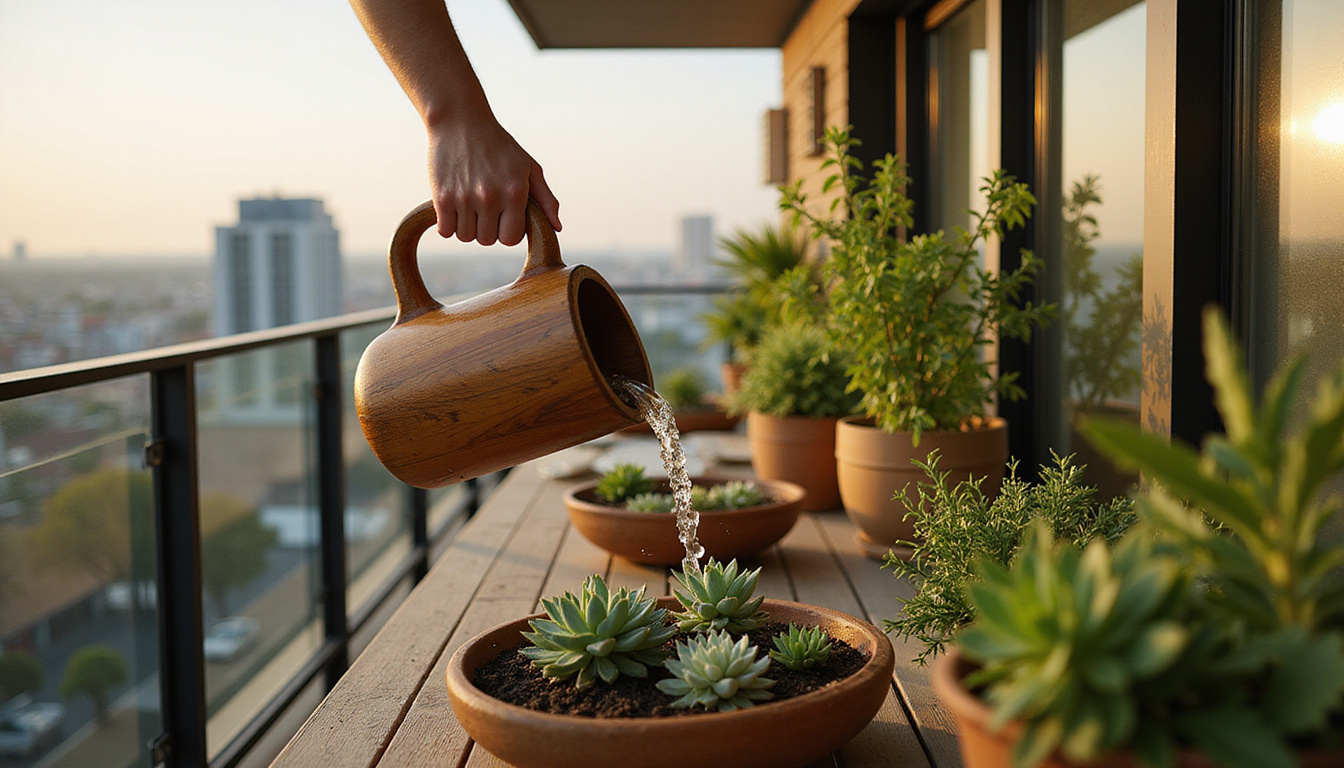
- Offer a few drops to a plant or to the earth at day’s end as a gesture of gratitude.
This five-step routine transforms a simple object into a vehicle for mindfulness and connection.
FAQ: Kamandalu and Its Modern Relevance
Q1: What is the meaning of kamandalu in Hindu spirituality?
In Hindu spirituality, the kamandalu meaning centers on renunciation, purity, and the holding of sacred waters. It symbolizes an ascetic’s choice to live with minimal possessions, to carry only what is essential, and to treat water—and by extension, life itself—as holy.
Q2: How can a kamandalu be used at home in practical ways?
Modern kamandalu uses include serving as a ritual water pot on your home altar, a mindful drinking vessel, a decorative object symbolizing simplicity, or a meditation aid. Many people keep a small kamandalu near their yoga mat or desk to remind them of presence and clarity.
Q3: Is it okay to use a copper kamandalu for drinking water daily?
Yes, many people use a copper kamandalu for drinking water, in line with traditional Ayurvedic practices. However, it’s important to:
- Keep it clean and dry when not in use
- Avoid storing highly acidic liquids inside
- Consult health guidance if you have specific medical conditions
Used properly, a copper kamandalu can combine symbolic meaning with tangible wellness benefits.
Bringing the Kamandalu into Your Life
The kamandalu may appear to be a simple vessel, but its quiet presence carries centuries of wisdom: live simply, cherish water, stay disciplined, and keep space within for higher truths. In a time of constant distraction and consumption, this ancient symbol offers a counterpoint—a reminder that depth often comes wrapped in simplicity.
If you feel drawn to its symbolism, consider adding a kamandalu to your home or spiritual practice. Start small: place one on your altar, use it for mindful drinking, or let it anchor a daily ritual of gratitude. Over time, this unassuming pot can become a focal point for inner clarity and calm.
Now is a powerful moment to reconnect with timeless symbols that support your growth. Explore different styles of kamandalu, choose one that resonates with your heart, and let it guide you toward a more centered, meaningful way of living.
Sacred objects often carry deep cultural and spiritual meaning. Learn how these symbols relate to history, spirituality, and the human mind by exploring more articles at SpiritualMindScience.com.