Tucked high in the Hindu Kush mountains of northern Pakistan, the Kalasha people preserve one of the most distinctive cultures in South Asia. From vibrant seasonal festivals to an ancient polytheistic belief system, their way of life stands apart from the predominantly Muslim communities that surround them. This guide explains who the Kalasha are, what makes their traditions unique, and how you can visit respectfully and responsibly.
Who Are the Kalasha?
The Kalasha are an indigenous ethnic and religious minority living primarily in three remote valleys—Bumburet, Rumbur, and Birir—in Chitral District, Khyber Pakhtunkhwa, Pakistan.
Key points about the Kalasha:
- Estimated population: Often cited as 3,000–4,000, though numbers vary
- Language: Kalasha-mondr, an Indo-Aryan language
- Religion: An ancient animistic and polytheistic faith
- Location: Three side valleys off the Kunar River, near the Afghan border
Their distinct clothing, wooden architecture, and religious practices have drawn the attention of anthropologists, historians, and travelers for decades. While popular legend claims descent from Alexander the Great’s soldiers, linguists and historians generally see the Kalasha as part of the broader Indo-Aryan cultural sphere (source: UNESCO).
Language and Identity
Language is central to Kalasha identity. Kalasha-mondr is:
- Part of the Dardic subgroup of Indo-Aryan languages
- Traditionally oral, with limited written literature
- Under pressure from dominant languages like Khowar and Urdu
Many Kalasha people are bilingual or trilingual, yet they invest significant pride in preserving their mother tongue. Community leaders and NGOs have begun producing primers, storybooks, and recordings to ensure the language survives for future generations.
Kalasha Religion and Core Beliefs
Unlike most communities in Pakistan, the Kalasha follow a non-Abrahamic faith characterized by:
Polytheism and Animism
The Kalasha worship multiple gods and goddesses associated with nature, the seasons, and specific domains of life. Some commonly mentioned deities include:
- Dezau / Khodai – a high creator god
- Balumain – a key figure associated with winter festivals
- Mahandeo – often linked to war and protection
- Jestak – a goddess of family and household
Nature—mountains, springs, trees, and animals—is considered alive with spiritual presence. Certain places are deemed especially sacred, such as high-altitude pastures and specific groves or springs.
The Concept of Purity
A central idea in Kalasha cosmology is the distinction between pure and impure:
- Pure (onjeshta): High pastures, altars, specific rituals, and spaces where contact with the divine is sought
- Impure (pragata): Everyday domestic activities like childbirth, menstruation, and death
Strict rules govern who can enter sacred spaces and under what circumstances. These purity concepts shape daily routines, gender roles, and religious practice.
Unique Festivals of the Kalasha
Kalasha culture is perhaps best known for its colorful festivals, many of which are tied to the agricultural calendar and changing seasons. Three major celebrations stand out.
Joshi (Chilimjusht) – Spring Festival
Held in May, Joshi marks the arrival of spring and the return of flocks from winter shelters.
Core elements:
- First taste of the new season’s milk offered to deities
- Women and girls in bright black dresses with heavy beadwork and colorful headgear
- Circle dances in the open air, accompanied by drums and flutes
- Rituals to secure fertility, prosperity, and protection from harm
Visitors often find Joshi the most accessible festival for tourism, as weather conditions are favorable and the atmosphere celebratory.
Uchau (Uchal) – Summer Harvest Festival
Uchau, usually in August, celebrates the grain and fruit harvest.
Key features:
- Offerings of newly harvested wheat, corn, and grapes
- Communal feasts featuring cheese, bread, and local produce
- Songs thanking the deities for abundance and protection
- Processions between villages and altars
The festival reflects the close connection between Kalasha livelihood and the land: agriculture, herding, and orchards.
Chaumos – Winter Solstice Festival
Chaumos is the most elaborate and sacred Kalasha festival, held in late December.
Highlights:
- Rituals centered around the winter solstice and the turning of the year
- Collective recitation of hymns and mythic stories
- Animal sacrifice and communal feasting
- Strict purity rules and restrictions on outsider participation in certain rites
Chaumos is both a spiritual renewal and a reaffirmation of Kalasha identity. While visitors may be present in the valleys, they must respect the boundaries set by the community about which rituals can be observed.
Dress, Crafts, and Daily Life
Traditional Clothing
Kalasha women are easily recognized by their distinctive dress:
- Black woolen robes (shum o guni), heavily embroidered
- Colorful bead necklaces layered across the chest
- Elaborate headpieces (shushut) decorated with shells, beads, buttons, and sometimes coins
Men today often dress similarly to neighboring communities—shalwar kameez with caps—but don traditional elements such as woolen cloaks during festivals and cold weather.
Architecture and Villages
Kalasha villages are tightly clustered settlements of:
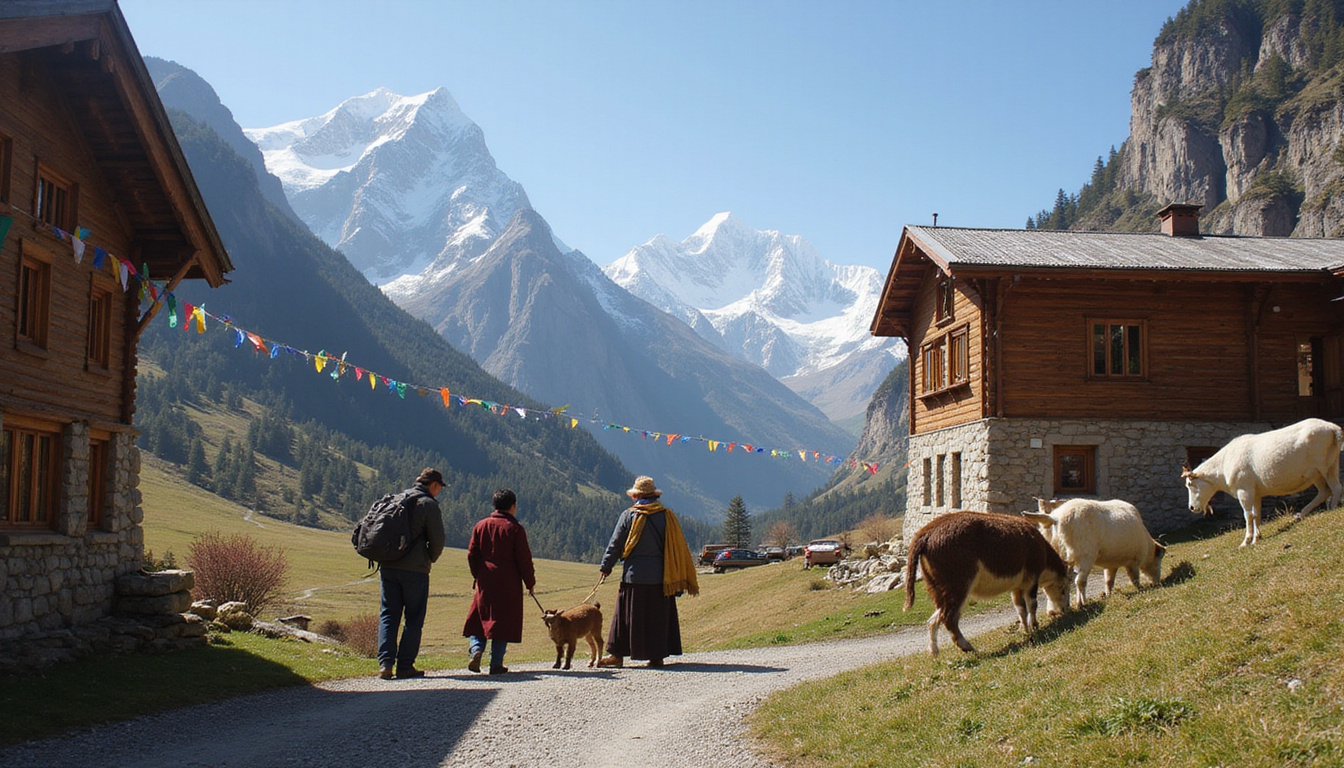
- Multi-story wooden houses built into steep slopes
- Stone foundations to withstand mountain conditions
- Rooftop spaces used for drying crops, social gatherings, and play
Communal spaces include small temples, altars, and dancing grounds, all integral to festivals and rituals.
Livelihoods
Most Kalasha families engage in mixed mountain agriculture:
- Growing maize, wheat, and vegetables on terraced fields
- Maintaining orchards of walnuts, apricots, mulberries, and grapes
- Herding goats and cows in higher pastures during summer
Tourism now contributes additional income through guiding, homestays, and handicraft sales, but remains sensitive to political and security conditions.
Social Structure, Gender, and Family Life
Community Organization
Kalasha society is organized around:
- Extended families and clans
- Village elders and councils for dispute resolution
- Strong traditions of hospitality and communal labor
Decisions about land, water use, and festival organization are often made collectively, reflecting both practical needs and deep social ties.
Gender Roles and Women’s Status
Kalasha women are highly visible in public life, especially during festivals and in agricultural work. While there are rules linked to purity—such as:
- Separate “bashali” houses for menstruating and pregnant women
- Restrictions on women entering certain shrines during specific times
women also participate actively in singing, dancing, and social events. They contribute significantly to family economies through farming, crafts, and tourism-related activities. Compared with some neighboring communities, outside observers often note a relatively open and participatory role for women in Kalasha culture, though it is still shaped by traditional norms.
Challenges to Kalasha Culture
Despite its vibrancy, Kalasha culture faces multiple threats:
- Population pressure and outmigration: Young people may leave for education or work, weakening village cohesion.
- Cultural assimilation: Dominant languages, media, and religious influences can erode traditional practices.
- Economic vulnerability: Reliance on subsistence agriculture and volatile tourism makes livelihoods precarious.
- Environmental change: Glacial melt, floods, and changing rainfall patterns threaten fields and infrastructure.
Local organizations and some national and international NGOs are working on language documentation, educational support, and cultural preservation. UNESCO has recognized “Kalasha culture” on Pakistan’s National Inventory of Intangible Cultural Heritage, which helps draw attention to their situation.
How to Visit the Kalasha Valleys
For travelers interested in experiencing the world of the Kalasha, thoughtful planning and respectful behavior are essential.
Getting There
Most visitors reach the Kalasha valleys via:
- Flight or drive to Chitral town
- Road journey (jeep or car) to Ayun
- From Ayun, branching into Bumburet, Rumbur, or Birir by narrow mountain roads
Road conditions and security situations can change, so always check:
- Local travel advisories
- Current road and weather reports
- Requirements for foreign tourists (permits can change over time)
When to Go
- May (Joshi): Best for seeing spring festivals and pleasant weather
- August (Uchau): Harvest season with lush scenery
- December (Chaumos): Deep cultural experience but challenging cold and limited accessibility
Outside festival times, the valleys are quieter, allowing more in-depth interaction with families and less crowding.
Where to Stay
Options typically include:
- Local guesthouses in Bumburet (more developed)
- Homestays organized through local guides or NGOs
- Simpler accommodations in Rumbur and Birir, for more rustic experiences
Choosing Kalasha-run lodging helps ensure tourism revenue supports the community directly.
Respectful Behavior and Cultural Etiquette
Kalasha culture is hospitable, but also deeply rooted in religious and social rules. To be a welcome guest:
- Ask before photographing people, especially women, religious sites, and rituals.
- Dress modestly: Long trousers, covered shoulders, and non-revealing clothing.
- Observe purity rules: Do not enter shrines or sacred spaces without explicit invitation or guidance.
- Respect gender spaces: Never attempt to visit women’s “bashali” houses; they are restricted areas.
- Avoid alcohol in public unless specifically offered; contexts differ from place to place.
- Listen more than you speak about religion and politics; avoid proselytizing or debates.
Engaging with guides from the Kalasha community helps you understand what is and is not appropriate in different situations.
Practical Travel Tips for the Kalasha Valleys
Before you travel, plan for:
-
Health and safety
- Carry basic medicines and a first-aid kit.
- Confirm if you need special permits or police registration.
- Monitor local security advisories.
-
Gear and clothing
- Sturdy walking shoes; many paths are steep and uneven.
- Warm layers, even in summer evenings; winters are very cold.
- A flashlight or headlamp; power cuts are common.
-
Money and connectivity
- Bring sufficient cash; ATMs may be unavailable or unreliable in the valleys.
- Internet and mobile coverage can be weak or intermittent.
-
Guides and language
- Hiring a local guide enhances both access and understanding.
- Basic Urdu helps, but many Kalasha and nearby Khowar speakers now know some English.
How to Support the Kalasha Community
Responsible travel to Kalasha valleys can be a positive force. Consider:
- Staying in Kalasha-owned guesthouses or homestays
- Buying local handicrafts, such as beadwork and embroidered items
- Using community-based guides and services
- Supporting or donating to reputable organizations working on education, language preservation, and women’s initiatives
- Sharing accurate, respectful information about Kalasha culture when you return
Such choices help sustain cultural practices, provide economic stability, and give the community more control over how their culture is represented.
FAQ About the Kalasha People
1. Who are the Kalasha people of Pakistan?
The Kalasha are an indigenous ethnic and religious minority living in three valleys—Bumburet, Rumbur, and Birir—in Pakistan’s Chitral District. They have their own language, Kalasha-mondr, and practice an ancient polytheistic religion distinct from the Muslim majority around them.
2. What is special about Kalasha culture and religion?
Kalasha culture is known for its colorful dress, wooden architecture, and rich cycle of festivals like Joshi, Uchau, and Chaumos. Their religion combines polytheism and animism, with strong ideas about purity and sacred space that guide daily life, ceremonies, and social organization.
3. Can tourists visit the Kalasha valleys, and how should they behave?
Yes, tourists can visit the Kalasha valleys, especially Bumburet which has more facilities. Visitors should travel with local guidance, dress modestly, ask permission before taking photos, and respect religious sites and rules—especially around shrines, women’s spaces, and ongoing rituals.
Curiosity about the Kalasha often begins with a striking image or a brief documentary clip, but the real depth of their culture can only be appreciated through careful learning and respectful encounters. If you’re planning a trip, start mapping out your route, connecting with local guides, and brushing up on the values and customs that shape Kalasha life. By approaching the valleys as a student rather than a spectator, you’ll not only have a richer experience—you’ll also help ensure that this remarkable culture continues to thrive for generations to come.
Sacred objects often carry deep cultural and spiritual meaning. Learn how these symbols relate to history, spirituality, and the human mind by exploring more articles at SpiritualMindScience.com.