If you’ve ever avoided opening an umbrella indoors or felt weird about putting new shoes on the table, you’re already living with household superstitions—whether you admit it or not. These quiet little beliefs sneak into your habits, shape your choices, and sometimes even dictate the order of your day. Many of them are so deeply woven into family routines and cultural norms that you follow them automatically, without asking where they came from or why they feel so powerful.
Let’s pull back the curtain on the everyday rituals that might be running your life more than you realize.
What Are Household Superstitions, Really?
Household superstitions are beliefs and practices tied to luck, protection, or omens that revolve around the home and daily living. They aren’t official rules, but they often feel like they are—passed down from parents, grandparents, and community traditions.
Common traits include:
- They usually don’t have a scientific basis.
- They’re often connected to fear (of bad luck, illness, or misfortune) or hope (for prosperity, love, or protection).
- They show up as “rules” about cleaning, cooking, sleeping, and how you organize your space.
In practice, they become small “micro-rules” for daily life. You might not believe in them 100%, but you also don’t want to risk ignoring them—just in case.
Morning Routines: Superstitions Before You Leave the House
The moment you wake up, household superstitions can start to shape your choices, often automatically.
Which Foot Touches the Floor First
In many cultures, getting out of bed with your “right foot first” is said to bring good luck for the day. The “wrong” foot is connected to clumsiness, arguments, or bad news.
How this controls your routine:
- You may pause for a second in the morning to make sure you step down with the “right” foot.
- That tiny pause reinforces the idea that the tone of your whole day can be set in a single movement.
Making the Bed (or Not)
For some, leaving the bed unmade is considered sloppy; for others, it’s “bad energy” or even “inviting bad dreams.” Superstitions around beds can include:
- Never sitting on a made bed in outdoor clothes.
- Not sleeping with feet toward the bedroom door (“the coffin position” in some traditions).
- Avoiding mirrors that reflect the bed directly, believed to cause poor sleep or spiritual disturbances.
These ideas can shape where you place furniture, how you decorate, and how rigidly you stick to a morning tidying ritual.
Knocking on Wood Before You Step Out
The habit of “knocking on wood” to prevent bad luck—especially after saying something optimistic—is so common it barely feels like a superstition. Yet every time you do it before leaving home (about your commute, the weather, your exam, or an interview), you’re expressing a deep-seated belief that small acts can “protect” your day from jinxing.
Kitchen Myths: Cooking, Cleaning, and “Inviting” Luck
The kitchen is often the heart of household superstitions, because it touches food, health, money, and family life—all powerful emotional zones.
Salt: Spilling, Throwing, and Protecting
Salt has long been considered valuable and symbolically powerful (the word “salary” even comes from the Latin for salt). Common salt-related beliefs:
- Spilling salt brings bad luck.
- Throwing a pinch over your left shoulder cancels that bad luck.
- Keeping salt and sugar in the home ensures you’ll never be “truly poor.”
How this shapes behavior:
- You might reflexively toss salt over your shoulder, even if you don’t fully “believe.”
- You hesitate before throwing out old salt, or you make sure there’s always some in the pantry “just in case.”
Whistling in the Kitchen
In some traditions, especially in parts of Eastern Europe and Russia, whistling indoors—especially in the kitchen—is said to “whistle away your money.” So you might:
- Stop yourself from humming or whistling while cooking.
- Chastise kids for making noise in the kitchen, with “we’ll lose all our money!” as the exaggerated warning.
Even if rationally you know better, the association of whistling with lost finances can still feel uncomfortably “wrong.”
Bread and Knives: How You Handle Food
Other common cooking-related superstitions include:
- Never placing bread upside down on the table—seen as disrespectful or inviting misfortune.
- Not handing someone a knife directly (you set it down for them to pick up), to “avoid cutting the relationship.”
- Not crossing knives on the counter, believed to invite conflict.
You might follow your family’s “rules” on these without ever thinking of them as superstitions; they just feel like the “right” way to behave.
Cleaning Rituals: Is It Hygiene or Hidden Belief?
Plenty of cleaning routines are based on logic and hygiene. But some are driven more by household lore than by science.
Sweeping After Dark
In many cultures (including parts of Asia, Latin America, and Eastern Europe), sweeping the floor at night is thought to:
- Sweep away money, luck, or blessings.
- Bring poverty or misfortune into the home.
Result: You might avoid sweeping or taking out the trash after sunset, even if it’s inconvenient. Your cleaning schedule gets shaped by a belief that luck can be literally swept out the door.
New Year and “First-Day” Cleaning Rules
Some people refuse to:
- Wash clothes.
- Take out the trash.
- Sweep or mop.
on the first day of the year—or sometimes on birthdays and major holidays. The belief: you’ll be “washing away” your good fortune for the coming year.
This can lead to frantic day-before cleaning marathons, and a surprisingly rigid rhythm to your calendar.
Brooms and Bad Luck
Strange-sounding but common beliefs include:
- Never stepping over a broom—said to cause arguments or bad luck.
- Not using a broom from a previous home in your new home (you “bring the old problems with you”).
- Avoiding letting the broom bristles touch your feet, especially if you’re unmarried; in some traditions, this means you’ll “never marry” or will have strained relationships.
So the humble broom becomes a quiet enforcer of certain habits and taboos.
Doors, Thresholds, and Entrances: The “Border” Superstitions
In folklore, thresholds are powerful: they’re the border between your safe, private world and the unpredictable outside. No wonder so many household superstitions cluster around doors and entryways.
Don’t Hand Things Across the Threshold
In many regions, it’s considered bad luck to:
- Shake hands across the threshold.
- Hand money or items to someone standing in the doorway.
You might unconsciously step fully inside before giving something—or invite someone in before taking their bag or coat. This slows down interactions and shapes a ritual around entering and leaving.
Never Return Home After Leaving (Without a Ritual)
Some people believe that if you forget something and have to come back after leaving, it’s bad luck—unless you:
- Look in the mirror.
- Sit down briefly.
- Turn around three times.
- Touch a particular object (like keys or a table).
These little routines can delay your departure, make you anxious when you’re in a rush, and force you into micro-rituals that “reset” your outing.
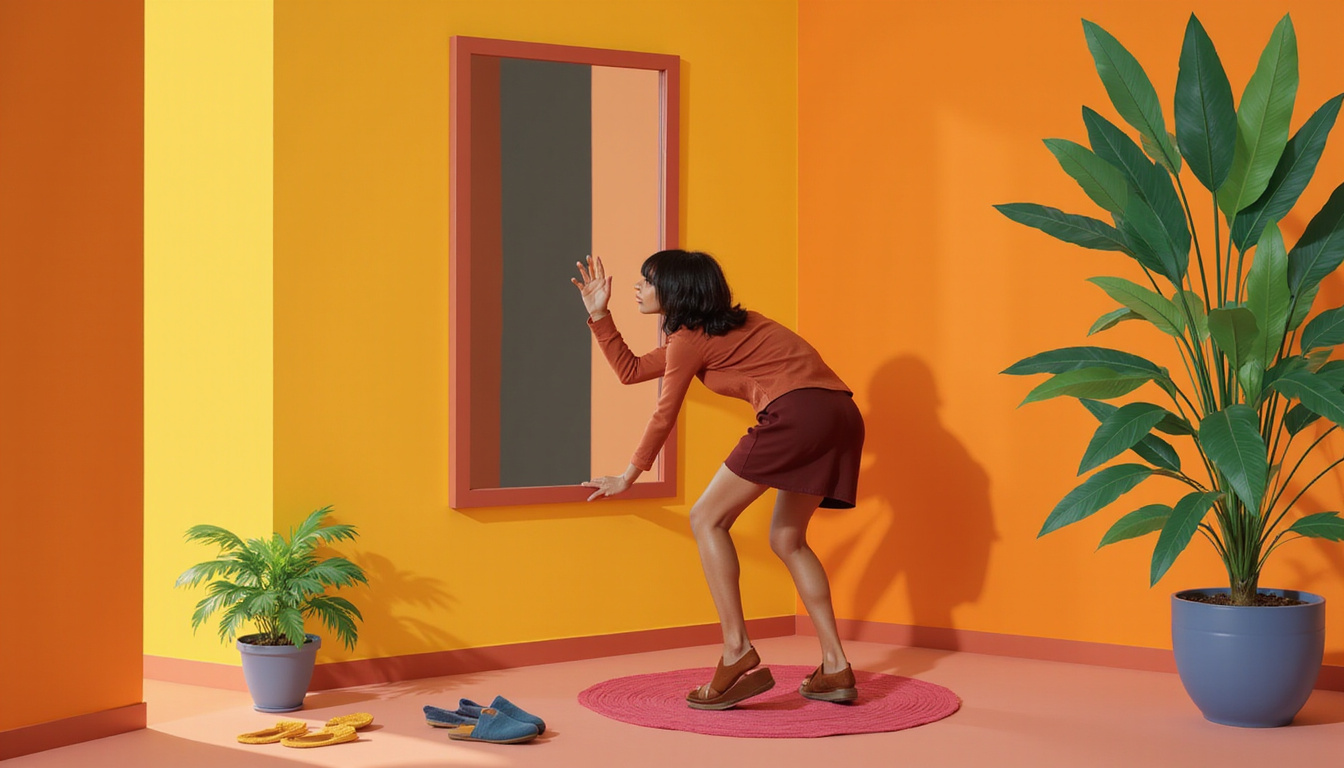
Objects You Keep (or Avoid) Because of Superstition
Certain objects around the home come with heavy symbolic baggage. You may be subtly arranging or choosing items to follow old beliefs from your culture or family.
Mirrors: Cracks, Placement, and Covering Them
Common mirror-related superstitions:
- Breaking a mirror brings seven years of bad luck.
- You shouldn’t keep a broken or cracked mirror in the house.
- Covering mirrors during mourning to avoid trapping the soul or inviting spirits.
- Not placing a mirror directly opposite the front door, to avoid “bouncing out” wealth or energy.
These beliefs can affect:
- Where you hang mirrors.
- How quickly you replace a damaged one.
- How you treat mirrors during emotionally intense periods like funerals.
Indoor Plants and Numbers
Plants can carry symbolic meanings:
- Dead or dying plants might be seen as bad omens, not just bad decor.
- Certain plants (like money plant, bamboo, jade) are associated with wealth and prosperity.
- Some cultures avoid specific numbers of flowers (e.g., even numbers for funerals only).
Your choice to buy or discard specific plants, or arrange flowers in particular quantities, might be driven by more than just aesthetics.
Clocks and Time-Related Taboos
In some East Asian traditions, giving a clock as a gift is taboo—it resembles a phrase about attending a funeral. A broken clock stopped at a particular time can be interpreted as an omen.
Result:
- You may avoid gifting clocks or watches.
- You might feel uneasy about a stopped clock and rush to fix or remove it.
Why We Still Follow Household Superstitions (Even If We’re “Rational”)
Psychologists suggest several reasons we keep following these patterns:
-
Sense of Control
Superstitions give a feeling of control over random events. When life feels uncertain, small rituals provide comfort and predictability (source: American Psychological Association). -
Cultural Belonging and Identity
Household superstitions often come from parents and grandparents. Following them can feel like honoring family and staying connected to your roots. -
Cognitive Biases
We remember the times “it worked” and forget the times it didn’t. If you threw salt and something bad didn’t happen, your brain logs that as proof. -
Low Cost, High Emotional Payoff
Many rituals are quick and easy—knocking on wood, not whistling, avoiding certain actions. Even if the belief is weak, the emotional payoff (“why risk it?”) is high.
In short, these beliefs persist not because they’re logical, but because they’re emotionally efficient.
How to Live With (or Without) Your Household Superstitions
You don’t need to become a strict skeptic or a total believer. Many people find a middle path that respects tradition without feeling controlled by it.
Here are a few options:
-
Identify your own superstitions.
Notice the little “rules” you follow at home. Which ones did you inherit from family? -
Ask where they came from.
Exploring the story behind a ritual can be fascinating—and can either reinforce or weaken your attachment to it. -
Decide which ones serve you.
Some rituals bring comfort or structure (like tidying before bed); others create anxiety or inconvenience. -
Transform them into positive habits.
For example, instead of fearing sweeping at night, turn it into a mindful closing ritual if it genuinely helps you relax. -
Respect others’ beliefs in shared spaces.
Household superstitions often matter deeply to older relatives. Even if you don’t share the belief, respecting it can maintain harmony.
FAQ: Common Questions About Household Superstitions
1. Why are household superstitions about cleaning and sweeping so common?
Cleaning superstitions are widespread because sweeping, washing, and throwing things out are symbolically connected to “removing” energy, luck, or problems. Many cultures turned practical chores into rituals meant to protect wealth, health, and family harmony, which is why sweeping, trash, and laundry often come with superstitious rules.
2. Are home and household good luck rituals harmful or helpful?
Most home good-luck rituals are harmless and can be psychologically helpful if they make you feel calm, focused, or connected to your heritage. They become problematic only when they cause intense anxiety, limit your daily life, or replace practical action (for example, relying on a charm instead of seeing a doctor or managing finances).
3. How can I explain my family’s house superstitions to kids without scaring them?
Frame your household superstitions as “family traditions” or “stories from our culture,” not absolute laws. Share the history or meaning behind them, make it clear people believe different things, and emphasize kindness, safety, and critical thinking over fear or punishment.
Let Your Home Rituals Work For You, Not Against You
Your daily routine is probably shaped by more beliefs than you realize: where you place the mirror, when you sweep, how you handle salt, which way you step out of bed. These household superstitions can be charming links to your past and culture—or invisible rules that stress you out and box you in.
Take a few minutes to notice the “little rules” running your home. Which make you feel safe, grounded, and connected? Which feel outdated or anxiety‑driven?
Start consciously choosing which traditions you’ll keep, update, or retire. Turn your home into a place where rituals support your well-being instead of secretly controlling your every move—and if you found this helpful, share it with someone whose home is full of quirky “rules” that deserve a second look.
Cultural superstitions have shaped traditions and beliefs for generations. Explore the psychology, cultural history, and science behind these fascinating practices at SpiritualMindScience.com.