For centuries, holy water has been used in homes, places of worship, and personal spiritual practices around the world. Whether you grew up seeing holy water at church entrances or you’ve only heard about it in movies, there’s far more to it than quick blessings and dramatic exorcism scenes. From symbolic rituals to everyday uses and even safety considerations, understanding what holy water is—and what it isn’t—can help you approach it with both respect and common sense.
What Is Holy Water, Really?
At its simplest, holy water is ordinary water that has been blessed by a religious figure or through a specific ritual. It’s most commonly associated with Christian traditions—especially Catholic, Orthodox, and some Anglican and Lutheran churches—but variations exist across many faiths.
Key elements that usually define holy water:
- Water as a symbol – Represents cleansing, life, rebirth, and divine presence.
- Blessing or consecration – A priest, monk, or spiritual leader blesses the water with prayers and sometimes specific gestures.
- Often includes salt or other elements – In many traditions, exorcised or blessed salt is added as a symbol of preservation and protection.
The meaning is not in the chemistry of the liquid itself but in the spiritual intention and ritual behind it.
A Brief History of Holy Water Across Traditions
While holy water is strongly connected to Christianity in the popular imagination, the practice of blessing water is much older and more widespread.
Early Religious Roots
-
Ancient Judaism
Ritual washings and purification baths (mikveh) used water for cleansing from ritual impurity, foreshadowing later Christian practices. -
Greco-Roman world
Sacred springs and temples used water for purification before worship. Water was often associated with specific gods or spirits. -
Other cultures
Many Indigenous and Eastern traditions view rivers, springs, and rain as sacred gifts from the divine or from nature spirits.
Christian Development of Holy Water
In Christianity, holy water evolved as a way to:
- Recall baptism and spiritual rebirth
- Prepare believers before prayer or worship
- Bless homes, objects, and even fields and animals
By the early centuries of the Church, fonts of holy water at church entrances were already common. Today, holy water is still used in sacraments, blessings, and various devotions (source: Catechism of the Catholic Church).
How Holy Water Is Made: The Blessing Ritual
The exact ritual differs by denomination and culture, but most follow a recognizable pattern.
Common Elements in Blessing Holy Water
-
Prayer of blessing
A priest or spiritual leader prays that God (or the divine) will bless the water for a specific purpose—often protection, cleansing, or healing. -
Sign of the cross or symbolic gesture
In Christian traditions, the sign of the cross is traced over the water. In other religions, mudrās, mantras, or other sacred gestures may be used. -
Addition of salt (sometimes)
Particularly in Catholic and Orthodox traditions, blessed or exorcised salt is mixed into the water as a symbol of preservation and protection. -
Exorcism prayers (in some rites)
Traditional Catholic blessings sometimes include prayers asking God to drive away evil influences connected to the water or those who use it.
From a practical perspective, the water remains chemically water; from a spiritual perspective, believers see it as set apart for holy use.
Common Ritual Uses of Holy Water
Holy water isn’t just for rare occasions. In many traditions, it shows up in everyday rituals meant to bring spiritual awareness into ordinary life.
1. Blessing Yourself When Entering a Church
Dipping your fingers into a holy water font and making the sign of the cross is a way to:
- Recall your baptismal identity
- Prepare your mind and heart for worship
- Ask for protection and cleansing from sin
Even people who aren’t regular church-goers sometimes find this simple gesture grounding and calming.
2. Blessing Homes and Living Spaces
Many people keep a small bottle of holy water at home to:
- Bless doorways and windows
- Pray for protection over the household
- Mark a new home, a child’s bedroom, or a workspace
Some invite a priest or pastor to perform a formal house blessing, which often includes sprinkling holy water and reading Scripture or prayers.
3. Baptisms and Renewals of Faith
In Christian baptisms, holy water symbolizes:
- Washing away of sin
- Rebirth into a new life in Christ
- Entry into the community of believers
Later in life, people may renew their baptismal promises using holy water during Easter or other special liturgies.
4. Blessing Objects and Devotional Items
Rosaries, icons, crucifixes, medals, and even vehicles are sometimes blessed using holy water. The belief is not that the objects become “magical,” but that:
- They are set apart for a sacred purpose
- They become reminders of God’s presence and protection
Surprising Personal and Emotional Benefits
Even if you’re not deeply religious, the rituals surrounding holy water can offer psychological and emotional benefits.
A Tangible Focus for Prayer and Intention
Humans are physical beings; using your senses often deepens mental and spiritual practices. Sprinkling or touching holy water can:
- Help you focus during prayer
- Anchor abstract beliefs in concrete action
- Mark transitions (e.g., starting your day, going to bed, leaving home)
Comfort in Times of Anxiety or Fear
For many, holy water serves as a source of comfort when they feel:
- Spiritually vulnerable
- Anxious or fearful
- Overwhelmed by life changes
The ritual—more than the liquid itself—creates a sense of safety, meaning, and connection to something greater.
Strengthening Identity and Belonging
Practices involving holy water can:
- Reinforce a sense of belonging to a faith community
- Connect generations (grandparents blessing children, traditional family rituals)
- Mark important life moments like moving, illness, or milestones
How to Use Holy Water at Home (Respectfully)
If you decide to bring holy water into your personal practice, use it with intention and respect, not superstition or fear.
Here are some practical ways people use holy water at home:
-
Morning or evening blessing
Trace a small cross on your forehead with a drop of holy water as you say a short prayer for guidance or protection. -
Blessing children or loved ones
Parents sometimes bless their children before school or bedtime using holy water and a simple, heartfelt prayer. -
Marking transitions
Use holy water when starting a new job, moving into a new home, or beginning a difficult project as a way to invite grace and peace. -
Sacred space maintenance
Occasionally sprinkle holy water in rooms where you pray or reflect, as a symbolic reminder that that space is dedicated to peace and truth.
Safety Tips: Can Holy Water Go Bad?
Because it’s still water, holy water raises a practical question: Is it safe? The answer depends on how it’s stored and used.
Does Holy Water Expire?
Holy water doesn’t have an official “expiration date,” but:
- It can become contaminated with bacteria over time.
- Open fonts in churches are especially at risk due to frequent contact.
Some churches now change holy water regularly or use small, covered containers to reduce contamination risks.
Safety Tips for Using Holy Water
To keep your use of holy water both respectful and safe:
-
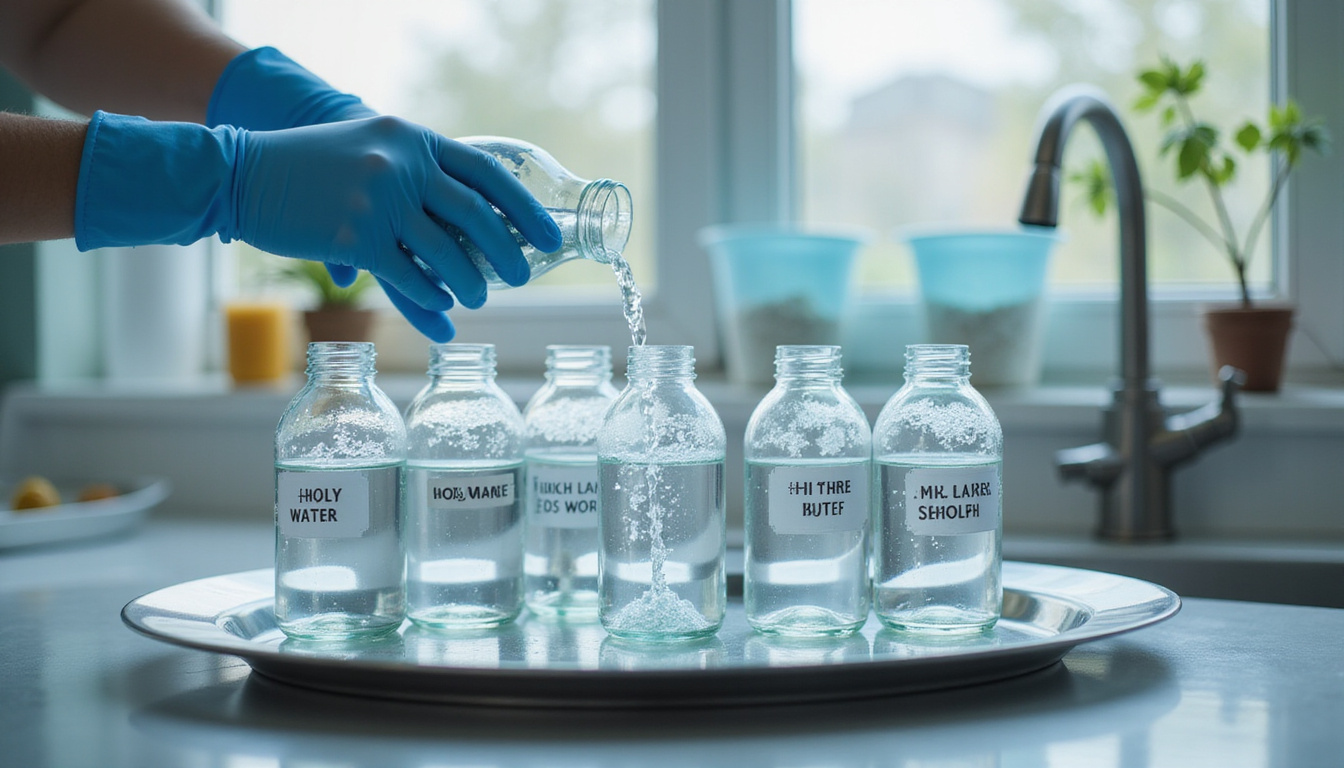
Use a clean container
Store holy water in a sealed, food-grade bottle or glass container. -
Label it clearly
Mark it as “holy water” to avoid confusion and careless use. -
Avoid drinking shared holy water
Many traditions strongly discourage or forbid drinking from large fonts because of hygiene concerns. -
Replace it periodically
If the water looks cloudy, smells off, or has been exposed to dirt or frequent handling, respectfully dispose of it and obtain fresh holy water.
How to Dispose of Holy Water Properly
Because holy water is considered blessed, many traditions recommend:
- Pouring it directly into the earth, not down a drain or toilet
- Alternatively, pouring it on a plant or garden as a sign of life and respect
If in doubt, ask a local priest, pastor, or spiritual leader how they recommend disposing of holy water in your specific tradition.
Misconceptions and Superstitions About Holy Water
Holy water often attracts myths and Hollywood-style exaggerations. A few clarifications:
-
It’s not a magic potion.
Believers hold that any spiritual effect comes from God or the divine, not from water as a stand-alone force. -
It doesn’t replace medicine or therapy.
Holy water can be part of a holistic approach to well-being—spiritual, emotional, and psychological—but it should never be used instead of appropriate medical care. -
It’s not limited to exorcisms.
While exorcism rituals may involve holy water, that’s a very small and specialized part of its overall use.
The healthiest approach sees holy water as a symbolic tool that supports faith, not as a superstition or guarantee of specific outcomes.
Respecting the Sacred: Etiquette Around Holy Water
Even if you’re simply curious, it’s important to handle holy water in ways that honor the beliefs of those who hold it sacred.
Basic etiquette includes:
-
Ask before taking.
If you’re visiting a church or temple, ask staff or clergy where you may obtain holy water and how they expect it to be used. -
Avoid using it as a joke or prop.
Treat holy water with the same respect you’d give any religious object, even if you don’t share the belief. -
Store it appropriately.
Don’t leave bottles of holy water in places where they could be knocked over, stepped on, or treated casually.
Respect goes a long way in interfaith understanding and in keeping sacred practices meaningful.
FAQ: Common Questions About Holy Water
1. What is holy water used for in everyday life?
Holy water is used for personal blessings, entering and leaving churches, blessing homes and objects, and recalling baptism. Many people use it as a physical reminder of God’s presence and protection in daily routines.
2. Is it safe to drink blessed holy water?
In many traditions, small amounts of blessed water from a clean, well-stored container may be consumed as part of specific devotions. However, drinking from public holy water fonts is usually discouraged because of hygiene risks. When in doubt, consult clergy from your faith community.
3. Can you make holy water at home yourself?
Some Christian communities teach that only clergy can properly bless holy water, while others allow laypeople to pray over water at home. If you want authentic church holy water, your best approach is to ask at a local parish or congregation for their specific teaching and practice.
Bringing Holy Water Into Your Spiritual Life
Holy water bridges the gap between the physical and the spiritual: simple water, yet rich with meaning for millions of believers. Whether you’re exploring it out of curiosity, looking to deepen your spiritual life, or trying to reconnect with traditions from your childhood, holy water can become a powerful symbol of cleansing, protection, and belonging.
If you feel drawn to include holy water in your life, visit a local church or talk with a trusted spiritual leader. Ask about their traditions, how they bless holy water, and how you can use it respectfully and safely at home. A simple step—like filling a small bottle or blessing your doorway—might open the door to a deeper, more grounded spiritual practice starting today.
Sacred objects often carry deep cultural and spiritual meaning. Learn how these symbols relate to history, spirituality, and the human mind by exploring more articles at SpiritualMindScience.com.