Hauntings have fascinated people for centuries, especially in old houses and historic hotels where the past can feel unusually close. Whether you’re a curious skeptic, a sensitive believer, or simply someone who wants to understand what might be going on in a strange building, learning how to detect possible spirits can help you separate normal, explainable events from truly mysterious experiences.
Below, we’ll explore common signs of hauntings, how to investigate them safely and respectfully, and when to call in professional help.
What Are Hauntings, Really?
In everyday language, hauntings are believed to occur when a place seems occupied or influenced by spirits, ghosts, or residual energies from past events. Reports of paranormal activity are especially common in:
- Century-old homes with layered history
- Historic inns and bed-and-breakfasts
- Grand hotels that have hosted famous figures
- Former hospitals, asylums, or battlefields converted into lodging
Researchers in parapsychology and psychology have suggested that many haunting reports may be linked to environmental factors (like infrasound, mold, or drafts), psychological priming, and cultural beliefs (source: British Psychological Society). Still, millions of people worldwide report experiences they consider genuinely supernatural.
Approach hauntings with two mindsets at once: open curiosity and careful critical thinking.
Common Signs of Hauntings in Old Houses and Hotels
Not every creak, cold spot, or flickering light means a place is haunted. Old structures are naturally drafty, imperfect, and noisy. That said, some patterns surface again and again in alleged hauntings.
1. Unexplained Sounds
Old buildings produce plenty of natural sounds—pipes expanding, wood settling, elevators and plumbing at night. What stands out in claimed hauntings are sounds that seem purposeful or responsive:
- Footsteps in empty halls or above you when no one is upstairs
- Knocking that seems to occur in patterns or answer questions
- Doors closing or opening when they’re known to be latched
- Whispers, voices, or faint conversations with no visible source
Before leaping to a paranormal conclusion, consider: other guests, staff, neighboring buildings, animals in the walls, and plumbing noises.
2. Cold Spots and Environmental Changes
Many people associate hauntings with dramatic temperature drops or “cold spots” that feel localized:
- A sudden chill in a specific corner of a room
- Notable drop in temperature when you enter a particular hallway
- Brief gusts of cold air with no apparent draft or window nearby
Old windows, poor insulation, and old HVAC systems can cause similar sensations. Still, if the coldness is very localized and seems to appear and disappear quickly, some people interpret it as an energetic disturbance attributed to spirits.
3. Unusual Electrical and Light Activity
Old houses and hotels often come with aging wiring, so flickering lights and strange electrical behavior have mundane causes. However, there are reports that stand out:
- Lights turning on or off by themselves without faulty switches
- Electronics (TVs, radios, alarms) powering on or changing channels
- Batteries draining unusually fast only in one room or area
Before labeling this paranormal, it’s wise to ask building maintenance about known electrical issues and check whether any devices have timers or motion-sensors.
4. Apparitions and Shadow Figures
The most dramatic sign of possible hauntings is the appearance of full or partial apparitions:
- Transparent or misty human-like forms
- Distinct shadows moving independently of light sources
- Figures seen peripherally that vanish when looked at directly
Visual perception can be easily tricked by low light, fatigue, and expectation. But when multiple witnesses describe similar apparitions independently over time, these accounts become central to the building’s haunting reputation.
5. Physical Sensations and Touch
Some guests and residents describe physical experiences that feel directed or intentional:
- The sensation of being watched, especially in specific rooms
- Light touches, tugs on clothing, or hair brushing
- Pressure on the bed, as if someone sat down or lay beside them
Before assuming hauntings, rule out medical issues (such as sleep paralysis), anxiety, and environmental factors like vibrating appliances or nearby street traffic.
6. Objects Moving or Disappearing
Reports of objects shifting on their own are common in alleged hauntings:
- Keys, jewelry, or small items disappearing and reappearing in odd places
- Doors or cabinets opening on their own
- Items sliding off shelves where they seemed stable
Gravity, slanted floors, vibrations, and human forgetfulness are frequent culprits. Still, repeated, specific, and witnessed movements are harder to dismiss.
How to Systematically Investigate Possible Hauntings
Whether you’re staying overnight in a reputedly haunted hotel or living in an old house with unexplained activity, you can approach the situation as a calm, methodical investigator.
Step 1: Document Everything
Start by keeping a detailed record. This helps distinguish patterns from random events.
- Use a notebook or note app: Log dates, times, locations, weather, and what happened.
- Include who was present and their physical/emotional state (tired, stressed, etc.).
- Note potential natural causes: storms, nearby construction, appliances running.
Over time, you may see patterns: activity clustering around certain rooms, times (like 3–4 a.m.), or emotional events in the household.
Step 2: Rule Out Natural Explanations
Most reported hauntings have at least partial natural explanations. Systematically investigate:
-
Structural issues
- Check for loose floorboards, sagging ceilings, or wall gaps that create noises and drafts.
- Inspect windows and doors for misalignment causing slams and rattles.
-
Plumbing and HVAC
- Pipes can bang, whine, or “knock” when water flows or temperatures shift.
- Vents can cause localized cold spots or strange whistling sounds.
-
Animals and insects
- Mice, squirrels, raccoons, and birds in walls or attics can sound eerily human.
- Scratching, scampering, or thumping is often wildlife, not hauntings.
-
Electrical systems
- Have an electrician evaluate old wiring, outlets, and light fixtures.
- Ask hotel staff if lighting or fire alarms are known to malfunction.
Once you’ve checked practical causes, remaining phenomena may still be psychological rather than paranormal.
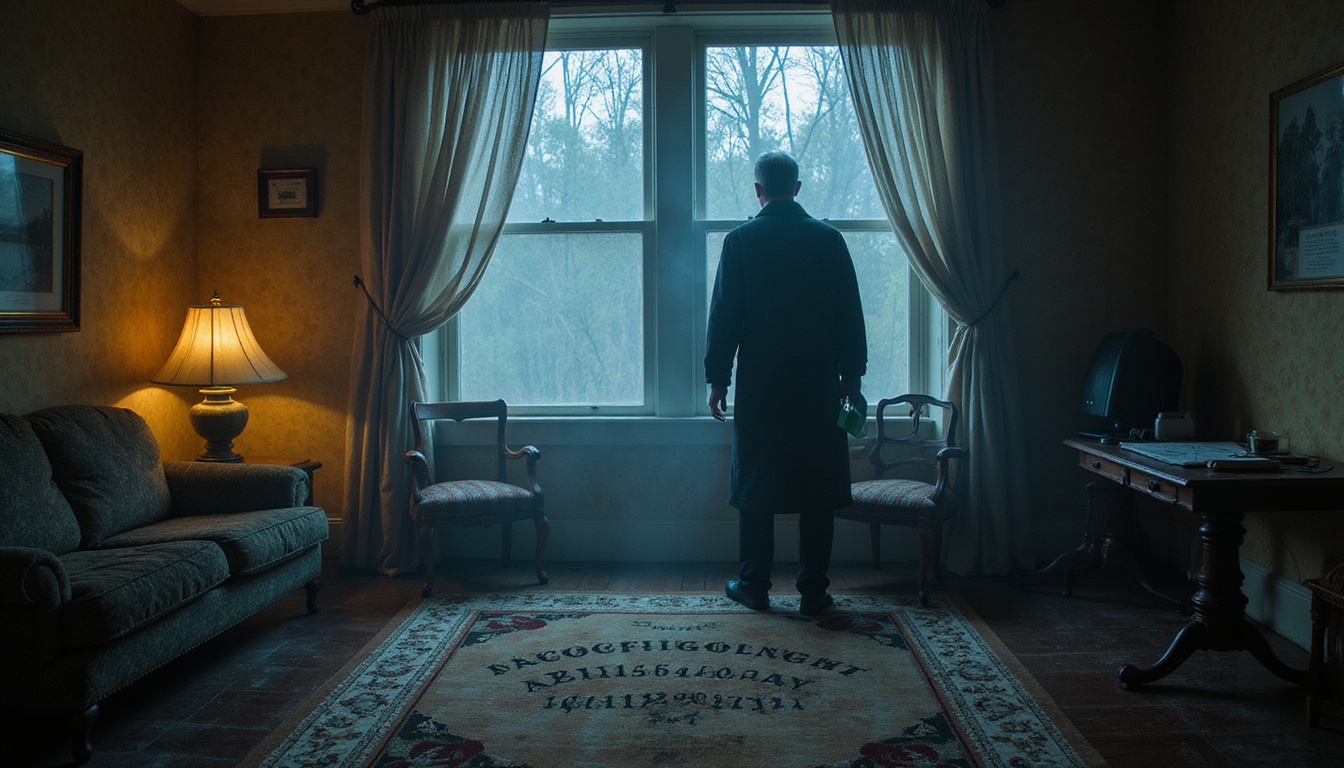
Step 3: Consider Psychological and Environmental Factors
The mind is powerful, especially when we already suspect hauntings.
- Expectation and suggestion: If you’re told a room is haunted, you’re more likely to interpret normal noises as paranormal.
- Stress and sleep deprivation: These increase vivid dreams, hallucinations, and a sense of being watched.
- Infrasound and environmental toxins: Low-frequency sound and issues like certain molds or carbon monoxide can induce anxiety, dizziness, or visual disturbances.
If something feels persistently off, it’s wise to ensure your environment is physically safe—carbon monoxide detectors, air quality tests, and a medical checkup can all be important.
Using Tools to Investigate Hauntings Safely
Ghost hunting shows often glamorize high-tech gear. In reality, you can start simply and still be systematic.
Basic Tools
- Flashlight (with extra batteries)
- Notebook and pen or phone notes app
- Camera or smartphone for photos and video
- Audio recorder (phone app works)
Use these to capture evidence, not to prove hauntings at all costs. Aim for clarity and honesty.
Optional Paranormal Investigation Tools
If you want to go further—especially in known haunted hotels or historic sites—you might see or use:
- EMF meters: Measure electromagnetic fields. Fluctuations may indicate wiring issues, appliances, or, according to some, spirit activity.
- Thermometers or thermal cameras: Detect temperature changes or cold spots.
- Spirit boxes / radios: Rapidly scan radio frequencies; some believe spirits manipulate these to form words.
- Motion detectors: Trigger alarms or lights when something moves in a monitored area.
Remember: none of these tools are scientifically validated for detecting spirits. Use them for structured experiments, not definitive answers.
Respectful Guidelines for Exploring Hauntings
Whether you believe in spirits or not, treating the space—and any unseen presence—with respect is wise, especially in historic locations.
- Ask permission before investigating, especially in operating hotels or private homes.
- Avoid trespassing in closed areas or restricted historic sites.
- Stay calm and grounded; don’t provoke or taunt what you can’t understand.
- Respect the living: Keep noise low, avoid disrupting guests, and protect privacy if you collect audio or video.
Some people also choose to verbally introduce themselves to any spirits, explain their harmless intentions, and set boundaries—this can be emotionally reassuring, even if you view hauntings as purely psychological.
When a Haunting Feels Negative or Threatening
Most reported hauntings are neutral or mildly unsettling, not dangerous. Still, if the atmosphere feels overwhelmingly heavy or hostile, or if you experience ongoing fear or distress, take it seriously.
-
Prioritize mental health
- Talk to a trusted friend, counselor, or therapist about your experiences and emotions.
- Anxiety, past trauma, and sleep disorders can intensify haunting-like perceptions.
-
Ground and protect your space
People from various traditions use practices like:- Decluttering and deep-cleaning the space
- Opening windows to invite fresh air and light
- Playing calming music or reciting prayers/affirmations relevant to their faith or beliefs
-
Seek professional help if desired
- Some choose to consult clergy, spiritual leaders, energy workers, or experienced paranormal investigators who emphasize safety and ethics.
- Research reputations carefully; avoid anyone who pressures you, demands excessive fees, or uses fear to manipulate.
If you ever feel physically unsafe—due to structural hazards, environmental toxins, or other people in the space—leave immediately and contact appropriate authorities or professionals.
Hauntings in Hotels vs. Private Homes
Old hotels and historic houses each bring unique contexts to possible hauntings.
Historic Hotels
- Often have well-publicized ghost stories connected to tragic events, famous guests, or long-time staff.
- Staff might be used to questions about hauntings and may share lore openly.
- Large buildings mean more natural noises and more people—so more possible sources for “mysterious” events.
If you’re staying in a “haunted” room:
- Ask staff what’s known and what’s just rumor.
- Keep your expectations realistic.
- Document your experiences carefully to separate unusual from ordinary hotel noises.
Private or Old Family Homes
- Often come with personal emotional histories: births, deaths, conflicts, and memories.
- Experiences may feel more intimate and emotionally intense.
- You have more control over long-term changes—repairs, renovations, spiritual practices, or professional investigations.
If hauntings in a home feel persistent and distressing, a combined approach—practical repairs, mental health care, and optional spiritual support—usually offers the most relief.
FAQ About Hauntings in Old Buildings
Q1: How do I know if a haunting in my house is real or just my imagination?
Start by logging events in detail and systematically ruling out natural causes like drafts, animals, and electrical issues. Patterns that multiple people verify independently over time are more compelling than one-off, late-night experiences. Also consider psychological factors like stress and suggestions. A “real” haunting remains a personal interpretation; focus on safety, sanity, and comfort first.
Q2: Are hauntings in hotels more common than in other places?
Hotels often have more reported hauntings simply because many different people pass through, and some buildings are old with rich histories. That combination—age, emotional events, and many guests—makes strange incidents more likely to be noticed and shared. Whether these are paranormal or not, hotels become natural hotspots for ghost stories.
Q3: Can I safely try to contact spirits in a haunted room?
Many people use EVP sessions, spirit boxes, or simple voice recordings in locations with alleged hauntings. If you choose to do so, be respectful, set clear intentions (no provoking), and stop if you feel frightened or overwhelmed. From a psychological perspective, such activities can intensify fear and suggestion, so treat your emotional well‑being as more important than getting “proof.”
Hauntings tap into our deepest questions about consciousness, memory, and what might remain when a life ends. Old houses and historic hotels, with their layered histories and imperfect structures, are especially fertile ground for both genuine mysteries and very explainable oddities.
If you’re experiencing possible hauntings where you live or stay, you don’t have to choose between blind belief and total dismissal. You can investigate calmly, respect the history of the place, care for your mental and physical safety, and still leave room for wonder.
If the signs of a haunting in your house or favorite hotel keep nagging at you, take the next step: start a journal, talk with others who’ve experienced the same space, and, if needed, consult both practical professionals (like inspectors or electricians) and thoughtful spiritual or paranormal experts. By approaching hauntings with curiosity and care, you can transform fear into understanding—and maybe discover a story that connects you more deeply to the place you inhabit.
Cultural superstitions have shaped traditions and beliefs for generations. Explore the psychology, cultural history, and science behind these fascinating practices at SpiritualMindScience.com.