The hamsa is one of those symbols you’ve probably seen everywhere—on jewelry, wall art, tattoos, and home décor—yet its deeper meaning often remains a mystery. More than just a pretty design, the hamsa is a powerful emblem of protection, blessing, and spiritual awareness that crosses cultures and religions. Understanding what it really represents can help you use it with more intention, whether for personal style, mindfulness, or energy protection.
What Is the Hamsa?
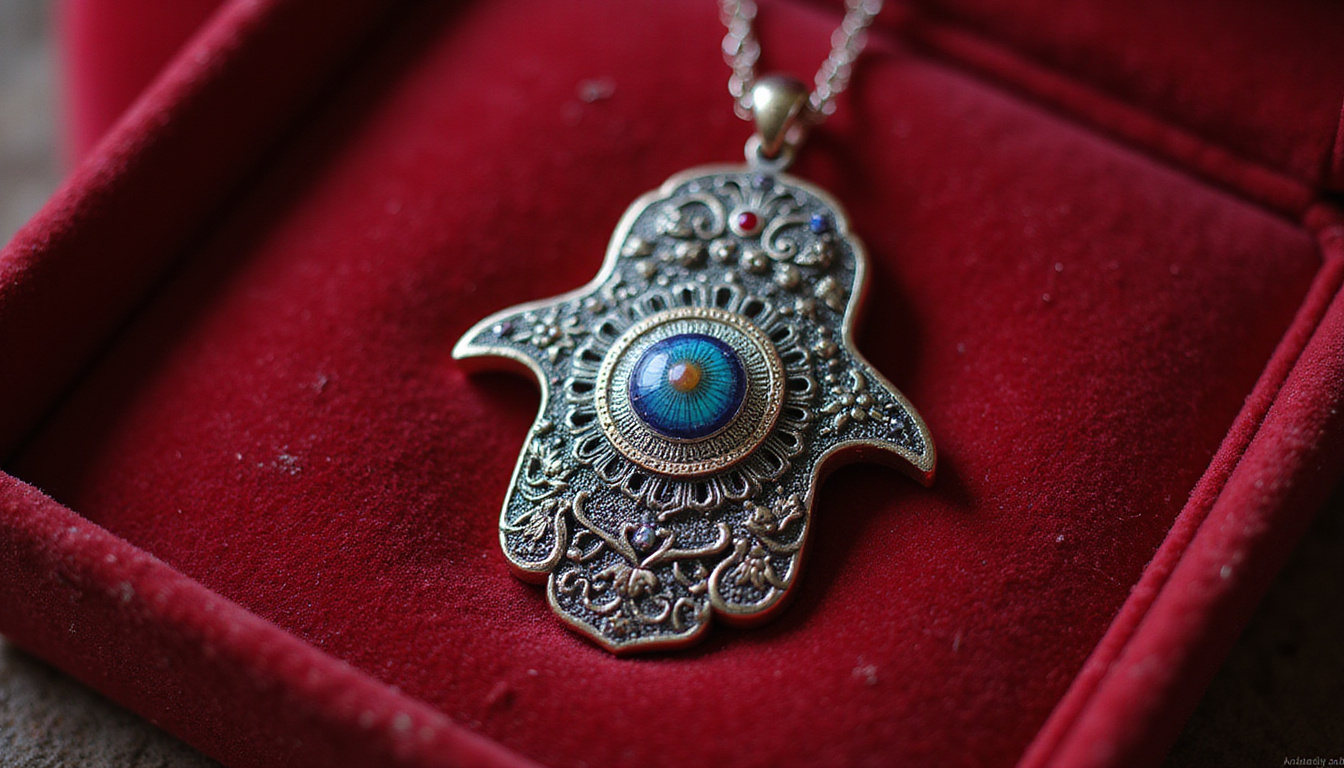
The hamsa is a palm-shaped amulet, usually depicted as an open hand with five fingers and often featuring an eye in the center. It is most commonly associated with:
- Protection from the “evil eye”
- Attracting blessings, luck, and abundance
- Spiritual guidance and inner peace
You’ll find the hamsa in Middle Eastern, North African, and Mediterranean cultures, and it appears in both religious and secular contexts. The word “hamsa” comes from the Arabic word for “five” (khamsa), referring to the five fingers of the hand.
Ancient Origins Across Cultures
The power of the hamsa isn’t tied to a single tradition. Its strength comes from centuries of shared symbolism across various belief systems.
In Middle Eastern and North African Traditions
Archaeologists trace the use of hand-shaped amulets in North Africa and the Middle East back thousands of years. The symbol appears in ancient Mesopotamian and Carthaginian artifacts, often linked to fertility goddesses and divine protection.
Over time, it merged into popular folklore as a universal protective hand—something anyone could carry or hang in their home to ward off misfortune.
In Judaism (Hand of Miriam)
In Jewish tradition, the hamsa is often called the Hand of Miriam, referring to the sister of Moses and Aaron. It represents:
- Protection from the evil eye
- The five books of the Torah
- Faith in divine guidance
Many Jewish families in the Middle East and North Africa adopted the hamsa as a protective symbol at home and during important life events.
In Islam (Hand of Fatima)
In Islam, the symbol is commonly known as the Hand of Fatima, named after Fatima Zahra, the daughter of the Prophet Muhammad. It can signify:
- Patience, faith, and loyalty
- Spiritual protection
- The five pillars of Islam
It’s often used as a reminder of moral values and devotion, as well as a shield against envy and negative intentions.
In Modern Spirituality
Today, the hamsa has also been embraced in broader spiritual and New Age communities. Many people use it as a:
- Sign of universal protection
- Symbol of intuition (especially with the central eye)
- Tool for setting energetic boundaries
Because it’s so widely shared, people of many backgrounds use the hamsa as a cross-cultural symbol of peace, protection, and connection to something greater.
Symbolism: What the Hamsa Really Represents
Though designs vary, most hamsa symbols contain a few consistent elements, each carrying its own meaning.
The Open Hand
The hand itself represents:
- Protection: An open palm that blocks negativity.
- Blessing: A gesture of giving and receiving goodness.
- Human connection: The bridge between the physical and spiritual.
An upward-facing hamsa is often associated with defense and resistance to harmful energy. A downward-facing hamsa is sometimes linked more with receiving blessings, fertility, and abundance, though interpretations differ by tradition.
The All-Seeing Eye
The central eye—often called the “evil eye” or “all-seeing eye”—is a powerful symbol of awareness. It is believed to:
- Reflect or neutralize harmful intentions
- Enhance spiritual vision and intuition
- Remind you to “see” truth beyond surface appearances
In many cultures, the hamsa hand and the eye work together: the hand blocks negativity; the eye perceives and redirects it.
Five Fingers, Five Layers of Meaning
The number five appears again and again:
- Five fingers
- Five senses
- In some beliefs, five elements
- In religious contexts, five books of the Torah or five pillars of Islam
Many people see the five fingers as a reminder to align the physical (your daily actions) with the spiritual (your deeper values and purpose).
How to Use the Hamsa for Protection and Spiritual Power
You don’t need to subscribe to any particular religion to work with the hamsa symbol intentionally. What matters is your respect, awareness, and sincerity.
1. Wearing Hamsa Jewelry
One of the most popular ways to use the hamsa is through jewelry:
- Necklaces that rest over the heart
- Bracelets for constant, daily energy
- Earrings or rings as subtle protective accents
When you wear a hamsa piece:
- Take a moment to set an intention—protection, calm, clarity, or gratitude.
- Visualize the symbol creating a gentle shield around you.
- Use it as a reminder to stay aware of your thoughts and the energy you invite into your life.
2. Hamsa in Home Décor
Hamsa wall hangings, tiles, and art pieces are common in doorways, living rooms, and meditation spaces. People often place a hamsa:
- Near the front door to protect the home
- In a child’s room for safety and peaceful sleep
- In a workspace to reduce conflict and tension
You can combine it with other intentional elements—candles, plants, or calming colors—to create a supportive, uplifting environment.
3. In Meditation and Rituals
If you have a spiritual practice, the hamsa can become a focal point:
- Gaze at the hamsa while breathing slowly to clear your mind.
- Visualize the central eye dissolving negative thoughts.
- Reflect on what you want to protect—your peace, your boundaries, your loved ones.
This intentional use turns a decorative symbol into a personal spiritual tool.
Style Guide: Making the Hamsa Your Own
The hamsa isn’t just meaningful—it’s also strikingly beautiful. With so many variations, you can easily find (or design) a version that expresses your personality.
Choosing Materials
Different materials can shift the feel of your hamsa piece:
- Silver or white metals – Clean, protective, moonlike energy.
- Gold or brass – Warmth, abundance, and solar energy.
- Wood – Earthy, grounding, and natural.
- Ceramic or glass – Colorful, artistic, and expressive.
You might pick materials that align with your aesthetic—or with the type of energy you want to invite.
Symbol Combinations
Hamsas are often combined with other symbols:
- Lotus flowers – Spiritual awakening and purity.
- Doves or olive branches – Peace and reconciliation.
- Stars or moons – Guidance, cycles, and mystery.
There’s no single “right” combination. Choose designs that resonate with your story and intentions.
Modern vs. Traditional Designs
- Traditional hamsa designs tend to be ornate, detailed, and symmetrical.
- Minimalist hamsa styles strip the hand down to clean lines, sometimes omitting the eye.
Both are valid. What matters is that you understand the symbol and feel connected to it.
Cultural Respect and Sensitivity
Because the hamsa has deep roots in Jewish, Islamic, and Middle Eastern cultures, it deserves respect. A few guidelines:
- Learn the history and meanings before you wear or display it.
- Avoid mocking, trivial, or disrespectful uses (e.g., on items that demean religious or cultural values).
- Be open if friends from those cultures share additional perspectives or teachings.
Working with sacred symbols thoughtfully transforms them from trendy accessories into bridges of understanding.
Practical Tips for Using a Hamsa Intentionally
To integrate the hamsa into daily life with more meaning, try:
-
Set an intention
When you put on hamsa jewelry or pass by a hamsa in your home, silently affirm:
“I am protected. I choose peace. I welcome blessings.” -
Create a small ritual
- Light a candle.
- Sit quietly, focusing on your breath.
- Hold or face your hamsa, imagining it clearing your mental and emotional space.
-
Use it as a reminder
Each time you notice your hamsa, check in with yourself:- Are my thoughts feeding fear or calm?
- Am I honoring my boundaries?
- Am I acting in alignment with my values?
-
Combine with other practices
The hamsa pairs naturally with journaling, gratitude practices, and mindfulness. Use it as a visual anchor for habits that support your well-being.
Why the Hamsa Still Matters Today
In a world where stress, comparison, and digital overload are constant, the hamsa offers something simple yet powerful:
- A visual cue to protect your peace
- A reminder that intention shapes experience
- A cross-cultural link to centuries of spiritual practice
Symbols work on the subconscious level. Even if you don’t think about it all day, having a hamsa nearby can gently nudge you toward more conscious living and clearer energetic boundaries.
If you’re interested in the broader history of protective symbols, the Metropolitan Museum of Art offers valuable overviews of amulets and talismans across cultures (source).
FAQ About the Hamsa Symbol
What does the hamsa hand mean spiritually?
Spiritually, the hamsa hand is a symbol of divine protection, guidance, and blessing. It’s believed to shield your energy from harm or envy while inviting peace, clarity, and good fortune. Many see it as a reminder to keep your actions (the hand) aligned with higher truth and compassion.
Is the hamsa evil eye the same as the evil eye symbol?
The hamsa evil eye combines two protective symbols: the open hand and the eye. The eye in the center of the hamsa is meant to repel the evil eye—negative intentions or envy—rather than represent it. So while they’re related, the hamsa with an eye is a protective amulet, not a harmful symbol.
Can anyone wear a hamsa hand necklace?
Yes. A hamsa hand necklace can be worn by people of any background as long as it’s done with respect. Learn its origins, avoid mocking or misusing it, and treat it as a meaningful emblem rather than just a trend. Many people of different faiths and cultures embrace the hamsa as a universal sign of protection and peace.
Ready to Invite Protection, Style, and Spirit into Your Life?
If the hamsa speaks to you, don’t ignore that pull. Choose a hamsa piece—a necklace, bracelet, wall hanging, or artwork—that truly resonates with your story and intentions. Use it consciously: set a clear purpose for protection or inner peace, and let it become a daily reminder of the energy you want to cultivate. Your next step is simple: find a hamsa that feels right, bring it into your space or wear it close, and start experiencing how a single symbol can transform the way you move through the world.
Explore the Science Behind Spirituality
This guide explored the meaning and history of good luck symbols. To discover the psychology, consciousness, and scientific perspectives behind spiritual beliefs, visit SpiritualMindScience.com.